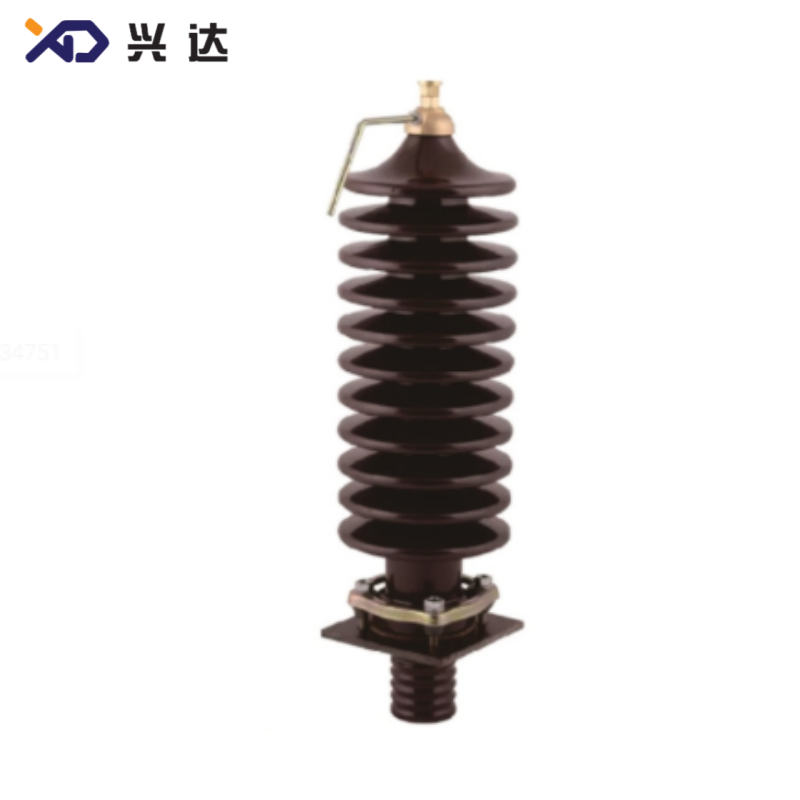
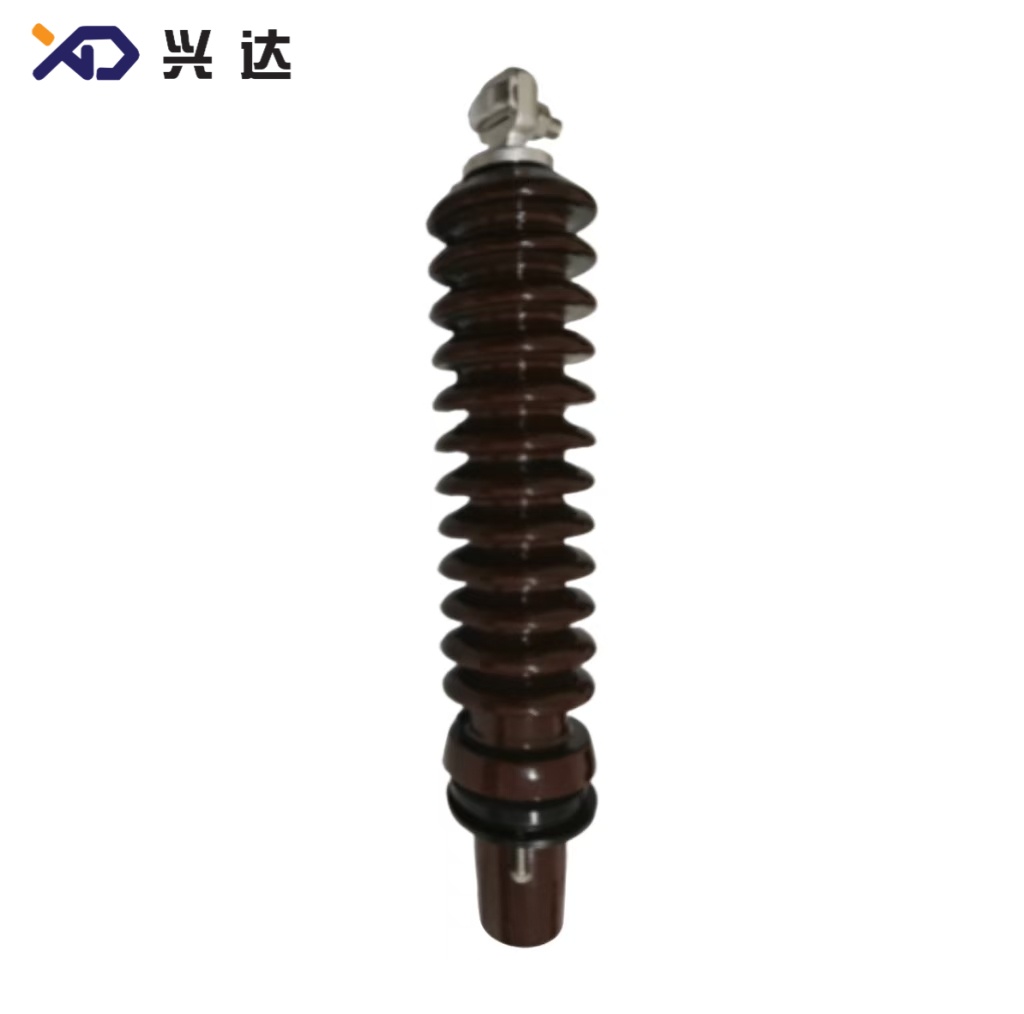
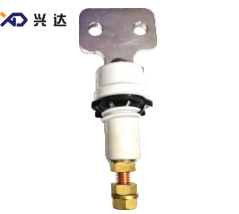
ANSI Bushing
Transformer Bushing Design Principles and Manufacturing Process
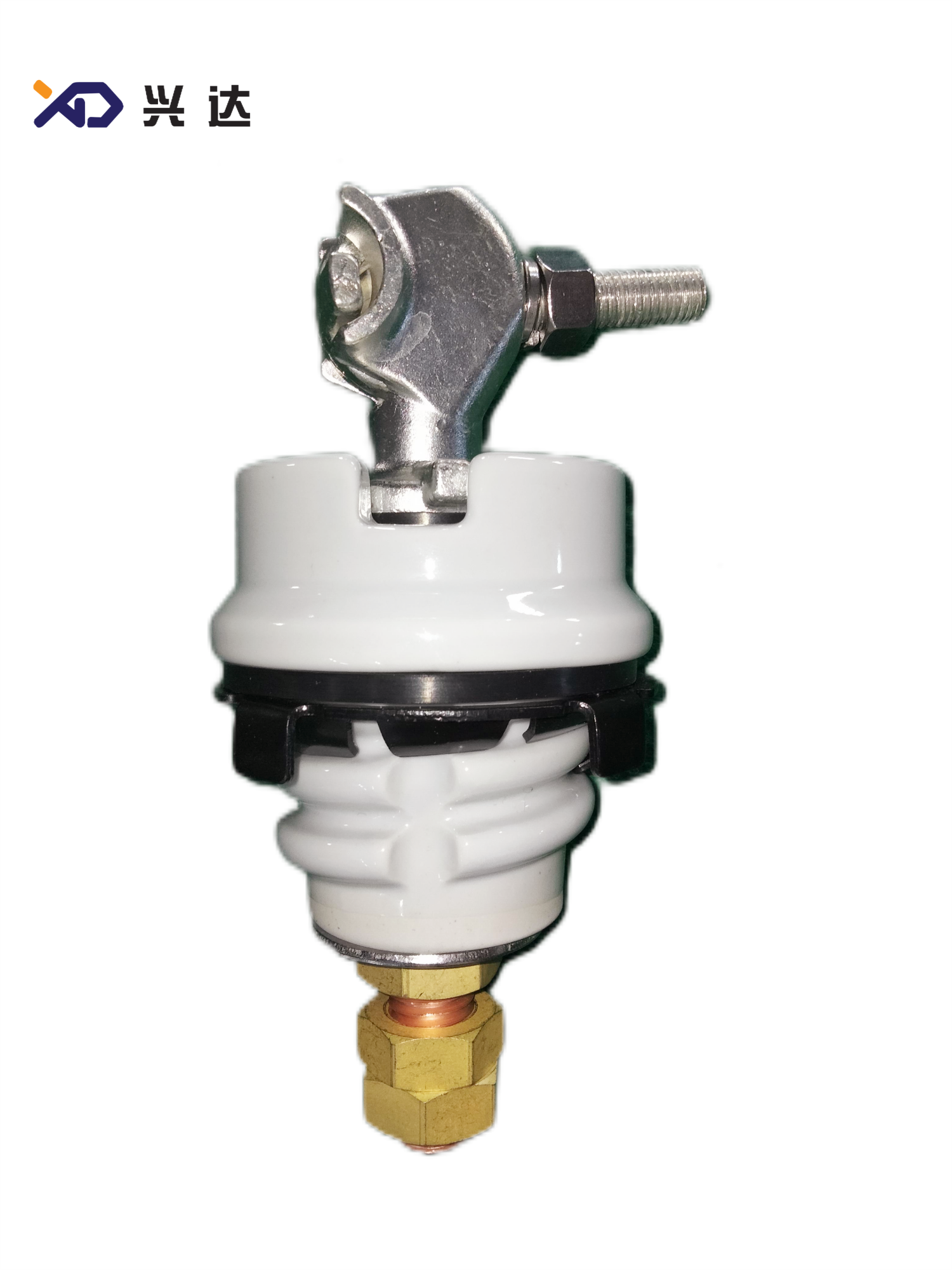
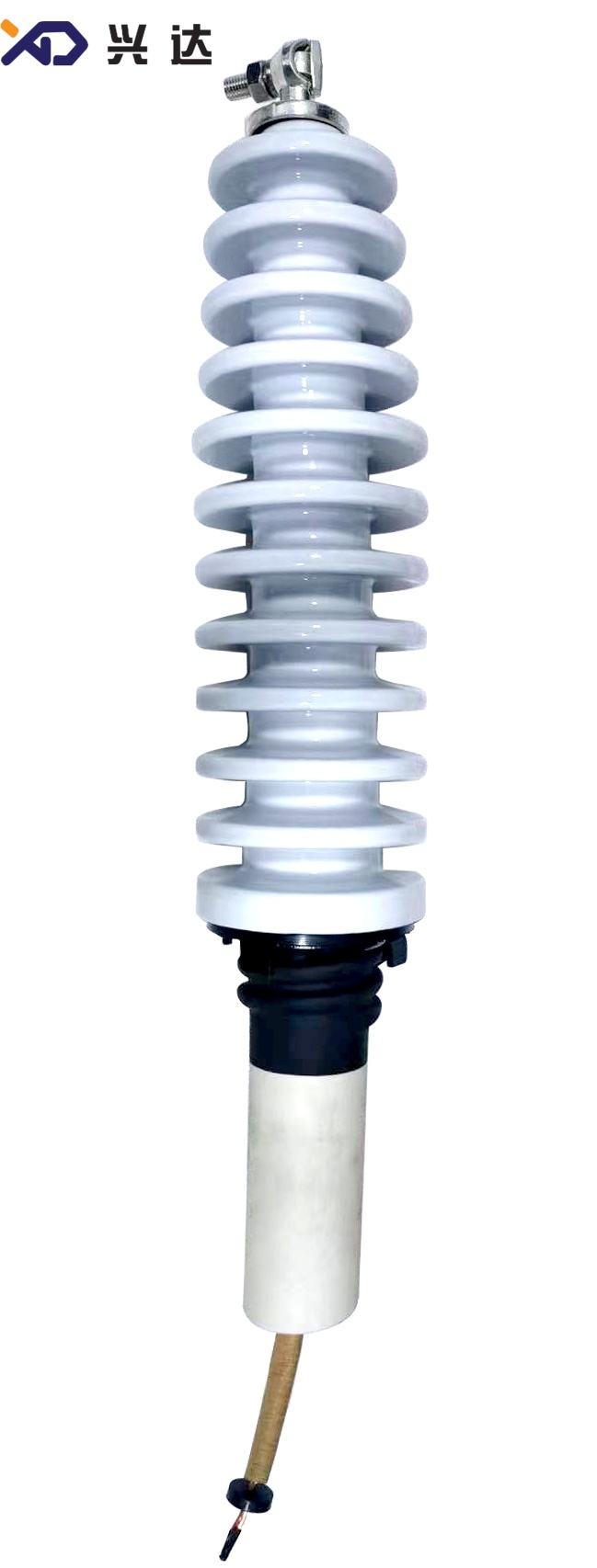
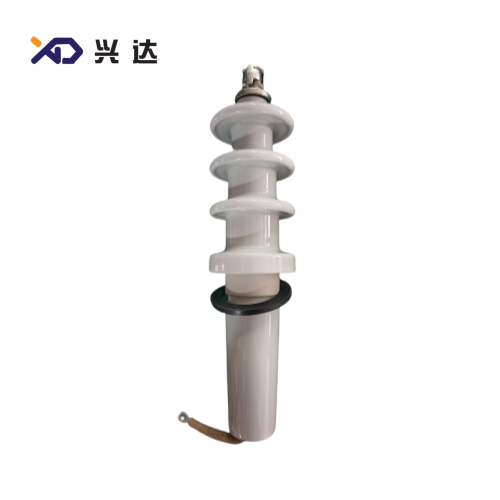
Transformer bushings are core insulating and current-carrying components that determine the safety, stability, and service life of oil-immersed power and distribution transformers. Their overall performance relies heavily on scientific design logic and standardized manufacturing workflows. A well-designed transformer bushing balances electric field distribution, mechanical structural strength, sealing reliability, and environmental adaptability, while rigorous manufacturing processes eliminate internal defects, insulation loopholes, and assembly errors. Understanding transformer bushing design principles and manufacturing processes helps electrical engineers evaluate product quality, optimize equipment selection, and recognize the root causes of common operational faults such as partial discharge, surface flashover, oil leakage, and terminal overheating.
Whether for ANSI-standard or EN-standard transformer bushings, the core design concepts and mainstream manufacturing procedures follow universal power industry rules. Every structural detail, from conductor cross-section and insulation thickness to shed layout and flange sealing structure, is calculated and produced according to strict electrical and mechanical theories. This article systematically elaborates on the fundamental design principles and complete industrial manufacturing process of standard transformer bushings, providing professional technical reference for power project design, product inspection, and equipment operation management.
Core Design Principles of Transformer Bushings
The design of transformer bushings abides by four core principles: uniform electric field distribution, reliable current-carrying performance, stable mechanical structure, and long-term sealing and environmental adaptability. All design parameters are iteratively optimized to adapt to high-voltage operation, variable load cycles, and complex outdoor working environments.
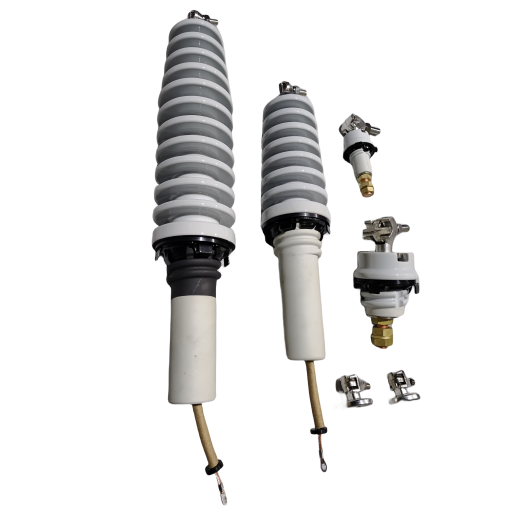
First, electric field optimization design is the most critical principle. High-voltage transformer bushings face concentrated electric field stress at the tank penetration position, conductor interface, and insulation surface. Unreasonable structural design will cause local electric field distortion, triggering corona discharge and partial discharge. Standard bushing designs adopt graded insulation thickness and multi-shed hydrophobic structures to evenly disperse surface voltage stress. The layout of insulating sheds is precisely calculated to extend effective creepage distance, suppress leakage current under humid and polluted conditions, and avoid surface flashover faults.
Second, rated current-carrying thermal design ensures long-term stable power transmission. The central copper conductor cross-section is scientifically designed according to rated current and overload margin standards. The core design goal is to control temperature rise within a safe range during continuous full-load operation. Reasonable conductor size and terminal contact structure reduce contact resistance, prevent local thermal accumulation, and avoid insulation aging and component burnout caused by long-term overheating.
Third, mechanical structural stability design guarantees installation and operational safety. Transformer bushings must withstand assembly pressure, equipment vibration, wind pressure, and minor external impact during long-term operation. The flange structure, insulation shell thickness, and internal conductor fixing components are designed with sufficient mechanical strength and toughness to prevent structural deformation, cracking, or conductor displacement. Different structural designs are adopted for indoor compact installation and outdoor exposed installation scenarios to balance lightweight layout and structural rigidity.
Fourth, sealing and anti-aging design realizes long-term environmental isolation. The bushing’s bottom sealing structure and matching gaskets are designed with anti-compression aging and oil-resistant properties to achieve tight isolation between internal transformer oil and external atmospheric environment. Meanwhile, the surface anti-ultraviolet and anti-pollution design delays insulation aging, adapting to temperature changes, dust accumulation, and humid climate conditions throughout the service cycle.
Professional Structural Design Details
In actual industrial design, transformer bushings are refined according to voltage grade, current grade, and application environment. Medium-voltage bushings for 12kV to 36kV systems increase insulation thickness and shed quantity to improve overvoltage resistance and anti-pollution ability. High-current bushings optimize conductor materials and terminal structures to enhance heat dissipation efficiency. For high-altitude and heavily polluted areas, designers extend creepage distance and strengthen surface hydrophobic treatment to adapt to harsh working conditions.
Complete Manufacturing Process of Transformer Bushings
The manufacturing process of transformer bushings is a highly standardized and precise industrial workflow, divided into raw material selection, core component processing, insulation forming, precision assembly, sealing treatment, and finished product testing. Each link directly determines the final electrical performance and service life of the bushing.
The first step is high-quality raw material screening and pretreatment. For porcelain transformer bushings, high-purity ceramic raw materials are selected for high density and low porosity, ensuring excellent dielectric strength and mechanical toughness. For epoxy resin bushings, high-insulation anti-aging resin materials and curing agents are adopted. The central current-carrying conductor uses high-conductivity copper rods to reduce resistance and heat generation. All raw materials undergo strict incoming inspection to eliminate unqualified materials with impurities and performance defects.
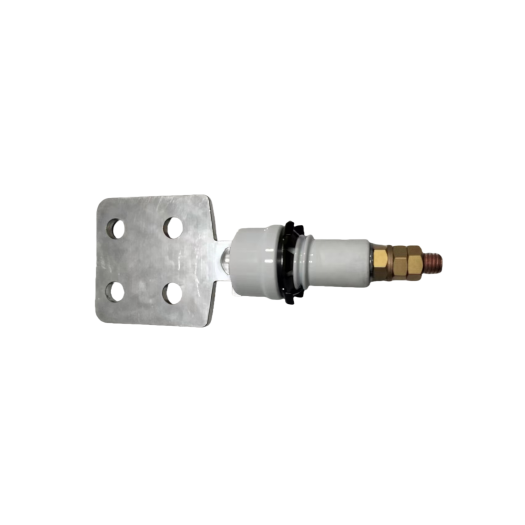
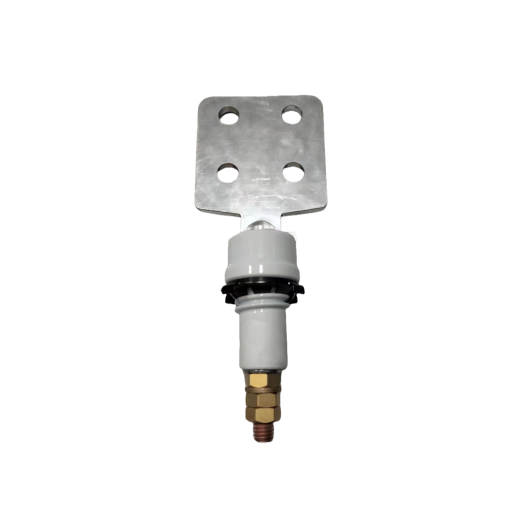
The second step is core component precision processing. Copper conductors are cut, polished, and precisely machined to ensure smooth surface and accurate size, avoiding burrs that may cause electric field concentration. Mounting flanges are stamped and machined to guarantee flatness and precise hole spacing, ensuring seamless fitting during transformer installation. Terminal structures are processed according to standard specifications to ensure stable contact and convenient wiring.
The third step is insulation molding and curing. For porcelain bushings, ceramic blanks are formed by high-pressure molding, then sintered at high temperature and glazed to form a smooth, waterproof, and anti-pollution insulating shell. For epoxy resin bushings, vacuum integral casting technology is adopted to avoid internal bubbles and gaps. The resin is cured at constant temperature to form an integrated seamless insulation structure, ensuring uniform internal insulation performance and no hidden discharge risks.
The fourth step is precision assembly and sealing treatment. Professional tooling is used for positioning assembly of conductors, insulation shells, flanges, and gaskets. The assembly process strictly controls coaxiality to avoid conductor deviation and internal structural stress. High-elasticity oil-resistant sealing gaskets are installed in a standardized manner to ensure uniform compression and tight fitting, laying a foundation for long-term oil leakage prevention and moisture resistance.
The fifth step is surface finishing and anti-aging treatment. The insulation surface is polished and cleaned to remove tiny burrs and dust. Outdoor-grade bushings are treated with enhanced hydrophobic and anti-ultraviolet coating to improve surface anti-pollution and aging resistance, adapting to long-term outdoor open-air operation.
The final step is full-performance factory testing. All finished transformer bushings must pass routine tests including power frequency withstand voltage test, lightning impulse test, partial discharge detection, temperature rise test, and sealing tightness test. Products with unqualified electrical performance, structural defects, or hidden leakage risks are eliminated strictly to ensure all factory products meet industry standard specifications.
Conclusion
Scientific design principles and standardized manufacturing processes are the fundamental guarantees for the high performance of transformer bushings. Electric field optimization, thermal balance design, mechanical structural reinforcement, and sealing anti-aging design constitute the complete design system of qualified transformer bushings. Meanwhile, rigorous raw material screening, precision processing, integrated molding, standardized assembly, and strict factory testing ensure stable and consistent product quality. Mastering these design and manufacturing characteristics helps industry practitioners accurately identify high-quality transformer bushings, effectively reduce equipment failure rates, and improve the overall operational reliability of power transformer systems.
Categories
Contact Us
Contact: Tianjin Delda Trading Co., Ltd
WhatsApp: +86 13662056855
Tel:
E-mail: solomon20210701@tjxddq.com
Add: Unit‑101, Workshop 3, Bozhong Automobile Industrial Park, No.5 Xianghui Road, Intersection of Xianghui Road and Gaoying Road, Beizhakou Town, Jinnan District, Tianjin, China