ANSI Bushing
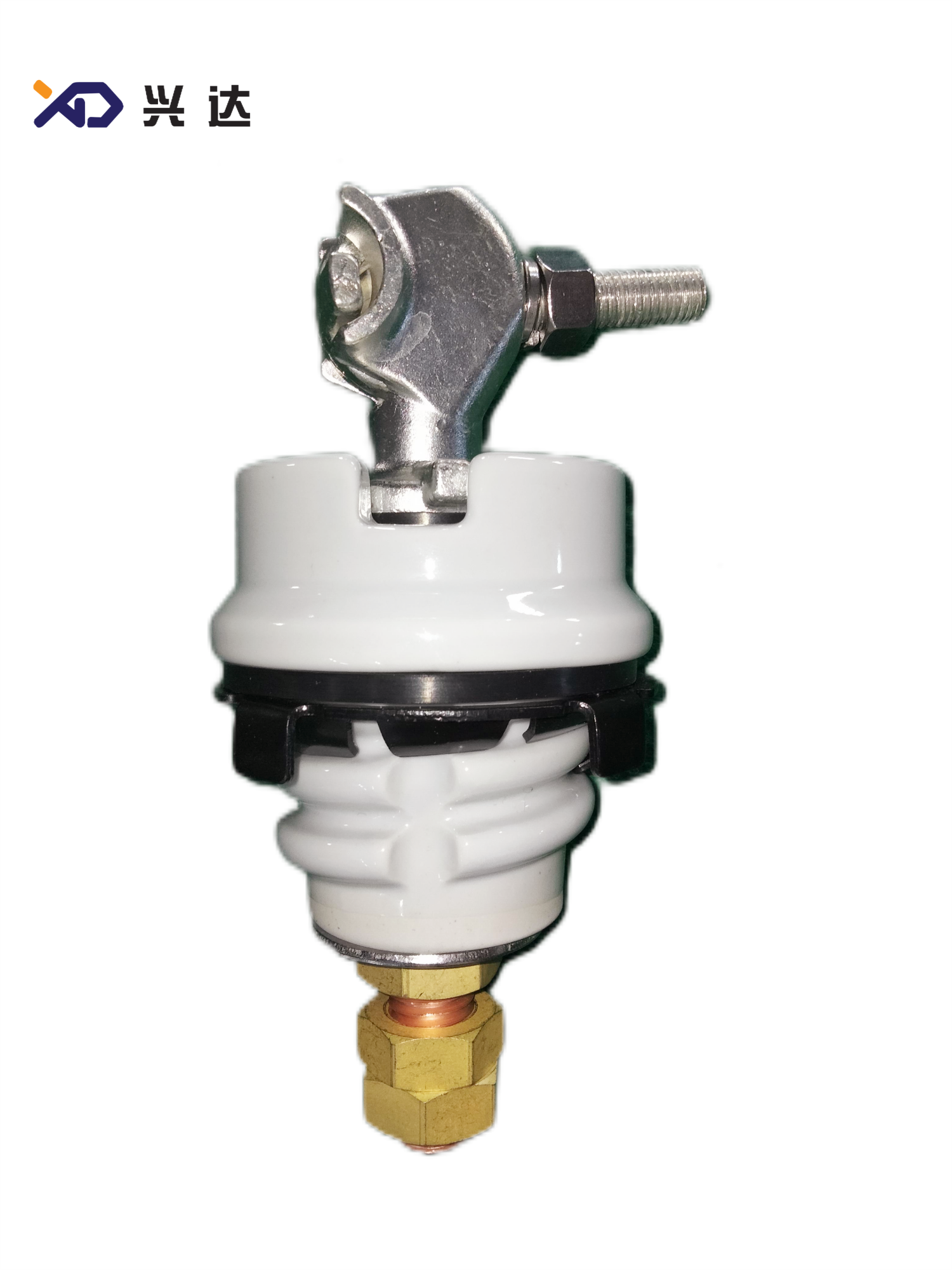
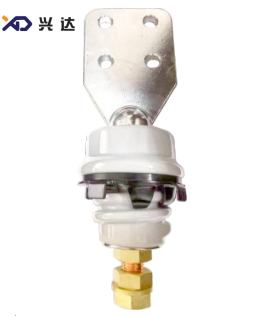
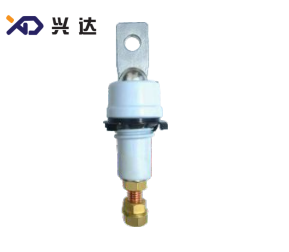
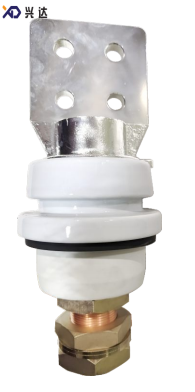
ANSI Bushing, ANSI/IEEE Standard Porcelain Transformer Bushing for Distribution Transformer
ANSI Bushing: Full‑Technical Guide for ANSI‑Standard Oil‑Immersed Transformer Bushings
Introduction
An ANSI bushing is a transformer feed‑through insulator built to comply with ANSI/IEEE C57.19 series standards, widely deployed across North‑American power utilities, pad‑mounted distribution transformers, substation transformers and industrial oil‑filled power equipment. It delivers two core functions: conducting continuous load‑current through the earthed metallic transformer tank, and providing reliable dielectric insulation between live conductors and grounded tank structures.
Unlike DIN‑pattern or Brazil‑pattern bushings, ANSI bushing units adopt imperial‑based dimensional systems, specific spade‑terminal layouts, unique alternating‑shed porcelain profiles and dedicated mounting‑well structures that match North‑American transformer OEM design practices. Both high‑voltage ANSI bushing and low‑voltage ANSI bushing variants exist for primary and secondary transformer terminals. A large share of pad‑mount and pole‑mount distribution transformers rely on ANSI‑compliant bushings as original‑factory or field‑replacement spare components.
This original industry‑oriented article covers universal definitions, core‑structure breakdown, specification tables, engineering advantages, operating‑constraint guidance, typical failure modes and step‑by‑step selection‑installation‑maintenance guidance. It is fully optimized for Google search indexing and can be directly published for industry blogs, technical directory pages and component knowledge libraries. No specific manufacturer or brand recommendation is included. Power‑system engineers, transformer‑procurement specialists, field maintenance contractors and spare‑part buyers frequently search for ANSI bushing dimensions, BIL ratings, interchangeability rules and troubleshooting guidance for tender projects and retrofit‑repair workflows.
What is ANSI Bushing for Oil‑Immersed Transformers
ANSI bushing is a pressure‑resistant, oil‑filled transformer bushing family defined under ANSI / IEEE C57.19.00 and C57.19.01 standards, designed mainly for oil‑immersed distribution‑class and medium‑power transformers. Most ANSI bushing assemblies consist of glazed porcelain insulators, central copper‑alloy current‑carrying conductors, spade‑type or eyebolt‑style connection terminals, compression gaskets and mounting‑clamping hardware. A portion of the bushing submerges in mineral transformer oil inside the tank, while the porcelain‑shed section operates under open‑air outdoor environmental conditions.
Two primary ANSI bushing categories dominate practical deployment:
- High‑Voltage ANSI Bushing: Applied on transformer primary sides, featuring longer alternating‑profile porcelain sheds, higher BIL (Basic Impulse Level) ratings, and lower continuous‑current ranges. It is commonly used for 15 kV, 25 kV and 35 kV distribution‑class voltage classes.
- Low‑Voltage ANSI Bushing: Installed on transformer secondary terminals, adopting compact insulator bodies and multi‑hole spade terminals for high‑amplitude output‑current transmission.
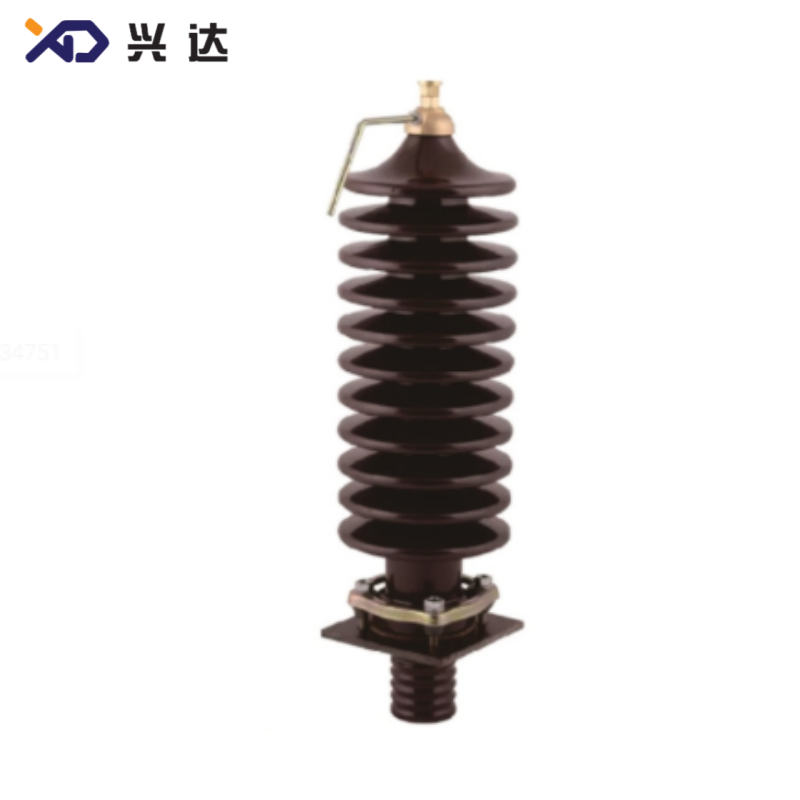
A well‑known structural feature of genuine ANSI bushing is its alternating‑diameter shed geometry: wide sheds alternate with narrow sheds. This design breaks continuous rainwater cascades, suppresses surface wet flash‑over risk under heavy‑rain and high‑humidity outdoor operating environments. Many ANSI‑specification distribution‑transformer bushings use external‑clamping bushing‑well structures, enabling field‑side replacement without draining large‑volume transformer oil, which greatly reduces maintenance‑related transformer outage durations伊顿.
Core Structure of ANSI Bushing
Each complete ANSI bushing assembly contains these five key functional sub‑assemblies, where every part directly influences long‑term field reliability:
- Alternating‑Shed Porcelain Insulator: High‑grade glazed electrical‑porcelain forms the outer weather‑proof housing. Alternating‑size sheds extend overall creepage distance, resist UV aging, rain erosion and surface pollution tracking. Grey‑glazed porcelain is the mainstream standard color for ANSI‑market applications.
- Mounting Interface & Sealing Gasket: ANSI‑pattern mounting wells or flat‑flange structures fasten the bushing to transformer tank openings. Compressed nitrile‑rubber or composite‑fiber gaskets prevent transformer‑oil leakage and block moisture ingress into transformer oil cavities. Uneven bolt torque is a leading source of ANSI bushing field‑sealing failures.
- Central Current‑Carrying Conductor: Copper‑alloy solid rod serves as the main conductive path. Conductor cross‑section is sized strictly according to rated continuous‑current to restrain temperature‑rise under full‑load and short‑circuit conditions.
- Top‑End Connection Terminal: ANSI‑standard spade terminals (1‑hole, 2‑hole, 4‑hole, 6‑hole configurations) or eyebolt terminals provide connection interfaces for external busbars and cable lugs. Terminal hole spacing follows imperial‑unit standards, which cannot be directly interchanged with metric DIN‑pattern terminals.
- Oil‑Immersed Lower Section: The lower bushing segment sits inside transformer insulating oil, delivering internal‑winding connection points and maintaining oil‑side dielectric performance.
General Technical Specifications of ANSI Bushing
The table below summarizes industry‑general parameter ranges for ANSI‑standard transformer bushings. These reference values apply for specification review, tender‑document compilation and spare‑part‑replacement evaluation; actual project parameters must align with local utility standards and transformer‑design documentation.
| Parameter | Typical ANSI Bushing Industry‑Standard Range | Critical Remarks |
|---|---|---|
| Rated Voltage Class | 1.2 kV ~ 34.5 kV | LV secondary and MV primary distribution‑transformer coverage |
| Rated Continuous Current | 125 A ~ 2000 A | Low‑voltage ANSI bushing supports higher‑current spade‑terminal versions |
| Basic Impulse Level (BIL) | 30 kV, 95 kV, 125 kV, 150 kV | BIL value is critical for lightning‑surge‑resistance performance |
| Main Insulator Material | High‑glaze Electrical Porcelain | Alternating‑shed profile for ANSI‑type units |
| Applicable Equipment | Oil‑immersed pole‑mount, pad‑mount and substation distribution transformers | External‑clamp bushing‑well design allows oil‑preserved replacement |
| Ambient Operating Temperature | ‑40 °C ~ +55 °C | Covers North‑American cold‑winter and tropical‑hot‑summer service regions |
| Maximum Service Altitude | ≤1000 m base rating; reinforced‑type up to 3000 m | Altitude‑derating required for installation above 1000 m elevation |
| Pollution Adaptation | Standard type for light‑medium pollution; enhanced long‑creepage variant for coastal salt‑fog zones | Alternating‑shed profile improves wet‑flash‑over performance |
| Terminal Configuration | Eyebolt terminal, 1‑hole / 2‑hole /4‑hole /6‑hole spade terminals | Imperial‑standard hole spacing; non‑interchangeable with metric DIN terminals |
| Mounting Pattern | ANSI Type‑I horizontal arrangement, ANSI Type‑II inclined arrangement | Two mainstream installation geometries per IEEE C57.12.38伊顿 |
| Porcelain Body Standard Glaze Color | Light Grey | Default visual specification for North‑American‑market transformer accessories |
Key Advantages of ANSI‑Standard Transformer Bushings
Transformer OEMs, utility‑asset operators and maintenance teams select ANSI bushing solutions for multiple region‑targeted practical engineering benefits:
1. Standardized Interchangeability for North‑American Grid Infrastructure
ANSI bushing strictly follows ANSI/IEEE dimensional‑specification systems. When performing transformer‑maintenance spare‑part replacement, qualified ANSI‑pattern bushings fit existing transformer‑tank bushing‑well openings, mounting‑clamp structures and spade‑terminal hole layouts without tank‑plate modification work. The external‑clamp bushing‑well structure enables replacement without draining transformer oil, greatly shortens equipment‑outage time and reduces field‑service labor costs.
2. Optimized Alternating‑Shed Design for Wet‑Weather Anti‑Flashover
The unique alternating‑wide‑narrow‑shed porcelain profile interrupts continuous rain‑water flow across insulator surfaces. This structural feature effectively lowers the probability of wet‑surface flash‑over during heavy rainfall, thunder‑storm seasons and high‑humidity coastal‑climate conditions, which is a core design advantage compared with uniform‑shed DIN‑pattern bushings. Enhanced‑creepage ANSI bushing variants further adapt to salt‑fog coastal industrial sites.
3. Reliable Thermal‑Electrical Performance Under Harsh Outdoor Conditions
High‑quality ANSI bushing porcelain housing delivers excellent anti‑ultraviolet‑aging, frost‑resistance and mechanical‑impact‑resistant performance. Properly‑sized central‑conductor structures keep temperature‑rise within allowed limits under rated‑continuous‑current operation. Under power‑network short‑circuit‑fault conditions, qualified ANSI bushing can withstand specified short‑time thermal‑and‑dynamic‑current stress without mechanical fracture or permanent insulation damage.
4. Diverse Terminal Options for Flexible Field‑Connection
ANSI bushing provides rich terminal‑form selections: eyebolt terminals for cable‑strap connection, multi‑hole spade terminals for high‑current busbar‑connection scenarios. Design‑engineers can select matching terminal forms according to transformer‑output‑current magnitude and site‑wiring‑schemes, avoiding on‑site terminal‑transformation work. Multi‑hole spade terminals enlarge contact‑surface area and reduce contact‑resistance heating risks under heavy‑load‑current.
5. Mature‑Spec Spare‑Part Supply Chain
ANSI‑compliant transformer bushings have long‑term popularization history across North‑American power markets. Standard‑model ANSI bushing spare‑parts are widely stocked by transformer‑repair‑workshops and utility‑warehouses. Mature‑component‑supply chains reduce spare‑part‑procurement cycles and support emergency‑repair‑response for grid‑fault‑events.
Critical Operating Constraints for ANSI Bushing
All ANSI bushing electrical‑mechanical‑performance indexes are defined under standard‑reference operating‑conditions. Deviations from reference conditions require performance derating or enhanced‑specification component selection.
- Altitude derating requirement: When installation altitude exceeds 1000 m, air‑dielectric‑strength decreases. Operators shall apply insulation‑level derating or choose high‑altitude‑reinforced‑type ANSI bushing.
- Pollution‑level matching: Standard‑type ANSI bushing applies for inland light‑pollution‑regions. For coastal salt‑fog zones and chemical‑plant surrounding heavy‑pollution‑sites, long‑creepage enhanced‑ANSI bushing must be adopted, otherwise surface‑leakage‑current and flash‑over‑failure risks rise sharply under wet‑weather conditions.
- Mounting‑type compliance: Distinguish ANSI Type‑I horizontal‑mounting and Type‑II inclined‑mounting bushing models. Wrong‑model installation will cause abnormal gasket‑pressure distribution, accelerating seal‑aging and oil‑leakage‑failure risks伊顿.
- Cantilever‑force restriction: External‑connected cables and busbars shall not transmit excessive cantilever mechanical‑load onto ANSI bushing terminals. Over‑large cantilever‑force may trigger porcelain‑micro‑cracks and hidden‑danger insulation‑failures.
Common Failure Modes of ANSI Bushing
Understanding typical ANSI bushing failure‑modes helps maintenance‑teams carry out predictive‑maintenance work and avoid unexpected transformer forced‑outages.
Oil Leakage at Bushing‑Well or Gasket Interface
Oil seepage at sealing‑gasket positions represents one of the most‑frequently‑observed ANSI bushing faults. Root‑causes include aging composite gaskets, uneven clamping‑bolt torque, deformed bushing‑well mating‑surfaces, foreign‑particle residues trapped in sealing‑interfaces or mechanical shock during transportation‑assembly. Even minor oil seepage creates access channels for moisture to enter transformer‑tank interiors and degrades insulating‑oil‑dielectric‑strength.
Surface Flash‑over and Pollution Tracking
Salt‑dust, industrial‑deposit and bird‑dropping accumulate on porcelain‑shed surfaces. When dew or rain wets contaminated insulator‑surfaces, surface‑leakage‑current increases, which may trigger surface‑flash‑over. Repeated flash‑over events will generate carbon‑tracking paths on porcelain glaze layers and permanently degrade bushing‑insulation‑capacity. This failure‑mode mainly occurs on standard‑spec ANSI bushing deployed in coastal‑heavy‑pollution‑sites.
Over‑heating at Spade‑Terminal Connection Points
Excessive contact‑resistance at ANSI bushing spade‑terminals originates from loose‑bolt‑fastening, poor contact‑surface‑treatment or galvanic‑corrosion between dissimilar‑metals. High‑contact‑resistance generates serious Joule‑heating under load‑current; temperature‑rise further oxidizes contact‑surfaces and forms vicious‑circles. Severe cases will produce terminal‑burn‑loss and transformer forced‑shutdown.
Porcelain Body Micro‑Crack and Hidden Insulation Risk
Transport‑collision, improper‑handling, seismic‑vibration or excessive cantilever‑force may produce invisible micro‑cracks on ANSI bushing porcelain‑bodies. Hidden‑cracks do not trigger immediate‑failure, yet will gradually expand under temperature‑cycling and transformer‑oil‑pressure‑variation, eventually leading to sudden oil‑leakage or dielectric‑breakdown‑faults in service.
Moisture‑Induced Internal Insulation Degradation
When gasket‑sealing fails or porcelain‑cracks occur, humid outside‑air and water‑vapor penetrate into transformer‑tank interiors. Moisture contaminates transformer‑oil and weakens insulation‑performance. Long‑term moisture‑invasion triggers partial‑discharge‑phenomena inside insulation‑structures, gradually erodes insulating‑materials and finally causes catastrophic‑breakdown‑accidents.
ANSI Bushing Selection Checklist
When specifying or replacing ANSI bushing for oil‑immersed transformers, verify these technical items item‑by‑item to prevent specification‑mismatch risks:
- Confirm rated‑voltage‑class and BIL (Basic Impulse Level) strictly matching transformer‑winding‑insulation‑requirements. BIL value is non‑negotiable for lightning‑surge‑protection.
- Match rated‑continuous‑current with transformer‑maximum‑operating‑current and reserve reasonable overload‑margin.
- Confirm mechanical‑mounting‑specifications: distinguish ANSI Type‑I / Type‑II installation‑patterns; verify bushing‑well dimension, clamping‑structure size, terminal‑spade‑hole‑layout and oil‑immersed insertion‑depth. Voltage‑and‑current‑parameters alone cannot guarantee mechanical‑fit during replacement‑procurement.
- Evaluate site‑operating‑environment: installation‑altitude, pollution‑severity, coastal‑salt‑fog‑level and ambient‑temperature‑range; judge whether enhanced‑pollution‑resistant or high‑altitude‑reinforced‑ANSI bushing is required.
- Confirm terminal‑type: eyebolt or multi‑hole spade‑terminal (1‑hole /2‑hole /4‑hole /6‑hole) according to field‑cable‑busbar‑connection‑scheme.
- Restrict external‑cantilever‑load value to avoid porcelain‑mechanical‑stress‑damage.
- Cross‑reference local‑utility‑acceptance‑test‑standards for tender‑project‑procurement.
Installation & Maintenance Best Practices for ANSI Bushing
Standardized‑installation and periodic‑maintenance work effectively extend ANSI bushing service‑life and reduce transformer‑failure‑probability.
Installation Guidelines
- Complete full visual‑inspection before installation: check porcelain‑body for cracks, chipping or glaze‑damage; inspect gaskets, spade‑terminals and clamping‑hardware for deformation or corrosion. Reject all visibly‑damaged‑units.
- Thoroughly clean transformer‑tank bushing‑well mating‑surfaces and bushing‑sealing‑faces; remove old‑gasket‑residues, metal‑burrs and foreign‑debris.
- Apply brand‑new matched‑specification compression‑gaskets. Re‑using aged‑gaskets is strictly prohibited.
- Tighten clamping‑bolts following cross‑symmetrical‑torque‑sequence and strictly follow recommended‑torque‑values. Under‑torque triggers oil‑leakage; over‑torque risks porcelain‑cracking.
- Control external‑cable‑busbar pulling‑force, prohibit transmitting excessive cantilever‑mechanical‑stress to bushing‑terminals.
- For external‑clamp bushing‑well‑structure ANSI bushing, follow special‑replacement‑procedures to avoid accidental‑transformer‑oil‑loss.
- Complete static oil‑leakage‑inspection before transformer energization.
Routine‑Maintenance Suggestions
- Periodic visual‑inspection: check oil‑leakage‑traces around bushing‑well‑gasket‑interfaces, porcelain‑shed‑pollution‑degree, porcelain‑crack‑signs and spade‑terminal‑over‑heating‑discoloration.
- For heavy‑pollution‑coastal‑sites, schedule regular porcelain‑surface‑cleaning‑work to reduce surface‑flash‑over‑risk.
- Apply thermal‑imaging inspection under transformer‑load‑condition to detect abnormal‑hot‑spots on spade‑terminal‑connection‑positions; resolve bad‑contact‑faults timely.
- During transformer‑overhaul cycles, replace aging‑sealing‑gaskets even if no obvious‑oil‑leakage appears.
- Store spare ANSI bushing units inside dry‑covered‑warehouses; avoid long‑term outdoor‑stacking exposed to rain and salt‑mist.
Conclusion
ANSI bushing occupies an irreplaceable component position within North‑American‑style oil‑immersed distribution‑transformer‑systems. As the critical insulation‑conduction interface linking transformer‑internal‑windings and external‑power‑networks, its reliable performance directly determines transformer‑asset‑safety and grid‑operating‑stability.
During ANSI bushing specification‑and‑replacement‑procurement phases, technical teams cannot focus merely on voltage‑and‑current‑ratings. Engineers must pay sufficient attention to BIL‑rating, mechanical‑mounting‑pattern classification (Type‑I / Type‑II), terminal‑spade‑configuration, site‑environmental‑parameters, gasket‑sealing‑system‑design and standardized‑installation‑process‑requirements. Mastering common‑failure‑modes and executing standardized‑installation‑maintenance‑workflows can effectively reduce avoidable‑transformer‑outage‑incidents.
With continuous construction and asset‑retrofit of North‑American and Latin‑American power‑grids adopting ANSI‑system equipment, proper specification, quality‑control and field‑application of ANSI‑standard transformer bushings remain important technical topics for transformer‑design‑engineers, OEM‑procurement‑teams and power‑utility‑maintenance‑departments.
Categories
Contact Us
Contact: Tianjin Delda Trading Co., Ltd
WhatsApp: +86 13662056855
Tel:
E-mail: solomon20210701@tjxddq.com
Add: Unit‑101, Workshop 3, Bozhong Automobile Industrial Park, No.5 Xianghui Road, Intersection of Xianghui Road and Gaoying Road, Beizhakou Town, Jinnan District, Tianjin, China