EN Bushing
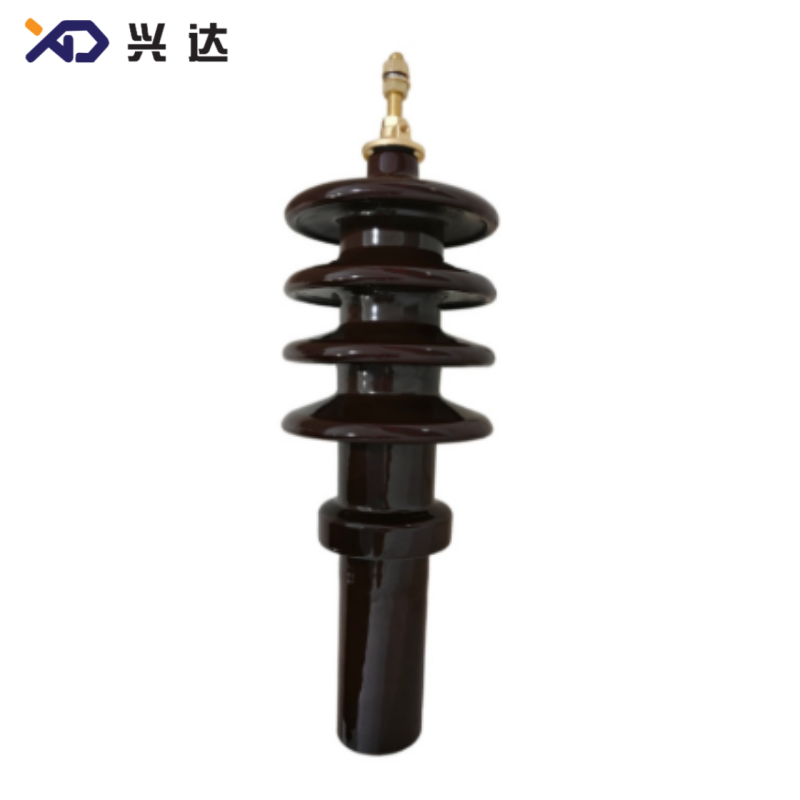
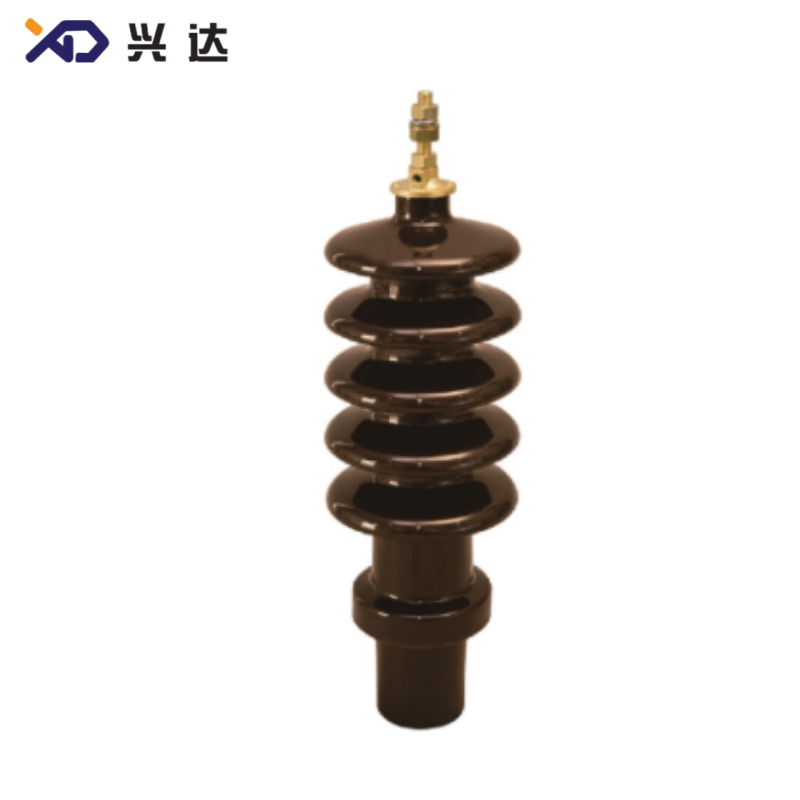
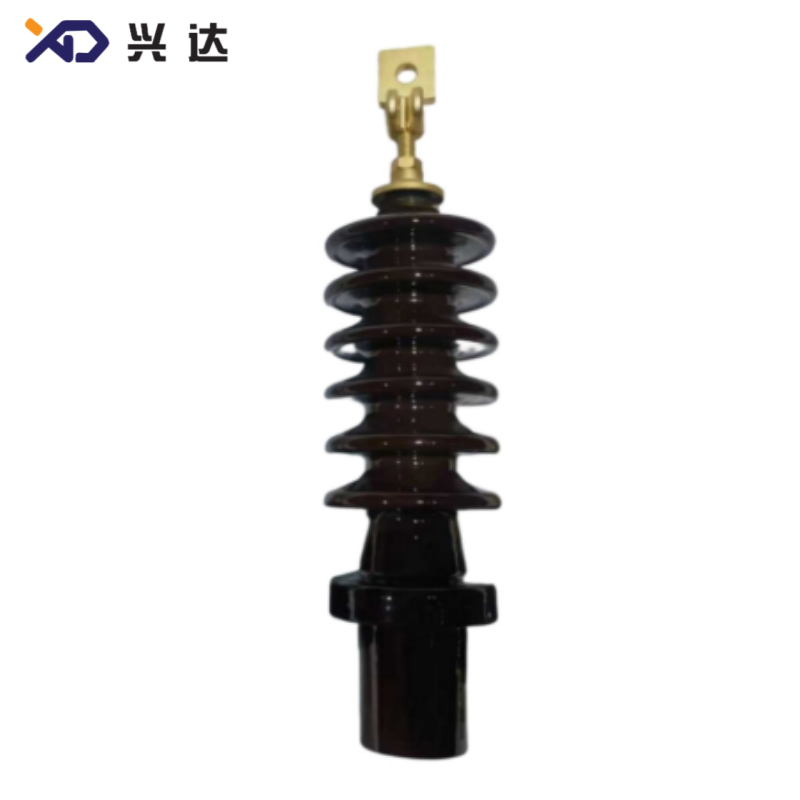
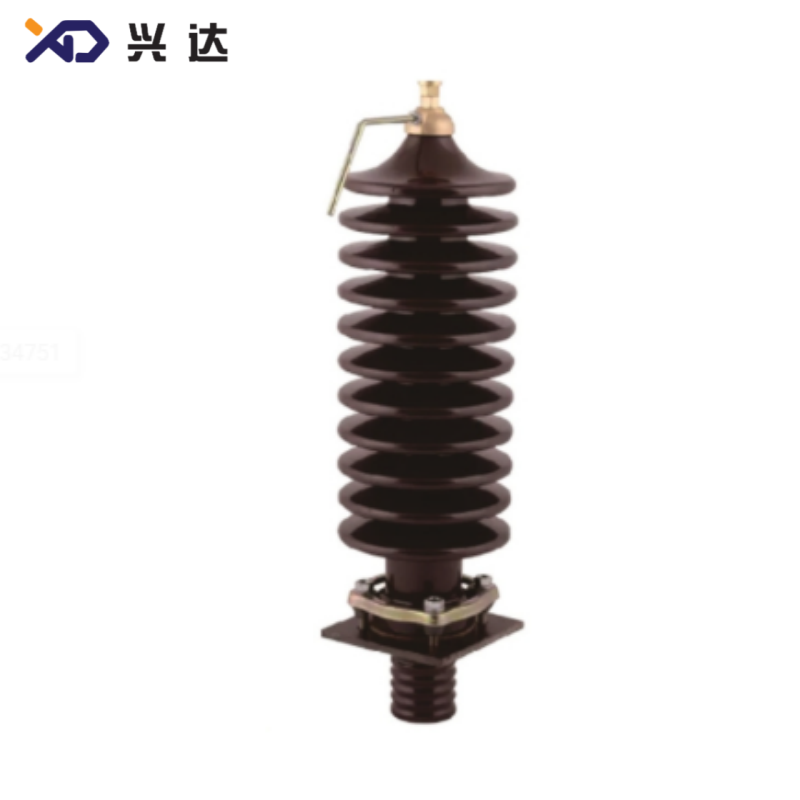
High Voltage EN Transformer Bushing: Structure, Operating Mechanism and Operational Specifications
1. Basic Overview of High Voltage EN Transformer Bushing
High voltage EN-standard transformer bushings are core insulating and current-carrying components specially designed for European high-voltage transmission and substation systems, applicable to 11kV, 33kV, 66kV, 110kV and above oil-immersed power transformers. Different from conventional medium and low-voltage bushings, high-voltage EN bushings comply strictly with EN 60137:2017 and CENELEC unified manufacturing standards, adopting graded insulation structure and high-strength dielectric design to adapt to long-term strong alternating electric field operation. As key penetration components of transformer tank walls, they undertake critical functions including high-voltage electrical isolation, stable load current conduction and transient overvoltage resistance, serving as the primary insulation barrier between transformer internal windings and external power grid lines.
Operating in open outdoor environments throughout the year, high voltage EN transformer bushings withstand far more severe operating stresses than ordinary low-voltage equipment, including continuous high electric field polarization, alternating temperature cycle impact, outdoor multi-source pollution erosion and lightning surge voltage shock. Long-term complex operating conditions easily cause electric field distortion, insulation performance attenuation, surface hydrophobicity degradation and structural aging defects. According to European power grid operation statistics, hidden faults of high-voltage bushings are the leading cause of high-level transformer trip accidents and regional power supply abnormalities. Therefore, mastering standardized structural characteristics, operating mechanisms and strict operational specifications is the core premise to ensure long-term safe, stable and compliant operation of high-voltage EN transformer bushings in European power systems.
2. Core Structure, Operating Mechanism and Typical Defect Principles
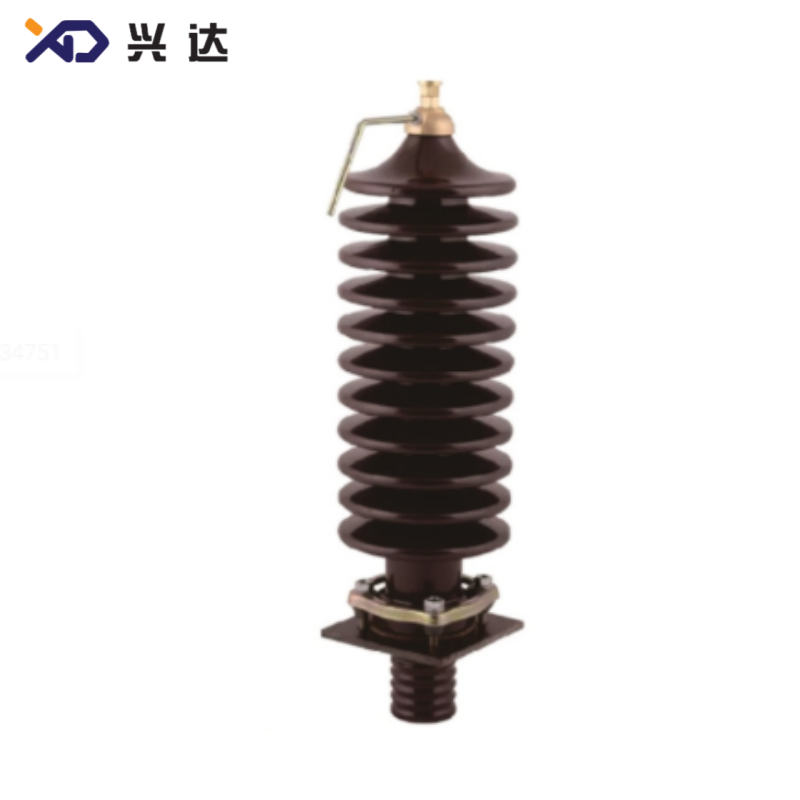
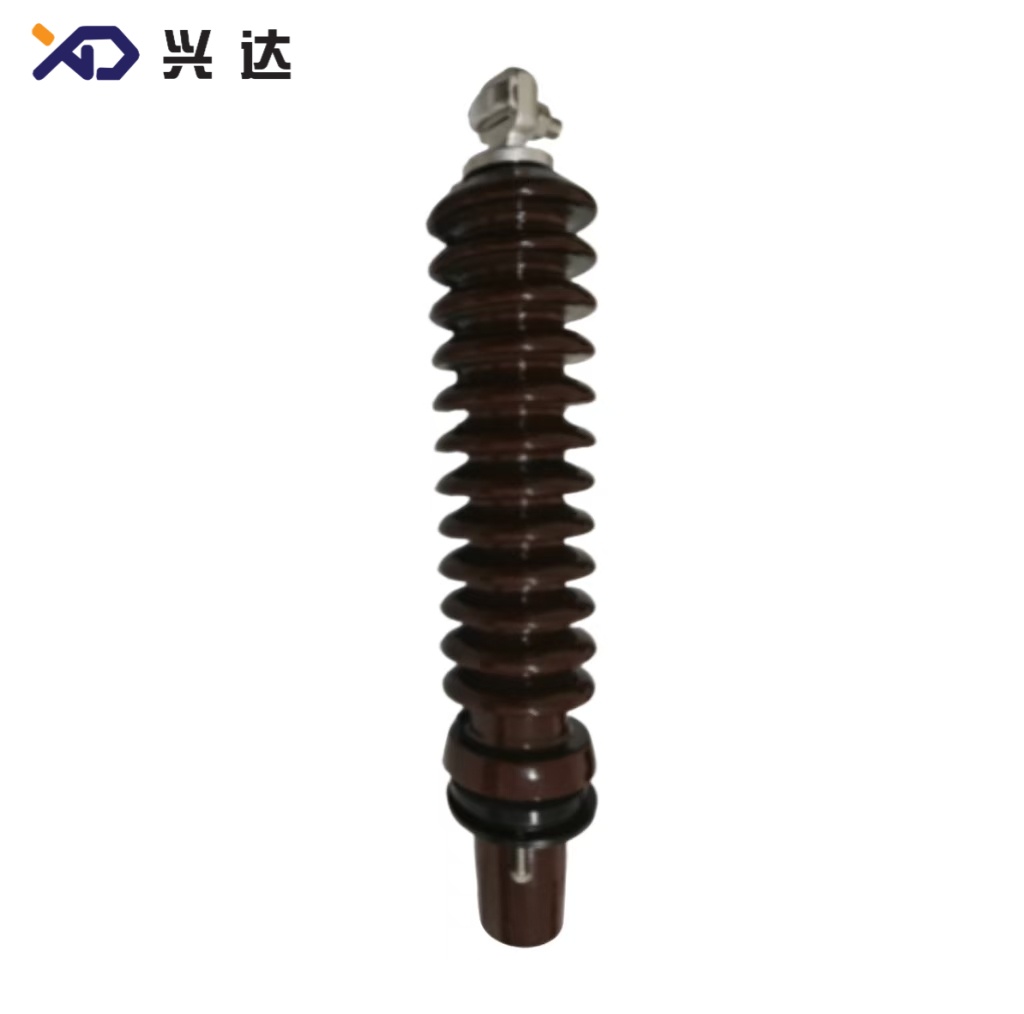
High voltage EN transformer bushings adopt two mainstream certified structural forms in line with EU electrical equipment standards: high-strength porcelain insulation type and epoxy resin composite insulation type. The overall structure consists of oxygen-free copper conductive rod, vacuum-impregnated internal graded insulation medium, multi-stage anti-pollution umbrella skirt, metal mounting flange and fully sealed anti-moisture assembly. All structural dimensions, insulation matching and mechanical strength parameters are calibrated according to EN high-voltage specifications, realizing uniform electric field distribution and hierarchical pressure resistance for high-voltage operating scenarios.
The internal conductive rod adopts high-purity oxygen-free copper material with low resistivity and excellent thermal stability, which can continuously carry rated high load current without local overheating, ensuring stable conductive performance under long-term full-load and overload transient conditions. The core insulation layer uses vacuum pressure impregnated (VPI) oil-paper composite or high-density epoxy resin medium. Through professional defoaming, curing and pressure stabilization treatment, internal micro gaps and bubble defects are completely eliminated, effectively avoiding internal partial discharge and dielectric breakdown caused by high-strength electric field concentration.
The external multi-stage staggered umbrella skirt structure is the key anti-flashover design for high-voltage operation. EN standards uniformly regulate umbrella skirt spacing, extension width and overall creepage ratio of high-voltage bushings. The layered umbrella skirt structure can effectively block the continuous diffusion of surface damp conductive layers, greatly extend effective creepage distance, and significantly improve anti-pollution flashover capability under humid and polluted working conditions. The bottom multi-layer sealing assembly adopts aging-resistant rubber gaskets and metal compression locking structure, which completely isolates external humid air, salt spray and corrosive dust from invading internal insulation medium, preventing insulation performance degradation caused by internal moisture absorption and insulating oil deterioration.
Different from medium and low-voltage bushings, high-voltage EN bushings adopt optimized graded insulation mechanism. The insulation thickness and dielectric strength are reasonably distributed according to electric field gradient, which effectively improves overall electric field uniformity, suppresses local electric field distortion at structural gaps and flange joints, and fundamentally enhances high-voltage endurance and long-term aging resistance of equipment. Long-term high electric field operation will cause gradual polarization aging of insulating materials, resulting in increased dielectric loss and rising leakage current, which is the basic operating aging mechanism of high-voltage bushings.
Typical in-service defects of high-voltage EN bushings mainly include surface pollution flashover, internal partial discharge aging, sealing failure and structural damage. Surface pollution deposition forms uneven conductive medium layers under humid conditions, inducing creeping discharge and instantaneous flashover; internal tiny defects continuously generate partial discharge under high electric field, gradually eroding insulation medium and causing irreversible performance attenuation; long-term environmental alternating load leads to sealing aging and structural looseness, further triggering secondary electrical faults.
3. High Voltage Bushing Standard Operating Parameter & Specification Table
Operation Inspection Item | EN Standard Technical Specification & Operating Requirements |
Applicable Voltage Level | 11kV / 33kV / 66kV / 110kV EN-standard high-voltage transformer bushings |
Operating Ambient Temperature | 5℃–40℃; prohibit long-term operation under freezing and high-temperature overheating conditions |
Ambient Humidity Limit | ≤85% RH (non-condensing); prohibit operation under continuous condensation, rainy and foggy weather |
Allowable Electric Field Load | Comply with EN 60137 graded electric field distribution standard, no local electric field overload distortion |
Permissible Partial Discharge Level | No abnormal partial discharge under rated operating voltage, discharge quantity meets EN standard threshold |
Surface Creepage Distance Requirement | Match voltage level and pollution grade, sufficient margin for anti-flashover protection |
Routine Inspection Cycle | Daily visual patrol + quarterly routine performance test |
Comprehensive Performance Test Cycle | Annual full electrical & mechanical performance calibration; semi-annual test for heavy pollution areas |
Qualified Operating Index | Stable insulation resistance, complete hydrophobicity, zero abnormal discharge, intact structural sealing |
4. FAQ (Frequently Asked Questions)
1. What is the essential difference between high-voltage and medium-low voltage EN transformer bushings?
High-voltage EN bushings adopt graded insulation structure and optimized electric field design, with stricter dielectric strength, partial discharge control and creepage distance standards. They can adapt to long-term strong electric field operation and transient overvoltage impact. Medium and low-voltage bushings have simple insulation structure, lower electric field tolerance and weaker anti-pollution flashover capability. Tiny pollution, micro moisture and minor structural defects that do not affect low-voltage operation will cause serious discharge and flashover faults on high-voltage bushings, leading to transformer outage accidents.
2. Why do high-voltage bushings have stricter ambient operating limits?
High-voltage bushings operate in high-density alternating electric fields for a long time. Extreme temperature will accelerate insulation medium aging and coating failure; condensed high humidity will form continuous conductive water film on the surface, which sharply reduces surface insulation resistance and induces high-voltage creeping flashover. Strict temperature and humidity limits can effectively avoid electric field distortion and performance attenuation caused by environmental factors, ensuring the long-term operational stability of high-voltage insulation systems.
3. What are the early warning signs of high-voltage bushing aging failure?
Typical early warning signs include continuous rising leakage current, intermittent partial discharge alarm, surface hydrophobicity decline with easy water film adhesion, slight oil seepage at sealing parts, and local discoloration and aging of umbrella skirts. When the above abnormal phenomena occur, the bushing has entered the aging attenuation stage, and targeted maintenance, cleaning and performance testing must be carried out immediately to prevent sudden insulation breakdown faults.
4. How does pollution affect the operating safety of high-voltage bushings?
Surface pollutants form uneven low-resistance dielectric layers under humid conditions, which greatly shorten the effective creepage distance of high-voltage bushings. Under rated high voltage, creeping discharge develops rapidly along the polluted surface, eventually forming through flashover. Long-term pollution erosion will also cause irreversible damage to insulation material molecular structure, resulting in continuous decline of dielectric performance and gradual deterioration of partial discharge, seriously threatening the safe operation of high-voltage transformers and power grids.
5. What are the key points of daily standardized operation management for high-voltage bushings?
Daily management focuses on ambient condition control, apparent defect inspection and operating parameter monitoring. Keep the operating environment within standard temperature and humidity range, prohibit non-compliant operation in extreme weather; regularly check surface cleanliness, umbrella skirt integrity and sealing tightness; real-time monitor leakage current and partial discharge data. Formulate hierarchical inspection cycles according to regional pollution grades, and complete regular performance calibration and maintenance filing to realize full-life standardized operation management of high-voltage EN transformer bushings.
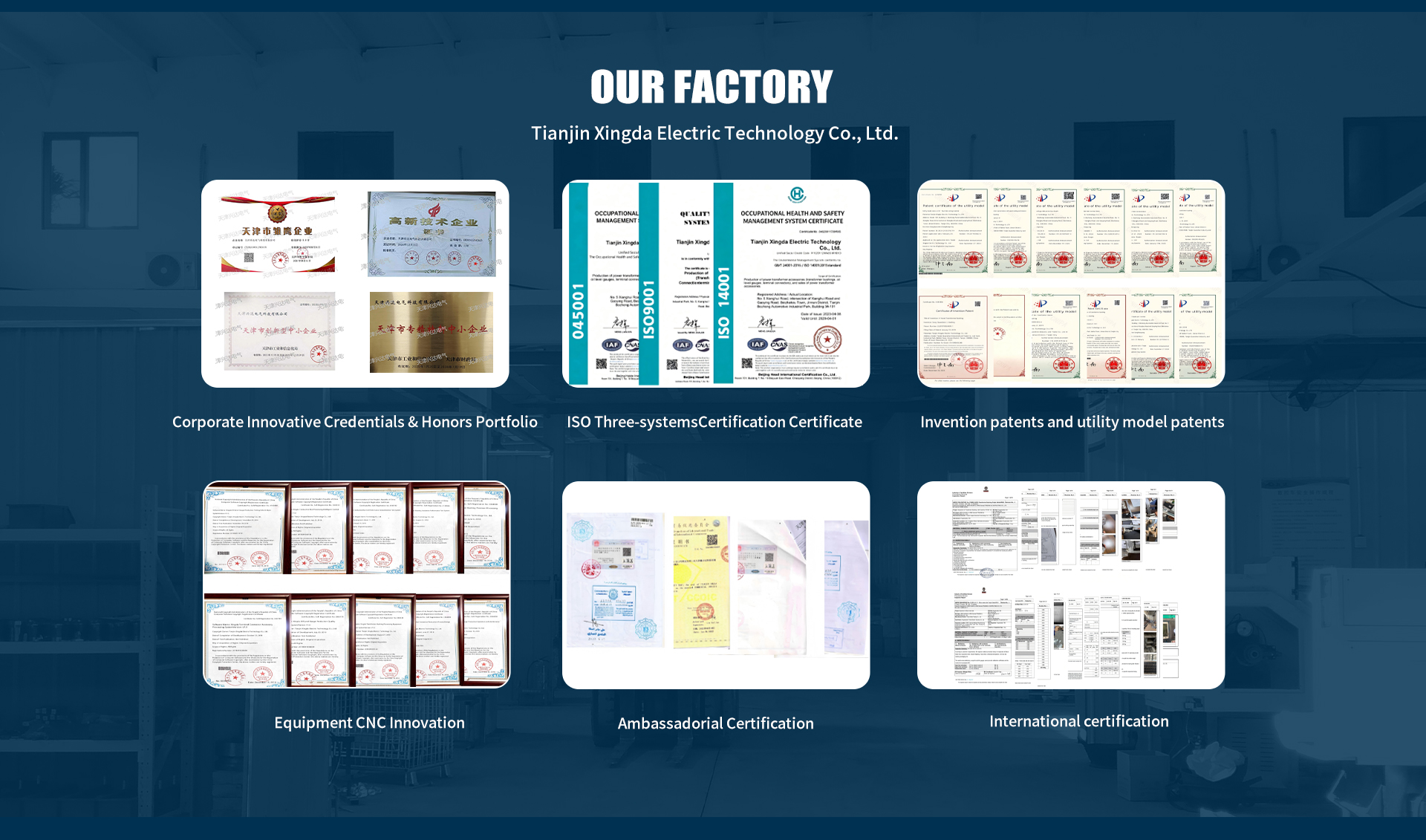
5.Certifications
Categories
Contact Us
Contact: Tianjin Delda Trading Co., Ltd
WhatsApp: +86 13662056855
Tel:
E-mail: solomon20210701@tjxddq.com
Add: Unit‑101, Workshop 3, Bozhong Automobile Industrial Park, No.5 Xianghui Road, Intersection of Xianghui Road and Gaoying Road, Beizhakou Town, Jinnan District, Tianjin, China