ANSI Bushing
Transformer Bushing Types and Applications Explained
Transformer bushings are indispensable insulating components that enable energized conductors to pass safely through grounded transformer tanks and substation equipment enclosures. Serving as critical interfaces between internal transformer windings and external power circuits, transformer bushings isolate high-voltage live parts from grounded metallic structures while providing mechanical support, sealing protection, and stable current transmission. With diverse structural designs, insulating materials, and voltage grades, different transformer bushing types fit distinct operating environments, equipment configurations, and power system requirements. Understanding transformer bushing types and applications helps electrical engineers, procurement teams, and maintenance personnel select the correct bushing for distribution transformers, power transformers, reactors, and industrial electrical systems, ensuring long-term operational safety and insulation stability.
Transformer bushings can be classified according to insulating material, voltage level, internal insulation structure, and connection type. Each classification corresponds to unique performance characteristics, environmental adaptability, and applicable scenarios. No single bushing type can meet all power system conditions, making targeted selection essential for avoiding premature aging, flashover faults, oil leakage, and partial discharge issues. This article elaborates on mainstream transformer bushing types, core features, and practical engineering applications to support standardized equipment specification and system design.
Classification by Insulation Material: Porcelain vs Resin Transformer Bushings
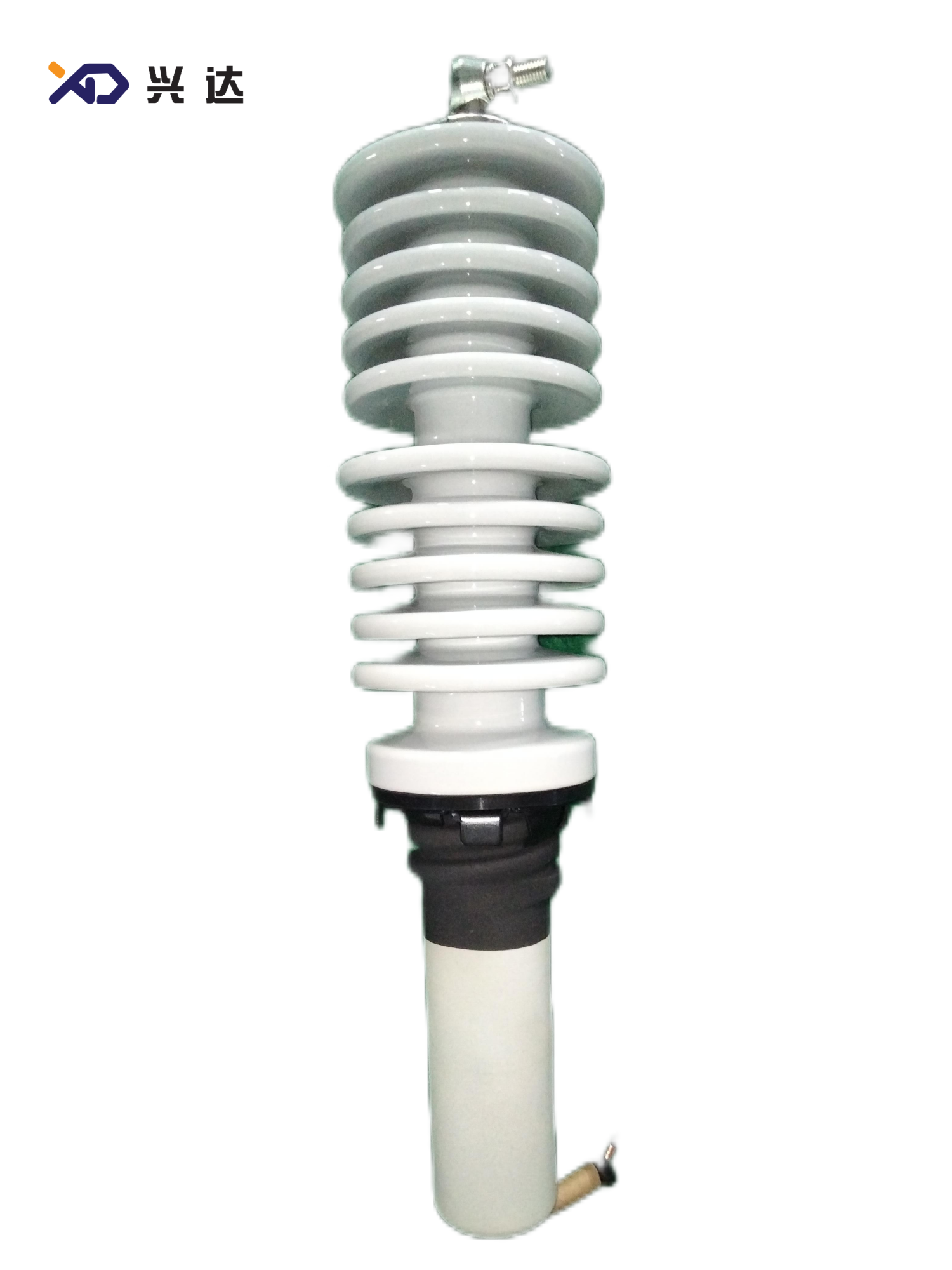
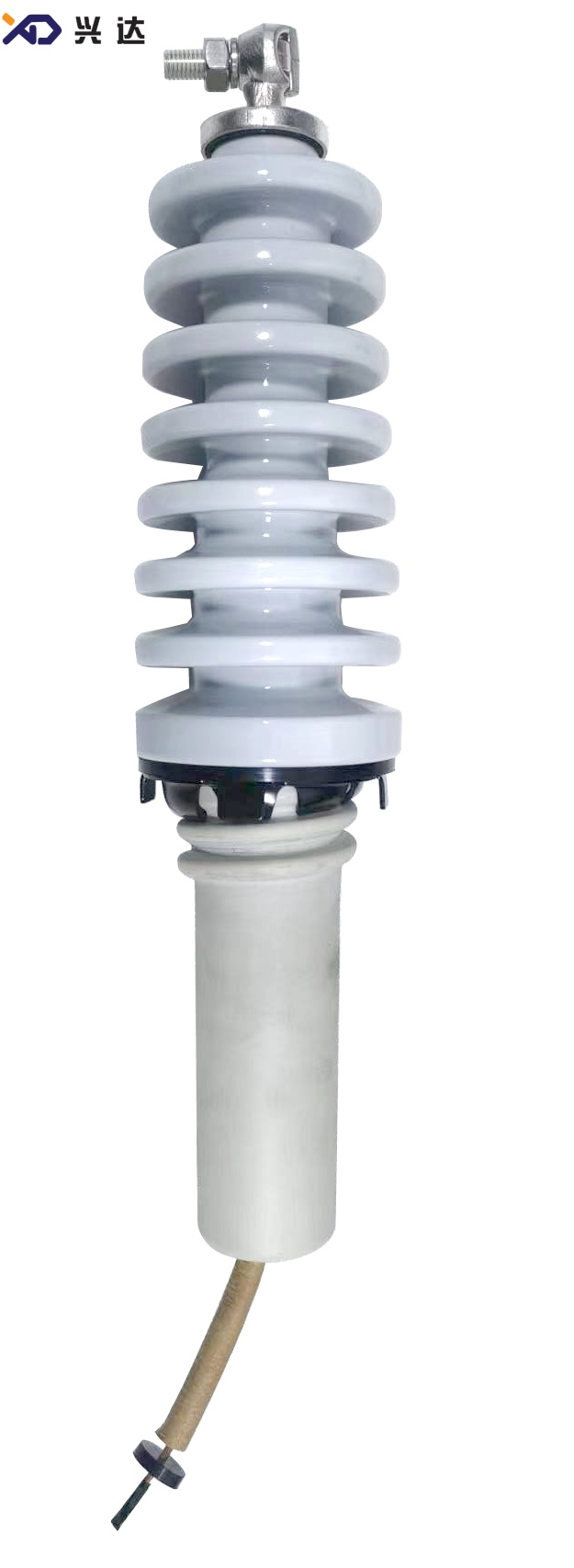
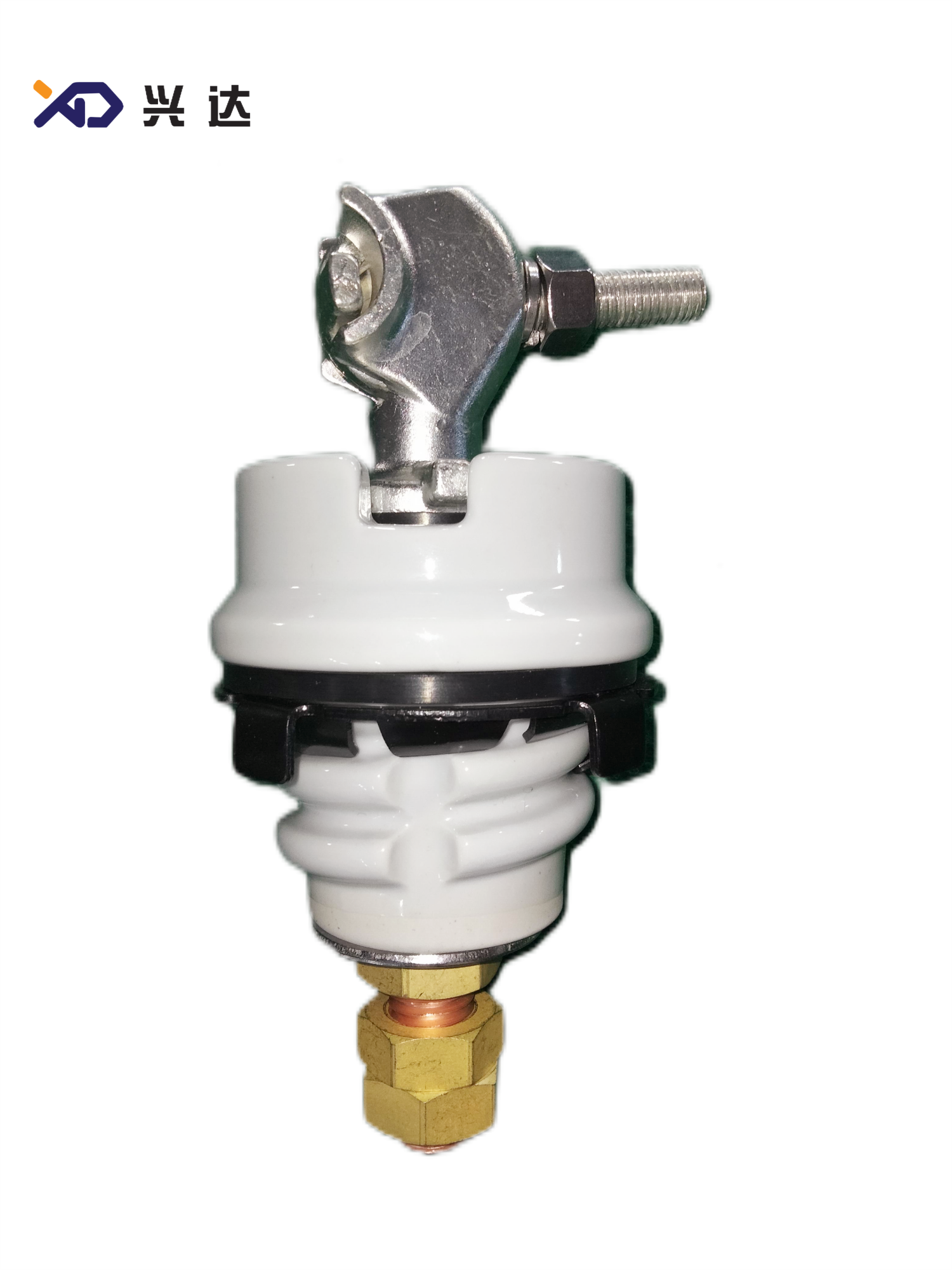
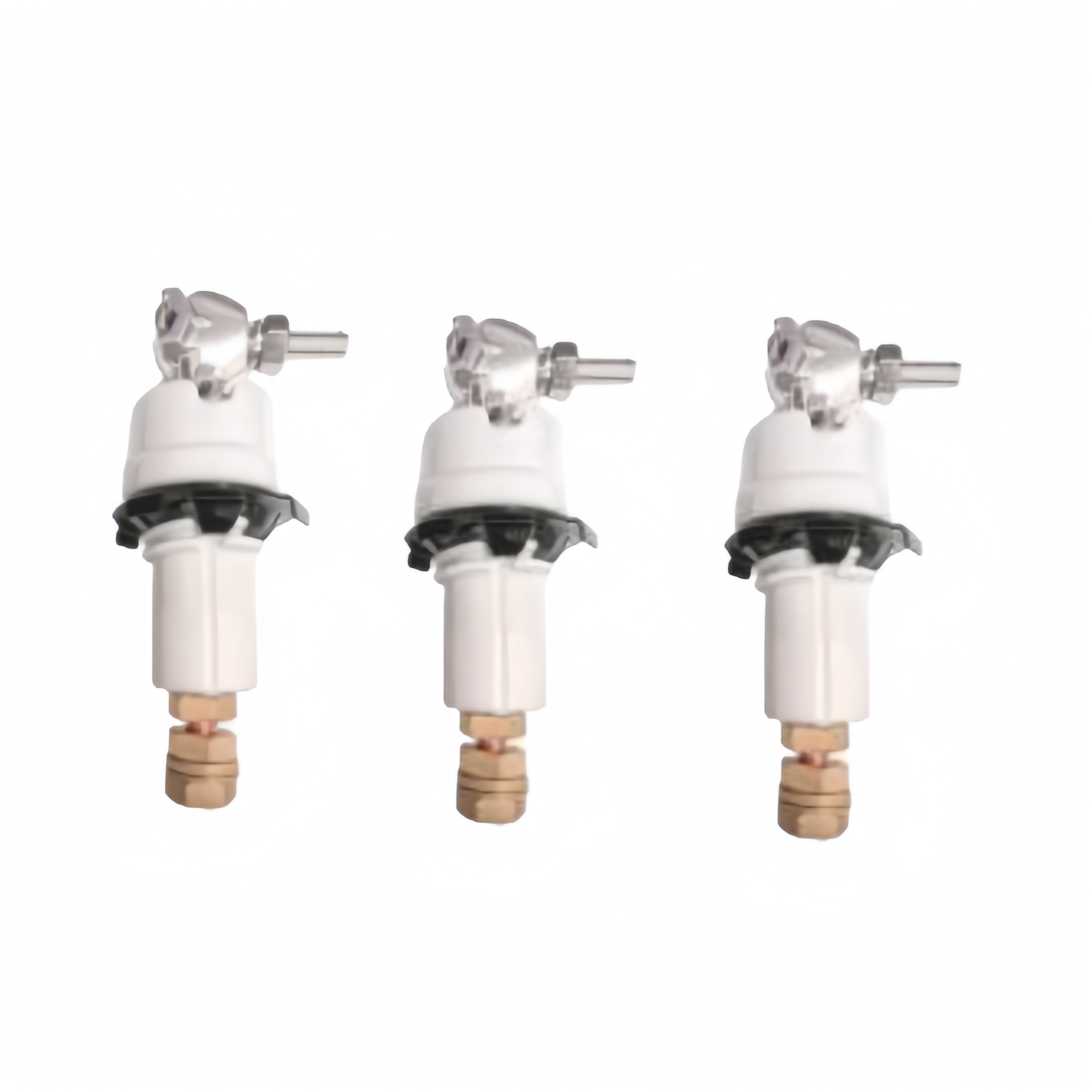
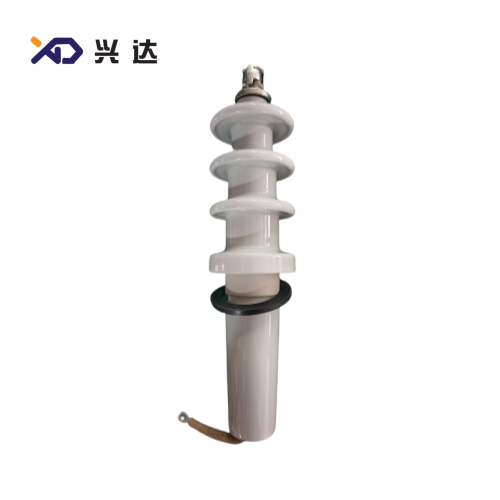
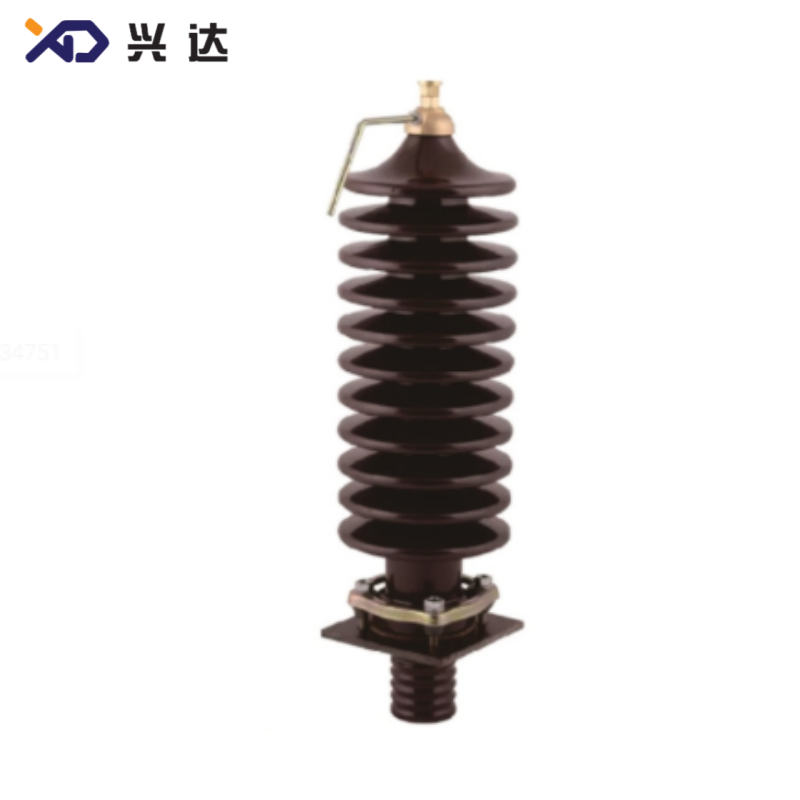
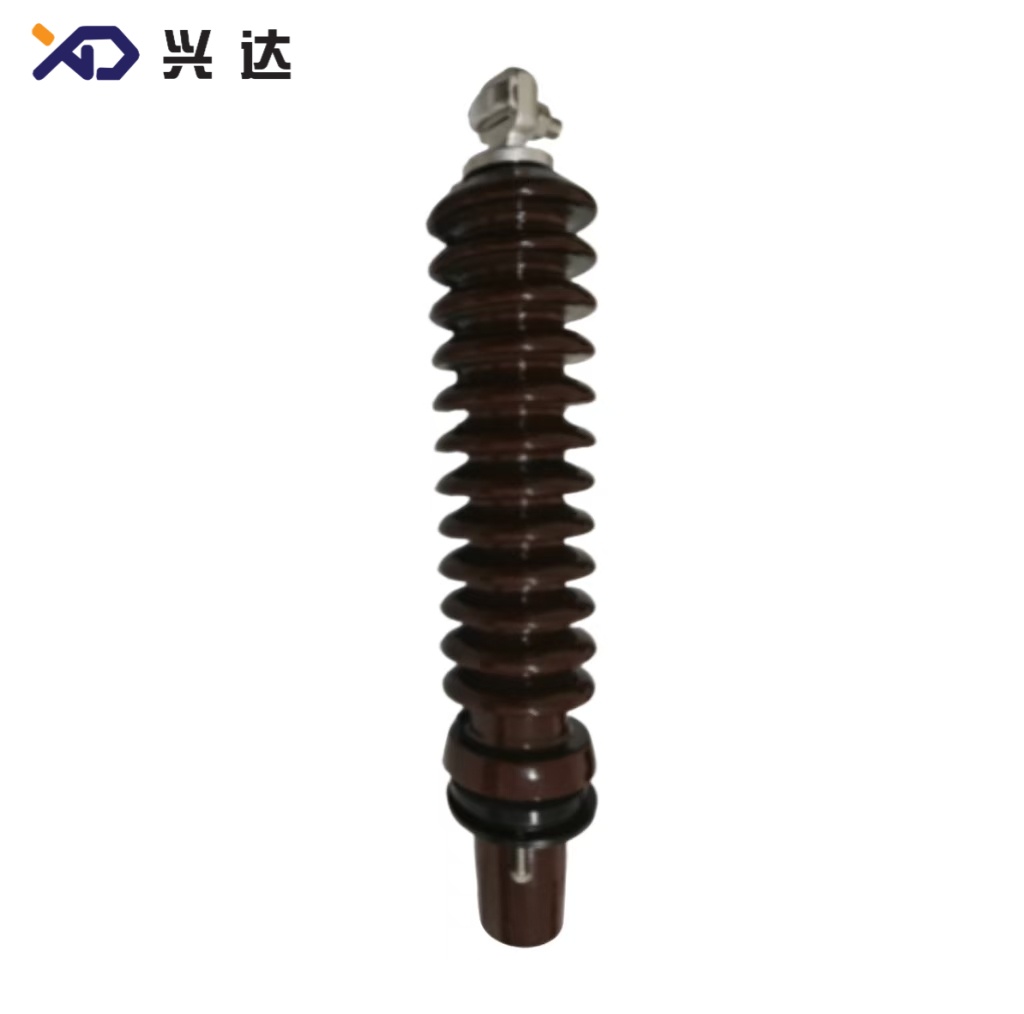
The most common industry classification divides transformer bushings into porcelain bushings and epoxy resin bushings, two mainstream types widely used in modern distribution and industrial transformers. Porcelain transformer bushings are the traditional and most mature type, featuring high-strength glazed ceramic outer shells with multi-shed structures. Porcelain materials deliver excellent dielectric stability, ultraviolet resistance, and anti-pollution performance, with strong tolerance to outdoor temperature changes, dust accumulation, and salt fog erosion. The smooth glazed surface effectively reduces pollutant adhesion and maintains stable creepage distance under long-term outdoor exposure.
Due to their superior environmental adaptability, porcelain transformer bushings are primarily applied in outdoor substations, overhead distribution transformers, coastal power grids, and heavy industrial pollution zones. Their rigid mechanical structure resists slight external impact and vibration, making them ideal for long-term unattended outdoor operation. The only limitation is brittleness; porcelain bushings may crack under severe mechanical collision or excessive pressure.
Epoxy resin transformer bushings are lightweight, compact alternatives designed for modern compact electrical equipment. Manufactured through integral casting technology, resin bushings feature integrated structures without gaps, providing outstanding shock resistance, crack resistance, and hydrophobic performance. Unlike porcelain bushings, epoxy resin types are lightweight and easy to transport, install, and replace, reducing construction difficulty during transformer production and on-site maintenance.
Epoxy resin transformer bushings are mainly used for indoor transformers, cable box-type transformers, and compact pad-mounted transformer units. Their smooth, seamless surface avoids dust accumulation and improves indoor insulation safety. However, long-term strong ultraviolet radiation will gradually accelerate resin aging, limiting their large-scale application in long-term open-air outdoor environments.
Classification by Voltage Level: Low Voltage and Medium Voltage Transformer Bushings
According to system voltage grades, transformer bushings are categorized into low voltage and medium voltage types, covering almost all conventional distribution transformer application scenarios. Low voltage transformer bushings are designed for 0.4kV to 3kV systems, focusing on safe current conduction and basic insulation protection. These bushings feature simple structures, small sizes, and flexible installation methods, commonly used for low-voltage side wiring of oil-immersed distribution transformers and industrial power transformers. Their core function is to ensure stable large-current transmission and prevent low-voltage short-circuit faults caused by insulation failure.
Medium voltage transformer bushings cover 12kV, 24kV, and 36kV voltage classes, which are the most widely used types in urban and rural power distribution networks. Medium voltage bushings adopt optimized shed structures and enhanced insulation thickness to withstand higher system voltage and lightning impulse overvoltage. Equipped with standardized creepage designs, these bushings adapt to humid, polluted, and high-altitude environments, effectively suppressing surface leakage current and flashover risks. Medium voltage transformer bushings are universally applied in grid-connected distribution transformers, new energy station step-up transformers, and industrial substation equipment.
Classification by Connection Structure: Open Type and Plug-In Type Bushings
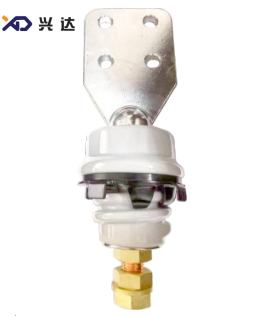
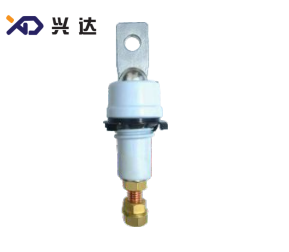
Based on external connection methods, transformer bushings are divided into open type and plug-in type structures, adapting to different transformer wiring designs. Open type transformer bushings are equipped with exposed flag terminals or threaded stud terminals for direct overhead cable connection. This type features simple wiring, convenient maintenance, and excellent heat dissipation performance, suitable for traditional open-type transformers widely used in rural power grids and outdoor overhead distribution systems. Open terminals allow intuitive inspection of connection tightness and thermal conditions during daily maintenance.
Plug-in transformer bushings are fully enclosed modular structures matching separable cable connectors. With completely insulated external terminals, plug-in bushings eliminate exposed live parts, improving construction safety and preventing accidental electric contact faults. This type is specially designed for fully enclosed cable box transformers and indoor compact power equipment, widely used in urban dense power distribution areas, commercial building power supply systems, and industrial closed substations.
Special Application Types: Anti-Pollution and High-Altitude Transformer Bushings
In addition to conventional types, special customized transformer bushings include extended creepage anti-pollution bushings and high-altitude adaptive bushings. Anti-pollution transformer bushings adopt enlarged shed spacing and longer creepage distance, capable of resisting salt fog, chemical corrosion, and heavy industrial dust. They are essential for coastal power projects, chemical industrial zones, mining areas, and other harsh environments where standard bushings cannot maintain long-term stable insulation performance.
High-altitude transformer bushings are optimized for low air density environments above 1000 meters. By increasing external insulation distance and improving electric field distribution, these bushings compensate for reduced air insulation strength at high altitudes, effectively avoiding corona discharge and high-altitude flashover faults. They are widely used in plateau power grid construction and mountain substation projects.
Conclusion
Different types of transformer bushings are developed to match diverse voltage levels, installation environments, and equipment structures. Porcelain and resin bushings serve outdoor and indoor scenarios respectively, while open and plug-in types adapt to different wiring modes. Low and medium voltage bushings cover conventional power distribution demands, and special anti-pollution and high-altitude models solve harsh environment operation challenges. Reasonable classification and accurate selection of transformer bushing types directly improve transformer operational stability, reduce maintenance frequency, and extend equipment service life, forming a reliable foundation for safe and efficient operation of power distribution systems.
Categories
Contact Us
Contact: Tianjin Delda Trading Co., Ltd
WhatsApp: +86 13662056855
Tel:
E-mail: solomon20210701@tjxddq.com
Add: Unit‑101, Workshop 3, Bozhong Automobile Industrial Park, No.5 Xianghui Road, Intersection of Xianghui Road and Gaoying Road, Beizhakou Town, Jinnan District, Tianjin, China