ANSI Bushing
How to Choose the Right Transformer Bushing for Power Systems
Selecting the right transformer bushing is one of the most critical decisions in power system design, transformer manufacturing, and equipment retrofitting projects. As a key insulating and current-carrying component, the transformer bushing directly determines the operational safety, insulation stability, and service life of oil-immersed transformers, distribution substations, and industrial power equipment. A mismatched transformer bushing can lead to frequent surface flashover, terminal overheating, oil leakage, partial discharge, and even unplanned power outages, bringing huge economic losses and hidden safety hazards to power distribution systems. Therefore, electrical engineers and procurement professionals must follow systematic selection criteria to match the most suitable transformer bushing according to voltage grade, operating environment, equipment structure, and load demands.
Power system transformer bushing selection is not a simple model matching process. It requires comprehensive consideration of standardized parameters, environmental adaptability, structural compatibility, and long-term operational stability. Blindly choosing low-cost or universal bushings often results in poor equipment compatibility and shortened service cycles. This article explains the complete step-by-step guide to choosing the right transformer bushing for various power system scenarios, covering core selection factors, material matching rules, structural selection standards, and practical engineering tips.
Match Bushing Parameters with System Voltage and Current Ratings
The first and most fundamental selection principle is to align transformer bushing electrical parameters with the actual power system operating parameters, including rated voltage, rated current, and basic insulation level. Voltage grade matching directly affects the external insulation performance and overvoltage resistance capability of the bushing. For conventional European distribution power systems, 12kV, 24kV, and 36kV medium voltage transformer bushings correspond to different substation and distribution transformer applications. It is strictly prohibited to use low-voltage bushings in high-voltage systems, as insufficient insulation distance will cause continuous electric field concentration and insulation breakdown.
Rated current selection determines the current-carrying stability of the bushing under long-term load operation. Engineers need to select bushing current specifications based on the transformer’s rated capacity and maximum overload current. Common current grades include 250A, 400A, 630A, 1250A, and 3150A. A bushing with insufficient current rating will generate excessive heat during peak load periods, causing terminal oxidation, contact resistance increase, and thermal aging of internal insulation. Meanwhile, excessively oversized bushings will increase unnecessary procurement costs without bringing practical performance advantages.
In addition, the BIL (Basic Impulse Level) of the transformer bushing must match the system lightning protection design. Suitable impulse withstand voltage ensures the bushing can resist instantaneous lightning overvoltage and switching overvoltage, avoiding flashover faults in thunderstorm weather.
Select Bushing Insulation Material Based on Operating Environment
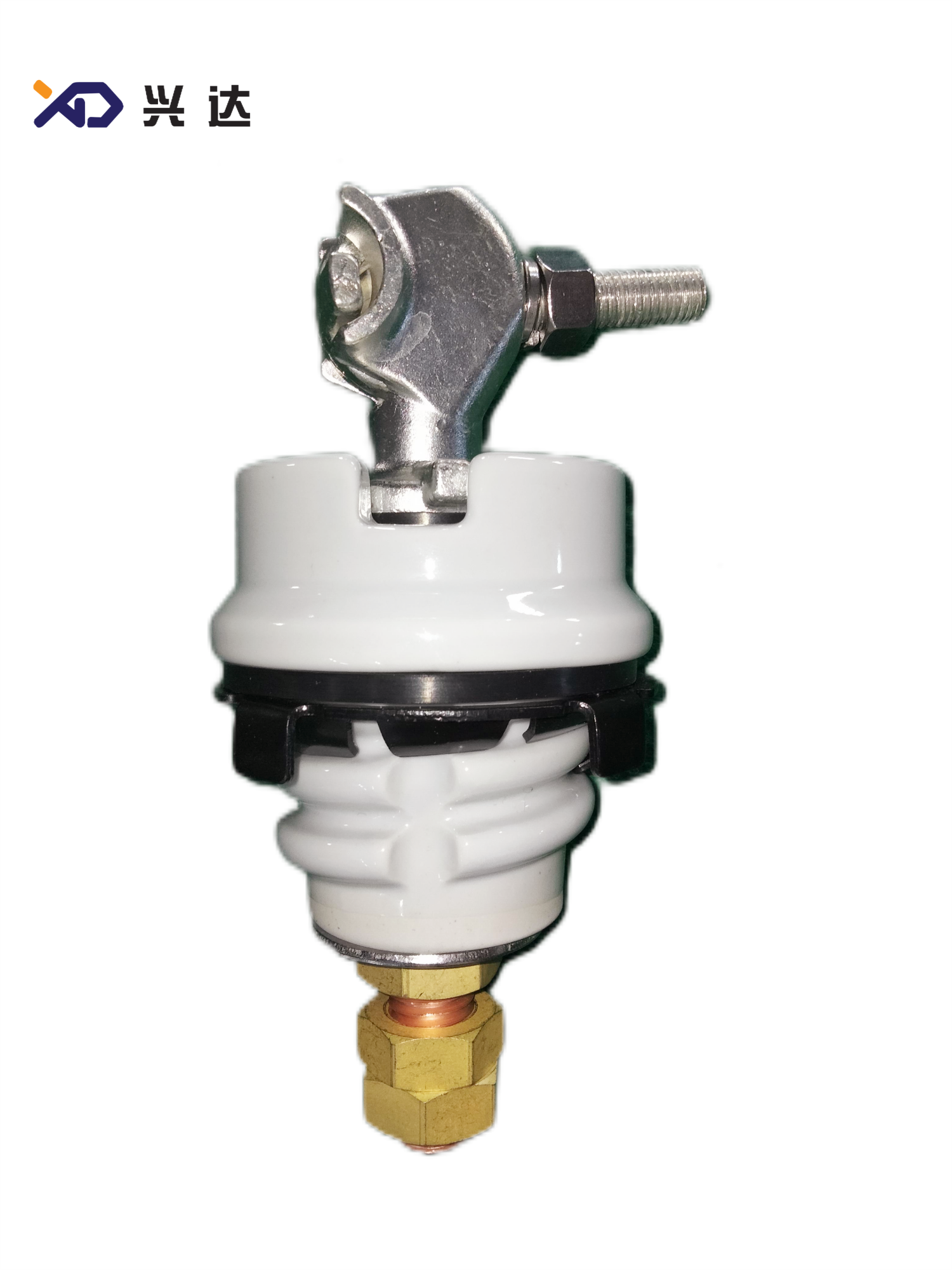
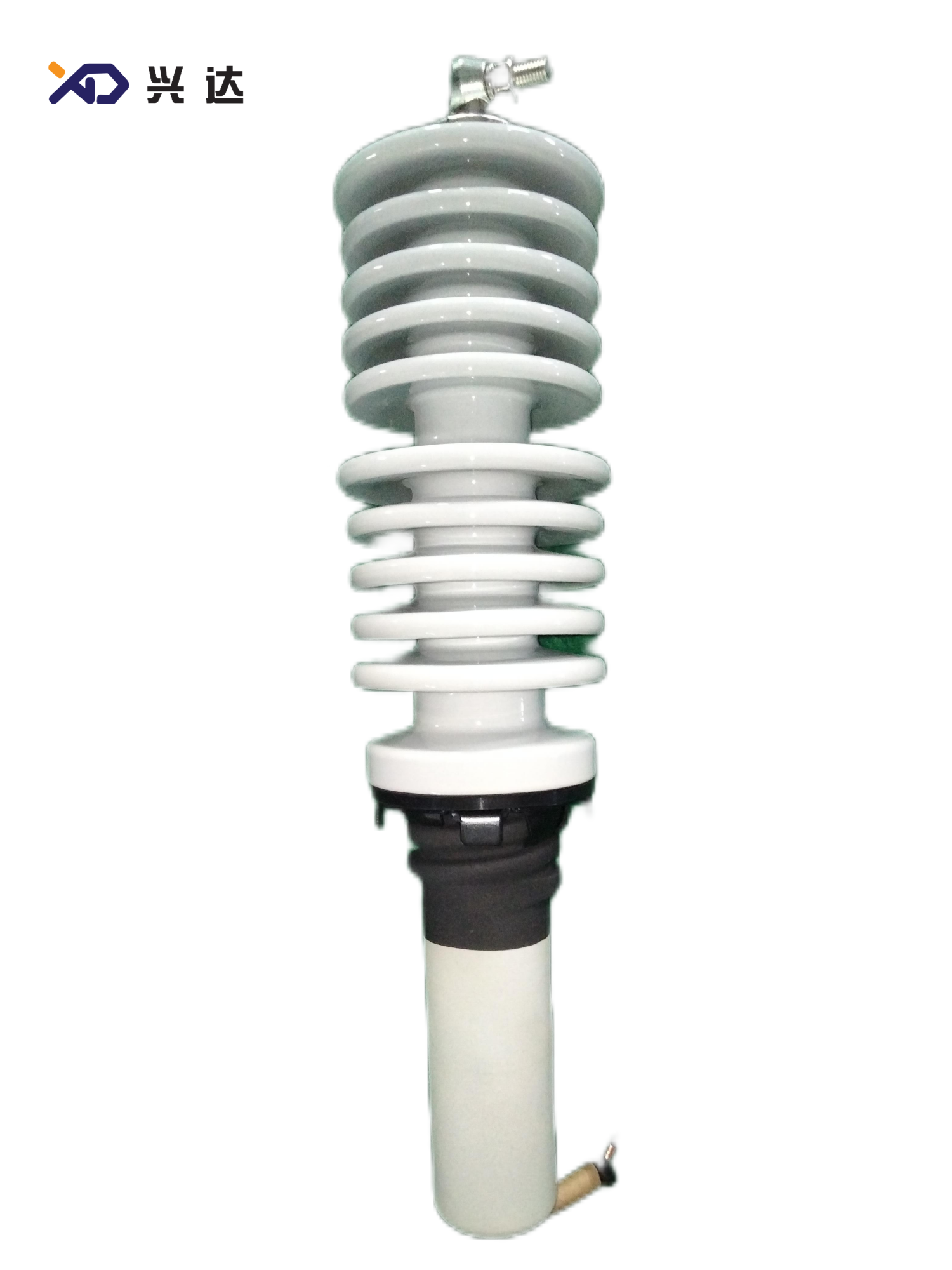
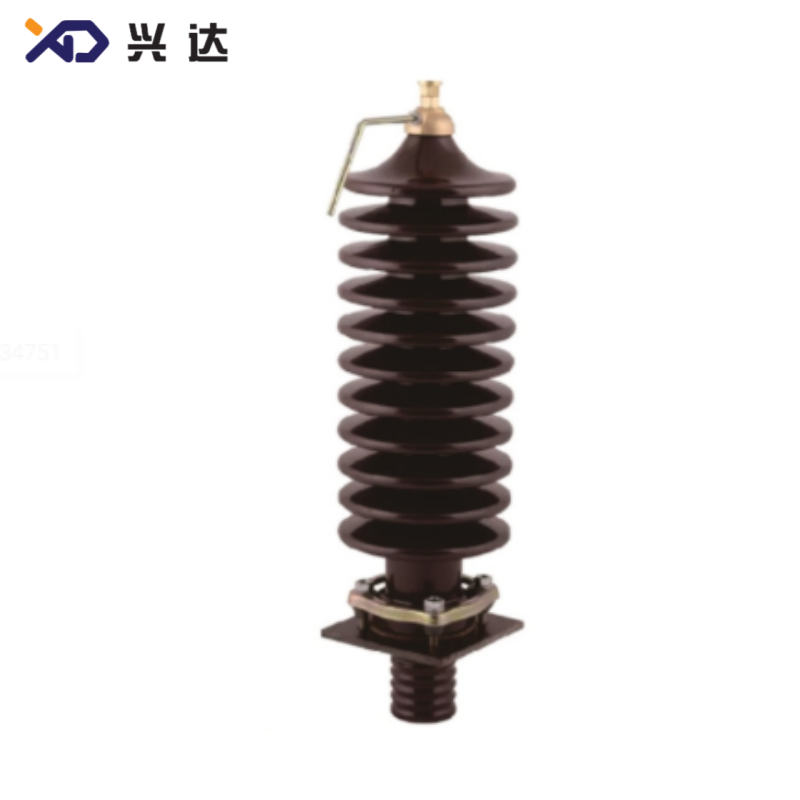
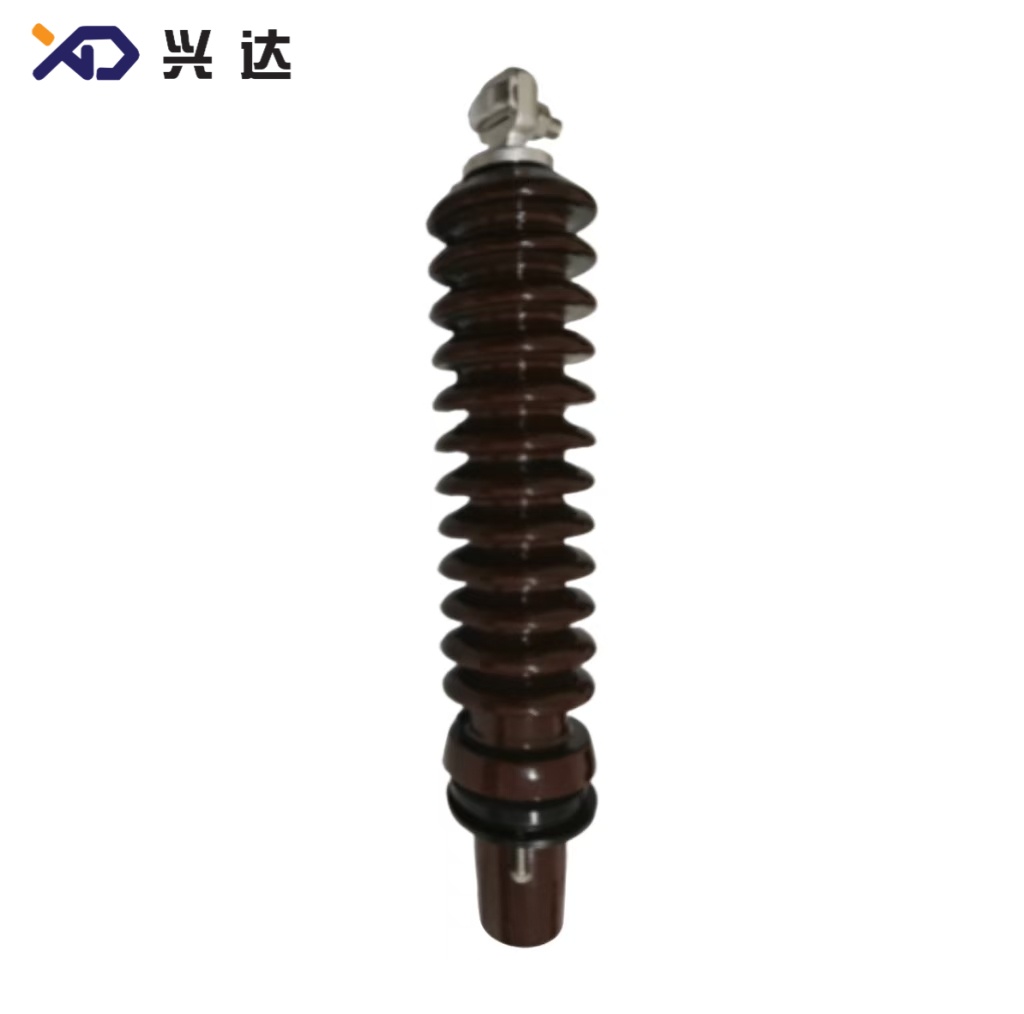
Environmental conditions are the core factor determining the choice between porcelain and epoxy resin transformer bushings. Each material has unique performance advantages and applicable scenarios, and material misselection is a common cause of premature bushing failure. Porcelain transformer bushings feature excellent UV resistance, anti-pollution stability, and aging resistance, making them the optimal choice for long-term outdoor operation. Their hard glazed surface resists salt fog corrosion, industrial dust accumulation, and extreme temperature changes, maintaining stable creepage distance and insulation performance in harsh open-air environments.
For outdoor substations, overhead distribution transformers, coastal power grids, and heavy industrial pollution areas, porcelain transformer bushings are always the preferred option. Although porcelain materials are brittle and prone to cracking under strong impact, their overall environmental adaptability far exceeds resin materials in outdoor scenarios.
Epoxy resin transformer bushings are lightweight, compact, and impact-resistant, suitable for indoor and enclosed power equipment scenarios. The integral casting structure eliminates internal gaps, providing good hydrophobicity and anti-dust performance. They are widely used in indoor substations, cable box-type transformers, and pad-mounted compact transformers. However, epoxy resin materials are susceptible to aging and discoloration under long-term ultraviolet irradiation, so they are not recommended for long-term exposed outdoor environments. Choosing materials according to installation environments can effectively extend bushing service life and reduce maintenance frequency.
Confirm Structural Type According to Transformer Wiring Design
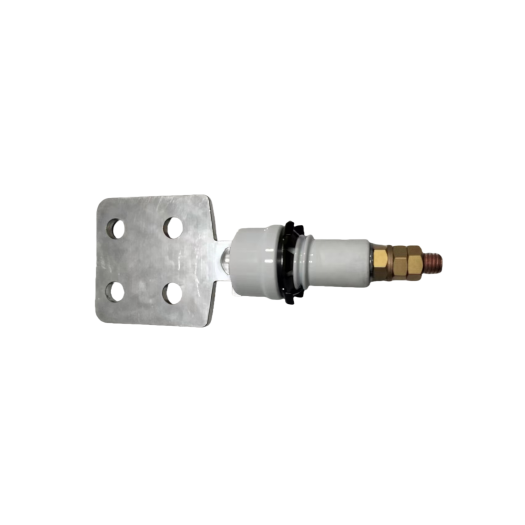
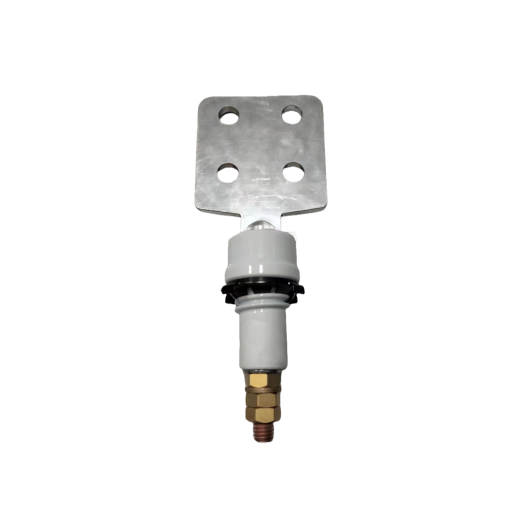
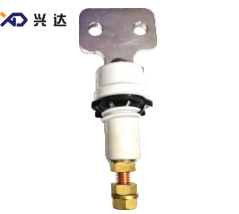
Different transformer structural designs and wiring modes require matching bushing connection types. The two mainstream structural types are open-type bushings and plug-in bushings, each with independent application ranges. Open-type transformer bushings with flag terminals or threaded stud terminals are suitable for traditional open-type transformers and outdoor overhead wiring systems. The exposed terminal design facilitates daily inspection, temperature measurement, and maintenance, with excellent heat dissipation performance during high-current operation. This structure is simple, reliable, and cost-effective, widely applied in rural power distribution networks and conventional outdoor transformer projects.
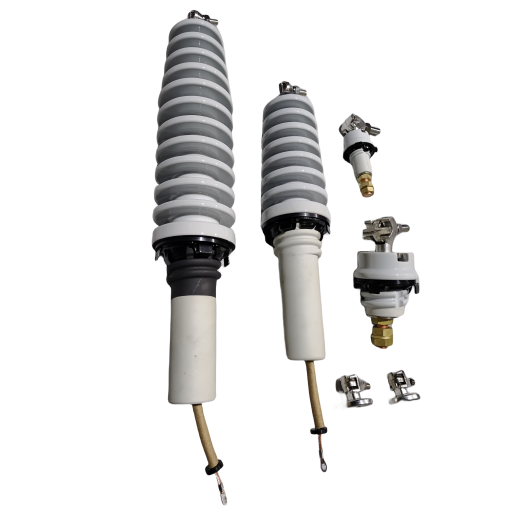
Plug-in transformer bushings adopt fully enclosed insulated structures, supporting matching separable cable connectors. Without exposed live parts, they greatly improve construction and operational safety, effectively preventing accidental electric shock and external environmental interference. This structural type is mainly used for fully enclosed cable box transformers and urban compact indoor substations, which require high safety and integration levels. Selecting the correct connection structure ensures seamless matching with transformer wiring accessories and avoids on-site installation modification.
Optimize Selection for Special Altitude and Pollution Scenarios
For power systems located in special harsh environments, standard transformer bushings cannot meet operational requirements, and customized special bushings are required. In high-altitude areas above 1000 meters above sea level, thin air reduces air insulation strength, making standard bushings prone to corona discharge and high-altitude flashover. It is necessary to select high-altitude optimized transformer bushings with extended external insulation distance and improved electric field distribution structure to compensate for reduced atmospheric insulation performance.
In heavily polluted areas such as coastal salt fog zones, chemical industrial parks, and mining dust areas, extended creepage anti-pollution transformer bushings are essential. These bushings adopt optimized shed structures and longer creepage distances, which can resist conductive pollutant accumulation and avoid wet flashover in humid weather. For ordinary urban and rural light pollution environments, standard creepage bushings can fully meet operational demands.
Verify Standard Compatibility and Interchangeability
For European power system projects, EN-standard transformer bushings must be prioritized to ensure dimensional standardization and cross-manufacturer interchangeability. Standardized flange size, mounting aperture, sealing structure, and terminal parameters enable convenient equipment replacement and later maintenance, reducing spare parts management costs. Non-standard customized bushings will cause installation mismatch and difficult later replacement, bringing long-term operational management risks to power systems.
Conclusion
Choosing the right transformer bushing for power systems requires systematic parameter matching, environmental adaptation judgment, structural type confirmation, and special scenario optimization. Engineers must prioritize voltage and current parameter accuracy, select insulation materials based on indoor and outdoor environments, match connection structures according to transformer wiring design, and deploy anti-pollution or high-altitude bushings for harsh working conditions. Scientific and standardized selection not only ensures safe and stable operation of transformers and power distribution equipment but also effectively reduces failure rates and maintenance costs, providing a solid guarantee for the reliable operation of the entire power system.
Categories
Contact Us
Contact: Tianjin Delda Trading Co., Ltd
WhatsApp: +86 13662056855
Tel:
E-mail: solomon20210701@tjxddq.com
Add: Unit‑101, Workshop 3, Bozhong Automobile Industrial Park, No.5 Xianghui Road, Intersection of Xianghui Road and Gaoying Road, Beizhakou Town, Jinnan District, Tianjin, China