ANSI Bushing
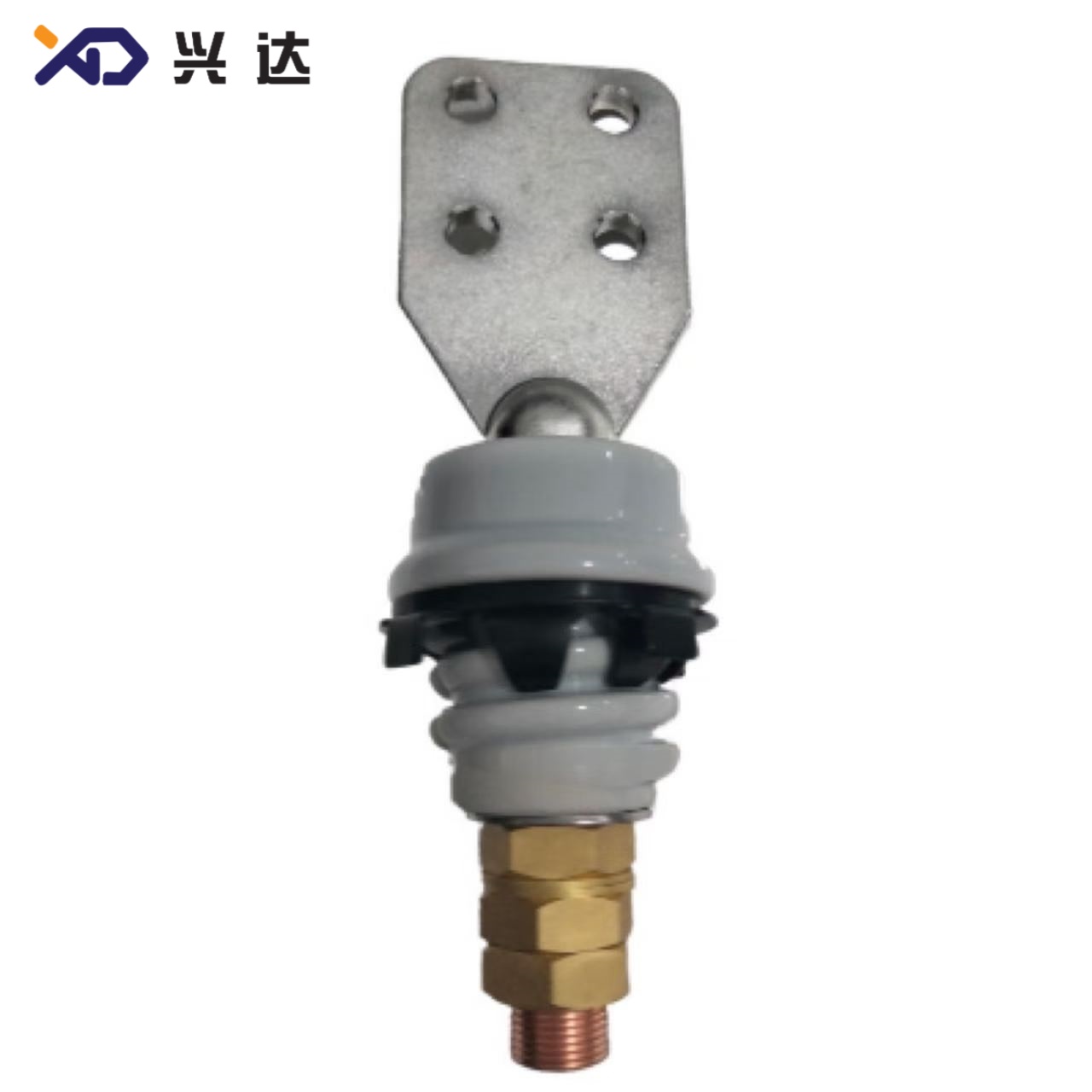
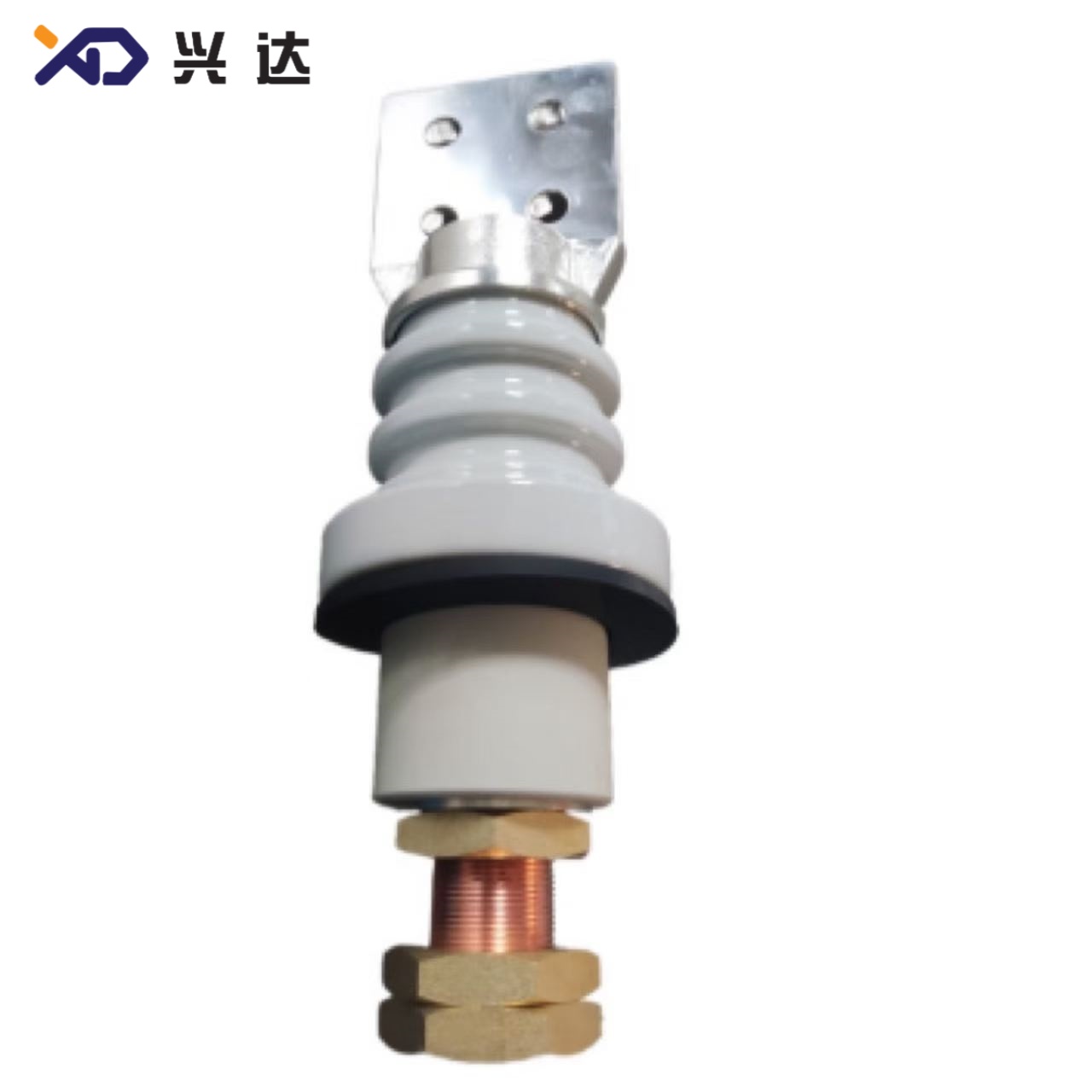
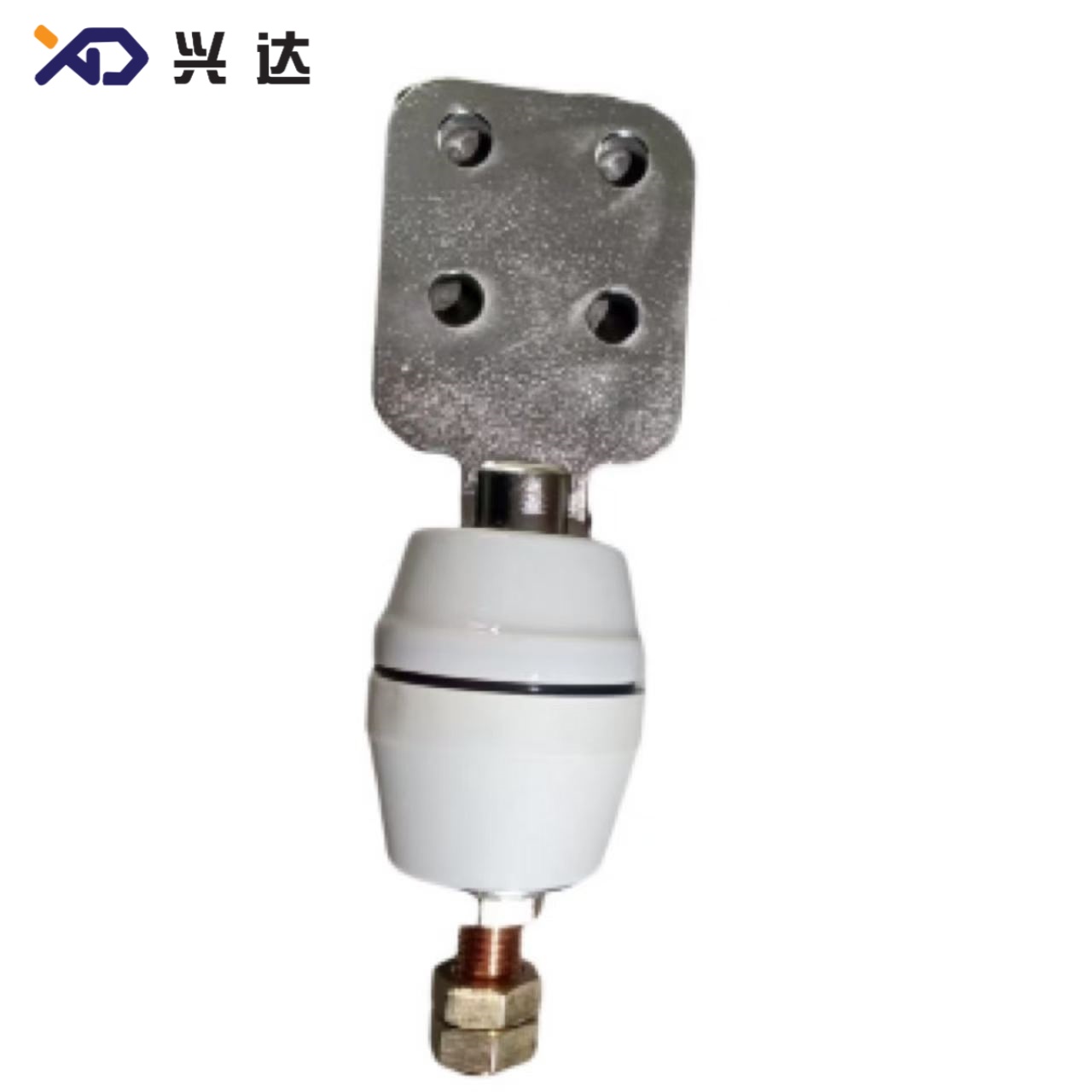
ANSI Transformer Bushing: Buying Guide, Troubleshooting & Comparative Analysis
ANSI Transformer Bushing: Buying Guide, Troubleshooting & Comparative Analysis
SEO Keywords: buy ANSI transformer bushing, ANSI bushing failure causes, ANSI vs IEC transformer bushing, ANSI porcelain bushing specification, ANSI bushing retrofit guide, distribution transformer ANSI bushing, spade terminal ANSI bushing
Introduction to ANSI‑Standard Transformer Bushing
ANSI transformer bushings are purpose‑built insulating through‑pass components for oil‑filled distribution transformers following American National Standards Institute and IEEE specifications. These components form the critical boundary interface between transformer internal energized windings and grounded tank metalwork, enabling electrical power transfer to external circuits while maintaining full dielectric isolation.
ANSI‑format bushing hardware dominates North‑American and Latin‑American utility transformer fleets, featuring imperial measurement systems for threads, flange hole spacing, tank cut‑out openings and terminal spade dimensions. Compared with IEC‑based DIN bushings popular in Europe and Asia, ANSI bushing shed shapes, mounting flower‑basket nuts and aluminum clamping assemblies are mechanically non‑interchangeable without custom modification. Product portfolio covers low‑voltage secondary bushings at 1.2 kV up to medium‑voltage primary‑side bushings rated 34 kV, with continuous ampacity ranging from 55 A small‑current primary terminals up to 3150 A heavy‑duty secondary output terminals.
Key Merits of ANSI‑Compliant Transformer Bushings for Utility Operation
- Retrofit‑Friendly Dimensional Standardization: Utility maintenance crews benefit from unified mounting interfaces. When replacing failed bushings on legacy ANSI‑spec transformers, qualified ANSI bushings can be fitted without tank re‑machining.
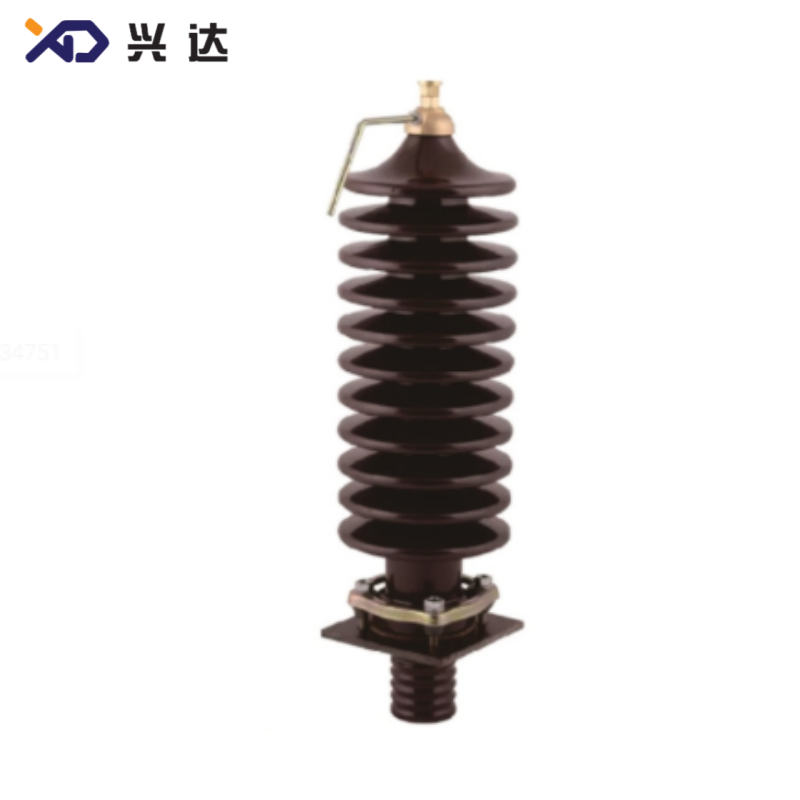
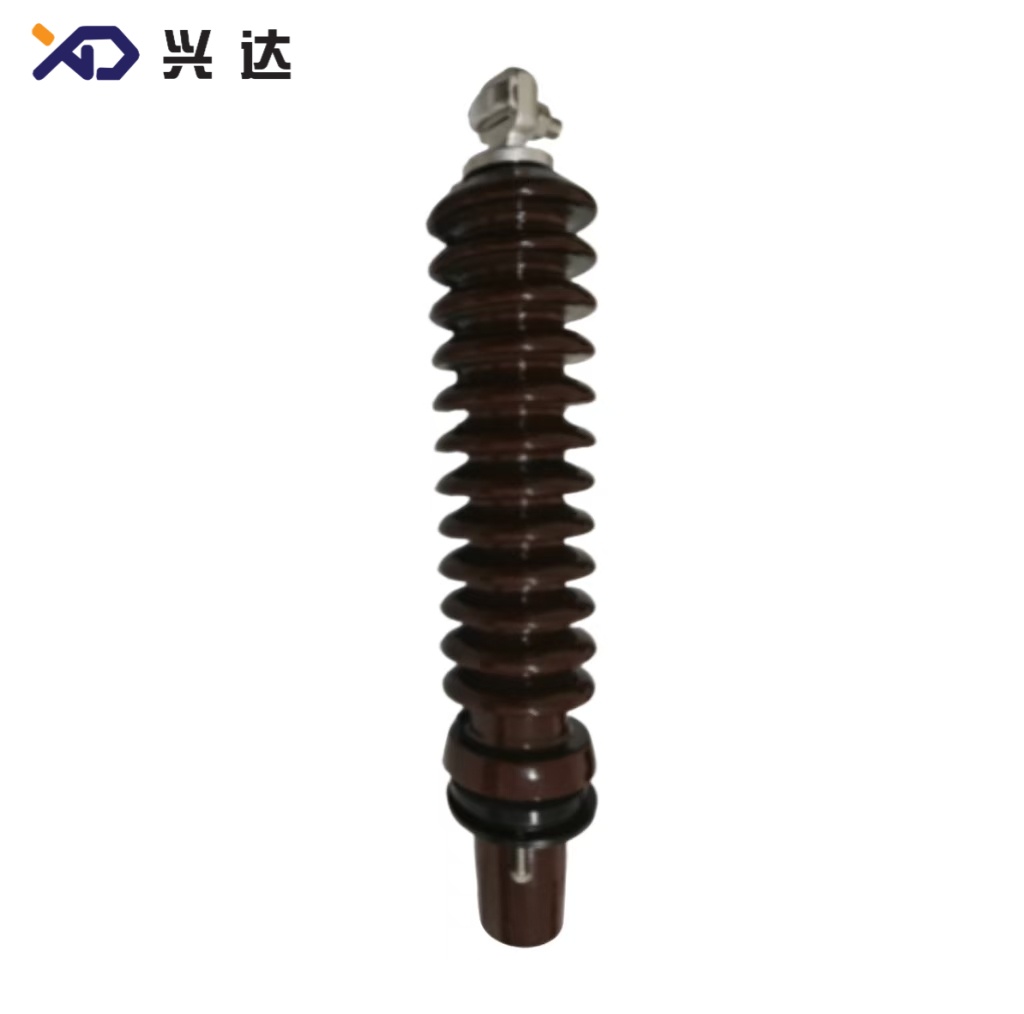
- Superior Outdoor Pollution Performance: Specially designed alternating‑size porcelain sheds interrupt cascading rainwater flow, lowering the risk of wet‑condition surface flash‑over under salt‑fog, dust and bird‑dropping contamination.
- Robust Mechanical Design for Field Stress: Each ANSI bushing is assigned minimum cantilever load rating, resisting mechanical stress from overhead cable tension, wind‑induced vibration and ice accumulation.
- Long‑Term Hermetic Sealing System: Matching ANSI‑pattern flower‑basket spin‑grip nut or aluminum clamp together with oil‑compatible elastomer gaskets form reliable sealing between bushing body and transformer tank wall, preventing transformer oil leakage and moisture penetration.
- Full‑Scope Electrical Validation: ANSI‑IEEE standards mandate strict test sequences including power‑frequency withstand, lightning impulse BIL, partial‑discharge evaluation and short‑circuit thermal endurance.
Full‑Range Technical‑Specification Reference Table
ANSI Bushing Voltage‑Current‑Terminal‑Mapping Table
| Voltage Rating | Current Range | Available Terminal Form | Main Tank‑Opening Size (mm) | Primary Use‑Case |
|---|---|---|---|---|
| 1.2 kV Low‑Voltage | 125‑250 A | Eyebolt pin, 2‑hole spade | ∅36.5 | Pad‑mount transformer secondary |
| 1.2 kV Low‑Voltage | 417‑1200 A | 4‑hole spade flange | ∅71 | High‑current secondary output |
| 1.2 kV Low‑Voltage | 1400‑3150 A | 4‑hole /6‑hole heavy‑duty spade | ∅101.6 | Large‑size distribution transformer secondary |
| 5 kV Medium‑Voltage | 630‑4000 A | 4‑hole spade flange | ∅101.6 | Intermediate‑voltage transformer terminals |
| 10 kV Medium‑Voltage | 800‑2000 A | 4‑hole spade flange | ∅101.6 | North‑American distribution transformers |
| 15‑18‑25‑34 kV Medium‑Voltage | 55‑600 A | Eyebolt pin, 2‑hole /4‑hole spade | ∅71 ~ ∅140 | Transformer primary incoming high‑voltage side |
Practical Model‑Dimensional Reference Table (Extracted from industry ANSI bushing drawing documents)
| Model | Terminal Type | Shed Count | Tank Opening(mm) | Creepage Distance(mm) |
|---|---|---|---|---|
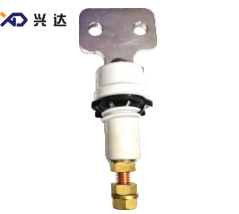
| ANSI‑1.2KV‑125A‑pin | Eyebolt pin | None(LV smooth) | ∅36.5 | 25 |
| ANSI‑1.2KV‑250A‑single‑hole | Single‑hole spade | None(LV smooth) | ∅36.5 | 39 |
| ANSI‑1.2KV‑2000A‑6‑hole | 6‑hole heavy‑duty spade | None(LV smooth) | ∅101.6 | 50 |
| ANSI‑5KV‑630A‑4‑hole | 4‑hole spade | Multi‑shed | ∅101.6 | 250 |
| ANSI‑10KV‑800A‑4‑hole | 4‑hole spade | Multi‑shed | ∅101.6 | 270 |
| ANSI‑15KV‑125A‑2‑hole | 2‑hole spade | 6‑8 single‑shed | ∅71 | 330 |
| ANSI‑25KV‑250A‑6‑hole | 6‑hole spade | 7 single‑shed | ∅71.2 | 406.4 |
| ANSI‑34KV‑55A‑2‑hole | Eyebolt pin | 11‑15 single‑shed | ∅92 | 774.7 |
Step‑by‑Step ANSI Bushing Buying & Specification Checklist
- Confirm transformer original standard: Verify whether the transformer tank follows full ANSI‑IEEE design. Do not mix ANSI bushings with IEC‑standard transformer tank interfaces.
- Confirm electrical parameters: Rated voltage, required BIL value, rated continuous current, short‑circuit withstand requirement.
- Confirm mechanical interface: Tank‑opening hole diameter, mounting bolt‑circle dimension, terminal type (eyebolt / hole‑pattern spade), thread specification of lower conductor stud (Md).
- Confirm environmental requirements: Local pollution class, required minimum creepage distance, cantilever load requirement, insulator material (porcelain or composite polymer).
- Document key installation dimensions: Overall height H, tank‑above height h1, oil‑immersed depth h2.
- Request compliance documentation: Verify test reports referencing IEEE‑ANSI standards before final order placement.
Common Field Failure Modes & Root‑Cause Troubleshooting
- Oil leakage at tank‑bushing sealing interface:Root‑causes: Aged / reused gaskets, uneven bolt torque, mismatched flower‑basket nut or aluminum clamp hardware. Oil leakage permits moisture ingress into transformer oil, accelerating insulation aging.
- External surface flash‑over & tracking:Root‑causes: Insufficient creepage distance for site pollution level, heavy dirt / salt accumulation on shed surface. Regular cleaning or selecting extended‑creepage‑variant bushings mitigates this risk.
- Porcelain insulator cracking:Root‑causes: Excessive mounting torque, heavy cantilever cable‑pull force, transportation mechanical impact. Hair‑line invisible cracks may slowly develop into major dielectric breakdown.
- Terminal over‑heating:Root‑causes: Loose spade‑flange or eyebolt connections, oxidized contact surfaces, insufficient contact area under high continuous current. Over‑heating accelerates gasket aging and insulation degradation.
Troubleshooting note: More than 30% of ANSI bushing premature failures trace back to installation error rather than raw‑material manufacturing defects. Calibrated torque wrenches and new gaskets are mandatory during every installation or replacement operation.
ANSI vs IEC‑DIN Transformer Bushing Core‑Difference Summary Table
| Comparison Item | ANSI Transformer Bushing | IEC‑DIN Transformer Bushing |
|---|---|---|
| Governing Standards | IEEE C57.19 series, ANSI C29 | IEC 60137, DIN42531 |
| Measurement System | Imperial (UNC / UNF threads, inch‑based dimensions) | Metric system (metric threads) |
| Mounting Hardware | Flower‑basket spin‑grip nut, ANSI‑pattern aluminum clamp | DIN‑style split clamping ring |
| Shed Geometry | Alternating‑diameter shed to break rain cascade | Mostly uniform‑diameter shed profile |
| Main Regional Market | North America, Latin‑America | Europe, Middle‑East, most of Asia |
| Tank‑Opening Dimension | ANSI‑defined cut‑out sizes | DIN‑standard tank hole dimensions |
Important reminder: Direct physical swap between ANSI and DIN‑IEC bushings is not recommended for energized power transformers. Adapter plates may resolve hole‑pattern mismatch, but internal oil‑immersed insulation clearance, cantilever rating and creepage‑coordination risks remain unresolved.
Conclusion
Categories
Contact Us
Contact: Tianjin Delda Trading Co., Ltd
WhatsApp: +86 13662056855
Tel:
E-mail: solomon20210701@tjxddq.com
Add: Unit‑101, Workshop 3, Bozhong Automobile Industrial Park, No.5 Xianghui Road, Intersection of Xianghui Road and Gaoying Road, Beizhakou Town, Jinnan District, Tianjin, China