ANSI Bushing
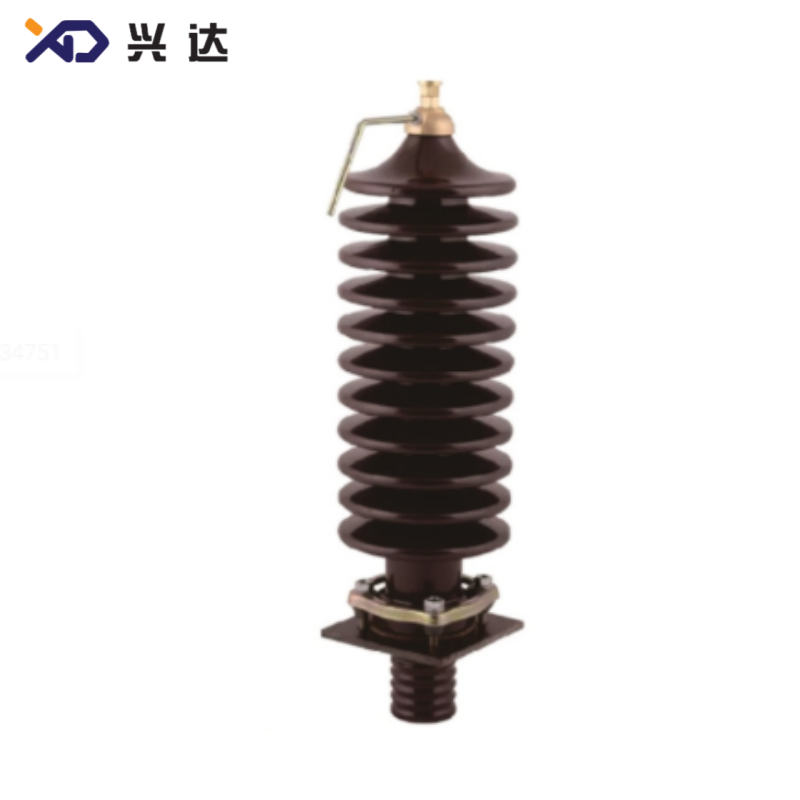
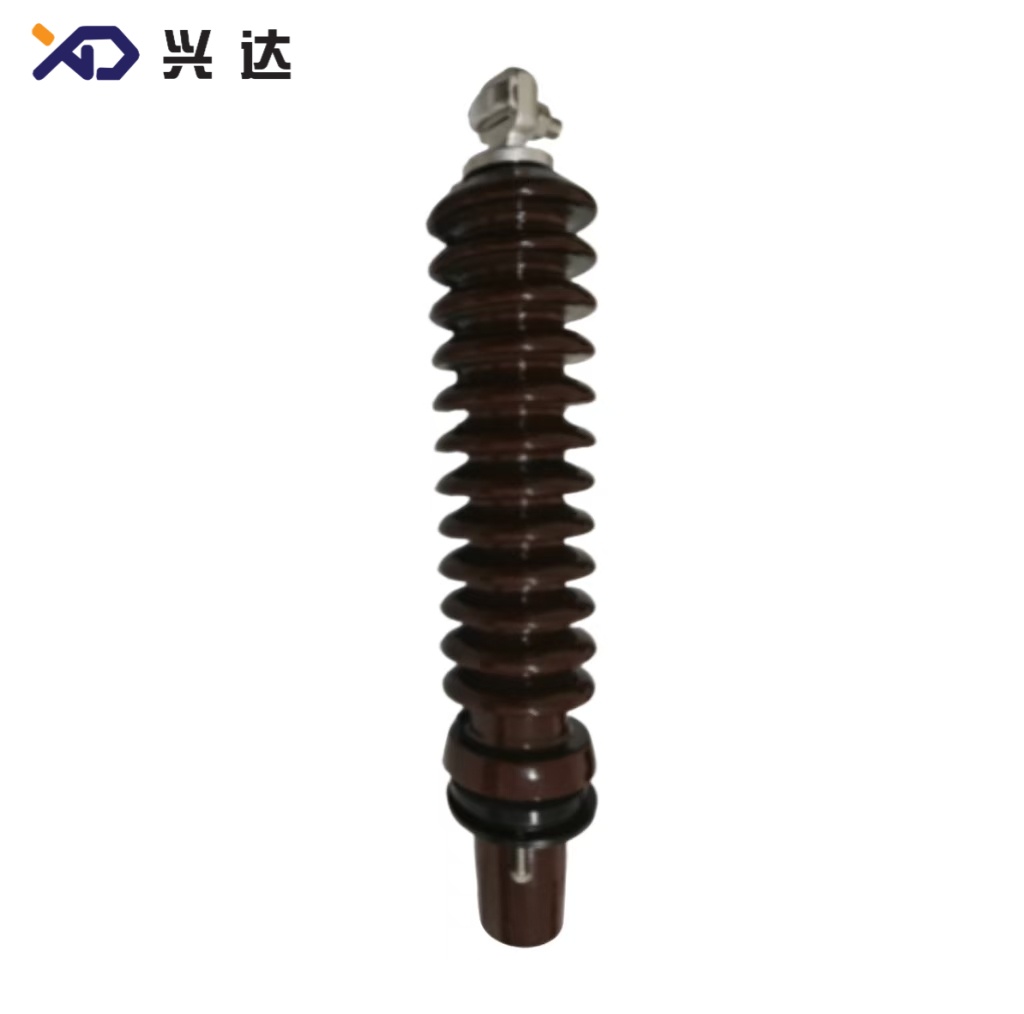
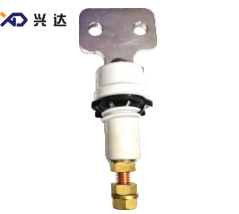
Transformer ANSI bushings
Transformer ANSI-compliant bushings are critical components in power systems. Below are key points regarding these components:
Standards and Specifications: ANSI bushings primarily comply with the ANSI C57 series standards. For instance, ANSI C57.12.22 specifies requirements for self-cooled three-phase distribution transformers with high-voltage bushings rated up to 2500 kVA installed on a base, covering electrical, dimensional, and mechanical characteristics. Additionally, standards like IEEE C57.19.00 and IEEE C57.19.01 specify electrical requirements and other aspects for bushings.
Materials and Structure: American standard bushings are typically made of porcelain or composite materials, offering high electrical insulation and mechanical strength. Their design aims to withstand high electrical stresses and environmental conditions, including minimizing electrical losses and maintaining insulation integrity throughout the transformer's service life.
Electrical Performance: ANSI standards specify clear electrical performance requirements for bushings, such as the rated voltage to ground (the actual continuous AC voltage applied to the bushing), rated current (the maximum continuous AC current the bushing can carry at specified air and oil temperatures), and maximum hot spot temperature (typically 105°C, or 120°C for resin-impregnated paper). Additional requirements include rated lightning impulse withstand voltage and rated operating impulse withstand voltage.
Environmental Adaptability: ANSI bushings have specific environmental requirements. Standard bushings operate within temperatures ranging from -45°C to 45°C, with altitudes not exceeding 1000m. Reinforced pollution-resistant bushings are limited to altitudes below 2500m. Standard bushings are suitable for lightly polluted areas, while pollution-resistant bushings are designed for heavily polluted environments.
Installation Requirements: Bushing installation angles are typically required to be vertical or at an incline not exceeding 30 degrees. Additionally, ANSI standards may specify installation dimensions, connection methods, and other details to ensure proper installation and connection with transformers and other equipment.
Differences from Other Standards: ANSI standards differ from those of the International Electrotechnical Commission (IEC) and others. ANSI standards provide detailed specifications for bushing dimensions, materials, and testing methods to ensure compliance with U.S. market requirements, while IEC standards are globally applicable and define electrical performance and mechanical strength requirements for bushings.
Camille
Categories
Contact Us
Contact: Tianjin Delda Trading Co., Ltd
WhatsApp: +86 13662056855
Tel:
E-mail: solomon20210701@tjxddq.com
Add: Unit‑101, Workshop 3, Bozhong Automobile Industrial Park, No.5 Xianghui Road, Intersection of Xianghui Road and Gaoying Road, Beizhakou Town, Jinnan District, Tianjin, China