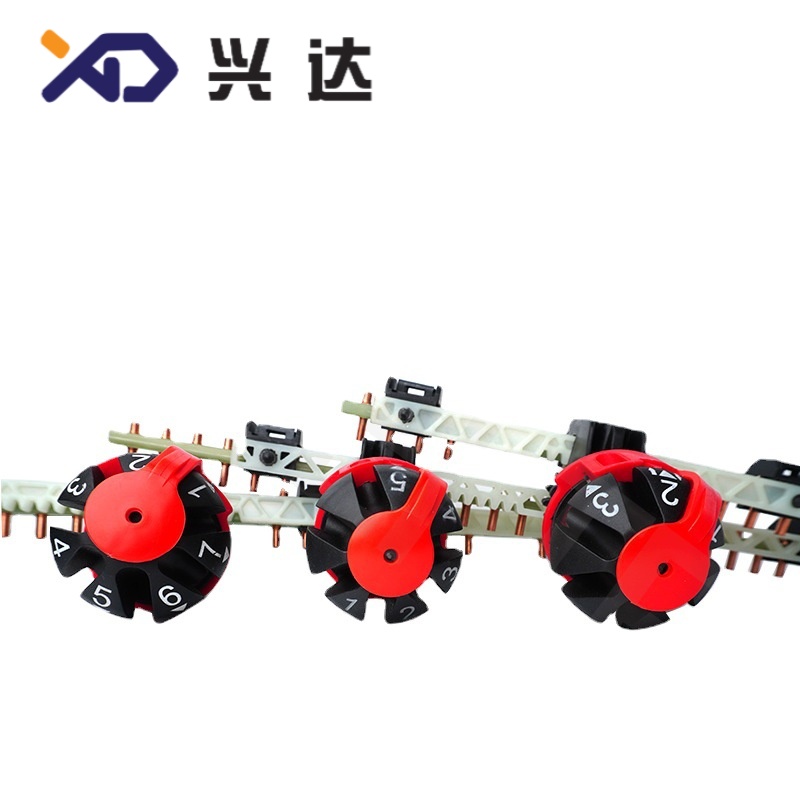
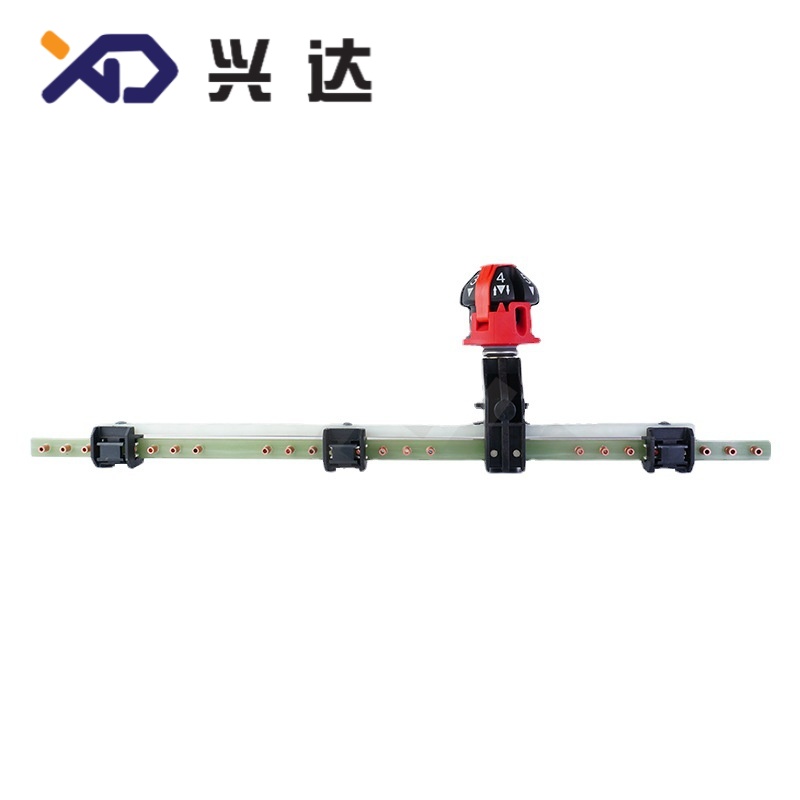
Transformer Tap Changer Guide: Types, Working Principle, Applications and Specifications
Learn about transformer tap changers, including on load tap changers (OLTC), off circuit tap changers (NLTC), working principles, advantages, applications, and technical specifications for power transformers.
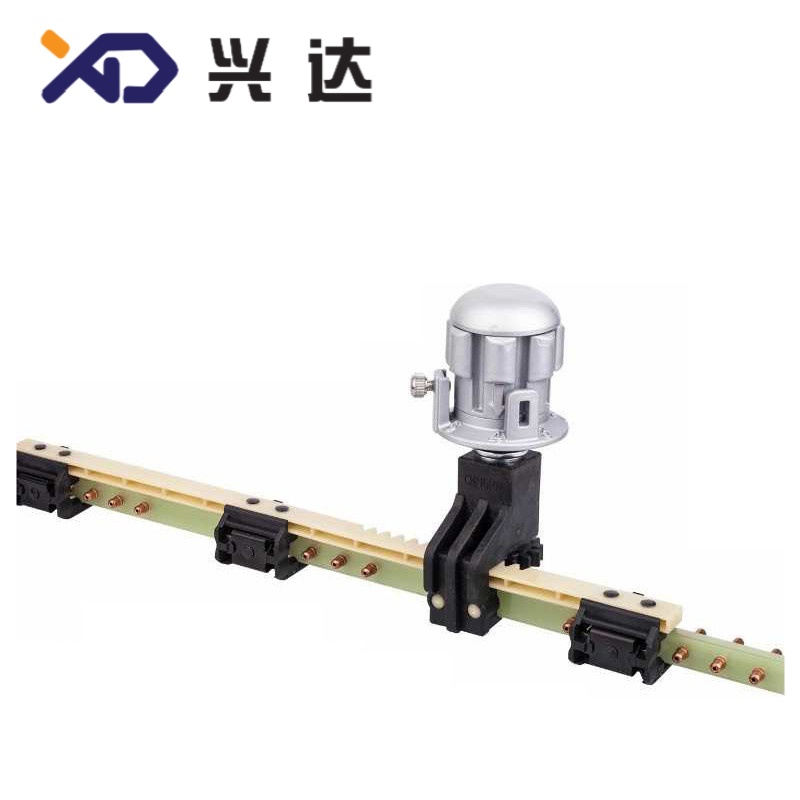
Transformer Tap Changer
On Load Tap Changer
OLTC Transformer
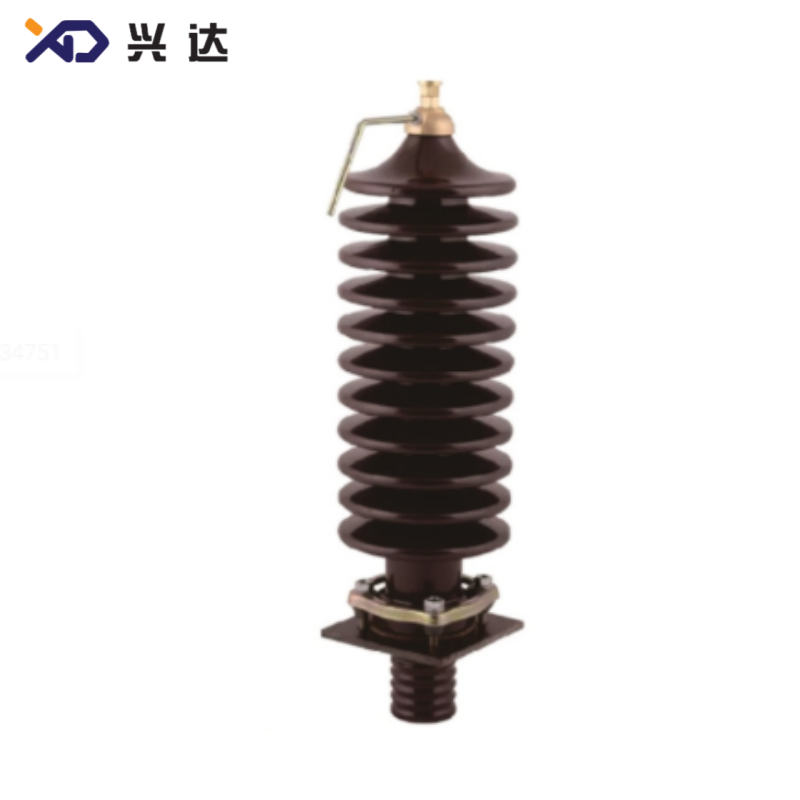
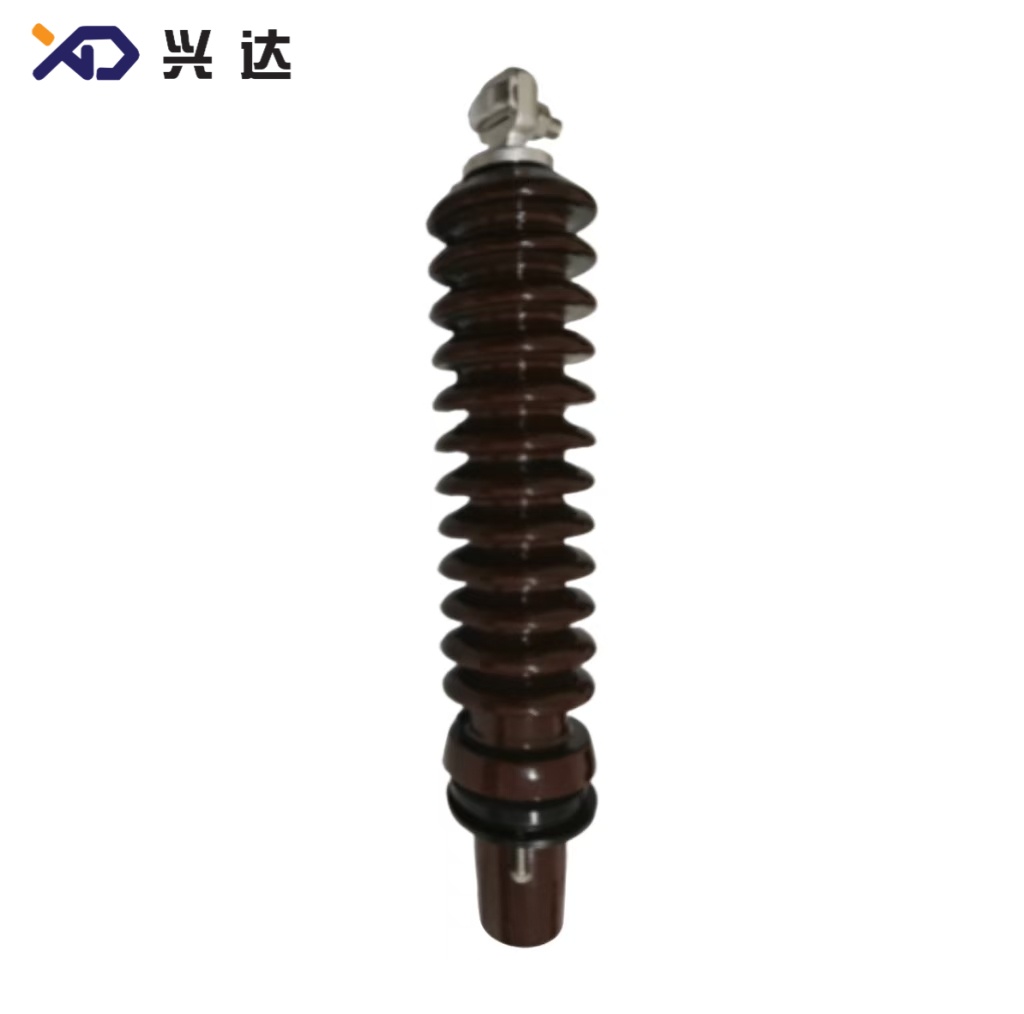
Off Circuit Tap Changer
Transformer Voltage Regulation
Power Transformer Accessories
Automatic Tap Changer
Transformer Voltage Control Device
High Voltage Transformer Tap Changer
Distribution Transformer Tap Changer
A transformer tap changer is an important electrical device installed in power transformers to adjust the transformer turns ratio and maintain stable output voltage under different operating conditions. By changing the connection point of transformer windings, a tap changer can regulate voltage levels and improve the reliability, efficiency, and power quality of electrical networks.
Transformer tap changers are widely used in power transmission systems, distribution networks, industrial substations, renewable energy projects, and large electrical equipment where voltage stability is critical.
In modern power systems, voltage fluctuations may occur because of changing loads, long-distance transmission, renewable energy integration, and variations in power demand. A transformer tap changer provides an effective solution by adjusting the transformer winding ratio to compensate for voltage changes.
There are two major categories of transformer tap changers:
| Type | Full Name | Main Function |
|---|---|---|
| OLTC | On Load Tap Changer | Adjusts transformer voltage while the transformer remains energized |
| NLTC / OCTC | No Load Tap Changer / Off Circuit Tap Changer | Adjusts transformer ratio only when the transformer is disconnected from power |
The selection between OLTC and NLTC depends on transformer capacity, application requirements, voltage regulation needs, and operating conditions.
A transformer tap changer is a mechanical and electrical switching mechanism that changes the effective number of turns in a transformer winding.
A transformer operates based on the turns ratio between primary and secondary windings:
Voltage Ratio = Primary Turns / Secondary Turns
By connecting different tapping points on the winding, the transformer tap changer modifies the effective winding turns and adjusts the output voltage.
For example:
This adjustment allows transformers to compensate for:
Transformer tap changers are usually installed on the high-voltage winding because the current level is lower, which helps reduce switching stress and improve equipment reliability.
The primary function of a transformer tap changer is maintaining stable voltage output.
Electrical networks experience voltage variations caused by:
A tap changer adjusts the transformer ratio to keep voltage within the required range.
Stable voltage improves the performance of electrical equipment.
Transformer tap changers help protect:
from voltage instability.
A transformer tap changer allows operators to optimize transformer performance under different load conditions.
Benefits include:
Modern electrical grids require continuous voltage control.
On-load tap changers are especially important because they can regulate voltage without interrupting electricity supply.
The working principle of a transformer tap changer is based on changing the electrical connection position of transformer windings.
A transformer winding contains multiple tapping points connected to different positions.
When the tap changer operates:
For OLTC systems, the switching process is designed to avoid power interruption during tap transition.
The device uses special switching mechanisms to prevent:
An OLTC allows voltage adjustment while the transformer is energized and supplying power.
The operating sequence includes:
A voltage regulator detects voltage deviation and sends a signal to the motor drive mechanism.
The motor-drive unit moves the tap selector mechanism.
The diverter switch transfers current from one tap position to another.
The transformer ratio changes and the output voltage returns to the desired level.
The OLTC system maintains continuous power flow during the switching operation.
An On Load Tap Changer is a voltage regulation device that changes transformer taps while the transformer remains energized.
OLTC systems are commonly used in:
| Feature | Benefit |
|---|---|
| Voltage adjustment during operation | No power interruption |
| Automatic control | Improves voltage stability |
| Frequent operation capability | Suitable for changing loads |
| High regulation accuracy | Maintains power quality |
A No Load Tap Changer, also called an Off Circuit Tap Changer, requires transformer shutdown before changing the tap position.
It is commonly used when voltage adjustment is required only occasionally.
Typical applications include:
| Item | OLTC | NLTC |
|---|---|---|
| Operation Condition | Transformer energized | Transformer disconnected |
| Voltage Adjustment | Continuous | Manual adjustment |
| Switching Frequency | High | Low |
| Control Method | Automatic or remote control | Manual operation |
| Application | Power grid and industrial systems | Small transformers |
| Cost | Higher | Lower |
| Maintenance Requirement | Higher | Lower |
A transformer tap changer consists of several important components that work together to achieve safe and reliable voltage regulation.
The tap selector connects the transformer winding to different tapping positions.
Main functions:
The diverter switch is the key switching component in OLTC systems.
Its function is:
Advanced designs may use vacuum switching technology to improve switching performance and reduce oil contamination.
The motor drive unit provides mechanical movement for automatic tap changing.
It includes:
The control system monitors transformer voltage and controls tap operation.
Typical functions:
Transition resistors or reactors limit circulating current during switching.
They protect:
Contact: Tianjin Delda Trading Co., Ltd
WhatsApp: +86 13662056855
Tel:
E-mail: solomon20210701@tjxddq.com
Add: 55-302 Xiaoyuan New Village, Tianjin Economic and Technological Development Zone, China