Oil Level Indicator
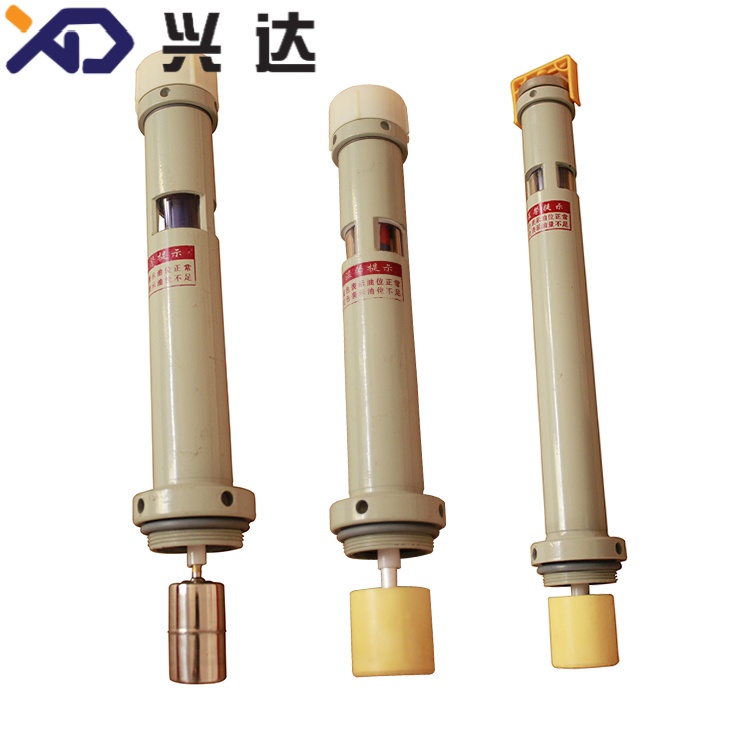
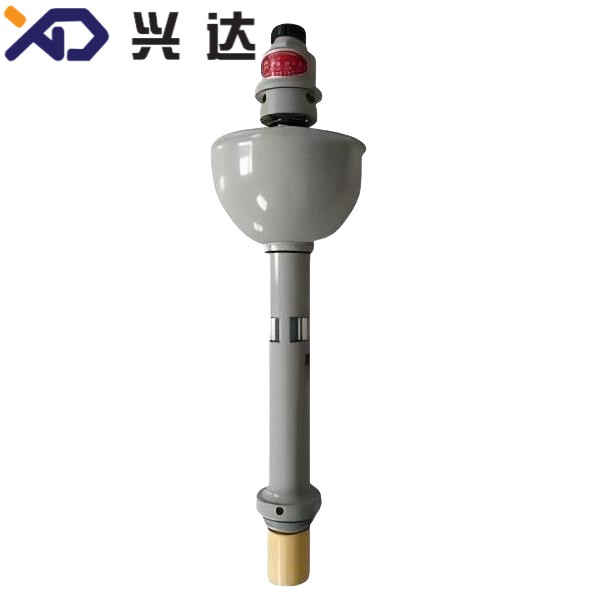
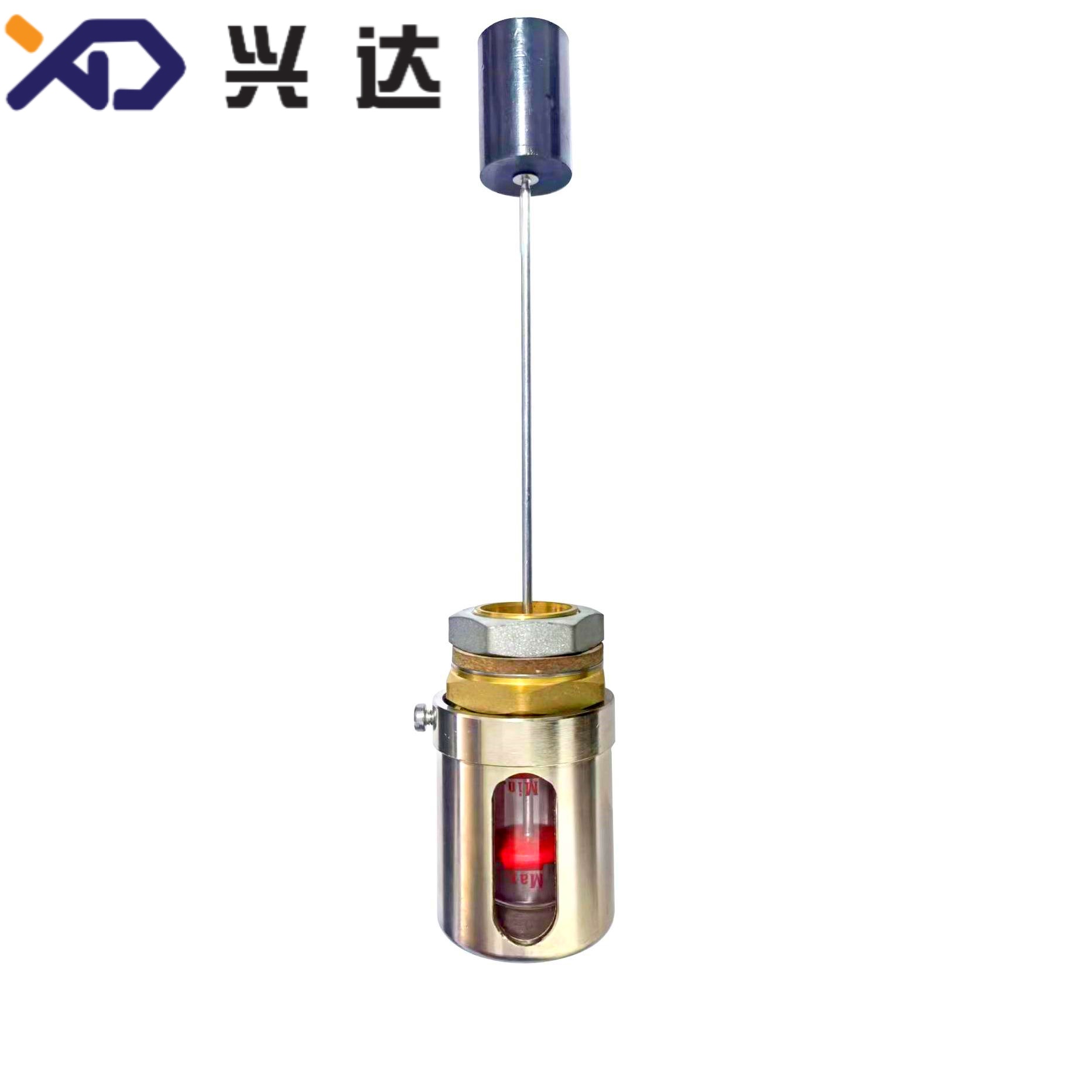
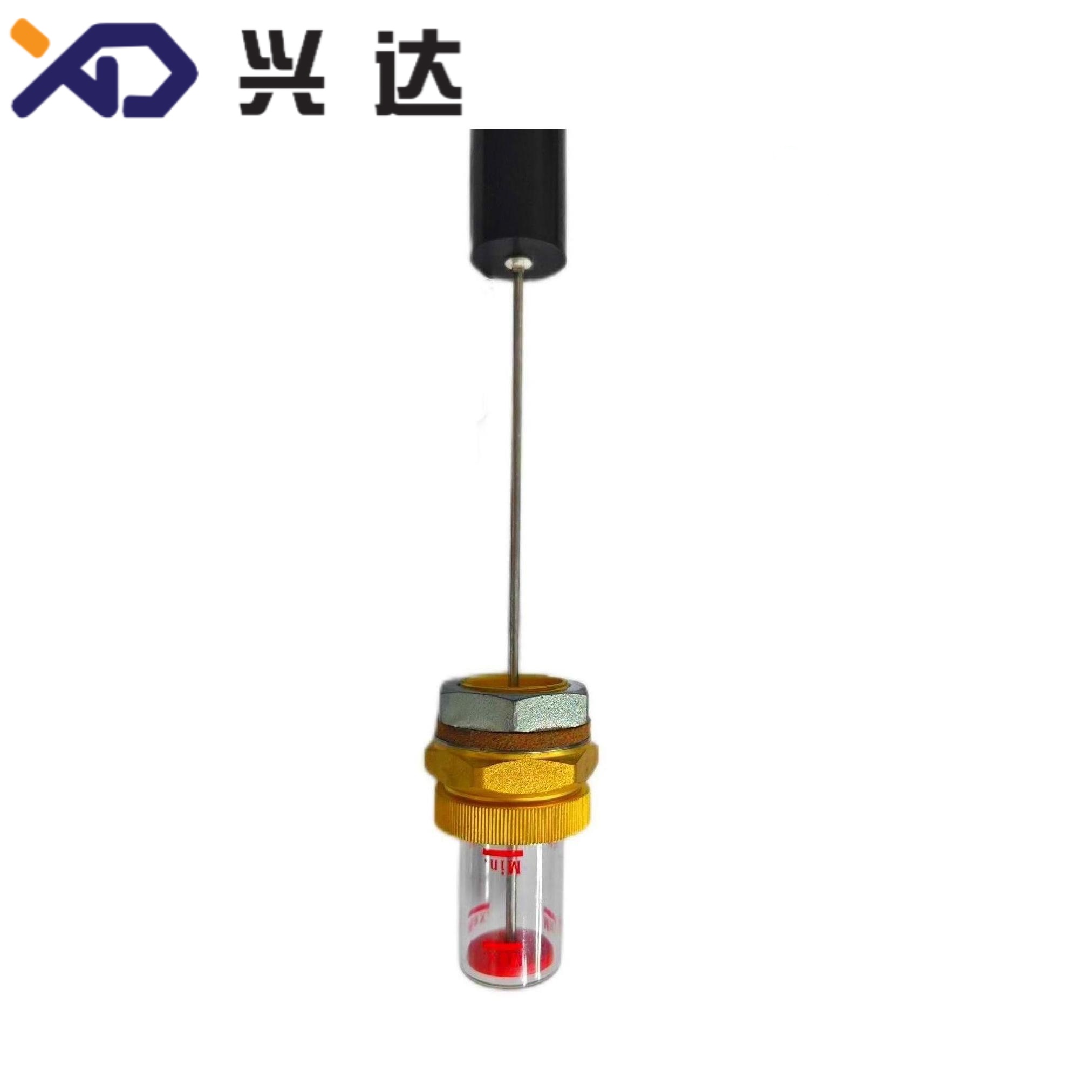
Oil Level Indicator for Transformer and Industrial Oil Tank Monitoring
Oil Level Indicator: Definition, Types, Specifications, Benefits and Application Guide
Oil level indicators, a transformer accessory, are essential mechanical and electronic monitoring devices designed to accurately display the fluid volume of lubricating oil, hydraulic oil, fuel oil, and other industrial oil media in tanks, machinery, and hydraulic systems. As core industrial instrumentation for fluid level management, oil level indicators deliver real-time visual or digital oil level data to prevent equipment damage caused by insufficient oil, overfilling, oil leakage, and dry running. Widely applied in mechanical manufacturing, hydraulic equipment, power systems, automotive machinery, and industrial storage tanks, oil level indicators ensure the stable operation of industrial equipment and extend mechanical service life through continuous and reliable level monitoring.
In industrial operation, improper oil level management is one of the leading causes of mechanical failure. Low oil levels lead to insufficient lubrication, increased component friction, and overheating, while excessive oil levels cause pressure buildup, oil overflow, and seal damage. A high-quality oil level indicator eliminates visual blind spots, provides precise level feedback, and supports standardized equipment maintenance, making it an indispensable component in industrial fluid control systems. This guide covers all universal industry knowledge of oil level indicators, including core definitions, mainstream types, complete technical specifications, functional advantages, application scenarios, selection criteria, and maintenance tips for SEO and industrial reference.
What Is an Oil Level Indicator? Core Definition & Working Principle
An oil level indicator is a dedicated measuring instrument used to detect, display, and monitor the liquid level of various industrial oil fluids in closed or open containers. Unlike general liquid level gauges, oil level indicators are professionally optimized for the viscosity, density, and chemical characteristics of industrial oils, with strong oil corrosion resistance, high temperature resistance, and pressure resistance to adapt to complex industrial working conditions.
The core working principles of oil level indicators vary by type, covering mechanical physical induction and electronic sensor detection. Mechanical oil level indicators rely on physical changes such as buoyancy, liquid pressure, and light transmission to display oil levels without power supply. Electronic oil level indicators convert oil level height changes into electrical signals through high-precision sensors, realizing digital display, real-time transmission, and remote monitoring. All oil level indicators are designed with intuitive display functions to help operators quickly judge oil volume status and complete daily inspection and maintenance work efficiently.
Main Types of Oil Level Indicators (Industry Universal Classification)
According to working principle, display mode, and structural design, industrial oil level indicators are divided into four mainstream categories, each with unique structural characteristics, applicable working conditions, and functional positioning. Classified selection ensures matching with different equipment and industrial scenarios to achieve optimal monitoring effects.
1. Sight Glass Oil Level Indicator
Sight glass oil level indicators are the most traditional and widely used mechanical oil level monitoring devices. They adopt high-transparency glass or acrylic transparent tubes as the main viewing structure, directly reflecting the real-time oil level height through the liquid level difference inside the transparent tube. Equipped with standard scale markings, sight glass indicators support intuitive visual reading without any auxiliary power or electronic devices.
This type of oil level indicator features simple structure, low failure rate, and convenient installation and maintenance. It is suitable for conventional working conditions with normal temperature and pressure, and is commonly installed on hydraulic stations, air compressors, gearboxes, and small oil storage tanks. Conventional sight glass indicators are available in tubular, L-shaped, and square structural styles, with customizable center distances and scale ranges to adapt to different container specifications.
2. Float-Type Mechanical Oil Level Indicator
Float-type oil level indicators are typical buoyancy-driven mechanical instruments. The internal floating ball made of oil-resistant and high-buoyancy materials floats up and down with the change of oil level height, and drives the external pointer or scale disc to move through the connecting rod and mechanical transmission structure, realizing accurate oil level display. Most float-type indicators are equipped with high and low limit calibration scales to mark the safe oil level range of equipment.
With strong pressure resistance and stability, float-type oil level indicators are suitable for medium and large industrial equipment and sealed oil tanks. They can adapt to slightly viscous industrial oils and have strong anti-interference ability to oil impurities. No power supply is required during operation, ensuring safe use in flammable and explosive working environments.
3. Digital Electronic Oil Level Indicator
Digital electronic oil level indicators are intelligent monitoring devices based on sensor technology, including capacitance sensors, ultrasonic sensors, and magnetic induction sensors. When the oil level changes, the sensor captures the liquid level signal, converts it into digital data through the internal circuit system, and displays the precise value on the LED digital screen.
Different from mechanical products, electronic oil level indicators support high-precision measurement, real-time data update, and remote signal transmission. Some upgraded models are compatible with Modbus communication protocols and 4-20mA analog signal output, which can be connected to industrial control systems and PLC equipment to realize automatic monitoring and early warning functions. They are widely used in automated production lines, precision hydraulic systems, and unattended industrial equipment rooms.
4. Temperature Integrated Oil Level Indicator
Temperature integrated oil level indicators are multifunctional composite instruments that integrate oil level monitoring and oil temperature detection. While displaying the real-time oil level, the built-in temperature sensor can detect the operating temperature of industrial oil, solving the problem that single-function indicators cannot monitor oil temperature abnormalities. The dial is marked with multi-temperature calibration scales (-20°C to +85°C), which can accurately reflect the oil level status under different temperature environments.
This composite indicator is specially designed for high-load and long-term operating equipment such as transformers, large hydraulic units, and industrial engine systems, effectively avoiding equipment failures caused by oil temperature overheating and oil level deviation.
Technical Specifications of Standard Oil Level Indicators (Universal Industry Data)
The following table sorts out the universal technical parameters of mainstream oil level indicators in the industry, covering material characteristics, working conditions, measurement accuracy, structural specifications, and functional parameters, which is convenient for equipment selection and engineering matching. All data comply with international industrial instrumentation universal standards and are applicable to most industrial scenarios.
Parameter Item | Sight Glass Type | Float Mechanical Type | Digital Electronic Type | Temperature Integrated Type |
|---|---|---|---|---|
Main Material | High borosilicate glass, acrylic, 304 stainless steel bracket | Oil-resistant rubber, stainless steel float, aluminum alloy shell | ABS engineering plastic, stainless steel probe, electronic component module | Stainless steel, tempered glass, temperature sensing element |
Measuring Accuracy | ±2mm | ±1.5mm | ±0.5mm | ±1mm (level), ±1°C (temperature) |
Working Temperature Range | -30℃ ~ +120℃ | -40℃ ~ +150℃ | -20℃ ~ +80℃ | -20℃ ~ +85℃ |
Working Pressure | ≤1.6MPa | ≤2.5MPa | ≤1.0MPa | ≤2.0MPa |
Power Supply Requirement | No power supply required | No power supply required | DC 12V/24V | No power supply (passive type) |
Signal Output | None (visual display only) | None (pointer display only) | 4-20mA analog, Modbus RS485 | Pointer dual display (level + temperature) |
Installation Method | Screw fixing, flange mounting | Top mounting, side mounting | Side insertion, integrated fixed installation | Standard flange installation |
Applicable Oil Media | Hydraulic oil, lubricating oil, diesel oil | High viscosity oil, mechanical lubricating oil, fuel oil | Low viscosity industrial oil, precision hydraulic oil | Transformer oil, high-temperature lubricating oil |
Service Life | 3-5 years | 5-8 years | 4-6 years | 5-7 years |
Core Advantages of Using Standard Oil Level Indicators
Oil level indicators have become standard supporting equipment for industrial mechanical systems due to their stable performance, diverse functions, and wide adaptability. Their core advantages cover equipment safety, maintenance cost, operational efficiency, and industrial standardization, bringing long-term economic benefits to industrial production.
1. Improve Equipment Operation Safety
Real-time oil level monitoring through oil level indicators effectively avoids mechanical failures caused by abnormal oil levels. Insufficient oil leads to dry friction of mechanical components, resulting in equipment burnout and shutdown; excessive oil causes internal pressure surge, seal rupture, and oil leakage. Standard oil level indicators mark safe oil level thresholds, helping operators eliminate hidden dangers in advance and reduce equipment failure rates by more than 80% in daily operation.
2. Reduce Industrial Maintenance Costs
Oil level indicators support regular and standardized oil level inspection, avoiding frequent oil replacement and component wear caused by inaccurate oil level judgment. Mechanical oil level indicators have zero energy consumption and low failure rate, requiring only regular cleaning and inspection without frequent replacement and calibration. Intelligent electronic indicators realize automatic monitoring, reducing manual inspection frequency and saving labor and maintenance costs for industrial enterprises.
3. Strong Environmental & Working Condition Adaptability
Industrial-grade oil level indicators adopt oil-resistant, high-temperature resistant, and corrosion-resistant materials, which can stably operate in harsh environments such as high temperature, low temperature, dust, and weak chemical corrosion. Mechanical products are completely unaffected by power failure and electromagnetic interference, suitable for flammable, explosive, and non-power supply working environments. Intelligent products adapt to automated industrial scenarios and meet the monitoring needs of different production links.
4. Support Standardized Industrial Management
Oil level indicators provide intuitive and accurate oil level data, which is conducive to forming standardized equipment maintenance records. For automated production lines and large industrial equipment clusters, electronic oil level indicators can upload data to industrial management systems, realizing digital management of oil fluid status, facilitating production data statistics and equipment operation analysis, and improving the overall standardization of factory production management.
Universal Industrial Applications of Oil Level Indicators
Oil level indicators are widely used in almost all industrial scenarios involving industrial oil storage and lubrication systems, with strong industry versatility. The mainstream application fields are summarized as follows:
- Hydraulic System Equipment: Hydraulic stations, hydraulic pumps, hydraulic cylinders, and valve sets use oil level indicators to monitor hydraulic oil volume, ensuring the stability of hydraulic transmission systems.
- Power Electrical Equipment: Power transformers, distribution boxes, and power lubrication equipment are equipped with temperature-integrated oil level indicators to monitor transformer oil status and prevent electrical equipment overheating failure.
- Mechanical Manufacturing Equipment: Air compressors, gearboxes, reducers, and machine tool equipment rely on sight glass and float-type oil level indicators to maintain normal lubricating oil levels and ensure mechanical operation accuracy.
- Automotive & Construction Machinery: Engineering vehicles, generators, and mobile mechanical equipment use compact oil level indicators to monitor fuel oil and lubricating oil levels, adapting to mobile working conditions.
- Industrial Storage Tanks: Fixed oil storage tanks and buffer oil tanks use high-precision oil level indicators to realize oil volume metering and management, supporting industrial oil storage standardization.
Industry Standard Selection Guide for Oil Level Indicators
To select a suitable oil level indicator, it is necessary to match the working condition parameters and functional requirements of the equipment, avoiding model mismatch affecting monitoring accuracy and service life. The core selection criteria are as follows:
First, confirm the working environment parameters, including equipment working temperature, operating pressure, and oil medium viscosity. High-temperature and high-pressure working conditions are suitable for float-type and temperature-integrated indicators; normal-temperature and normal-pressure conventional equipment can choose cost-effective sight glass indicators. Second, clarify functional requirements: simple visual inspection scenarios select mechanical indicators without power supply; automated monitoring and remote data transmission scenarios need to choose digital electronic oil level indicators.
Third, match installation specifications, confirm installation mode (side mounting, top mounting, flange fixing) and size parameters such as center distance and caliber to ensure seamless fitting with equipment oil tanks. Finally, select materials according to the environment: dusty and humid industrial environments prioritize stainless steel shell indicators to improve corrosion resistance and durability.
Daily Maintenance & Troubleshooting of Oil Level Indicators
Standardized daily maintenance can effectively extend the service life of oil level indicators and maintain monitoring accuracy. For mechanical oil level indicators, regular cleaning of the transparent viewing window and scale surface is required to remove oil stains and dust, avoiding blurred viewing affecting reading. Check the sealing gasket regularly to prevent oil leakage caused by aging and damage of sealing parts. For float-type indicators, inspect the flexibility of the floating ball and connecting rod structure to prevent jamming caused by oil impurities deposition.
For digital electronic oil level indicators, regularly check the power supply circuit and signal transmission line to ensure stable power supply and unobstructed data transmission. Calibrate the sensor every 6-12 months to avoid measurement deviation caused by long-term operation. In case of display failure, first check whether the power supply and wiring are normal; inaccurate reading is mostly caused by sensor contamination or mechanical jamming, which can be recovered by cleaning and calibration.
It is forbidden to disassemble the oil level indicator privately during use, and avoid strong impact and extrusion to prevent structural deformation and glass rupture. Replace aging and damaged accessories in time to ensure the long-term stable operation of the equipment.
Conclusion
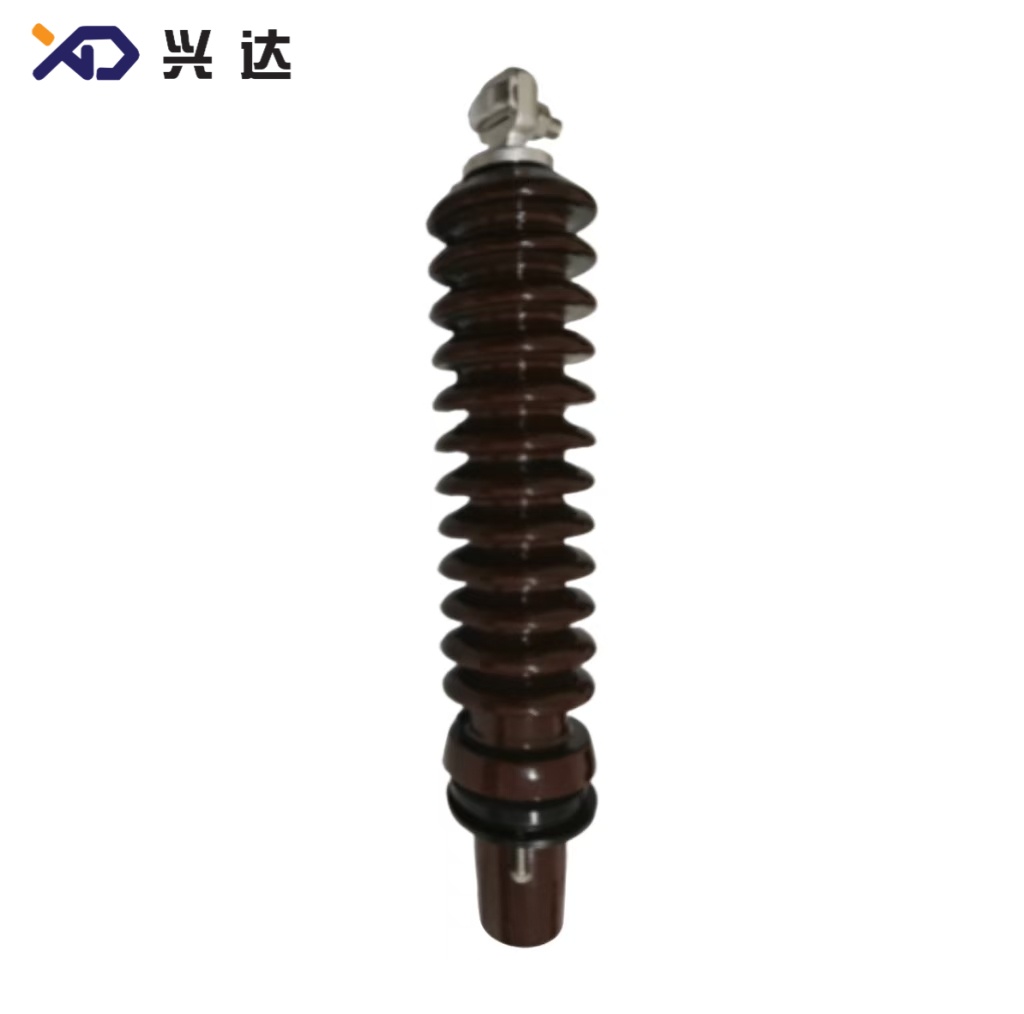
As a basic and core industrial instrumentation, oil level indicators play an irreplaceable role in industrial equipment safety operation, cost control, and standardized management, such as transformer bushing. With diversified types, complete specifications, and wide adaptability, mechanical and intelligent oil level indicators can meet the monitoring needs of different industrial scenarios. Reasonable selection, standardized installation, and scientific maintenance of oil level indicators can effectively reduce mechanical failure rates, extend equipment service life, and create stable operational benefits for industrial production. With the continuous upgrading of industrial automation technology, intelligent oil level indicators with remote monitoring and early warning functions will become the mainstream development trend of the industry, further promoting the digital and intelligent upgrading of industrial fluid level management.
Categories
Contact Us
Contact: Tianjin Delda Trading Co., Ltd
WhatsApp: +86 13662056855
Tel:
E-mail: solomon20210701@tjxddq.com
Add: Unit‑101, Workshop 3, Bozhong Automobile Industrial Park, No.5 Xianghui Road, Intersection of Xianghui Road and Gaoying Road, Beizhakou Town, Jinnan District, Tianjin, China