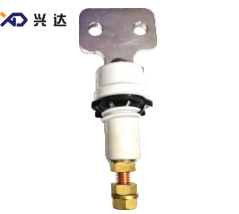
Oil Level Indicator
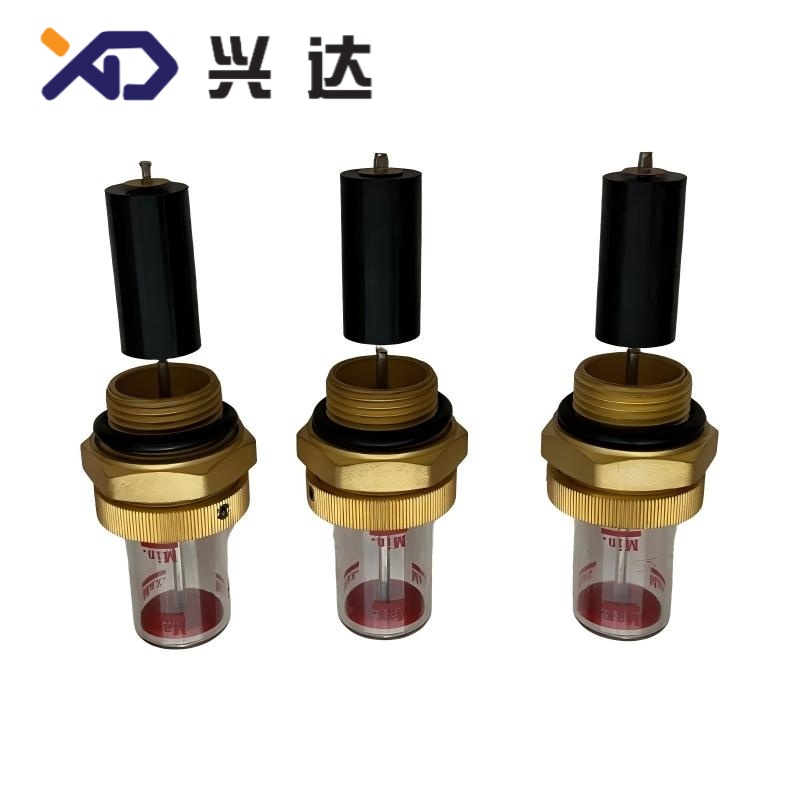
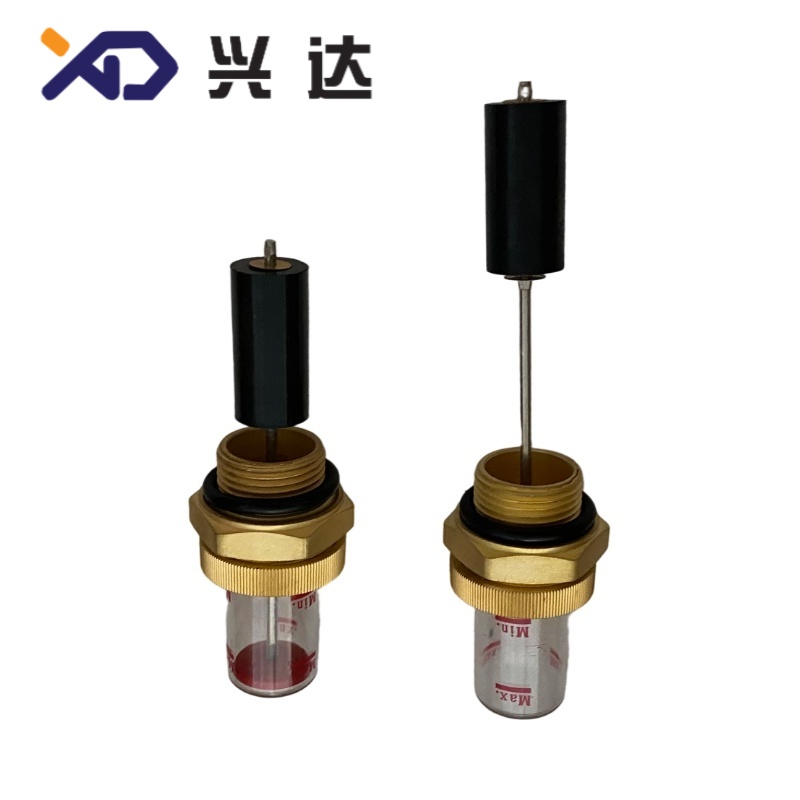
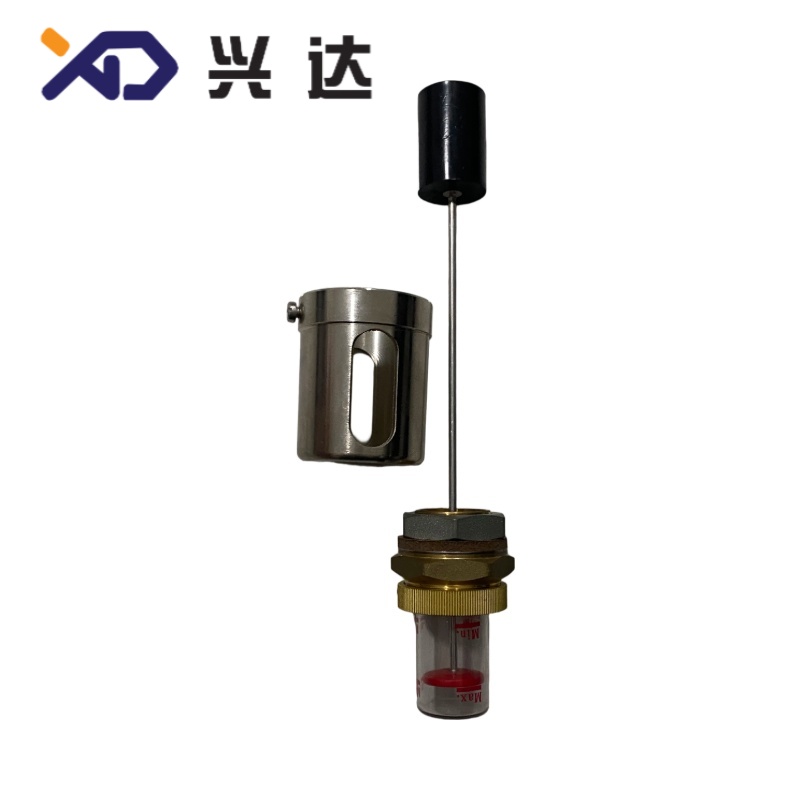
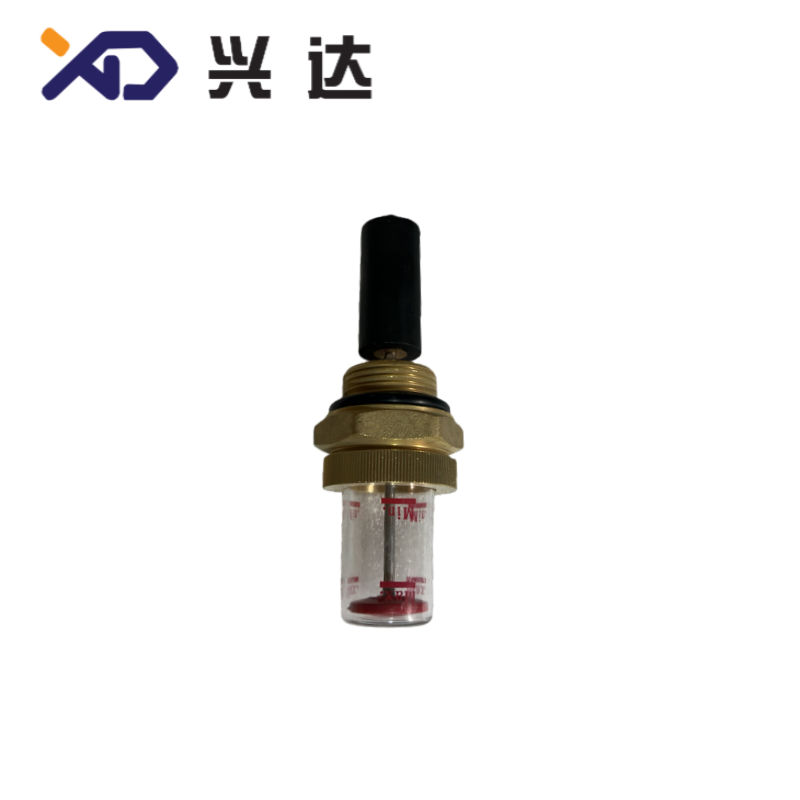
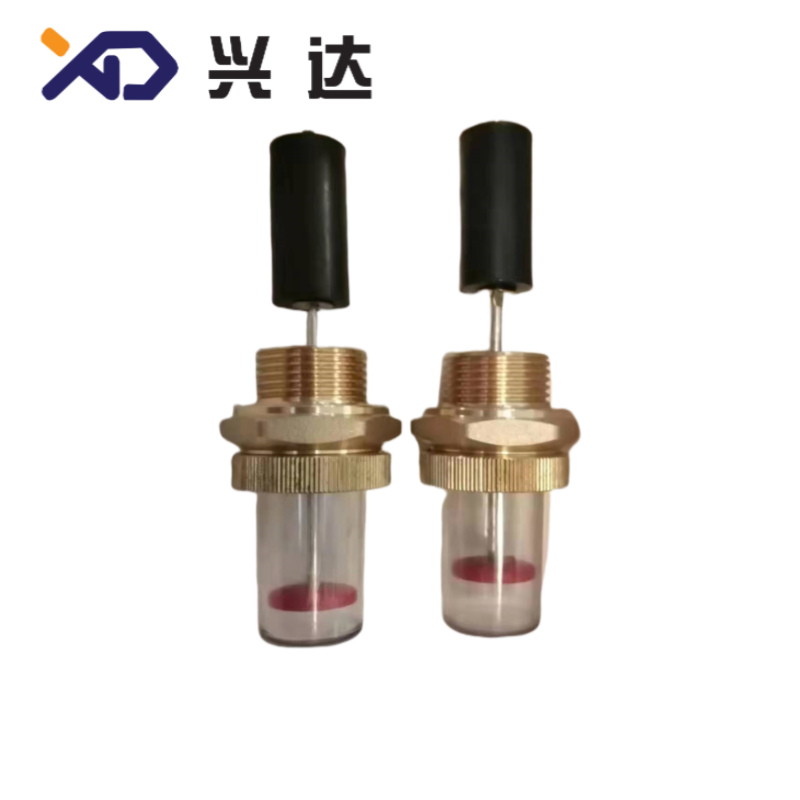
Transformer Oil Level Gauge: Types, Working Principle, Specifications & Selection Guide
Transformer Oil Level Gauge: Types, Working Principle, Specifications & Selection Guide
Meta Title: Transformer Oil Level Gauge – Working Principle, Types, Specifications & Buying GuideMeta Description: Learn everything about transformer oil level gauges: what they are, how they work, why they matter, the main types, and a complete specification table. A practical guide for power engineers and procurement teams.URL Slug: /transformer-oil-level-gauge-guide
What Is a Transformer Oil Level Gauge?
A transformer oil level gauge (also called an oil level indicator, oil sight glass, or conservator level gauge) is a small but critical instrument mounted on a power transformer's oil conservator (expansion tank). It continuously shows the height of insulating oil inside the tank so that operators can quickly confirm that the transformer contains enough oil to keep its insulation system fully immersed.
Liquid-immersed transformers rely on oil for two jobs at once: electrical insulation and heat dissipation. If the oil level drops too low, the active part (windings and core) may become partially exposed, leading to overheating, insulation breakdown, and eventually an expensive catastrophic failure. A reliable oil level gauge therefore acts as the "eyes" of the transformer, giving an early warning before damage occurs.
Because oil volume changes with temperature — expanding when hot and contracting when cold — the gauge reading also indirectly tells experienced engineers whether the oil expansion behaviour is normal. Combined with a thermometer tube and a pressure relief valve, the oil level gauge forms the essential trio of protective instrumentation installed on the transformer tank.
Why the Oil Level Matters: Key Benefits
Installing and monitoring an oil level gauge delivers several practical advantages for any utility, industrial plant, or maintenance team:
表格
| Benefit | What It Means in Practice |
|---|---|
| Protects the insulation system | Keeps windings and paper insulation fully submerged, preventing partial-discharge and flashover risks. |
| Prevents overheating | Ensures the cooling path (natural convection through the oil) is never interrupted by low level. |
| Early fault detection | A slowly dropping level may indicate a leak, a faulty conservator, or an internal fault developing long before trip level. |
| Reduces unplanned downtime | Allows planned top-ups during routine inspection instead of emergency outages. |
| Extends transformer life | Consistent, adequate oil level slows paper ageing and oxidation, protecting your largest asset. |
| Supports predictive maintenance | Trending the level against temperature gives maintenance teams a cheap, effective diagnostic signal. |
How Does a Transformer Oil Level Gauge Work?
The most common modern design is the magnetic flap (magnetic level gauge), which works without any moving part penetrating the oil chamber:
- A float inside the conservator moves up and down with the oil surface.
- A magnet embedded in the float rotates a series of flap indicators on the outside of the tube.
- The flaps flip to show different colours (typically red over the oil level and white/grey below it), giving a clear local readout.
Because the indicator is magnetically coupled, there is no mechanical seal failure and no direct leak path to the atmosphere — a major reliability advantage over older glass-tube designs.
Other common types include:
- Glass tube / sight glass gauges — the simplest design; a transparent tube shows the actual oil level directly. Low cost but glass can break and the seal can leak.
- Dial / pointer-type gauges — display the level on a calibrated scale; often used when a more "instrument-like" readout is preferred.
- Remote / signal-equipped gauges — add a float switch or analogue signal (e.g. 4–20 mA) so the level can be monitored by SCADA or a transformer monitoring system.
Types of Oil Level Gauges at a Glance
表格
| Type | Display | Leak Risk | Best For |
|---|---|---|---|
| Glass tube / sight glass | Direct visual | Medium | Small distribution transformers, low budget |
| Magnetic flap | Coloured flaps | Very low | Power & distribution transformers (recommended) |
| Dial / pointer | Calibrated scale | Low | Where an instrument-style readout is preferred |
| With remote signal | Local + remote | Very low | SCADA / online monitoring systems |
Complete Specification Table (Typical Magnetic Flap Oil Level Gauge)
The following specification table summarises the parameters of a typical magnetic flap oil level gauge (model-class UHZ-01), including both the gauge body and its installation flange, as commonly specified in transformer accessory drawings:
表格
| Parameter | Specification |
|---|---|
| Model | UHZ-01 type magnetic flap oil level gauge |
| Operating principle | Magnetic flap indication (no moving part in contact with oil) |
| Gauge body drawing | e.g. 9XD.YWB.01 |
| Installation flange drawing | e.g. 9XD.YWB.FL01 |
| Body mounting holes | 4 × Φ6.5 mm |
| Flange mounting bolts | 4 × M8 (thread depth ≈ 10 mm) |
| Flange through-holes | 4 × Φ8 mm |
| Viewing angle / window span | ≈ 148° |
| Flange / body diameters | Φ28 / Φ35 mm (typical) |
| Bolt-circle & related dimensions | 45 / 60 / 80 mm (typical drawing values) |
| Height | Adjustable (specified as "H" on drawings) |
| Material | Aluminium alloy flange; steel or stainless hardware; toughened glass window |
| Mounting position | Oil conservator / expansion tank of power transformer |
| Sealing | Static O-ring / gasket seal; no dynamic seal |
Note: Figures in this table are extracted directly from a standard transformer-accessory drawing and represent typical design values. Actual dimensions always follow the specific model's approved drawing and the transformer's conservator flange.
How to Choose the Right Oil Level Gauge
When selecting an oil level gauge for your transformer, evaluate these points:
- Compatibility with the conservator flange — confirm the flange bolt pattern (e.g. 4 × M8, 4 × Φ8) and opening diameter match your tank.
- Readability — choose high-contrast indication (red over oil, white below) for easy inspection from ground level.
- Sealing & leak resistance — a magnetically coupled design eliminates the dynamic seal and is strongly recommended for power transformers.
- Environmental durability — the flange and hardware should be corrosion resistant (aluminium anodised or stainless steel) for outdoor service.
- Remote monitoring need — if your site uses SCADA, specify a version with a float switch or analogue output.
- Installation height — confirm the "H" dimension fits the conservator so the full oil range is visible.
Installation and Maintenance Best Practices
- Install the gauge vertically on the conservator, ensuring the flange gasket seats squarely to avoid leaks.
- Calibrate / zero-check after installation against a known oil level.
- Inspect the window for fogging, cracks, or internal condensation on a routine schedule.
- Check the flange bolts periodically — thermal cycling can loosen hardware.
- Trend the oil level against temperature; a persistent drop usually points to a leak or a conservator fault.
- Clean the exterior window with a soft cloth; never use abrasive materials that could scratch the glass.
Oil Level Gauge and Other Transformer Accessories
An oil level gauge rarely works alone. On a modern power transformer it is typically combined with:
- Pressure relief valve — releases sudden internal overpressure to protect the tank.
- Thermometer tube — provides a pocket for temperature sensors to monitor winding/oil temperature.
- Breather / desiccator — removes moisture from air entering the conservator.
- Oil plug and flange — allow sampling and draining of oil.
Together these components form a complete, reliable protection and monitoring system around the transformer's oil circuit.
Frequently Asked Questions (FAQ)
Q1: What is the function of an oil level gauge on a transformer?It indicates the oil level in the conservator so operators can ensure the active part stays fully immersed in insulating oil, protecting both insulation and cooling.
Q2: What is the most reliable type of oil level gauge?The magnetic flap type is widely considered the most reliable because it has no moving seal and no direct leak path to atmosphere.
Q3: Where is the oil level gauge installed?On the oil conservator (expansion tank) at the top of the transformer, where oil expansion and contraction occur.
Q4: Can the oil level gauge be connected to remote monitoring?Yes. Versions with a float switch or 4–20 mA output can be linked to SCADA or a transformer monitoring system.
Q5: How often should the oil level gauge be checked?During routine inspections (monthly for critical units), and immediately when the transformer trips or after any oil top-up or sampling.
Q6: What should I do if the oil level drops?Investigate for leaks first, then top up with the correct grade of oil following the manufacturer's procedure, and monitor the level again to confirm stability.
Conclusion
The transformer oil level gauge is a simple, low-cost component that delivers outsized protection for one of the most expensive assets in any power network. Choosing the right type — most often a magnetic flap oil level gauge with a properly matched flange — and keeping it correctly installed and inspected will extend transformer life, reduce downtime, and support a safe, predictable maintenance programme. When specified together with a pressure relief valve, thermometer tube, and breather, it completes a dependable protection suite for any liquid-immersed transformer.
Categories
Contact Us
Contact: Tianjin Delda Trading Co., Ltd
WhatsApp: +86 13662056855
Tel:
E-mail: solomon20210701@tjxddq.com
Add: Unit‑101, Workshop 3, Bozhong Automobile Industrial Park, No.5 Xianghui Road, Intersection of Xianghui Road and Gaoying Road, Beizhakou Town, Jinnan District, Tianjin, China