Oil Level Indicator
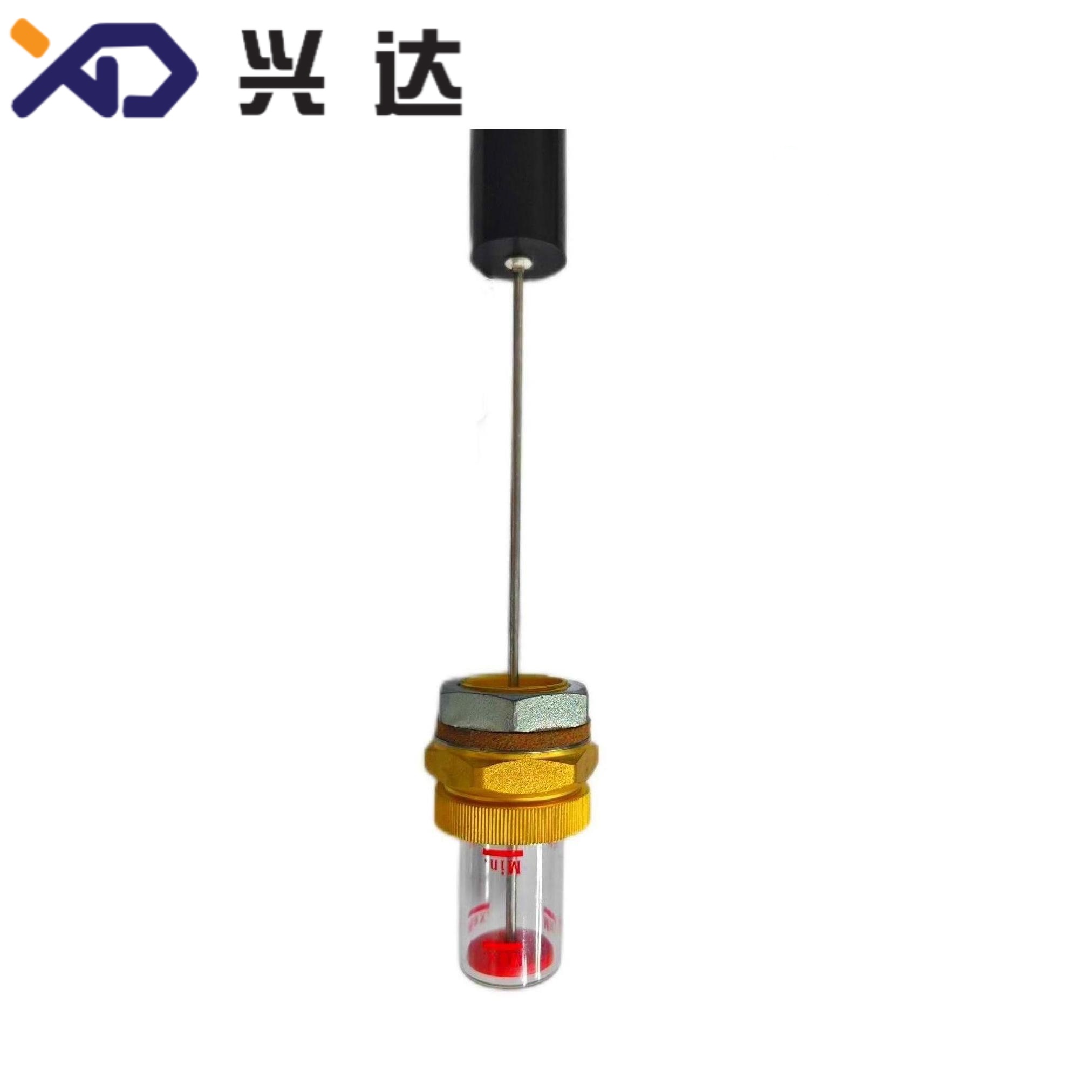
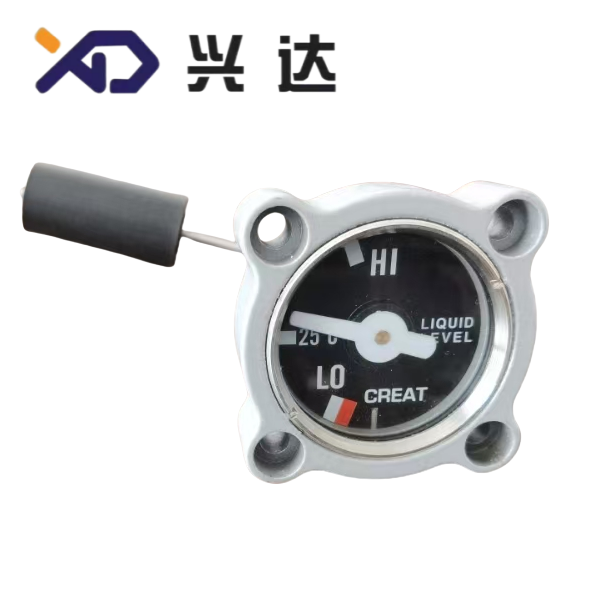
Transformer Oil Level Indicator for Oil Immersed Transformer
Oil Level Gauge: Full Technical Guide for Oil Immersed Transformers
What is an Oil Level Gauge
An oil level gauge is an essential monitoring accessory mounted on oil‑immersed transformers, reactors and oil‑filled power equipment. It provides direct visual or remote indication of the liquid level of insulating oil inside the transformer tank. Insulating oil expands and contracts as operating temperature rises and falls, which changes the oil volume inside the tank. The oil level gauge reflects such volume variation and helps maintenance staff judge the operating status of power equipment.
For distribution transformers and medium‑size power transformers, the oil level gauge serves two core monitoring purposes. First, operators can check whether the transformer has sufficient insulating oil during routine inspection. Second, continuous observation helps detect abnormal oil leakage over long‑term operation. If the oil level keeps dropping steadily without temperature reduction, it strongly indicates sealing failure and oil leakage on the transformer body, radiator, bushing or valve fittings.
Most standard oil level gauges are designed with temperature scale marks. The calibrated scales correspond to standard ambient temperatures, such as -20°C, 0°C, 20°C, 40°C. Maintenance personnel can compare the actual oil level with the standard scale according to local ambient temperature to confirm whether the oil filling quantity meets design requirements. Too much oil may cause internal overpressure during high temperature; insufficient oil reduces insulation and heat dissipation performance and raises equipment failure risks.
Main Types of Oil Level Gauge
According to working principle and reading method, oil level gauges widely used in transformer industry are divided into three mainstream types: sight glass oil level gauge, magnetic oil level gauge and remote signal oil level gauge. Each type has its own applicable scenarios, installation requirements and cost range.
1. Sight Glass Oil Level Gauge
Also known as transparent oil level sight indicator. It adopts thickened high‑strength glass or polycarbonate transparent window. Users can directly observe the oil liquid level through the transparent panel without any transmission structure.
- Advantages: Simple structure, low failure rate, convenient direct observation, low procurement cost.
- Limitations: Only local visual reading; cannot output remote alarm signal; transparent window may accumulate dirt after long outdoor operation and affect observation.
- Typical application: Small and medium distribution transformers, box‑type transformers.
2. Magnetic Oil Level Gauge
This structure uses a magnetic float moving up and down with the oil surface. The internal float drives external pointer through magnetic coupling. There is no direct mechanical penetration between the oil tank and external dial, which greatly reduces the risk of oil leakage at the installation position.
- Advantages: Reliable sealing performance, clear dial scale, strong anti‑pollution ability, stable pointer movement.
- Limitations: Higher cost than sight glass type; still only local display for basic versions.
- Typical application: Medium power transformers, outdoor transformers under harsh environment.
3. Remote Signal Oil Level Gauge
Built with magnetic float plus built‑in switch components. Besides local oil level reading, it can send switching signals when oil level reaches preset high or low limit positions. Signals can be connected to control cabinet, SCADA system or alarm device.
- Advantages: Support remote monitoring; automatic alarm for ultra‑high oil level and ultra‑low oil level; convenient for unattended substation projects.
- Limitations: Highest cost among three types; requires wiring construction during installation.
- Typical application: Large power transformers, centralized monitoring power stations, intelligent distribution projects.
Structure of Standard Oil Level Gauge
A complete oil level gauge assembly consists of these core components:
- Housing & Flange: Connects and seals with transformer tank opening. Common connection types include threaded connection and flange mounting. Sealing gaskets are clamped between flange and tank surface to prevent oil seepage.
- Float Assembly: Floats on the surface of transformer insulating oil. It moves vertically following oil level changes. Magnetic oil level gauge installs permanent magnet inside the float.
- Indication Structure: Transparent sight window or pointer dial used to display real‑time oil height. Temperature calibration scales are printed on the dial.
- Sealing Elements: Oil‑resistant rubber gaskets. Material is usually nitrile rubber (NBR) to resist corrosion from transformer mineral oil.
- Signal Switch Module (Optional): Only equipped on remote signal type oil level gauge, used for limit alarm output.
Parameter Reference Tables
Table 1: Oil Level Gauge Type Comparison
| Type | Local Visual Reading | Remote Alarm Signal | Sealing Risk | Anti‑Pollution Performance | Cost Level | Main Usage Scenario |
|---|---|---|---|---|---|---|
| Sight Glass Oil Level Gauge | Yes | No | Medium | General | Low | Small distribution transformer |
| Magnetic Oil Level Gauge | Yes | Optional | Low | Good | Medium | Outdoor medium transformer |
| Remote Signal Oil Level Gauge | Yes | Yes | Low | Good | High | Large transformer, unattended station |
Table 2: Ambient Temperature and Standard Oil Level Reference
Transformer oil level changes closely follow ambient temperature. Operators should refer to this table during oil filling and daily inspection.
| Ambient Temperature | Recommended Oil Level Position on Gauge | Operation Notes |
|---|---|---|
| -20°C | Low scale mark | Do not add oil blindly; avoid overfilling when temperature rises in summer |
| 0°C | Lower middle scale | Check whether oil level is stable to exclude slow leakage |
| 20°C | Middle standard mark | Standard reference position for oil filling work |
| 40°C | Upper scale mark | If oil level exceeds upper limit, proper oil draining is required |
Table 3: Common Mounting Specification of Oil Level Gauge
| Mounting Method | Common Size | Suitable Transformer Capacity | Installation Requirement |
|---|---|---|---|
| Thread Connection | G1½, G2 | ≤2500kVA distribution transformer | Vertical installation, avoid inclined angle over 15° |
| Flange Connection | DN50, DN80 | ≥3150kVA power transformer | Ensure uniform compression of sealing gasket |
Key Selection Guidelines for Oil Level Gauge
When selecting an oil level gauge for oil immersed transformer, four major factors need comprehensive evaluation.
- Transformer capacity and operating environmentSmall distribution transformers used in rural or urban conventional power grid can adopt sight glass oil level gauge to control cost. Transformers installed in coastal areas, industrial heavy pollution zones are recommended to choose magnetic oil level gauge, which is less affected by dust and salt fog. For unattended substations and large main transformers, remote signal oil level gauge is the preferred choice to realize automatic monitoring.
- Mounting interface sizeConfirm whether the transformer tank reserve opening adopts thread connection or flange connection. Mismatched interface size leads to impossible installation or poor sealing. The installation position should be arranged on the side wall of the oil tank, at the height corresponding to normal oil level range.
- Temperature adaptation rangeStandard oil level gauge adapts working temperature range from -40°C to 85°C. For regions with extremely low winter temperature, low‑temperature resistant sealing materials should be confirmed to prevent gasket hardening and oil leakage.
- Demand for remote monitoringIf the project requires access to remote monitoring system, users must select the model equipped with high/low limit signal switches. It is necessary to confirm switch contact capacity and signal type to match the rear control system.
Standard Installation & Maintenance Suggestions
Correct installation and regular maintenance can extend the service life of oil level gauge and reduce false observation or failure.
- Keep vertical installation as much as possible. Excessive tilt will cause the float to rub against the inner wall and affect flexible movement.
- Do not over‑tighten flange or thread connectors. Excessive torque will deform rubber gaskets and cause permanent sealing damage.
- For sight glass type, clean the transparent surface periodically to remove accumulated dust and oil dirt.
- During transformer oil draining or oil filling, observe the whole moving process of oil level pointer. If the pointer is stuck and cannot move up and down with oil surface, check whether the float is blocked.
Check sealing position regularly. Once slight oil seepage is found, replace the aging sealing gasket in time.
Common Faults of Oil Level Gauge
- Pointer jamming: The float is stuck by sundries inside the gauge cavity. The pointer cannot follow the oil level to rise or fall, resulting in inaccurate reading.
- Oil leakage at mounting position: Mostly caused by aging, deformation or uneven compression of sealing rubber gasket.
- Blurred sight window: Dust and oil contamination adhere to transparent surface, existing in sight glass type oil level gauge.
No alarm signal (remote signal model): Internal limit switch failure or wiring disconnection leads to failure of remote alarm function.
Summary
The oil level gauge is an indispensable monitoring component of oil immersed transformers. Sight glass type, magnetic type and remote signal type cover different levels of power equipment demands. Purchasers should confirm mounting interface, environmental conditions and monitoring demands before specification selection. Reasonable type selection, standardized installation and periodic inspection can guarantee long‑term accurate oil level monitoring, effectively avoid equipment accidents caused by abnormal insulating oil volume, and support safe and continuous operation of transformer power equipment.
PREVIOUS:Transformer Oil Level Gauge NEXT:Transformer Oil Level Gauge
Categories
Contact Us
Contact: Tianjin Delda Trading Co., Ltd
WhatsApp: +86 13662056855
Tel:
E-mail: solomon20210701@tjxddq.com
Add: Unit‑101, Workshop 3, Bozhong Automobile Industrial Park, No.5 Xianghui Road, Intersection of Xianghui Road and Gaoying Road, Beizhakou Town, Jinnan District, Tianjin, China