Epoxy Resin Bushing
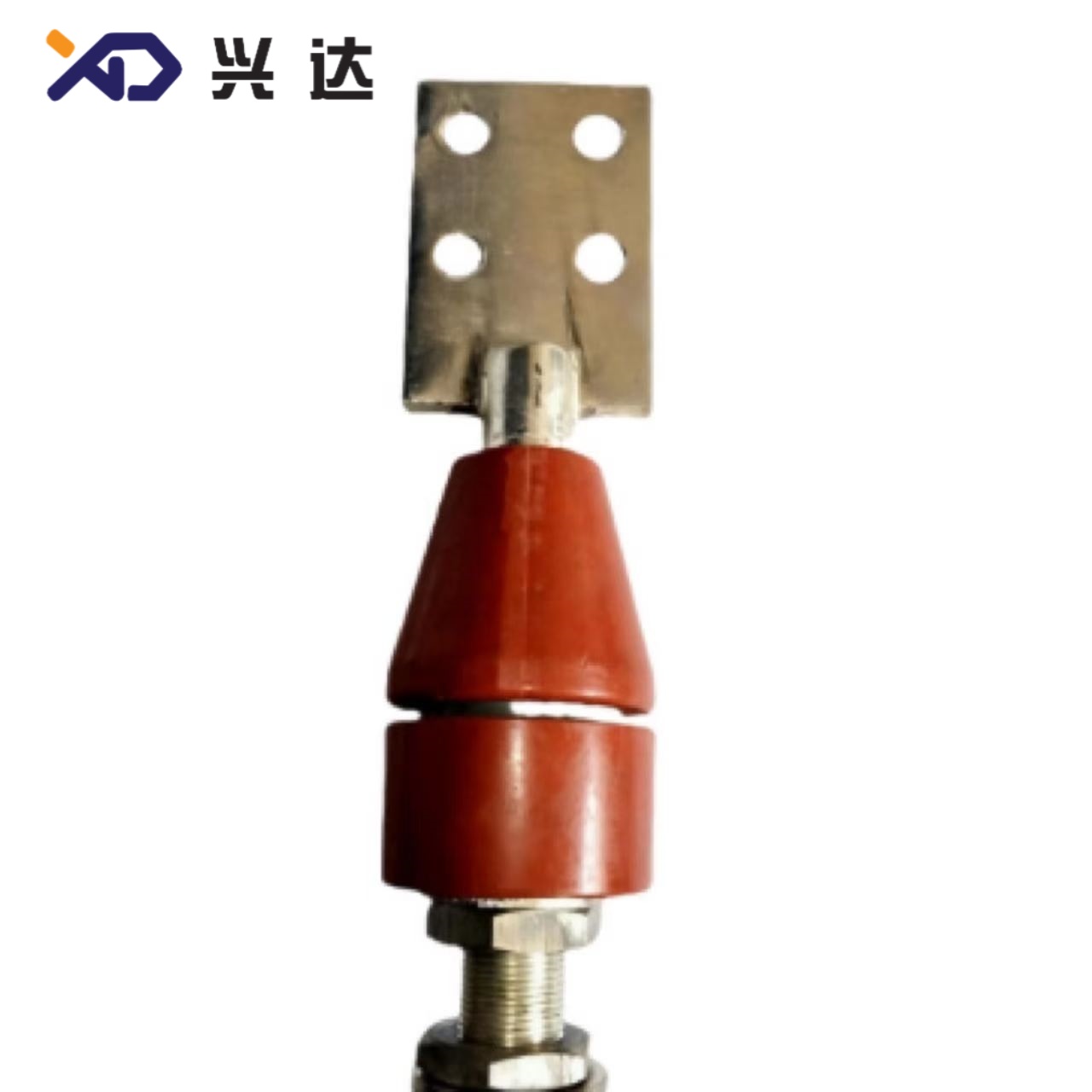
Epoxy Resin Bushing: Complete Guide for Power Transformer Insulation
Epoxy Resin Bushing: Complete Guide for Power Transformer Insulation
Font: Times New Roman
1. Introduction to Epoxy Resin Bushing
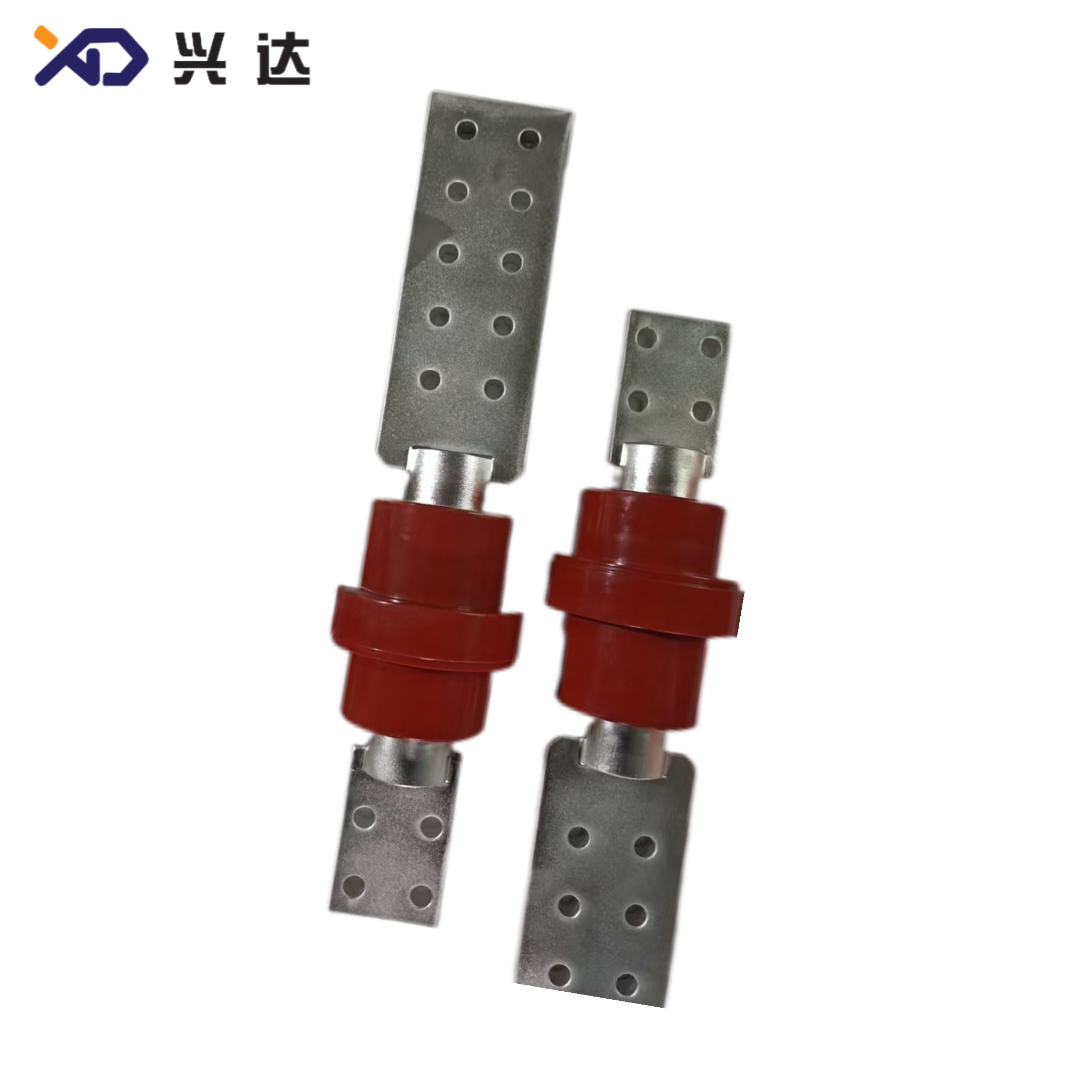
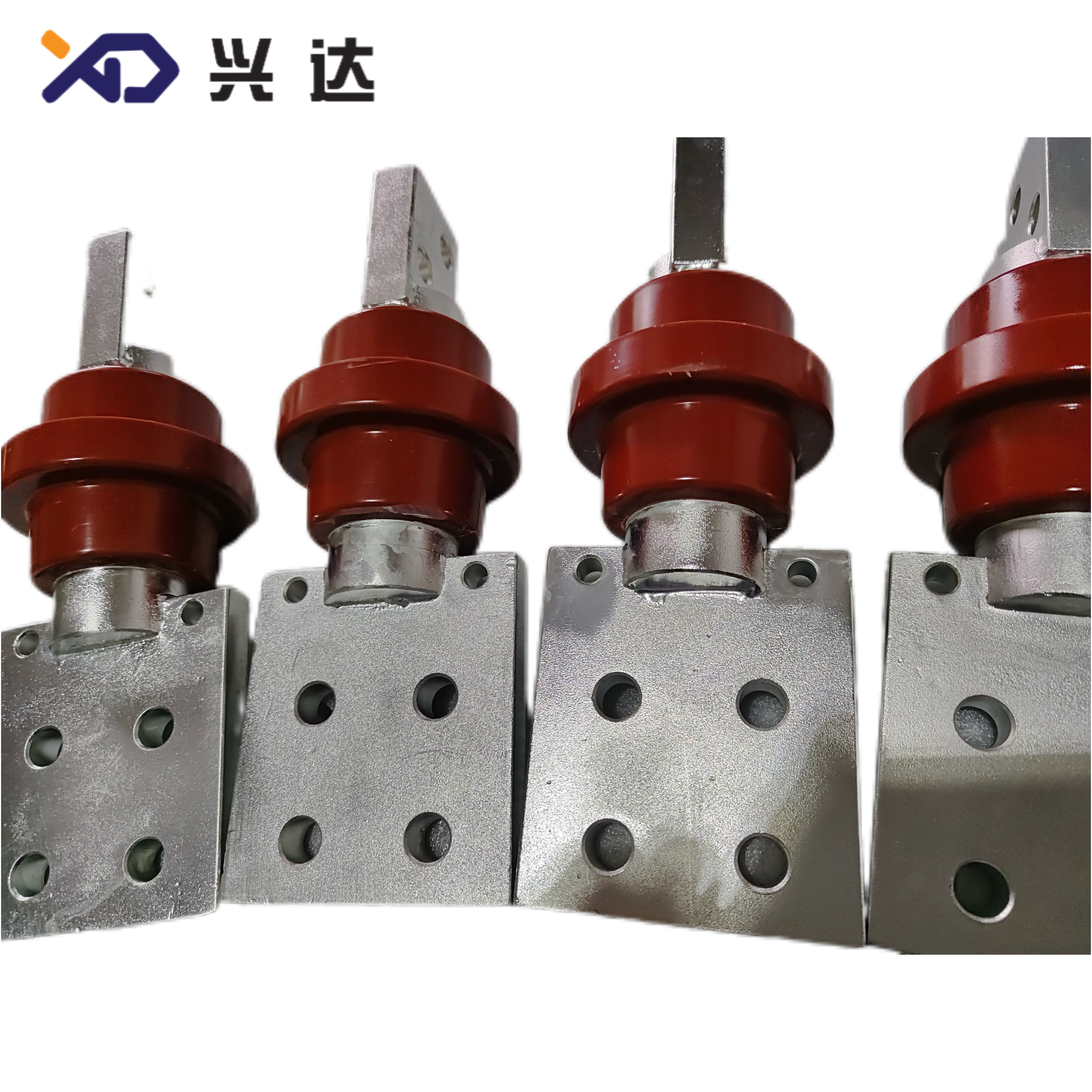
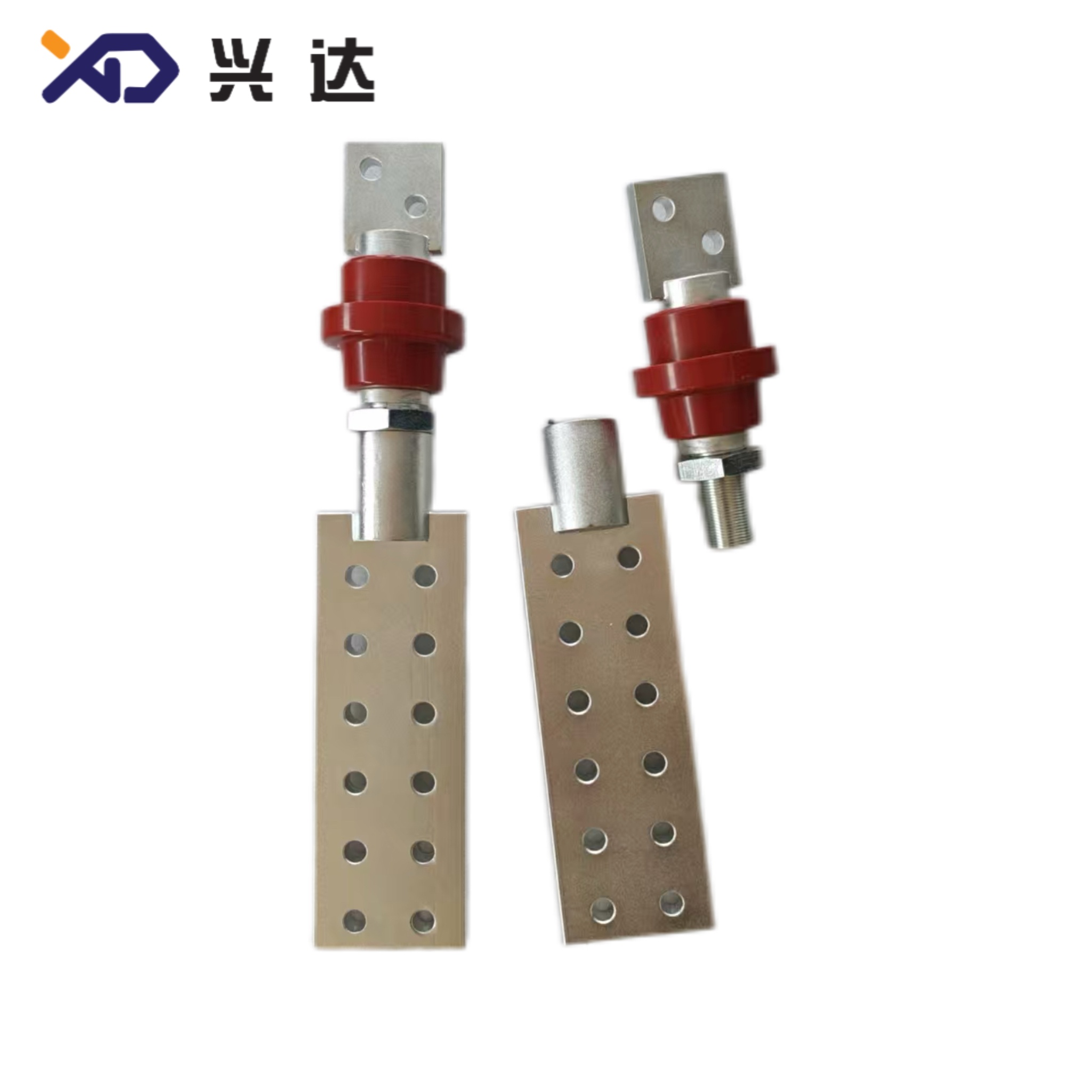
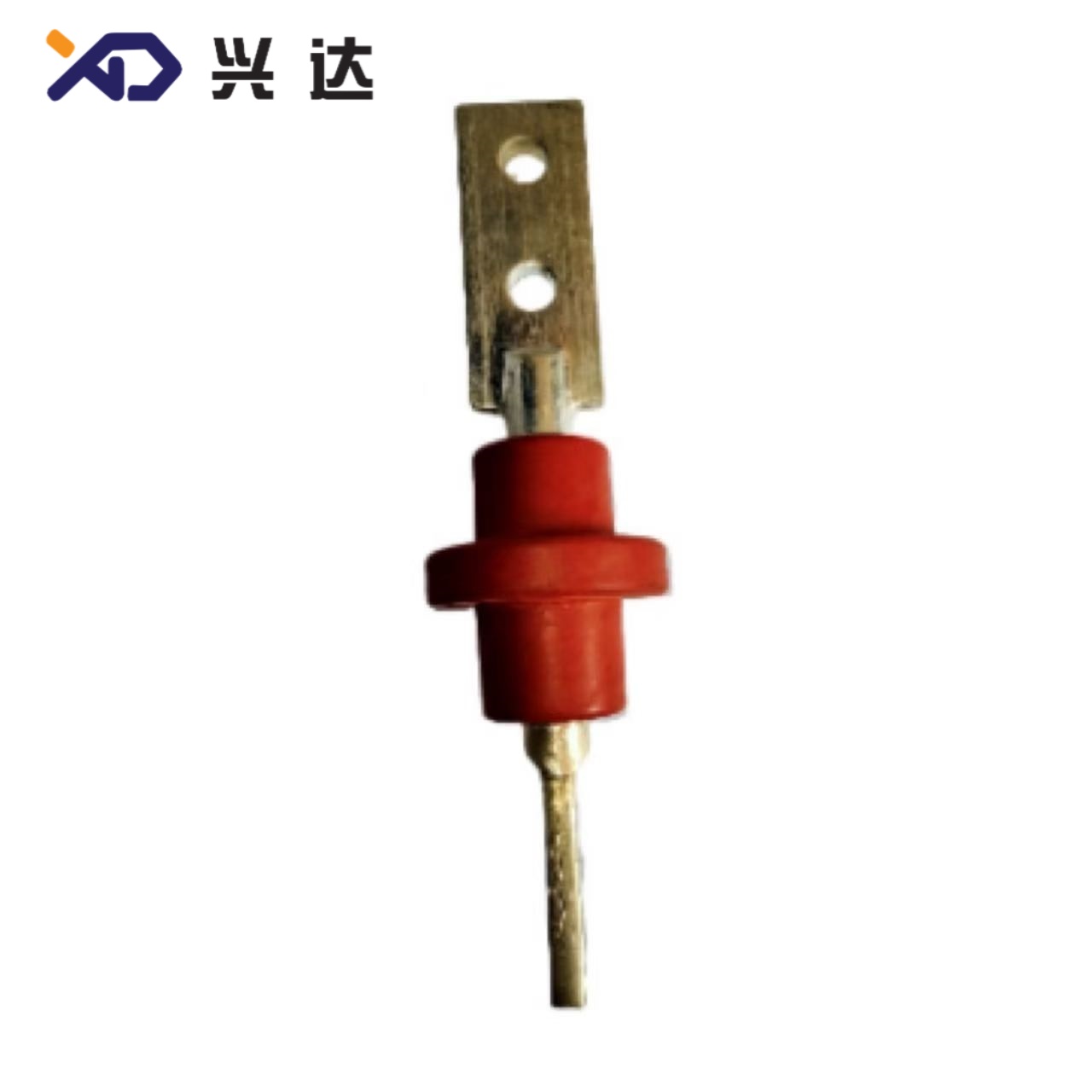
Epoxy resin bushing is a critical solid insulation component widely adopted in low voltage and medium voltage power transformers, distribution cabinets and other electrical power equipment. It works as an insulated passage for conductive metal rods passing through grounded metal tank walls of transformers. The core insulating medium is cast epoxy resin with excellent dielectric performance.
Unlike traditional porcelain transformer bushings, epoxy resin bushings are manufactured through vacuum casting technology. The production process mixes epoxy resin, curing agent and inorganic filler, then casts the mixture around the conductive core under vacuum environment. This manufacturing method eliminates air bubbles inside insulation material, ensuring stable insulation strength even under complex operating environments.
In power distribution networks, epoxy resin bushings isolate live conductors from the metal enclosure. Without qualified bushings, current leakage, partial discharge or short circuit faults may occur, threatening the safety of the whole power system. Epoxy resin bushings are commonly applied in distribution transformers, box-type substations, switchgears and other indoor electrical installations. The product can be customized according to engineering drawings to match different rated voltage, rated current and installation dimension requirements.
2. Core Definition and Working Principle
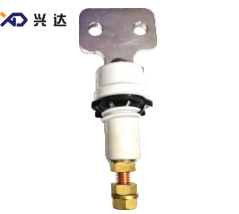
An epoxy resin bushing consists of three basic structural parts: conductive copper rod, cast epoxy resin insulation body and metal mounting flange. The conductive rod transfers load current; the epoxy resin body provides main electrical insulation; the metal flange fixes the whole bushing onto transformer tank or cabinet shell.
Its working principle relies on high dielectric strength of cured epoxy resin to block electric current between live conductor and grounded metal shell. When power equipment operates under rated voltage, the epoxy layer bears electric field stress and prevents electric breakdown. The filler inside epoxy resin also improves thermal conductivity, so heat generated by loaded conductor can dissipate outward smoothly.
Partial discharge resistance is one key design target during product development. Vacuum cast epoxy resin reduces internal voids which are the main cause of partial discharge. Low partial discharge value guarantees long service life for continuous running in power grid.
3. Key Advantages of Epoxy Resin Bushing
- Outstanding Insulation Performance Cured epoxy resin has high dielectric strength and stable insulation resistance. It maintains reliable insulation under normal temperature fluctuation and humid indoor working conditions. The material resists surface leakage current effectively.
- High Mechanical Strength Epoxy resin cast products own good tensile strength, bending strength and impact resistance. Compared with porcelain bushings, epoxy resin bushings are not easy to crack during transportation, installation or accidental collision. This reduces product damage rate in logistics and field assembly.
- Compact Structure and Light Weight Epoxy resin bushing design can achieve smaller overall dimension under same electrical parameters. Light weight simplifies installation work and lowers mechanical load on transformer tank. It saves space inside compact distribution equipment.
- Good Moisture and Chemical Resistance Solid epoxy resin is non porous after full curing. It blocks moisture penetration, so insulation property will not drop rapidly under humid indoor environment. It also resists weak acid, alkali and dust contamination commonly seen in power stations.
- Flexible Customization Capacity Manufacturers can adjust shape, installation hole position, creepage distance and terminal structure based on customer drawings. Custom epoxy resin bushings can satisfy non standard transformer and switchgear project requirements.
- Low Maintenance Demand Solid cast structure has no oil filled chamber, no gas cavity and no moving parts. There is no need for oil refilling or regular seal inspection during operation. Maintenance workload is much less than oil impregnated paper type high voltage bushings.
4. Main Technical Specifications
The table below lists common standard parameters for general epoxy resin transformer bushings. These specifications cover widely used models for low voltage and medium voltage distribution transformers.
表格
| Parameter Item | Technical Data Range |
|---|---|
| Rated Voltage | 0.4kV, 1.2kV, 3kV, 6kV, 10kV |
| Rated Current | 125A, 250A, 400A, 630A, 800A, 1000A, 1250A, 1600A, 2000A, 2500A, 4500A |
| Insulation Material | Vacuum Cast Epoxy Resin |
| Conductor Material | T2 Copper |
| Mounting Type | Flange Mounting |
| Operation Environment | Indoor, -40°C ~ +105°C |
| Partial Discharge Level | ≤10pC under specified test voltage |
| Power Frequency Withstand Voltage | Follow IEC, ANSI or DIN standards |
| Creepage Distance | Customizable per pollution grade |
| Standard Compliance | IEC 60137, ANSI C29.1, DIN 42530 |
5. Material and Manufacturing Process
Raw material selection determines final performance of epoxy resin bushing. The formula system usually includes bisphenol A epoxy resin, acid anhydride curing agent and fused silica filler. Fused silica filler improves thermal conductivity and reduces thermal expansion coefficient of cured epoxy, preventing crack caused by thermal cycling.
The primary manufacturing steps include mold preparation, conductive copper rod preprocessing, material mixing, vacuum casting, high temperature curing, demolding, machining and electrical testing. Vacuum casting is the most critical stage. Air inside casting tank is pumped out before pouring resin mixture to avoid voids.
After curing, the bushing will go through strict inspection. Inspection items include appearance check, dimension measurement, power frequency voltage withstand test, partial discharge test and resistance measurement. Products failing any electrical test will be rejected to ensure safe operation.
6. Application Scenarios of Epoxy Resin Bushing
Epoxy resin bushings are mostly used in indoor power equipment. The most typical application is low voltage side bushings for distribution transformers. It serves as the outlet terminal for transformer low voltage winding.
Other typical applications include indoor high voltage switchgear, ring main unit, box substation, rectifier transformer, welding transformer and reactor equipment. In renewable energy power stations, epoxy resin bushings are widely used inside box type transformers for solar power and wind power projects.
For outdoor heavy pollution environment, epoxy resin bushing may add external silicone rubber shed structure to extend creepage distance. But fully solid epoxy bushings without silicone sheds are mainly designed for indoor use. Users should select suitable type according to site pollution level and climate condition.
7. Comparison between Epoxy Resin Bushing and Porcelain Bushing
表格
| Feature | Epoxy Resin Bushing | Porcelain Bushing |
|---|---|---|
| Anti Breakage Performance | Excellent, resistant to impact | Fragile, easy to crack |
| Weight | Light | Heavy |
| Installation Flexibility | Support custom shape | Limited by porcelain molding |
| Moisture Resistance | Good for indoor use | Good, but surface glaze may age |
| Maintenance | Maintenance free | Simple cleaning required |
| Typical Application | Indoor LV / MV transformer | Indoor and outdoor transformer |
Porcelain bushing still keeps advantages in long term outdoor operation. However, epoxy resin bushing gradually becomes preferred selection for compact indoor distribution transformers due to shock resistance and flexible customization.
8. Installation Notes and Operation Guidance
Before installation, operators need to inspect epoxy resin bushing surface. Any scratch, crack or chipping on epoxy insulation surface will affect insulation performance and such products cannot be installed.
When tightening mounting bolts, torque must follow recommended value. Over tightening may create mechanical stress and crack epoxy body. Under tightening may cause poor sealing or loose contact, which leads to local overheating during heavy load operation.
During operation, avoid long term over current. Continuous over rated current will generate excessive heat and accelerate aging of epoxy resin. Dust accumulation on surface should be cleaned periodically to avoid surface tracking leakage.
9. Quality Testing and Industry Standards
Main global standards applicable for epoxy resin bushings include IEC 60137 for bushings for alternating voltage, ANSI C29.1 American standard for electrical porcelain and composite insulators, DIN 42530 German standard for transformer bushings.
Routine tests include visual inspection, dimensional check, power frequency withstand voltage test and partial discharge measurement. Type tests cover thermal cycling test, temperature rise test and lightning impulse test for medium voltage models. All these tests verify electrical and mechanical reliability before bulk delivery.
10. Aging Mechanism and Service Life
Epoxy resin aging comes mainly from thermal cycling, electric stress and surface contamination. Repeated temperature rise and cooling create cyclic thermal stress inside epoxy material. Long term electric field may cause slow electric aging. Dust and conductive contamination on surface can form leakage path.
If operated within rated parameters and clean indoor environment, vacuum cast epoxy resin bushing can achieve long service life matching transformer equipment. Proper design, qualified raw material and precise manufacturing all slow aging speed.
11. Conclusion
Epoxy resin bushing is a mature, reliable solid insulation component for modern low voltage and medium voltage transformers and indoor power equipment. Its prominent advantages include strong impact resistance, compact size, low maintenance and drawing based customization. It has become a mainstream alternative to traditional porcelain bushings for indoor distribution transformer projects.
When selecting epoxy resin bushings, buyers should confirm rated voltage, rated current, installation dimension and applicable industry standard. Correct model selection, standard installation and regular surface maintenance ensure stable and safe running of power transformers and distribution systems.
Categories
Contact Us
Contact: Tianjin Delda Trading Co., Ltd
WhatsApp: +86 13662056855
Tel:
E-mail: solomon20210701@tjxddq.com
Add: Unit‑101, Workshop 3, Bozhong Automobile Industrial Park, No.5 Xianghui Road, Intersection of Xianghui Road and Gaoying Road, Beizhakou Town, Jinnan District, Tianjin, China