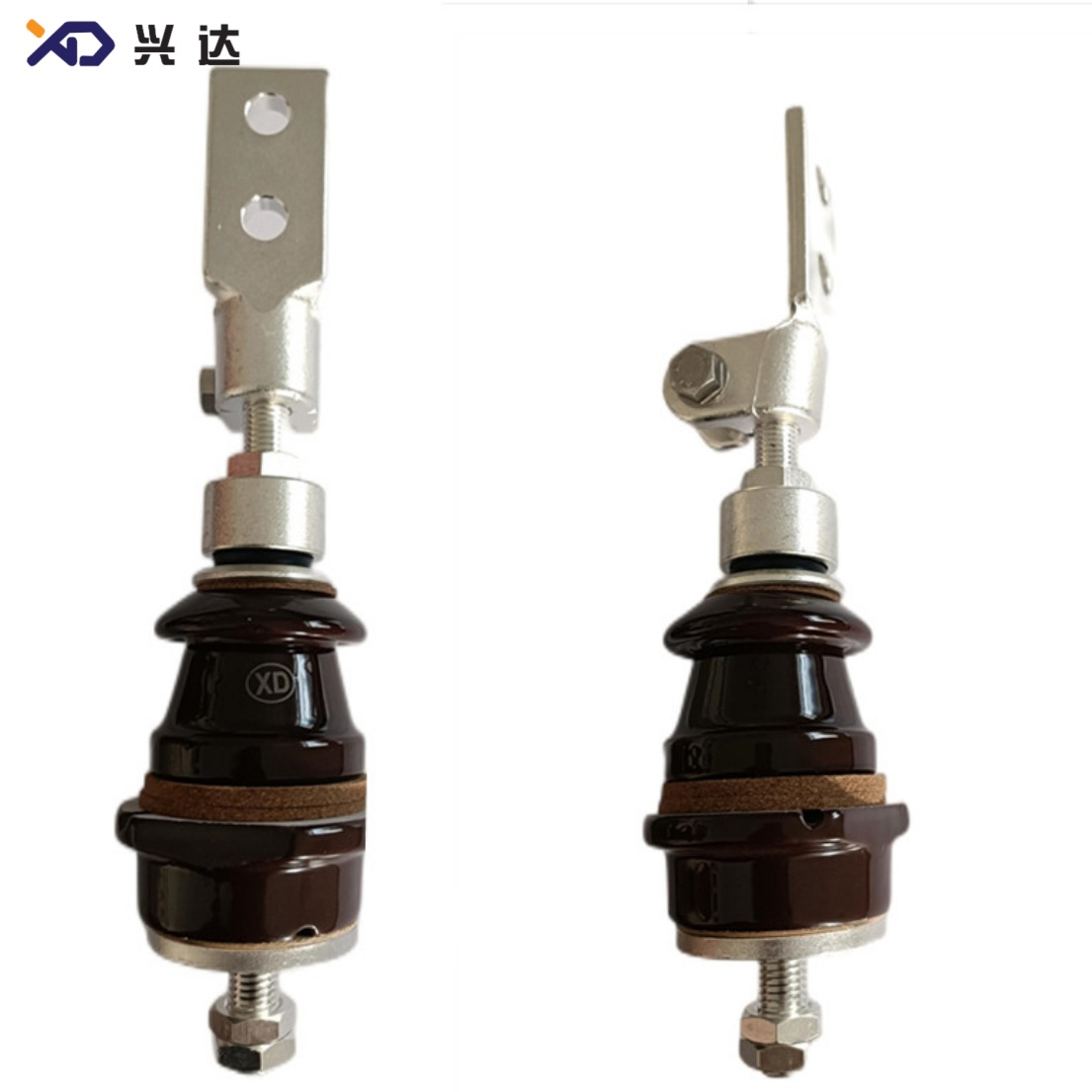
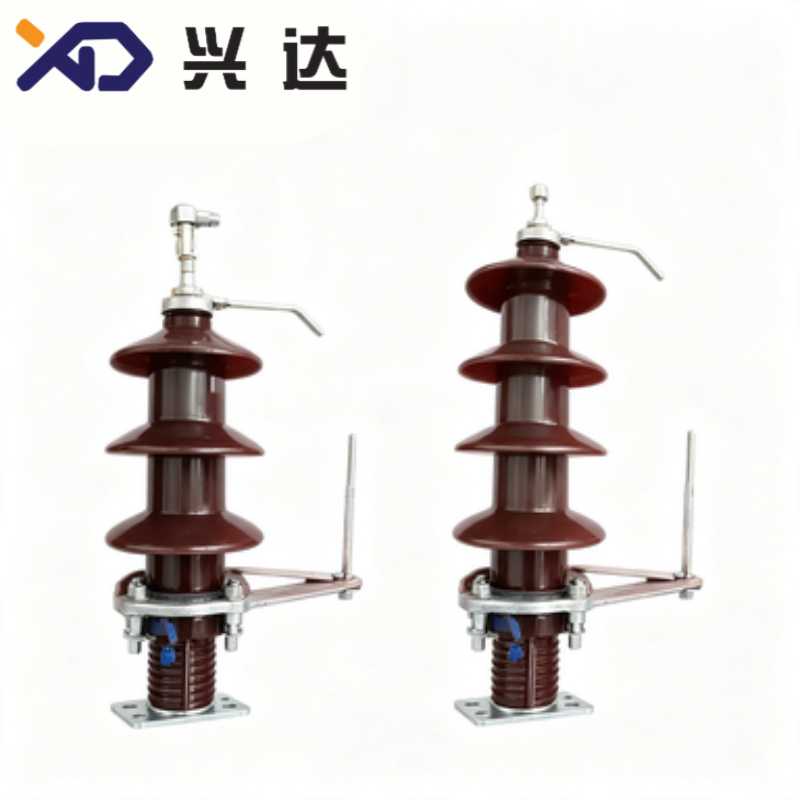
DIN Bushing

  • German Standard Transformer Bushing | DIN Transformer Bushing Technical Guide, Types, Specifications and Applications
  • German Standard Transformer Bushing | DIN Transformer Bushing Technical Guide, Types, Specifications and Applications
  • German Standard Transformer Bushing | DIN Transformer Bushing Technical Guide, Types, Specifications and Applications
German Standard Transformer Bushing | DIN Transformer Bushing Technical Guide, Types, Specifications and Applications German Standard Transformer Bushing | DIN Transformer Bushing Technical Guide, Types, Specifications and Applications German Standard Transformer Bushing | DIN Transformer Bushing Technical Guide, Types, Specifications and Applications

German Standard Transformer Bushing | DIN Transformer Bushing Technical Guide, Types, Specifications and Applications
German Standard Transformer Bushing (DIN Transformer Bushing): Complete Technical Guide for Power Transformer Applications

Meta Description:
Learn everything about German Standard Transformer Bushings including DIN transformer bushing structure, standards, materials, advantages, specifications, applications, installation and maintenance requirements.

Target SEO Keywords:
German Standard Transformer Bushing, DIN Transformer Bushing, DIN Standard Bushing, Transformer Bushing, Oil Immersed Transformer Bushing, Medium Voltage Transformer Bushing, Low Voltage Transformer Bushing, EN Transformer Bushing, Transformer Insulation Component, Power Transformer Accessories


1. Introduction to German Standard Transformer Bushing

A German Standard Transformer Bushing, also known as a DIN Transformer Bushing, is a critical insulation and connection component used in oil-immersed power transformers, distribution transformers, and electrical power equipment. The primary function of a transformer bushing is to provide a safe and reliable passage for electrical conductors through the grounded transformer tank while maintaining high insulation performance between the energized conductor and the transformer enclosure.

Transformer bushings designed according to German and European standards are widely recognized for their standardized dimensions, mechanical reliability, electrical safety, and interchangeability. These bushings are commonly applied in medium voltage transformers, high-current distribution transformers, industrial transformers, and utility power systems.

The German transformer industry has developed strict technical requirements for transformer components to ensure long service life, operational stability, and compatibility with international power systems. DIN and EN standards define important requirements for transformer bushings, including dimensions, mechanical strength, insulation characteristics, temperature rise, and installation compatibility.

For low-voltage liquid-filled transformers, DIN EN 50386 defines requirements for ceramic insulated bushings up to 1 kV and rated currents from 250 A to 5000 A.

For medium-voltage transformer applications, DIN EN 50180 series covers transformer bushings above 1 kV up to 52 kV and rated currents from 250 A to 3150 A, including general requirements and component specifications.

Because of their standardized design, German Standard Transformer Bushings are widely selected for modern transformer manufacturing, replacement projects, and electrical infrastructure upgrades.


2. What Is a German Standard Transformer Bushing?

A German Standard Transformer Bushing is an insulated electrical feed-through device installed on a transformer tank. It allows high-voltage or low-voltage conductors to enter or exit the transformer while preventing electrical breakdown between the conductor and the grounded metal enclosure.

The transformer bushing performs three essential functions:

  1. Electrical insulation

    It separates the energized conductor from the transformer tank and surrounding components.

  2. Mechanical support

    It supports the conductor and withstands mechanical forces caused by installation, vibration, thermal expansion, and short-circuit conditions.

  3. Environmental sealing

    It prevents transformer oil leakage and protects internal transformer insulation from moisture and contamination.

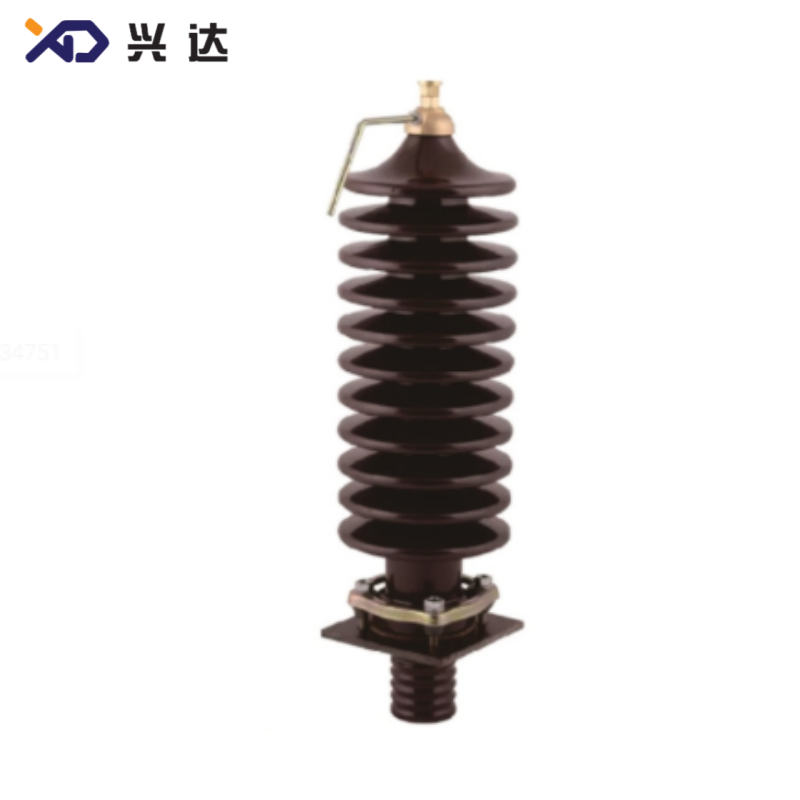
A typical DIN transformer bushing consists of:

  • Conductive terminal rod
  • Porcelain or resin insulation body
  • Mounting flange
  • Sealing gasket
  • Transformer-side connection terminal
  • External connection terminal
  • Insulating oil interface area

3. Definition of DIN Transformer Bushing

The term DIN Transformer Bushing generally refers to transformer bushings manufactured according to German DIN standards or harmonized European EN standards adopted by Germany.

DIN (Deutsches Institut für Normung) is the German Institute for Standardization. DIN standards provide technical specifications to ensure:

  • Product compatibility
  • Safety performance
  • Manufacturing consistency
  • Interchangeable installation dimensions
  • Reliable operation

In transformer engineering, DIN transformer bushings are commonly associated with:

StandardApplication AreaVoltage RangeCurrent Range
DIN EN 50386Low voltage transformer bushingsUp to 1 kV250 A – 5000 A
DIN EN 50180-1Medium voltage transformer bushingsAbove 1 kV up to 52 kV250 A – 3150 A
DIN EN 50180-2Bushing components requirementsAbove 1 kV up to 52 kV250 A – 3150 A


4. Importance of Transformer Bushings in Electrical Systems

Transformer bushings are among the most important external components of a transformer because they directly influence transformer reliability and operational safety.

A transformer without a properly designed bushing system cannot safely transfer electrical energy between internal windings and external power networks.

The major importance of transformer bushings includes:

4.1 High Voltage Insulation

Transformer bushings must withstand:

  • Rated operating voltage
  • Temporary overvoltage
  • Lightning impulse voltage
  • Switching impulse voltage
  • Partial discharge stress

High-quality insulation prevents:

  • Flashover
  • Internal breakdown
  • Transformer failure
  • Electrical accidents

4.2 Reliable Current Transmission

A transformer bushing must carry continuous electrical current without excessive heating.

Important electrical parameters include:

ParameterDescription
Rated VoltageMaximum operating voltage
Rated CurrentMaximum continuous current capacity
FrequencyUsually 50 Hz or 60 Hz
Temperature RiseHeat generated during operation
Insulation LevelAbility to withstand voltage stress

4.3 Mechanical Stability

Transformer bushings are exposed to:

  • Transformer vibration
  • Cable connection forces
  • Wind pressure
  • Thermal expansion
  • Short circuit electromagnetic forces

Therefore, mechanical strength is an essential design requirement.


5. Development of German Standard Transformer Bushings

The development of German transformer bushings has followed the evolution of transformer technology and electrical grid requirements.

Early transformer bushings mainly used simple porcelain insulation designs. As transformer voltage levels increased, more advanced insulation structures were developed.

Modern DIN transformer bushings commonly use:

  • High-strength porcelain
  • Epoxy resin insulation
  • Composite insulation materials
  • Advanced sealing systems
  • Optimized conductor designs

The main goals of modern transformer bushing development are:

  • Higher voltage capability
  • Compact structure
  • Better environmental resistance
  • Longer service life
  • Easier installation and replacement

6. Construction Structure of DIN Transformer Bushing

A typical German Standard Transformer Bushing contains several layers and components.

6.1 Conductive Core

The conductive core provides the electrical path between transformer windings and external circuits.

Common materials:

  • Copper
  • Electrolytic copper
  • Aluminum alloy

The conductor design affects:

  • Current carrying capacity
  • Temperature rise
  • Short circuit withstand capability

6.2 Insulation Body

The insulation body provides electrical isolation.

Common insulation materials:

Porcelain Insulation

Porcelain is one of the traditional materials used in transformer bushings.

Advantages:

  • Excellent dielectric strength
  • High mechanical strength
  • Good weather resistance
  • Long service history

Epoxy Resin Insulation

Epoxy resin bushings provide:

  • Compact structure
  • Lightweight design
  • Good moisture resistance
  • Easy manufacturing

6.3 Mounting Flange

The mounting flange connects the bushing to the transformer tank.

Functions:

  • Mechanical fixation
  • Oil sealing
  • Position alignment

Common materials:

  • Aluminum alloy
  • Stainless steel
  • Cast metal materials

6.4 Sealing System

The sealing system prevents:

  • Transformer oil leakage
  • Moisture penetration
  • Insulation degradation

Typical sealing materials include:

  • Nitrile rubber
  • Silicone rubber
  • Oil-resistant gasket materials

7. Main Types of German Standard Transformer Bushings

DIN transformer bushings can be classified according to voltage level, insulation material, and application.

7.1 Low Voltage Transformer Bushings

Low voltage transformer bushings are generally used for:

  • Distribution transformers
  • Industrial transformers
  • Auxiliary transformers

Typical voltage:

  • Below 1 kV

Typical current:

  • 250 A to 5000 A

Applications include:

  • LV transformer output terminals
  • Generator transformers
  • Industrial power systems

7.2 Medium Voltage Transformer Bushings

Medium voltage transformer bushings are designed for:

  • 6 kV systems
  • 10 kV systems
  • 20 kV systems
  • 24 kV systems
  • 36 kV systems

They are commonly installed on:

  • Oil immersed transformers
  • Substation transformers
  • Distribution transformers

7.3 Porcelain Transformer Bushings

Porcelain transformer bushings remain widely used because of:

  • Excellent insulation performance
  • High mechanical strength
  • Long operational history

Advantages:

FeatureBenefit
High dielectric strengthReliable insulation
Weather resistanceOutdoor application capability
Mechanical strengthStable operation
Long lifespanReduced maintenance

7.4 Resin Transformer Bushings

Resin insulated bushings are increasingly used because of:

  • Compact design
  • Lower weight
  • Good environmental performance

Typical applications:

  • Indoor transformers
  • Compact substations
  • Dry-type transformer systems


Contact Us

Contact: Tianjin Delda Trading Co., Ltd

WhatsApp: +86 13662056855

Tel:

E-mail: solomon20210701@tjxddq.com

Add: Unit‑101, Workshop 3, Bozhong Automobile Industrial Park, No.5 Xianghui Road, Intersection of Xianghui Road and Gaoying Road, Beizhakou Town, Jinnan District, Tianjin, China