DIN Bushing
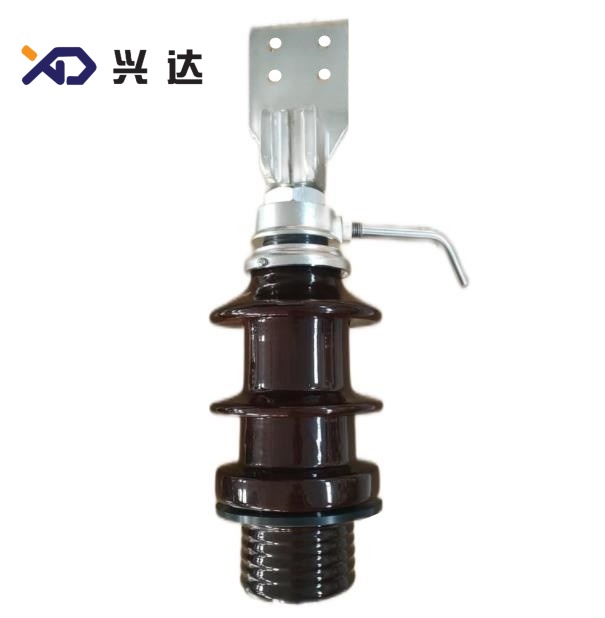
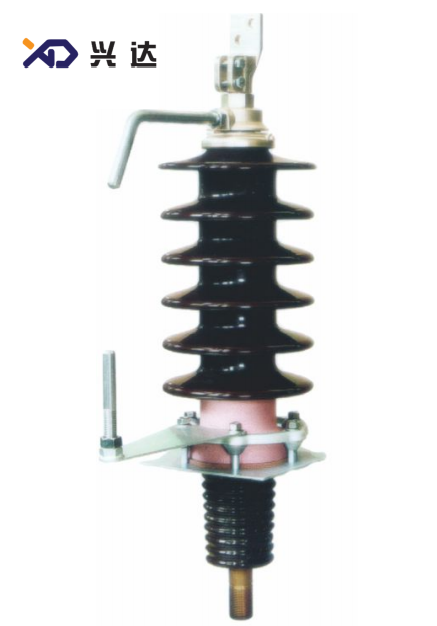
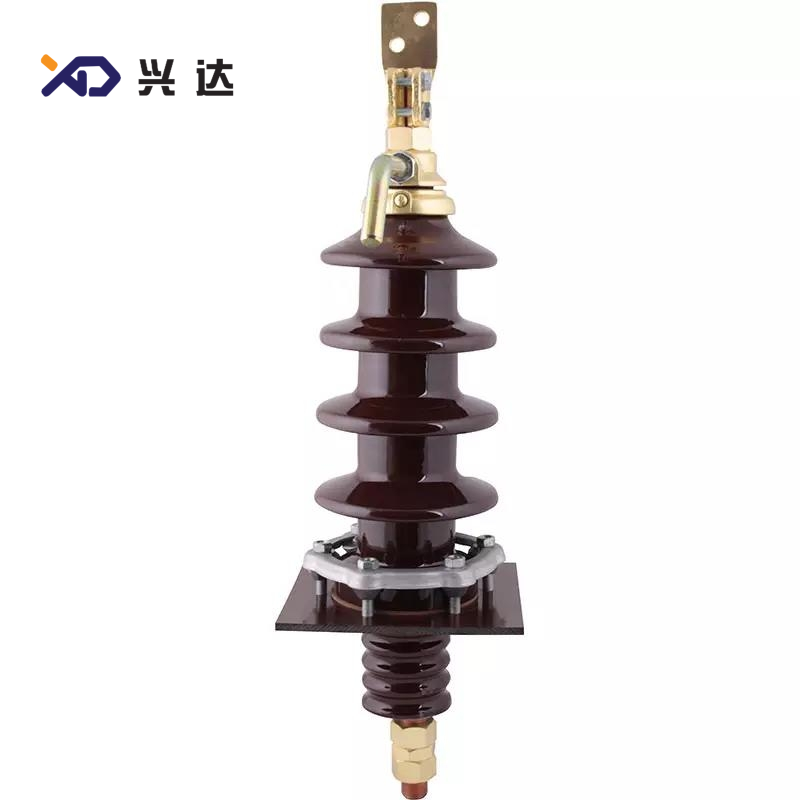
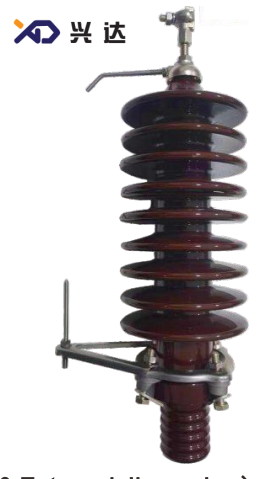
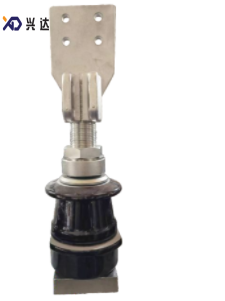
DIN Standard Porcelain Transformer Bushing for Distribution Transformers
DIN Bushing: Standard Types, Specifications, Advantages, Installation and Maintenance Guide
Introduction
DIN bushing is a standardized high-voltage insulating component manufactured according to German DIN industrial standards, widely adopted in European-style oil-immersed transformers, dry-type transformers, and medium-voltage power distribution systems. As a core transformer accessory, the DIN transformer bushing acts as a safe conductive passage for copper conductive rods while providing reliable electrical insulation between live components and grounded transformer tanks. Different from ANSI bushings designed for North American grids, DIN bushings feature compact dimensional tolerance, standardized mounting structure, precise mechanical matching, and excellent insulation consistency, making them the mainstream choice for European, Middle Eastern, and Asian standard power transformers.
In power transformer assembly, DIN bushing cooperates closely with transformer insulation material, iron core assemblies, brass flag terminals, and tap changer components to form a complete and stable power transmission system. The quality and standard compliance of DIN bushings directly affect transformer insulation performance, anti-pollution ability, sealing stability, and long-term operational safety. Non-standard or low-quality DIN bushings easily cause partial discharge, surface flashover, oil leakage, and insulation aging faults during long-term grid operation. This article provides comprehensive industry knowledge of DIN bushings, including core definitions, product classifications, standard specification tables, technical advantages, installation procedures, safety rules, and daily maintenance methods, delivering SEO-friendly, original, and Google-indexable content for power industry websites.
What Is DIN Standard Transformer Bushing
A DIN bushing is a high-precision insulating bushing that strictly complies with DIN 42530 and related IEC industrial standards for power transformers. It is composed of high-strength insulating materials, conductive copper rods, metal fixing accessories, and sealing gaskets. The primary function of a DIN bushing is to isolate high-voltage live circuits from grounded metal structures, support external wiring connections, and maintain the internal sealing performance of oil-immersed transformers.
Compared with general-purpose ordinary bushings, DIN bushings enforce unified dimensional standards, ultra-tight machining tolerance, and standardized electrical performance parameters. Every structural dimension, creepage distance, insulation thickness, and mounting hole position follows unified industrial specifications, achieving high interchangeability and compatibility. This standardization allows DIN bushings to perfectly match mainstream European transformer designs, supporting unified assembly, replacement, and after-sales maintenance of transformer iron cores, insulation material systems, and tap changer mechanisms.
Main Types of DIN Bushing
DIN transformer bushings can be classified by insulation material, voltage grade, structural form, and application scenario. Each type has fixed standard parameters and targeted usage environments in power distribution projects.
1. Classification by Insulation Material
Porcelain DIN bushings are the most widely used type, featuring high dielectric strength, excellent anti-pollution performance, stable mechanical rigidity, and long-term aging resistance. Manufactured with high-grade alumina porcelain and smooth glaze surface treatment, these DIN bushings effectively resist outdoor dust accumulation, salt fog corrosion, and ultraviolet degradation. Porcelain DIN bushings strictly follow DIN 42530 dimensional standards, ensuring unified creepage distance, insulation thickness, and mounting hole tolerance for full interchangeability. They are universally applied in standard oil-immersed distribution transformers, industrial transformers, and medium-voltage substation equipment.
Composite silicone rubber DIN bushings are the upgraded environmental-friendly type, adopting high-strength inner core and silicone rubber outer insulation. Compared with traditional porcelain bushing, composite DIN bushing is lightweight, anti-explosion, crack-resistant, and flexible in structural adaptation. It performs excellently in severe environments such as high altitude, heavy pollution, and coastal humid areas, effectively reducing pollution flashover risks and improving operational safety.
2. Classification by Voltage Level
DIN bushings are divided into low-voltage and medium-voltage types according to rated operating voltage, covering the full range of conventional distribution transformer applications. Low-voltage DIN bushings are mainly designed for 1kV to 3kV transformer low-voltage outlets, featuring compact structure, small installation space, and stable low-voltage insulation performance. Medium-voltage DIN bushings cover 12kV, 24kV, and 36kV voltage grades, which are the mainstream specifications for European standard outdoor distribution transformers and industrial power equipment.
3. Classification by Structural Feature
According to installation and sealing structure, DIN bushings can be divided into through-wall type and sealed integral type. Through-wall DIN bushings are used for conventional transformer tank penetration installation, matched with standard sealing gaskets to ensure oil tightness. Integral sealed DIN bushings adopt integrated molding technology, with better overall sealing performance, effectively preventing transformer oil leakage and external moisture infiltration, suitable for long-term unattended outdoor operation scenarios.
DIN Bushing Standard Technical Specification Table
All parameters below comply with DIN 42530 and IEC 60137 international standards, covering mainstream voltage grades, current ratings, creepage distances, and core performance indicators. This standardized data provides accurate reference for transformer design, product selection, and technical matching with transformer insulation material, iron core, tap changer and terminal accessories.
Rated Voltage | Rated Current | Standard Creepage Distance | Dry Arc Distance | Main Insulation Material | Core Application Scenario |
|---|---|---|---|---|---|
1kV / 3kV | 250A ~ 630A | 80mm ~ 120mm | 50mm ~ 80mm | High-strength Porcelain | Transformer low voltage side outlet |
12kV | 250A ~ 630A | 260mm ~ 320mm | 150mm ~ 180mm | Glazed Porcelain / Composite Rubber | Conventional European distribution transformer |
24kV | 400A ~ 630A | 360mm ~ 420mm | 200mm ~ 240mm | Glazed Porcelain / Composite Rubber | Industrial medium voltage power transformer |
36kV | 400A ~ 630A | 480mm ~ 550mm | 280mm ~ 330mm | High-grade Porcelain | Substation high-grade distribution equipment |
Unique Advantages of Standard DIN Bushing
1. Strict Standardization and High Interchangeability
DIN bushing follows unified German industrial DIN 42530 standards in all dimensions, tolerance ranges, and electrical parameters. All structural sizes, thread specifications, mounting aperture, and insulation layer thickness are standardized, realizing universal interchangeability among different batches and manufacturers. This feature greatly simplifies transformer mass production, accessory replacement, and after-sales maintenance, and ensures perfect matching with standard transformer insulation material systems and internal assembly structures.
2. Compact Structure and Precise Matching Performance
Different from oversized ANSI bushings, DIN bushings adopt compact and optimized structural design, which saves internal transformer space and is more suitable for European standardized compact transformer layout. The precise machining tolerance ensures zero deviation in matching with copper conductive rods, brass flag terminals, and tap changer mounting positions, avoiding assembly gaps caused by dimensional errors and reducing hidden dangers of partial discharge and loose connection.
3. Stable Insulation and Anti-Aging Performance
High-quality DIN porcelain bushings adopt high-purity alumina raw materials and high-temperature firing technology, with uniform internal structure and stable dielectric strength. The smooth anti-fouling glaze layer effectively isolates dust, moisture, and corrosive substances, maintaining stable insulation performance under long-term voltage load and environmental changes. It greatly delays insulation aging and extends the overall service life of transformer insulation systems.
4. Excellent Sealing and Oil Resistance
DIN bushing supporting sealing structures and gaskets are designed compatible with transformer insulating oil. The standard assembly structure effectively prevents transformer oil leakage, moisture penetration, and air bubble generation inside the insulation layer. Good sealing performance keeps the internal insulation material dry and stable, avoiding insulation performance degradation caused by dampness and oil deterioration.
5. Strong Mechanical and Vibration Resistance
Standard DIN bushings have high mechanical bending strength and impact resistance, which can resist long-term operating vibration of transformers, short-circuit electromagnetic impact, and external wind pressure. They will not crack or deform under normal operating conditions, ensuring long-term structural stability of transformer outlet components.
DIN Bushing Standard Installation Procedure
Standard installation is the key to ensuring the insulation performance and sealing reliability of DIN bushings. All installation steps must comply with industry operation specifications to avoid artificial defects affecting transformer operation life.
First, conduct pre-installation inspection. Check the DIN bushing surface for porcelain cracks, glaze peeling, thread damage, and insulation defects. Verify that the bushing voltage and current specifications match the transformer design parameters, and confirm the completeness of supporting sealing gaskets and fixing accessories. Second, clean the transformer tank mounting area to remove oil dirt, metal burrs, and dust, ensuring a flat, clean, and dry installation base surface.
Third, place the sealing gasket flatly and install the DIN bushing vertically to avoid tilting and lateral stress. Keep the bushing axis perpendicular to the transformer tank surface to ensure uniform stress. Fourth, fix the nuts in diagonal symmetrical order to realize uniform compression of the sealing ring, effectively preventing oil leakage gaps. Finally, install internal conductive rods and external terminals, adjust connection tightness, and complete insulation resistance testing and sealing inspection before putting into operation.
Critical Safety Requirements for DIN Bushing Operation
All installation, replacement, and maintenance work of DIN bushings must be carried out under power-off, discharge, and grounding state. Live operation of bushing components is strictly prohibited to prevent electric shock accidents and equipment short-circuit faults. During installation, violent knocking and extrusion are forbidden to avoid hidden cracks inside the porcelain insulation layer.
For outdoor installed DIN bushings in high-pollution, coastal, and high-altitude areas, priority should be given to enhanced creepage specifications to prevent pollution flashover and wet flashover faults. Regular insulation testing and surface cleaning are required to remove accumulated dust and corrosive attachments and maintain stable dielectric performance.
Common DIN Bushing Fault Causes and Prevention Methods
Most DIN bushing faults are caused by insulation aging, poor sealing, mechanical damage, and environmental erosion. Common failure phenomena include partial discharge, surface flashover, oil leakage, and insulation breakdown.
Long-term overvoltage operation and overload heating will accelerate the aging of bushing surface insulation and internal matching insulation material, reducing dielectric strength. Poor installation sealing leads to moisture and air entering, causing insulation dampness and increased dielectric loss. External mechanical impact and long-term vibration will produce tiny cracks in the porcelain layer, gradually expanding to form insulation failure channels.
Effective preventive measures include selecting standard DIN42530 compliant bushings, implementing standardized installation processes, regularly detecting insulation resistance and sealing performance, cleaning surface pollution, and avoiding long-term transformer overload operation. Timely maintenance can effectively extend the service life of DIN bushings and ensure stable power grid operation.
DIN Bushing vs ANSI Bushing Core Differences
DIN bushings and ANSI bushings correspond to European and North American power grid standards respectively, with obvious differences in structural design, dimensional tolerance, and application orientation. DIN bushings feature compact structure, precise tolerance, and standardized assembly, suitable for European, Middle Eastern, and Asian standard transformers. ANSI bushings have larger creepage distance and stronger outdoor anti-pollution performance, more adapted to North American outdoor pole-mounted transformer scenarios.
In transformer supporting matching, DIN bushings are more compatible with compact transformer iron core layout, conventional tap changer structures, and standard European insulation material systems, while ANSI bushings are more suitable for large-size outdoor transformer overall design.
Application Scenarios of Standard DIN Bushing
- European standard oil-immersed distribution transformers for urban and rural power grids
- Medium and low voltage industrial transformers for factory power distribution systems
- Indoor and outdoor substation matching power equipment
- Compact dry-type transformers and energy-saving distribution transformer units
- Complete transformer sets matched with standard insulation material, tap changer and conductive terminal accessories
- Renewable energy power generation supporting distribution transformers
Conclusion
DIN bushing is an indispensable standardized insulating component for European-style power transformers and modern distribution power systems. With strict DIN standard specifications, compact structural design, stable insulation performance, excellent sealing ability, and high interchangeability, DIN bushings ensure safe, reliable, and long-term operation of various medium and low voltage transformers. They cooperate perfectly with transformer insulation material, iron core assemblies, tap changers, and conductive terminals to form a complete and stable transformer electrical system.
Selecting qualified standard DIN bushings, implementing standardized installation and scientific daily maintenance can effectively reduce transformer insulation faults, avoid oil leakage and flashover risks, and reduce long-term operation and maintenance costs. As global power grid standardization continues to advance, DIN standard transformer bushings will maintain wide market adaptability and become a core standard accessory for high-quality transformer manufacturing and power grid stable operation.
Categories
Contact Us
Contact: Tianjin Delda Trading Co., Ltd
WhatsApp: +86 13662056855
Tel:
E-mail: solomon20210701@tjxddq.com
Add: Unit‑101, Workshop 3, Bozhong Automobile Industrial Park, No.5 Xianghui Road, Intersection of Xianghui Road and Gaoying Road, Beizhakou Town, Jinnan District, Tianjin, China