DIN Bushing
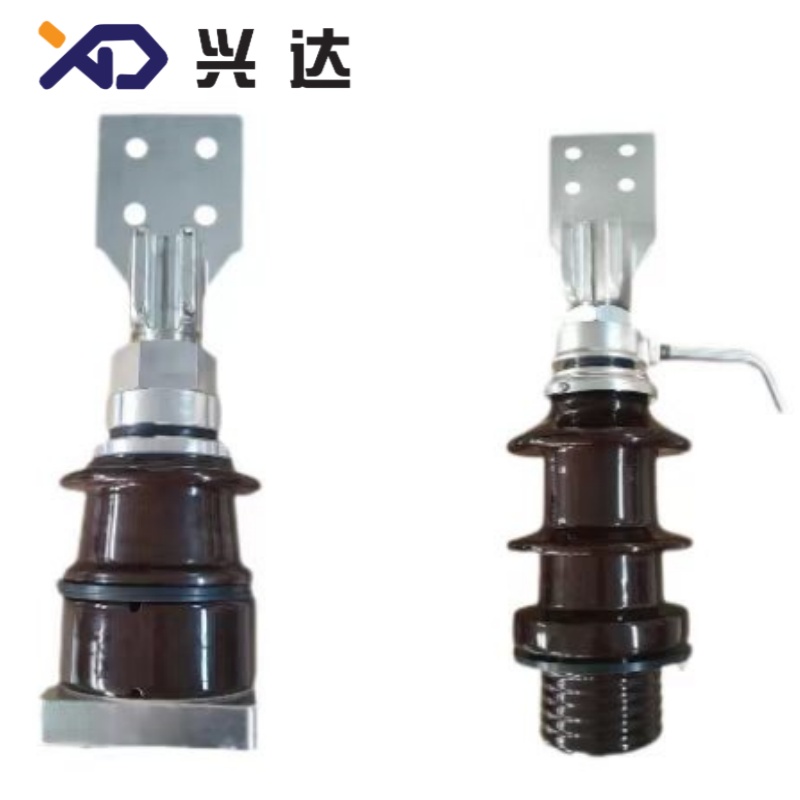
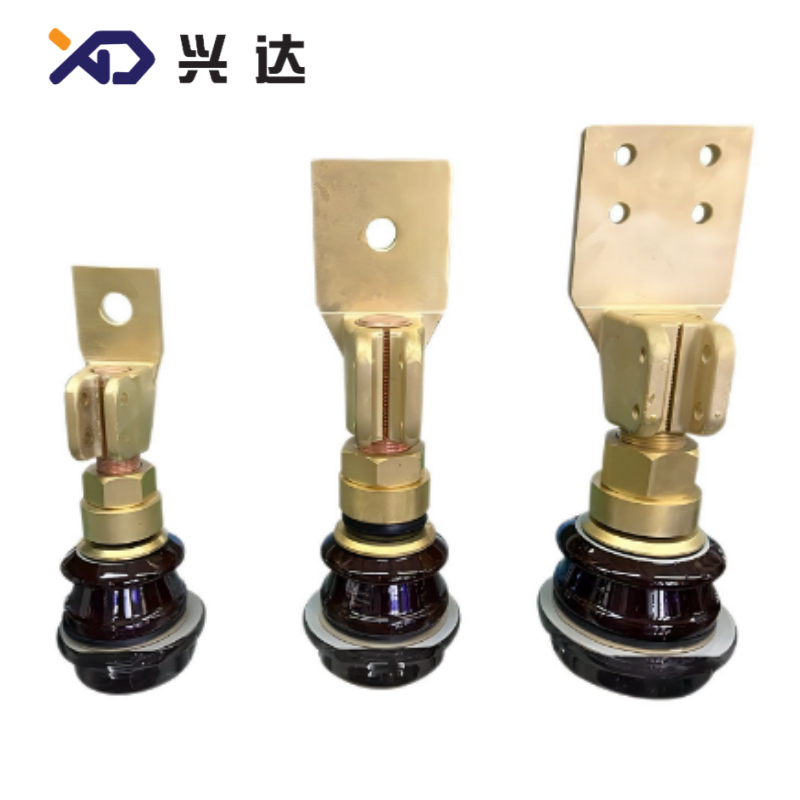
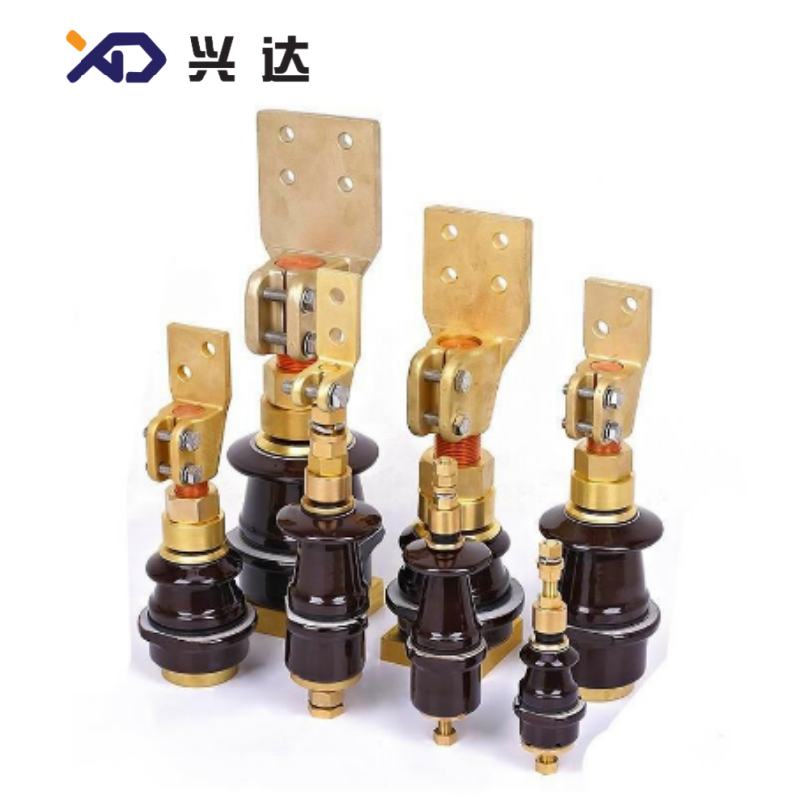
DIN 15kV To 35.5kV Oil Immersed Transformer Bushing Technical Specifications Overview
DIN Bushing Complete Technical Guide for Oil-Immersed Transformers
Word Count: 1620 | Core SEO Keywords: DIN bushing, DIN standard high voltage bushing, DIN 42530 transformer bushing, oil immersed DIN bushing, DIN porcelain bushing, DIN composite bushing, DIN 15kV 35.5kV bushing, DIN bushing vs ANSI bushing, DIN transformer bushing specification, medium voltage DIN bushing
Table of Contents
- Definition of DIN Standard Transformer Bushing
- Core DIN Regulatory Standards for HV Transformer Bushings
- Two Main Types of DIN Bushings & Material Performance Table
- DIN 15kV–35.5kV Oil Immersed Bushing Full Specification Table
- Key Engineering Advantages of DIN Standard Bushings
- Mandatory Factory & Field Test Standards for DIN Bushings
- DIN Bushing Global Application Scenarios
- DIN vs ANSI High Voltage Transformer Bushing Comparison Table
- DIN Bushing Selection Rules for Single-Phase Oil Transformers
- Maintenance & Fault Diagnosis Checklist for DIN HV Bushings
1. Definition of DIN Standard Transformer Bushing
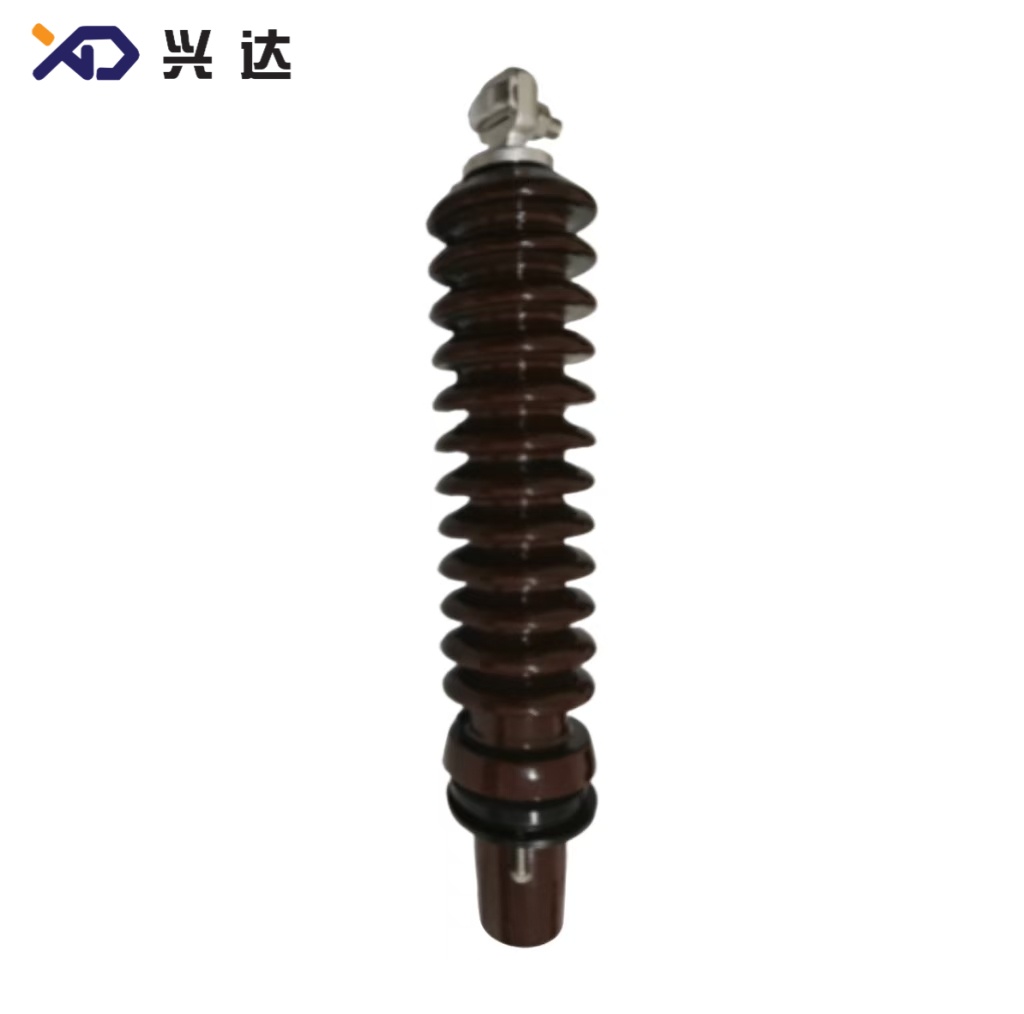
A DIN bushing refers to a standardized insulating penetration component manufactured to specifications released by Deutsches Institut für Normung (DIN), specially engineered for oil-immersed distribution and single-phase transformers. DIN high voltage bushings act as the critical isolation channel between internal transformer live windings and grounded metal tank walls, delivering three core industrial functions: high-voltage electrical insulation, mechanical load support for external cable terminals, and fully oil-tight sealing to stop mineral insulating oil leakage from transformer enclosures.
DIN bushings cover low, medium and high voltage classes from 1kV up to 35.5kV, with 15kV, 24kV and 35.5kV variants dominating medium voltage power grid projects. Unlike non-standard custom insulators, all DIN bushings adopt unified metric dimensions, standardized flange hole layouts, uniform terminal thread sizes and fixed creepage distance benchmarks. This strict standardization enables full cross-brand interchangeability, a core selling point for transformer OEMs, utility procurement teams and aftermarket maintenance service providers across Europe, Middle East, Southeast Asia and Africa.
For single-phase oil immersed transformers, DIN 15–35.5kV bushings are optimized for compact tank structures, narrow installation clearances and frequent temperature cycling caused by residential, agricultural and light industrial variable load conditions. Every DIN bushing design aligns with supplementary IEC 60137 international testing rules to unify dielectric safety thresholds for cross-border power equipment export.
2. Core DIN Regulatory Standards for HV Transformer Bushings
All industrial DIN transformer bushings follow a series of dedicated DIN documents, paired with harmonized EN and IEC standards for global compliance:
- DIN 42530: General base standard for low & medium voltage oil transformer bushings, defines flange mounting hole patterns, sealing gasket dimensions, metal fitting surface treatment and tank penetration assembly rules
- DIN 42531: 12kV–24kV porcelain HV bushing specifications, including creepage distance, power frequency withstand voltage and mechanical bending load limits
- DIN 42532: 35.5kV class single-phase transformer bushing standard, regulating lightning impulse BIL levels, pollution shed profiles and internal oil-impregnated paper insulation structure
- DIN 42533: High-current heavy-load DIN bushing rules for ratings 630A to 3150A, applicable to industrial distribution transformers
- DIN 42539: Supplementary standard for low voltage 1kV–3kV DIN porcelain bushings
- Cross Compliance Standards: IEC 60137 (universal bushing dielectric test protocol), EN 50180 (modern European alignment with legacy DIN dimensional requirements)
Even as updated EN standards gradually replace original DIN document revisions, DIN dimensional and performance criteria remain mandatory tender requirements in most EU, MENA and Asian power infrastructure bids, making DIN bushings irreplaceable for transformer export businesses targeting these regional markets.
3. Two Main Types of DIN Bushings & Material Performance Table
DIN standard high voltage bushings are split into two mainstream material categories: glazed porcelain DIN bushings and silicone rubber composite DIN bushings. Both types strictly follow identical DIN mounting dimensions, voltage ratings and terminal specifications, differing only in environmental adaptability, weight and service lifespan.
表格
| Performance Parameter | Porcelain DIN Bushing | Silicone Composite DIN Bushing |
|---|---|---|
| Outer Insulation Material | High-alumina glazed ceramic | Fiberglass epoxy tube + hydrophobic silicone rubber sheds |
| Total Unit Weight | 100% baseline weight, heavy | 40%–70% lighter than porcelain equivalents |
| Surface Hydrophobicity | Hydrophilic, accumulates salt and dust pollution | Permanent self-cleaning hydrophobic silicone surface |
| Mechanical Shock Resistance | Brittle, prone to cracking under impact or transportation vibration | Flexible, no shattering damage under minor collision |
| UV & Ozone Resistance | Moderate; glaze aging visible after 15–20 years outdoor operation | Excellent; stable performance over 30+ years coastal outdoor exposure |
| Standard DIN Dimensional Match | Full compliance with DIN 42530–42532 flange and thread rules | Identical mounting hole, gasket and terminal dimensions as porcelain DIN bushings |
| Standard Service Life | 20–25 years inland low-pollution grid sites | 28–35 years coastal, mining and industrial heavy pollution zones |
| Typical Application Scenarios | Rural inland distribution transformers, indoor transformer stations | Coastal salt fog grids, chemical industrial parks, high-altitude mountain power projects |
| Core Internal Insulation | Oil-impregnated kraft paper (OIP) | Resin-impregnated paper (RIP) or OIP dual options |
Key Structural Components Shared by All DIN Bushings
- Central conductive stem: Solid copper or tin-plated brass with metric M12, M20, M30 DIN standard threads
- Outer insulating shed assembly: Multi-tier shed design calibrated to DIN creepage distance standards
- Galvanized steel mounting flange: 6-hole uniform metric bolt circle per DIN 42530
- Standard nitrile rubber sealing gasket: Fixed thickness for oil-tight tank connection
- Internal insulating medium: Oil-impregnated paper matched to transformer mineral oil thermal expansion rates
4. DIN 15kV–35.5kV Oil Immersed Bushing Full Specification Table
This table collects standardized electrical, mechanical and environmental parameters for DIN medium voltage bushings used on single-phase oil transformers, covering the full 15kV, 24kV and 35.5kV voltage classes with mainstream continuous current ratings. All test values strictly follow DIN 42531 and DIN 42532 factory acceptance standards.
表格
| DIN Model Code | Rated Voltage (kV) | Rated Continuous Current (A) | Power Frequency Dry Withstand (kV) | Power Frequency Wet Withstand (kV) | Lightning Impulse BIL (kV) | Minimum Standard Creepage Distance (mm) | Standard Flange Layout | Terminal Thread Size | Continuous Operating Temperature Range |
|---|---|---|---|---|---|---|---|---|---|
| DIN MV15-250 | 15 | 250 | 95 | 40 | 125 | 305 | 6-hole DIN standard metric flange | M12 | -40°C ~ +120°C |
| DIN MV15-630 | 15 | 630 | 95 | 40 | 125 | 305 | 6-hole DIN standard metric flange | M20 | -40°C ~ +120°C |
| DIN MV15-1000 | 15 | 1000 | 95 | 40 | 125 | 310 | 6-hole DIN standard metric flange | M30 | -40°C ~ +120°C |
| DIN MV24-250 | 24 | 250 | 125 | 50 | 170 | 450 | 6-hole DIN standard metric flange | M12 | -40°C ~ +120°C |
| DIN MV24-630 | 24 | 630 | 125 | 50 | 170 | 450 | 6-hole DIN standard metric flange | M20 | -40°C ~ +120°C |
| DIN MV24-1000 | 24 | 1000 | 125 | 50 | 170 | 445 | 6-hole DIN standard metric flange | M30 | -40°C ~ +120°C |
| DIN MV35.5-250 | 35.5 | 250 | 170 | 70 | 200 | 607 | Deep lower shield DIN 6-hole flange | M16 | -40°C ~ +120°C |
| DIN MV35.5-630 | 35.5 | 630 | 170 | 70 | 200 | 607 | Deep lower shield DIN 6-hole flange | M24 | -40°C ~ +120°C |
| DIN MV35.5-1250 | 35.5 | 1250 | 170 | 70 | 200 | 615 | Deep lower shield DIN 6-hole flange | M30 | -40°C ~ +120°C |
Table Supplementary Notes: Extended creepage distance variants (+30%, +50%) are available for Pollution Class III and IV environments; extended shed models retain identical DIN flange dimensions without requiring transformer tank rework. All DIN bushing models support custom tin or silver plating on conductive stems for high-corrosion operating environments.
5. Key Engineering Advantages of DIN Standard Bushings
- Universal Metric Interchangeability Reduces Production & Maintenance CostsAll DIN 15–35.5kV bushings share unified metric flange hole spacing, gasket sizes and terminal thread standards defined in DIN 42530. Transformer manufacturers can source replacement DIN bushings from any compliant component supplier without custom machining, cutting production lead times and aftermarket maintenance labor costs for single-phase oil transformers. Utility fleets storing spare DIN bushings achieve cross-model inventory standardization, eliminating separate spare part stock for different transformer tank designs.
- Optimized Structure Matches Single-Phase Oil Transformer LayoutsDIN HV bushings feature compact tank penetration profiles tailored to the smaller tank dimensions of residential single-phase distribution transformers. The standardized multi-layer oil sealing structure eliminates recurring oil leakage faults frequently observed in unregulated non-standard bushings. Internal OIP insulation thermal expansion coefficients match mineral transformer oil, avoiding insulation separation and partial discharge risks under long-term temperature cycling.
- Strict Dielectric Safety Compliance with Dual DIN & IEC StandardsEvery DIN bushing completes mandatory power frequency withstand, lightning impulse, partial discharge and temperature rise tests aligned with both DIN and IEC 60137 specifications. Partial discharge levels are limited below 10pC at full rated operating voltage, eliminating gradual insulation degradation that causes unplanned transformer outages. All factory test records follow unified DIN data reporting formats for third-party audit and tender document submission.
- Ultra-Wide Environmental Operating AdaptabilityStandard DIN bushing designs support stable continuous operation from -40°C arctic cold climate sites to +120°C tropical hot transformer tank temperatures. Custom extended creepage shed options cover coastal salt fog, industrial chemical pollution, and high-altitude mountain grid infrastructure projects. Both porcelain and composite DIN variants pass DIN standardized salt fog pollution aging tests for heavy-contamination zones.
- Simplified Cross-Border Transformer Export CertificationFor transformer OEMs exporting single-phase oil transformers to Europe, Middle East and Southeast Asian markets, DIN-certified HV bushings satisfy local utility tender standard requirements without additional third-party re-certification. This streamlines customs clearance, tender bid approval and local grid inspection workflows compared to ANSI-only non-DIN bushing designs, which often require secondary dimensional and performance validation in target import countries.
- Long Service Lifespan with Minimal Routine MaintenanceField operation data collected from global power utilities confirms DIN porcelain HV bushings deliver 20–25 years of trouble-free service; composite silicone rubber DIN bushing variants extend service life to 30+ years with only annual surface cleaning requirements. Longer equipment lifespans reduce power grid capital expenditure for distribution asset replacement cycles.
6. Mandatory Factory & Field Test Standards for DIN Bushings
All DIN standard high voltage bushings must complete two tiers of testing before deployment: factory routine tests (conducted on every single unit) and type tests (destructive design validation for new DIN bushing models). Field diagnostic testing is required annually for in-service DIN bushings per utility maintenance guidelines.
6.1 Factory Routine Tests (100% Unit Inspection)
- Visual & Dimensional Inspection: Verify flange, thread, shed and creepage dimensions match DIN standard drawings; inspect metal plating, porcelain glaze and silicone surface for cracks, bubbles or defects
- Power Frequency Dry & Wet Withstand Voltage Test: Apply calibrated high voltage per DIN voltage class ratings to eliminate insulation breakdown risk
- Partial Discharge Measurement: Detect internal insulation defects, acceptance threshold <10pC at rated operating voltage
- Oil Tightness Sealing Pressure Test: Confirm zero mineral oil leakage under simulated transformer tank internal pressure
- Terminal Conductivity & Thread Tolerance Check: Ensure metric DIN thread compatibility with standard cable lugs
6.2 Mandatory Type Tests for New DIN Bushing Designs
- Full Wave Lightning Impulse BIL Test
- Long-Duration Temperature Rise Test at 120% rated continuous current
- Cantilever Mechanical Bending Strength Test to validate cable connection load resistance
- Salt Fog Pollution Aging Test for extended creepage DIN bushing variants
- Thermal Cycling Aging Test simulating -40°C to +120°C annual climate variation
6.3 Annual Field Diagnostic Tests for Installed DIN Bushings
表格
| Field Diagnostic Test | Test Equipment | Acceptance Standard for DIN Bushings | Testing Frequency |
|---|---|---|---|
| Insulation Resistance Test | 5kV Megohmmeter | Insulation resistance > 1000 MΩ | Annual |
| Tan Delta (Power Factor) Test | Dissipation Factor Bridge | Tan δ < 0.5% for new DIN bushings; <1.0% for aged units | Annual |
| Capacitance Measurement | Capacitance Bridge | Capacitance reading within ±5% of factory DIN datasheet baseline | Annual |
| Infrared Thermography Scan | Thermal Imaging Camera | No hot spots exceeding 15°C above surrounding bushing surface temperature | Annual |
| Visual External Shed Inspection | Visual & Flashlight Check | No crack, glaze spalling, silicone tearing or heavy pollution buildup | Quarterly visual spot check |
7. DIN Bushing Global Application Scenarios
DIN 15kV–35.5kV standard high voltage bushings are purpose-built for all oil-filled single-phase and small three-phase distribution transformer deployments across global power infrastructure sectors:
- Rural overhead residential single-phase distribution transformers (15kV and 24kV DIN bushings as primary selection)
- Agricultural irrigation pump station oil immersed single-phase transformers
- Remote off-grid solar energy storage auxiliary distribution transformers
- Small commercial building backup power single-phase oil transformers
- Mining site light-load distribution transformers (composite silicone DIN bushings preferred for dust and chemical pollution resistance)
- Coastal town residential grid transformers (extended creepage DIN bushing models)
- Railway auxiliary single-phase distribution oil transformers
- Containerized compact transformer units for mobile temporary power projects
- Global transformer OEM export assemblies targeting EU, MENA and Southeast Asian DIN-standard regional markets
- Small hydropower station auxiliary distribution transformers
- Industrial park low-capacity single-phase voltage regulation transformers
8. DIN vs ANSI High Voltage Transformer Bushing Comparison Table
This table clarifies core engineering and dimensional differences between DIN (European metric) and ANSI (North American imperial) HV bushings, an essential reference for electrical engineers specifying single-phase oil transformers for cross-continental export projects.
表格
| Comparison Factor | DIN Standard Transformer Bushing | ANSI Standard HV Transformer Bushing |
|---|---|---|
| Measurement Base System | Full metric (mm, kV, Ampere) | Imperial inch-based dimensional layout |
| Mounting Flange Structure | Fixed 6-hole uniform DIN metric flange bolt circle | Variable 4-hole flat ANSI inch flange pattern without unified spacing |
| Outer Insulation Shed Profile | Uniform consistent shed height and spacing per DIN creepage rules | Alternating tall and short shed design unique to North American standards |
| Primary Target Regional Markets | European Union, Middle East, Southeast Asia, Africa | United States, Canada, Latin America |
| Single-Phase Transformer Tank Compatibility | Optimized compact penetration for small single-phase tank cutouts | Larger tank opening required for ANSI bottom shield structure |
| Central Terminal Thread Standard | Metric M12/M16/M20/M24/M30 DIN threads | Imperial UNC/UNF inch screw threads |
| Governing Core Technical Standards | DIN 42530 series + IEC 60137 | ANSI C57.19.00, IEEE C57.19.01 |
| Sealing Gasket Specifications | Standardized metric nitrile rubber gaskets fixed by DIN | Custom inch-dimension rubber seals without universal sizing |
| Pollution Adaptation Options | Multiple standardized extended creepage length DIN variants | Fixed standard creepage values designed for inland North American grids |
| Internal Conductor Structure | Solid rigid copper/brass stem with bolted tank-side connections | Draw-lead flexible cable internal routing design |
9. DIN Bushing Selection Rules for Single-Phase Oil Transformers
- Match rated voltage class exactly to transformer primary voltage; 15kV, 24kV and 35.5kV DIN model variants are non-interchangeable across voltage classes
- Select continuous current rating with minimum 1.2x overload safety margin above transformer full-load primary operating current
- Specify porcelain DIN bushings for inland low-pollution rural and indoor sites; composite silicone DIN bushings for coastal, mining, industrial or high-altitude locations
- Order extended creepage distance DIN bushing variants for Pollution Class III and IV operating environments to prevent surface flashover under heavy salt or chemical contamination
- Confirm DIN flange hole pattern dimensions fully match transformer tank DIN cutout drawing to eliminate field machining rework during installation
- Select tin-plated conductive stems for mild corrosion zones; silver-plated stems for high-humidity coastal or chemical industrial areas
- Cross-check operating temperature range of the DIN bushing against local climate extreme high and low temperature records
- For export projects targeting EU tender requirements, request full DIN type test reports and IEC 60137 certification documents alongside product datasheets
10. Maintenance & Fault Diagnosis Checklist for DIN HV Bushings
Common DIN Bushing Fault Types & Root Causes
- Oil leakage: Aged or misaligned DIN standard nitrile sealing gaskets, uneven flange bolt torque during installation
- Partial discharge rising: Internal OIP insulation moisture ingress, heavy surface pollution on outer sheds
- Overheating hot spots: Loose DIN metric terminal thread connections, undersized current rating bushing selection
- Porcelain cracking: Transportation vibration impact, excessive mechanical cable bending load on top terminals
- Silicone composite aging: Long-term UV exposure without regular cleaning, chemical industrial fume corrosion
Long-Term DIN Bushing Service Life Protection Rules
- Replace all DIN standardized nitrile rubber gaskets during every bushing removal, reinstallation or replacement; aged gaskets cannot be reused
- Tighten flange bolts following DIN specified torque sequence to avoid uneven gasket compression and oil seepage
- Schedule quarterly surface cleaning for outdoor DIN bushings located in coastal or industrial pollution zones
- Conduct full tan delta and capacitance diagnostic testing after severe lightning storm grid transients
- Store spare DIN porcelain bushings in temperature-controlled dry warehouses to prevent glaze moisture absorption before installation
- Avoid excessive lateral bending load on DIN bushing top terminals during overhead cable connection assembly
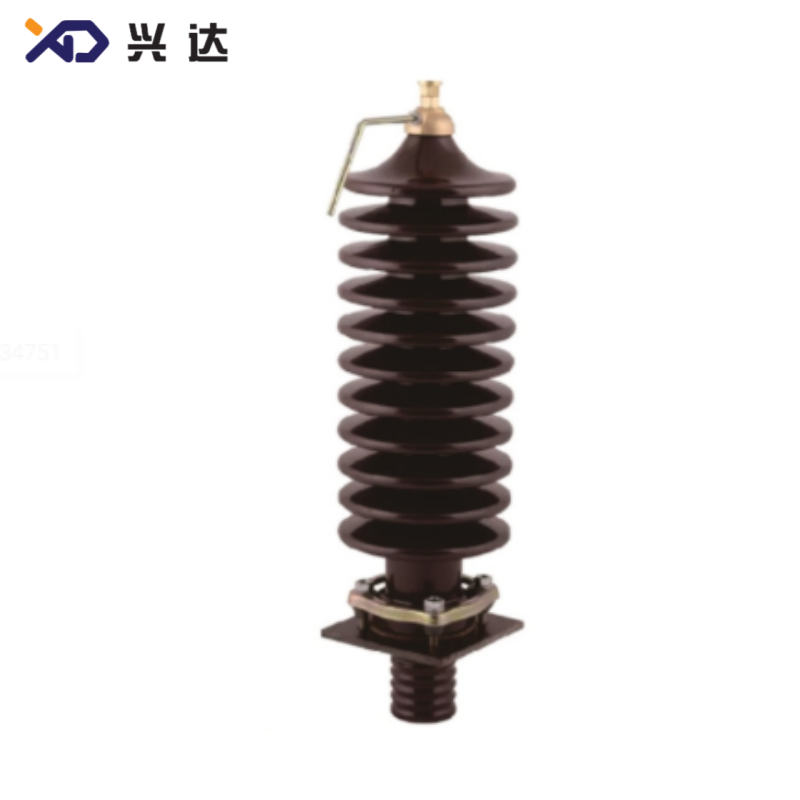
Categories
Contact Us
Contact: Tianjin Delda Trading Co., Ltd
WhatsApp: +86 13662056855
Tel:
E-mail: solomon20210701@tjxddq.com
Add: Unit‑101, Workshop 3, Bozhong Automobile Industrial Park, No.5 Xianghui Road, Intersection of Xianghui Road and Gaoying Road, Beizhakou Town, Jinnan District, Tianjin, China