ANSI Bushing

What Is a Transformer Bushing and How Does It Work
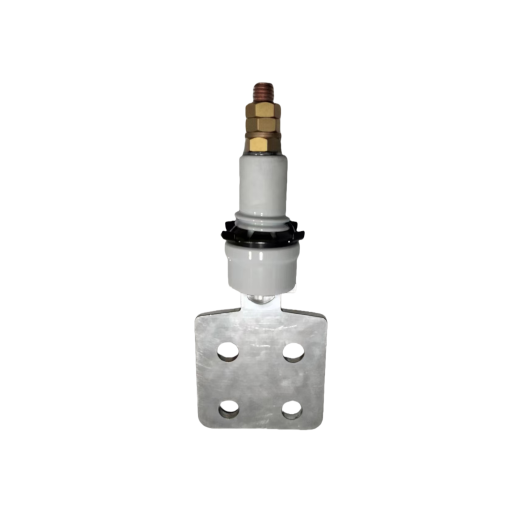
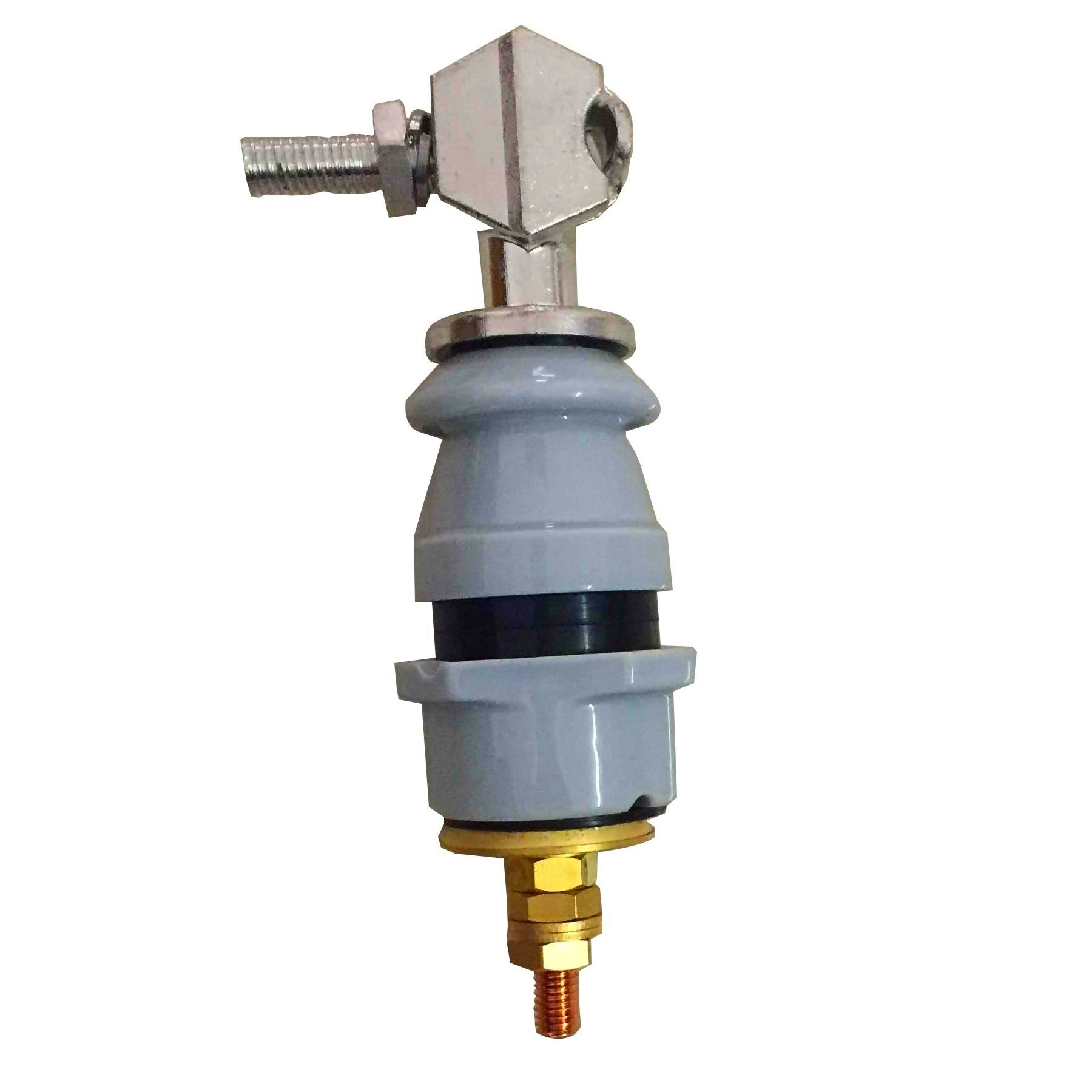
A transformer bushing is a fundamental electrical component designed exclusively for power and distribution transformers, serving as a critical insulating and conductive interface between internal transformer components and external power circuits. As an essential through-wall fitting, it allows high-voltage live conductors to safely penetrate the grounded metal tank of oil-immersed transformers and reactors. Without a qualified transformer bushing, live electrical parts would come into direct contact with the grounded transformer enclosure, resulting in immediate short circuits, insulation breakdown, and catastrophic equipment failure. Widely used in residential distribution grids, industrial substations, and renewable energy power systems, transformer bushings are the backbone of safe transformer operation for all medium and low-voltage power infrastructure.
Many electrical professionals regard transformer bushings as simple accessories, but they are precision-engineered multi-functional units that integrate electrical insulation, current conduction, mechanical fixation, and liquid sealing into one structure. Every design detail, from insulation material and shed structure to sealing gaskets and terminal configuration, directly impacts transformer stability, safety, and service lifespan. To fully understand power transformer operation and maintenance, it is necessary to clarify the exact definition, internal structure, and complete working mechanism of standard transformer bushings.
Basic Definition of a Transformer Bushing
A transformer bushing is a hollow insulated through-component that carries electrical current while isolating live conductors from grounded metal surfaces. It is installed on the opening of a transformer tank, creating a safe passage for winding connection wires to extend outward for grid connection. Unlike ordinary insulators that only provide static insulation, transformer bushings undertake continuous high-current transmission while maintaining long-term high-voltage insulation performance under dynamic load changes and complex environmental conditions.
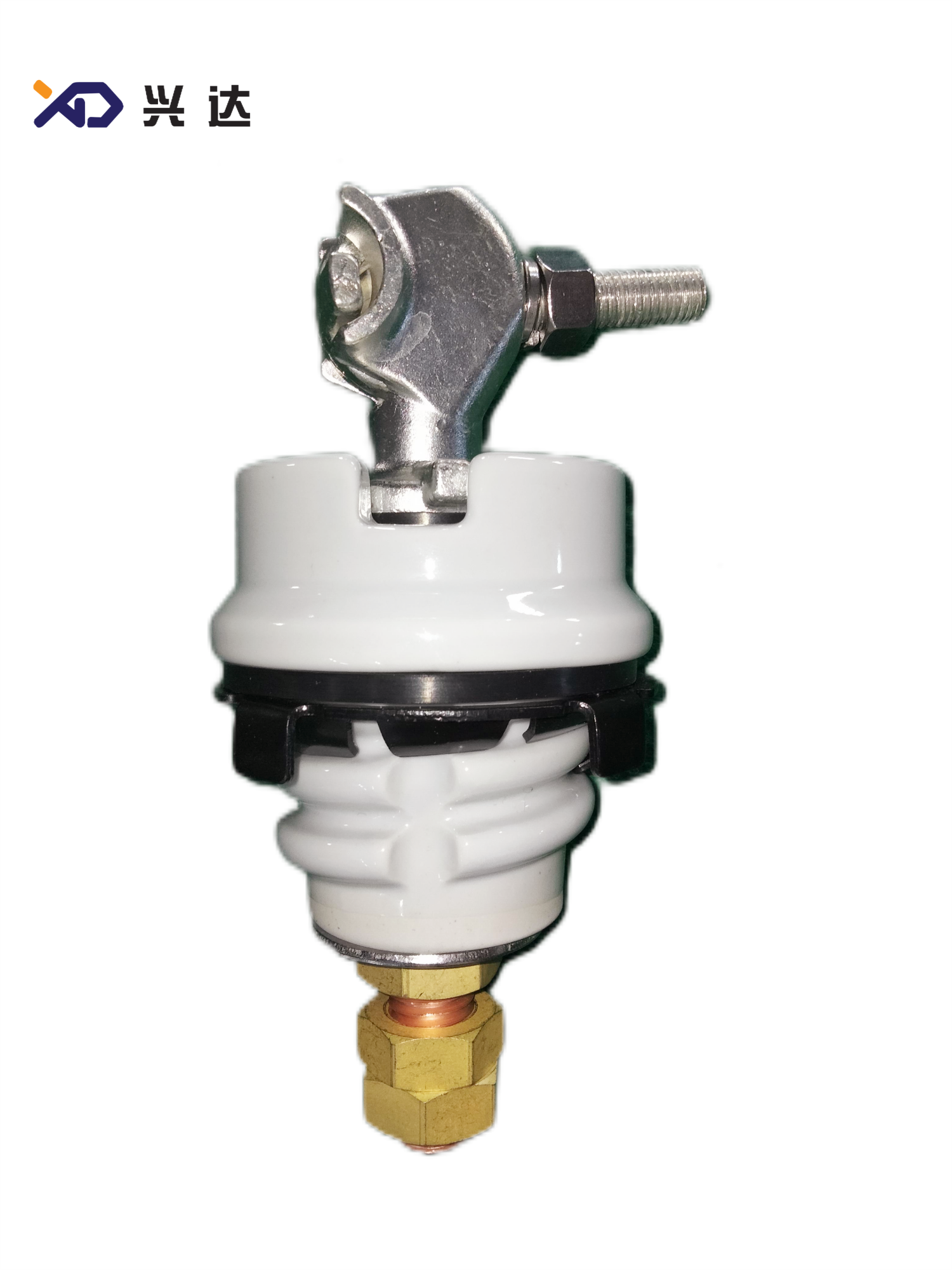
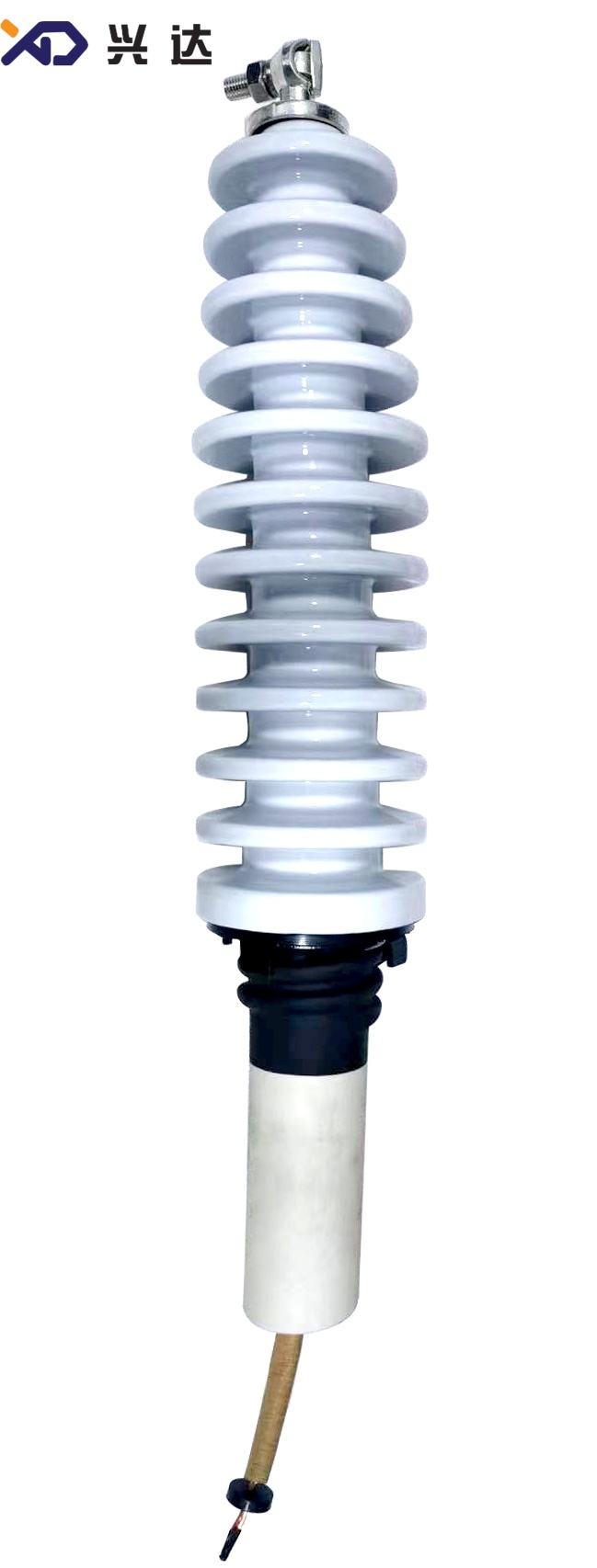
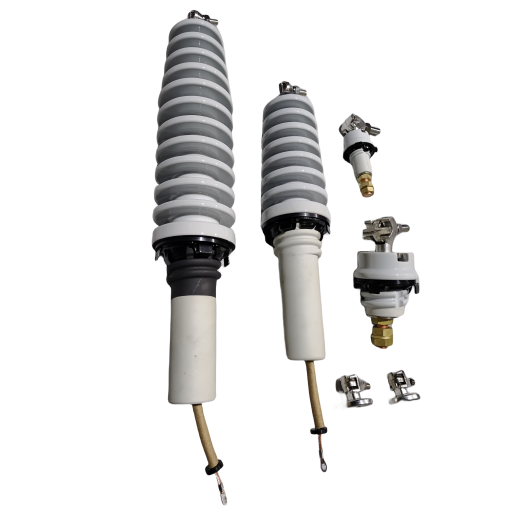
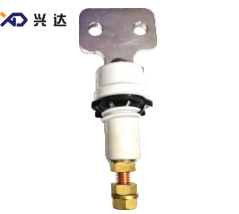
Standard transformer bushings consist of three core structural parts. The central conductive core, usually made of high-purity copper, acts as the current-carrying channel to transmit electric power stably. The outer insulating shell, either porcelain or epoxy resin, provides high dielectric strength to block high-voltage leakage and surface discharge. The base flange and sealing assembly fix the bushing firmly on the transformer tank and form an airtight barrier to prevent internal oil leakage and external moisture intrusion. These three parts cooperate closely to support the core functions of the bushing during long-term operation.
Core Working Mechanism of Transformer Bushings
The working principle of a transformer bushing can be divided into three core functional systems: stable current conduction, uniform electric field insulation, and closed environmental isolation. These systems work synchronously to ensure safe and reliable transformer operation under rated load, temperature fluctuation, and outdoor environmental interference.
First, the central conductor realizes stable power transmission. The copper core inside the bushing is strictly manufactured according to standard current-carrying cross-section specifications. It continuously transmits rated current and allows reasonable short-term overload current from internal transformer windings to external power lines. The standardized conductor design effectively suppresses excessive temperature rise, local hot spots, and contact resistance growth, avoiding thermal aging and burnout faults during long-term continuous operation. This ensures consistent power transmission efficiency and stable electrical connection throughout the equipment lifecycle.
Second, the outer insulation structure controls electric field distribution and prevents high-voltage discharge. When the transformer operates, the internal conductor carries high voltage while the transformer tank remains grounded, forming a strong electric field concentration at the tank penetration position. The multi-shed structure on the bushing surface extends the creepage distance, disperses concentrated electric fields evenly, and suppresses corona discharge and partial discharge. Whether in humid foggy weather, dusty environments, or daily temperature changes, the insulating shell maintains stable dielectric performance, effectively preventing surface flashover and phase-to-ground short circuit faults that cause power outages.
Third, the sealing and fixing structure achieves internal and external environmental isolation. The flange sealing gasket tightly fits the transformer tank mounting surface to form a fully closed protective layer. This structure locks internal transformer insulating oil to prevent seepage and leakage, and isolates external humid air, dust, and corrosive particles from entering the transformer interior. By protecting internal winding insulation from moisture and pollution erosion, the bushing greatly delays the aging speed of internal transformer components and maintains the overall insulation level of the equipment.
Key Performance Characteristics During Operation
During normal operation, a qualified transformer bushing maintains three key characteristics: stable insulation performance, reliable mechanical stability, and durable sealing performance. Its insulation system remains unaffected by daily temperature changes and light environmental pollution, ensuring no leakage current or discharge phenomenon. The overall structural rigidity resists minor equipment vibration and external wind pressure, preventing conductor displacement and insulation cracking. The aging-resistant sealing material maintains long-term elasticity to avoid oil leakage caused by thermal expansion and contraction.
Common Working Scenarios and Functional Value
Transformer bushings are widely installed on oil-immersed distribution transformers, pad-mounted transformers, industrial transformers, and grid reactors. In urban power distribution networks, they ensure safe wiring of dense indoor and outdoor transformers. In rural overhead power systems, they adapt to long-term open-air exposure and variable weather conditions. In new energy power stations and industrial parks, they withstand frequent load fluctuations and complex environmental interference.
The core value of a transformer bushing is to eliminate insulation risks at the transformer’s most vulnerable penetration position. Without standardized bushing protection, the tank opening would become the weakest point of the entire transformer system, prone to discharge failure, oil leakage, and accelerated equipment aging. Reliable bushing operation significantly reduces transformer maintenance frequency and improves power supply stability.
Conclusion
In summary, a transformer bushing is a multi-functional precision insulating component that integrates power transmission, high-voltage insulation, mechanical fixation, and sealed protection. It works by stabilizing current conduction, optimizing surface electric field distribution, and isolating internal and external environments to eliminate short-circuit and discharge risks at transformer tank penetration points. Understanding its definition and working principle helps engineering teams conduct scientific selection, standardized installation, and daily maintenance, effectively reducing transformer operational faults and ensuring long-term stable operation of power distribution systems.
Categories
Contact Us
Contact: Tianjin Delda Trading Co., Ltd
WhatsApp: +86 13662056855
Tel:
E-mail: solomon20210701@tjxddq.com
Add: Unit‑101, Workshop 3, Bozhong Automobile Industrial Park, No.5 Xianghui Road, Intersection of Xianghui Road and Gaoying Road, Beizhakou Town, Jinnan District, Tianjin, China