Brazil bushing
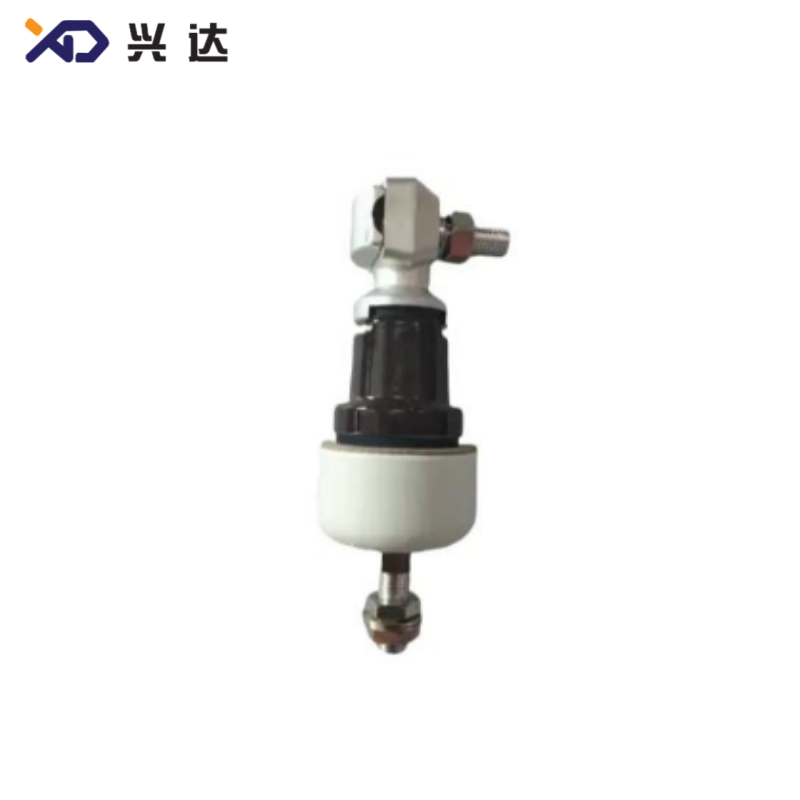
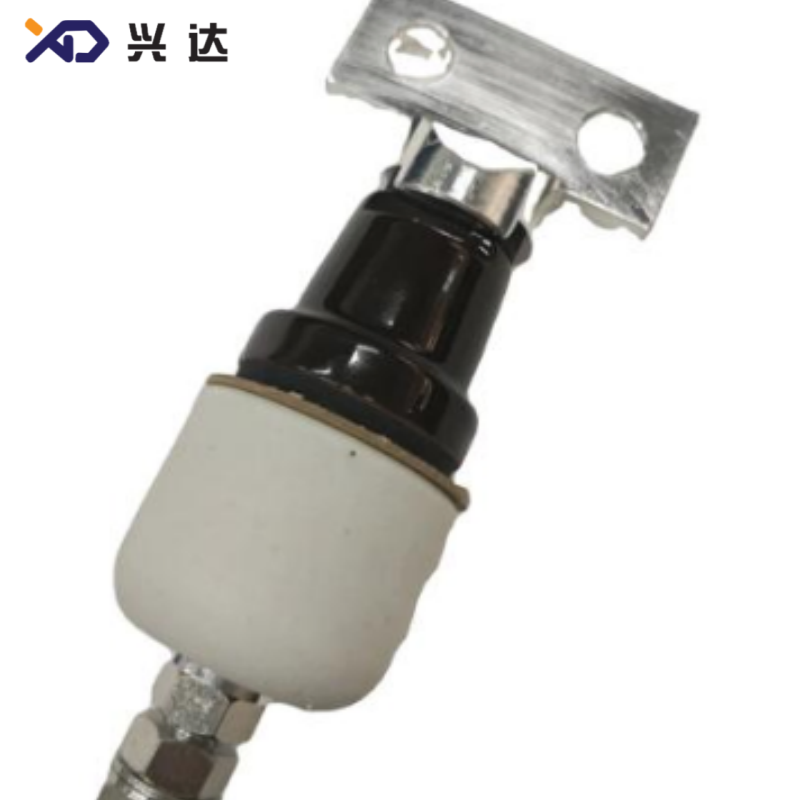
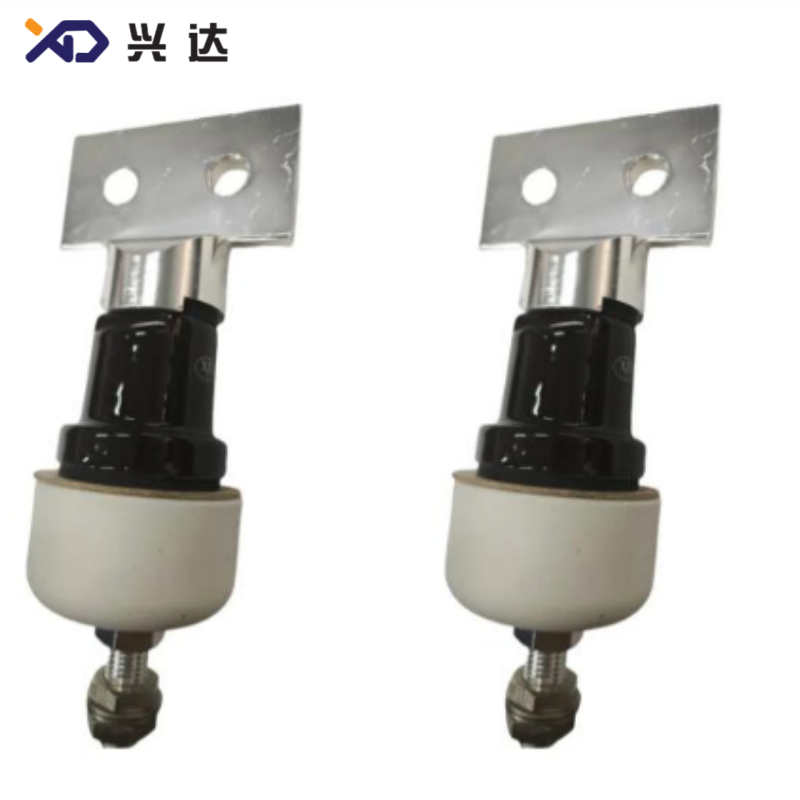
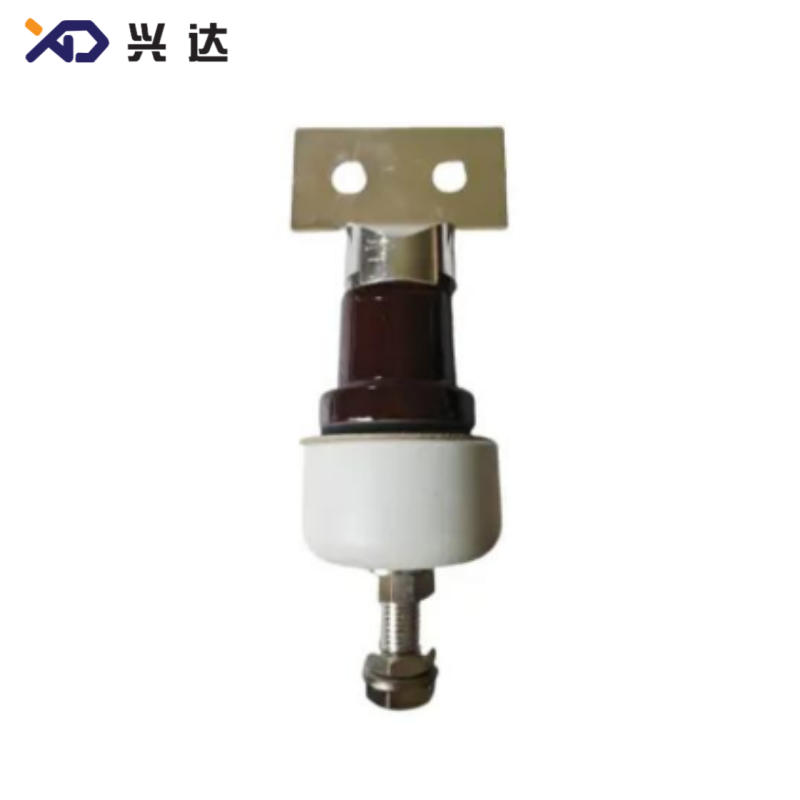
Main Failure Causes and Maintenance Tips for Brazil Low Voltage Transformer Bushing
Low voltage transformer bushings are one of the most fundamental and mission critical components in Brazil’s entire low voltage power distribution system, widely installed on various types of civilian, commercial and industrial distribution transformers across all Brazilian regions. Serving as the insulated penetration and connection interface between transformer internal conductive leads and external grid cables, these bushings undertake dual core functions of electrical insulation and safe current transmission, directly determining the overall operating stability and safety level of distribution transformer equipment. Brazil features a typical tropical and subtropical climate with year round high temperature, high air humidity, intense ultraviolet radiation, frequent thunderstorms and seasonal heavy rainfall, creating extremely harsh long term operating conditions for outdoor power equipment. Most low voltage transformers in Brazil are exposed to open air environments in residential communities, urban power distribution stations, rural power grid facilities, industrial parks and coastal engineering areas, leaving low voltage transformer bushings in continuous high load operation and vulnerable to environmental erosion. Common operational problems such as surface pollution accumulation, insulation performance degradation, sealing aging, moisture penetration and conductive terminal oxidation frequently occur in locally used bushings, which easily induce equipment heating, partial discharge, current instability and even sudden transformer shutdown faults. In actual power grid operation, most low voltage transformer failures in Brazil are indirectly or directly caused by neglected bushing aging and improper daily maintenance. Therefore, systematically sorting out the core failure causes of Brazil low voltage transformer bushings and mastering standardized and targeted daily maintenance skills is essential for power grid operation enterprises, transformer maintenance teams, engineering contractors and equipment procurement personnel to effectively reduce equipment failure rates, prolong the overall service cycle of power accessories, lower later operation and maintenance costs, and maintain the long term safe and stable operation of regional low voltage power distribution networks.
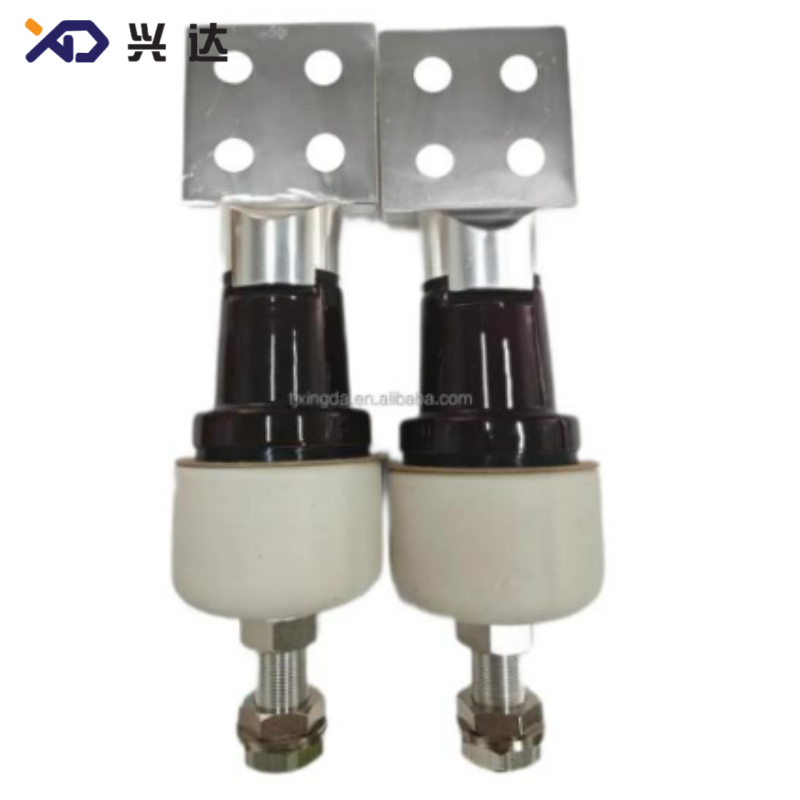
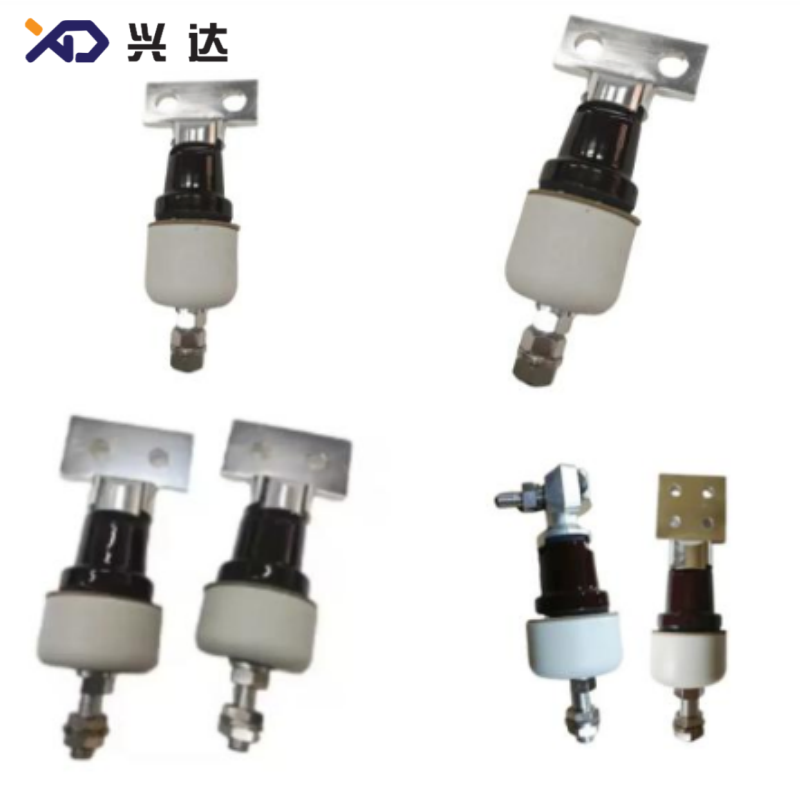
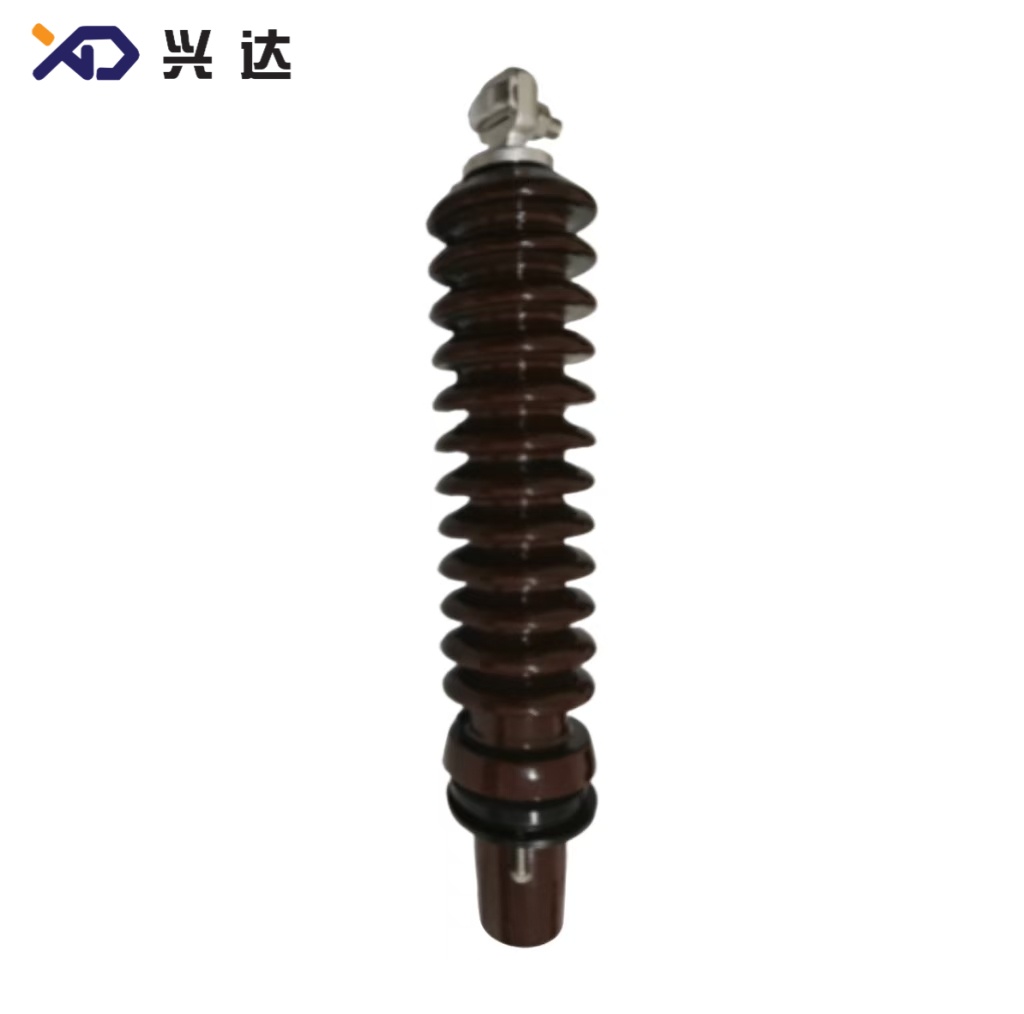
Professional Brazil low voltage transformer bushings are specially optimized and manufactured according to Brazilian local power industry standards and tropical climate environmental characteristics, exclusively matching the structural parameters and operating requirements of mainstream low voltage distribution transformers used in Brazilian power grid construction, equipment renovation and daily supporting assembly. Different from universal ordinary low voltage bushings sold in the general market, Brazil specification low voltage transformer bushings adopt upgraded high density glazed porcelain insulation materials and high purity brass conductive cores, equipped with multi layer composite weather resistant sealing structures that greatly improve environmental adaptability and operational stability in high humidity and high temperature scenarios. The products feature uniform insulation thickness, stable internal structural density, excellent anti aging performance and strong anti fouling and waterproof capabilities, which can effectively resist ultraviolet corrosion, humid air infiltration, surface dust accumulation and temperature alternating fatigue caused by Brazil’s tropical climate. In terms of core performance advantages, this series of low voltage bushings maintain extremely low conductive resistance to ensure stable current transmission and avoid local overheating during long term continuous operation. The optimized mechanical structure enhances vibration resistance and impact resistance, adapting to slight vibration generated during transformer long term operation. The reinforced sealing design effectively prevents transformer internal oil leakage and external rainwater and moisture from entering the equipment, fundamentally reducing common hidden dangers caused by poor sealing. With reliable quality stability and low failure rate in whole cycle operation, these bushings greatly reduce frequent replacement and repeated maintenance work for Brazilian power enterprises. In actual application scenarios, Brazil low voltage transformer bushings cover almost all low voltage power supporting fields in Brazil, including urban residential power distribution transformer assembly and replacement, industrial park low voltage power grid supporting facilities, commercial building power supply system transformer equipment, rural power grid upgrading and reconstruction projects, outdoor box type transformer stations, municipal power distribution engineering projects and daily fault maintenance and spare part replacement of power system low voltage equipment. Scientific selection of standard Brazil low voltage transformer bushings and adoption of standardized maintenance methods can significantly improve the safety and stability of the entire power distribution system, reduce unplanned power outages caused by accessory failure, and provide reliable basic component guarantee for the stable operation of Brazil’s civilian and industrial power infrastructure.
Parameter Item | Technical Specification |
|---|---|
Product Name | Brazil Low Voltage Transformer Bushing |
Applicable Voltage | Low Voltage Power Distribution Standard |
Main Application | Brazil Distribution Transformer Low Voltage Outlet |
Conductive Material | High Purity Brass Anti Oxidation Type |
Insulation Material | High Density Glazed Anti Aging Porcelain |
Sealing Performance | Multi Layer Oil Proof and Waterproof Sealing |
Working Temperature | -45℃ to 45℃ Adaptable to Tropical Climate |
Applicable Altitude | Below 2500 Meters |
Environmental Resistance | Anti UV Anti Moisture Anti Fouling |
Common Failure Prevention | Leakage Prevention Insulation Damage Prevention Aging Resistance |
Quality Standard | Compliant with Brazil Local Power Grid Specifications |
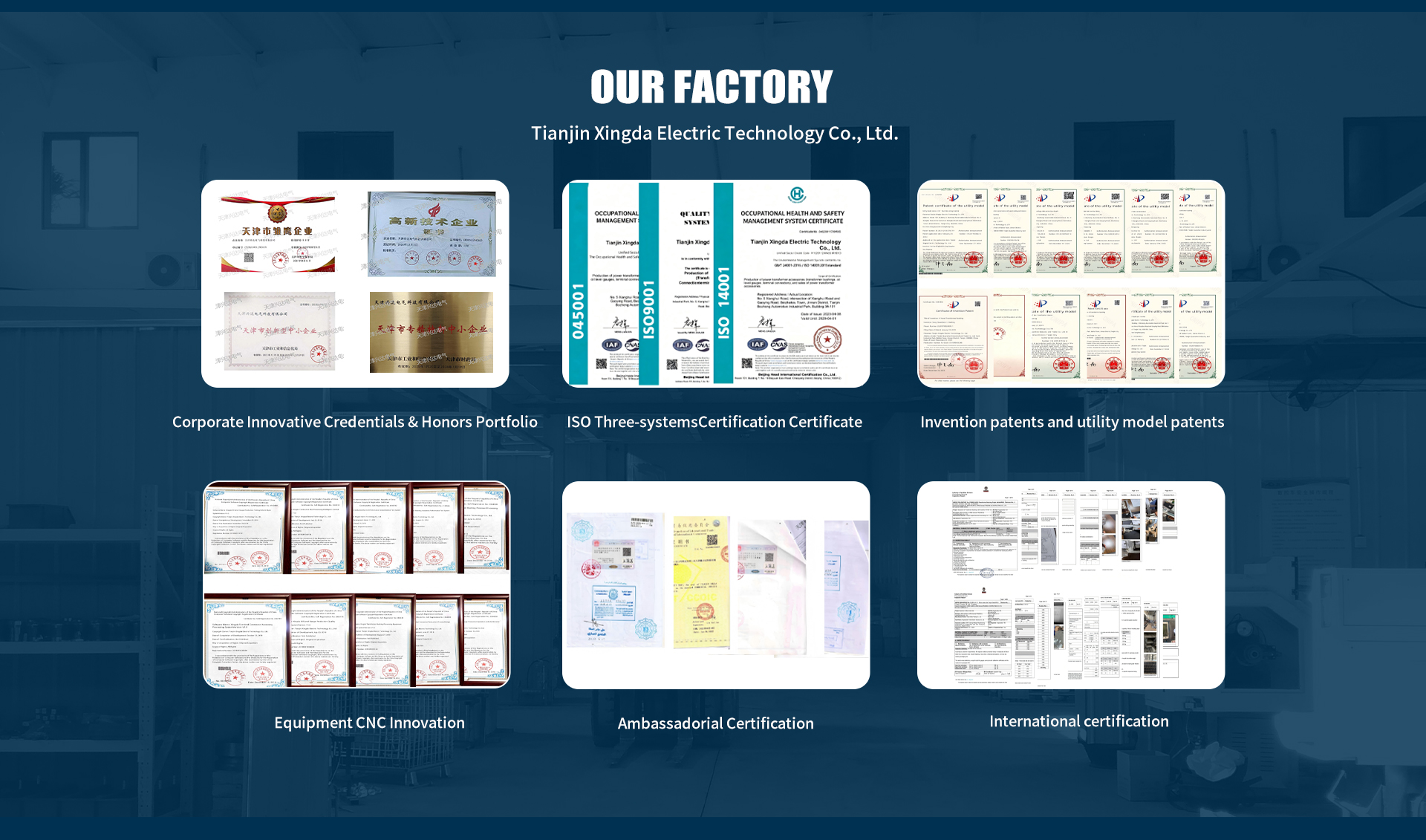
Certification | ISO9001 Quality System Certified |
Frequently Asked Questions
1. Are Brazil low voltage transformer bushings durable in tropical environments?
Yes. Qualified Brazil low voltage transformer bushings adopt anti aging porcelain insulation and anti oxidation brass materials, specially optimized for local high temperature and high humidity climate. With stable physical and electrical performance, they can resist long term ultraviolet irradiation and moisture erosion. Under standardized maintenance, the products can maintain stable operation for a long time with extremely low damage probability, fully meeting the durable operation requirements of Brazilian local power grids.
2. What are the most common failure reasons for low voltage transformer bushings?
The main failures include insulation dirt accumulation causing reduced insulation performance, seal aging leading to oil leakage and moisture ingress, terminal oxidation resulting in poor conductivity, and long term overload operation causing internal aging damage. Most failures are caused by long term outdoor exposure without regular cleaning and maintenance, which is very common in Brazilian tropical high humidity areas.
3. How to conduct daily maintenance for Brazil low voltage transformer bushings?
Daily maintenance is simple and efficient. Regularly clean dust, bird droppings and floating dirt on the porcelain surface to ensure intact insulation. Check the sealing gaskets regularly to replace aging and deformed parts in time. Fasten loose connecting terminals and polish oxidized conductive parts to ensure stable conduction. Avoid long term transformer overload operation and regularly test insulation performance to eliminate hidden dangers in advance.
4. How to prevent bushing failure in rainy and humid seasons in Brazil?
In rainy and humid seasons, strengthen inspection frequency and keep the bushing surface dry and clean. Check for water accumulation and seal aging after heavy rain. Choose anti fouling and waterproof grade bushings for outdoor transformers in coastal and rainy areas. Timely remove surface moisture and dirt to avoid insulation flashover caused by humid environment.
5. When do Brazil low voltage transformer bushings need to be replaced?
Replacement is required when obvious porcelain cracks, permanent seal aging and continuous oil leakage appear. If insulation test data is unqualified or conductive terminals are severely oxidized and cannot be repaired, the bushings should be replaced in time to avoid hidden safety hazards affecting the normal operation of distribution transformers.
Certifications
Categories
Contact Us
Contact: Tianjin Delda Trading Co., Ltd
WhatsApp: +86 13662056855
Tel:
E-mail: solomon20210701@tjxddq.com
Add: Unit‑101, Workshop 3, Bozhong Automobile Industrial Park, No.5 Xianghui Road, Intersection of Xianghui Road and Gaoying Road, Beizhakou Town, Jinnan District, Tianjin, China