ANSI Bushing
ANSI Bushing: The Definitive Buying Guide for Transformer Insulating Accessories
ANSI Bushing: The Definitive Buying Guide for Transformer Insulating Accessories
1. Basic Introduction
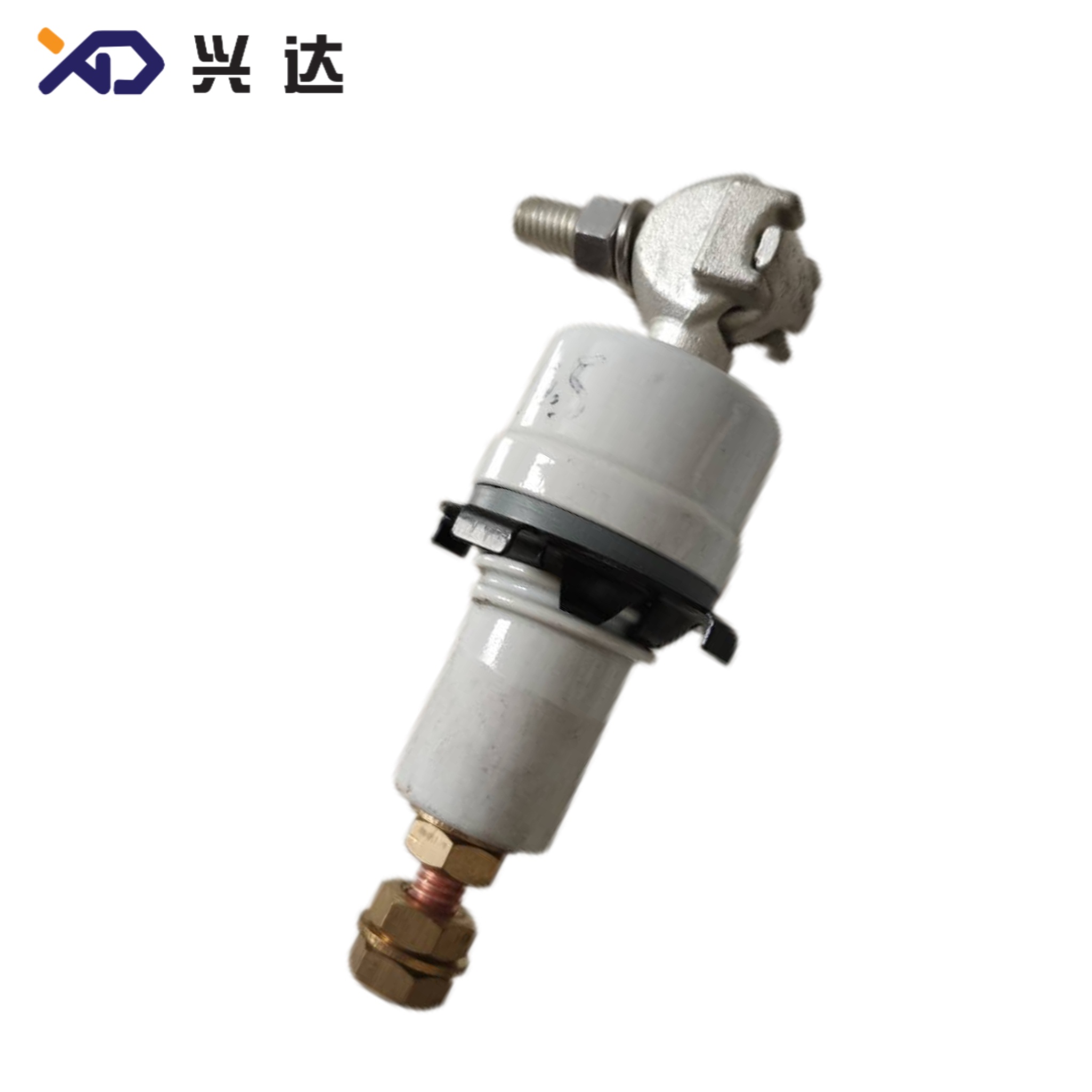
ANSI bushing refers to the wall‑penetrating insulator manufactured according to American National Standards Institute specifications, specially created for oil‑immersed distribution‑transformer assemblies. Every low‑voltage transformer must equip matched ANSI bushing to guide high‑current metal conductors safely through the grounded metal transformer tank wall. This essential power accessory isolates energized metal rods from the earthed tank shell, preventing dangerous electric conduction between live hardware and transformer outer casing.The 1.2kV low‑voltage ANSI bushing remains the most widely‑used specification for small‑scale commercial and residential power transformers. Global transformer OEM suppliers stock ANSI‑compliant bushings for standardized, dimension‑locked insulating parts. Key search keywords such as ANSI bushing, low‑voltage ANSI transformer bushing, 1.2kV porcelain bushing, ANSI standard through‑wall insulator run through this professional industry page to enhance Google search ranking performance for transformer‑accessory web content.
2. In‑Depth Overview, Product Features, Competitive Strengths and Usage Locations
Detailed Product Introduction
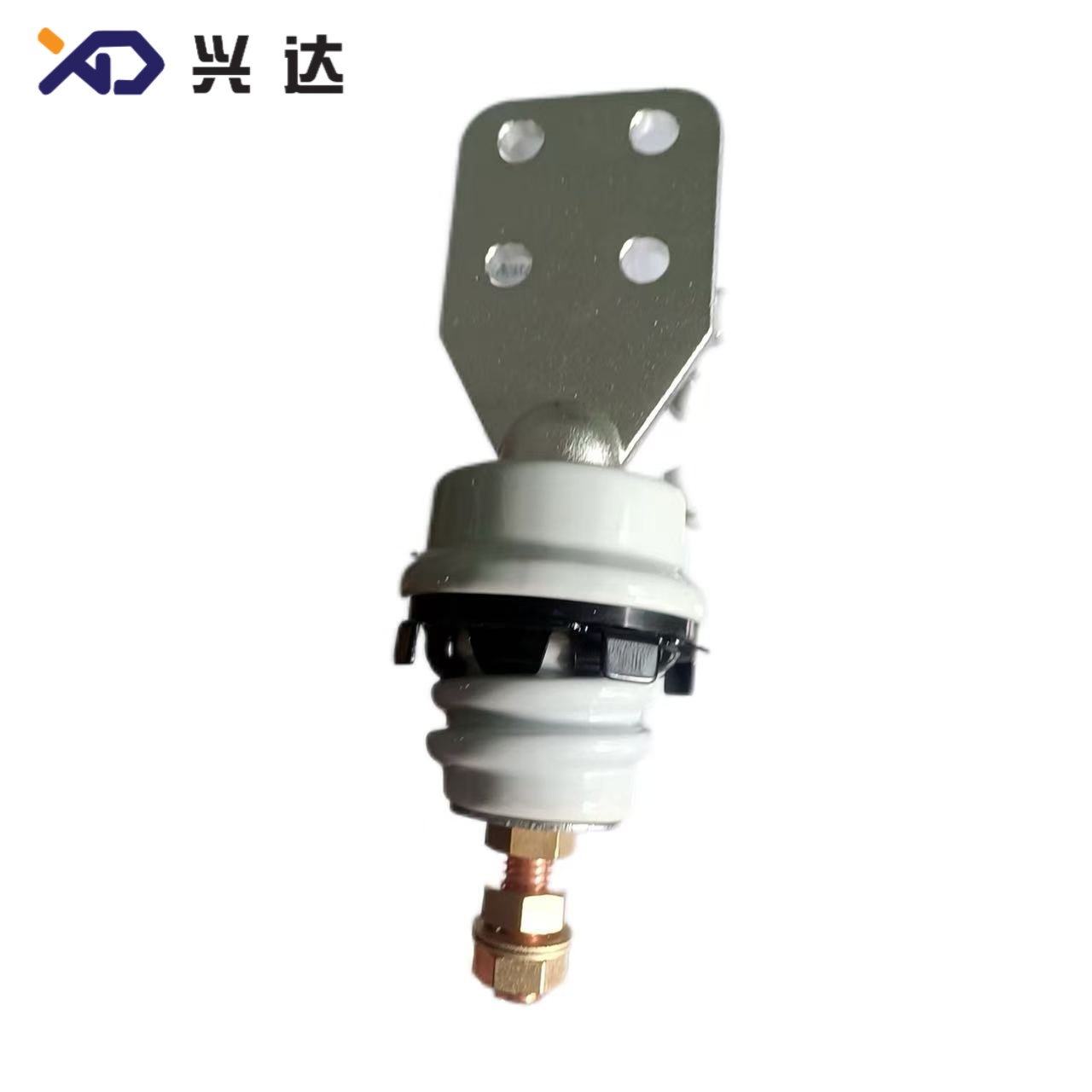
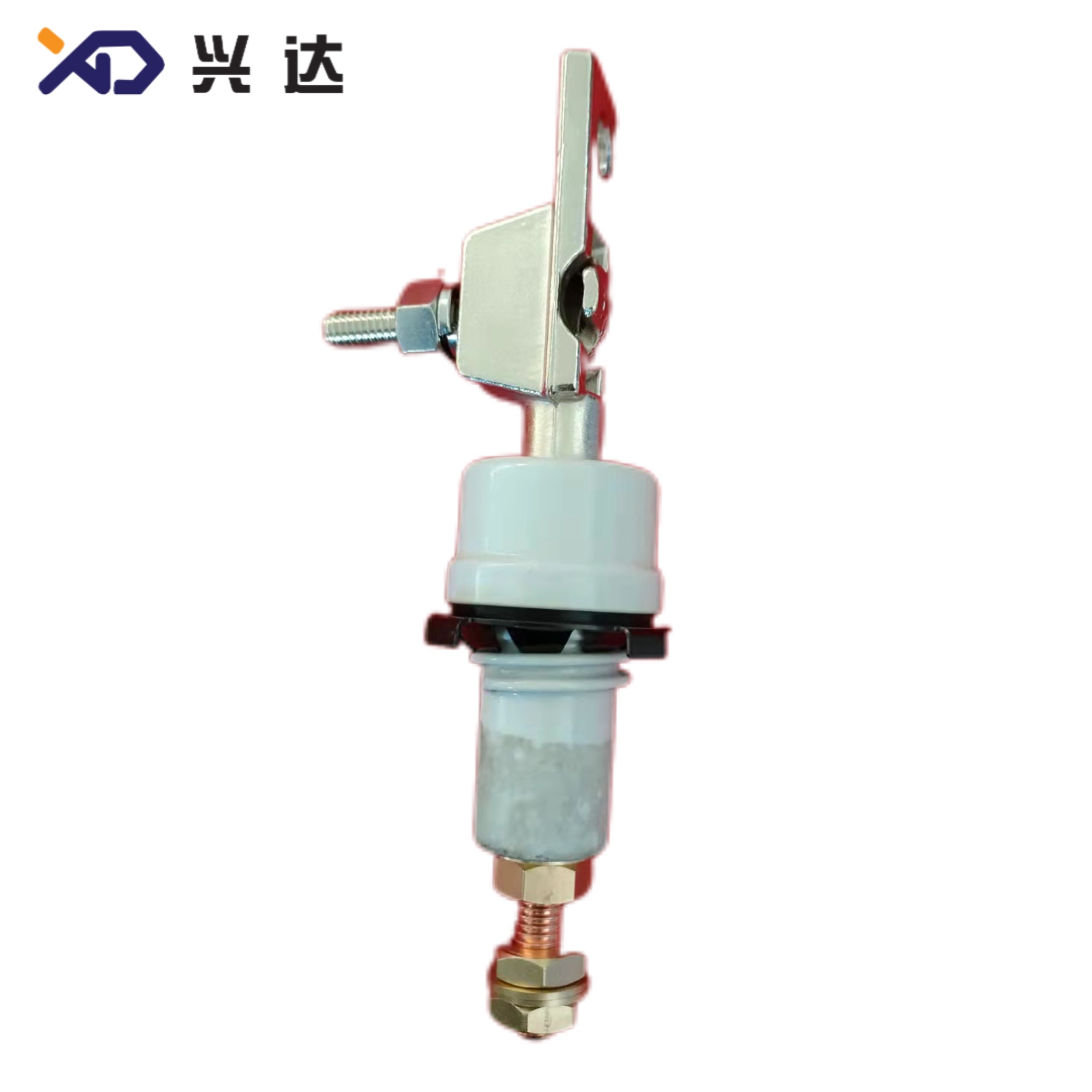
The mainstream 1.2kV ANSI bushing series supplies two core rated‑current grades: 125A and 250A. Four distinct installation structures cover pin‑type, single‑hole flange, double‑hole flange and four‑hole flange mounting layouts. All conductive terminals adopt unified UNC American coarse thread specifications, 3/8 inch‑16UNC for 125A models and 1/2 inch‑13UNC for the 250A series. The fixed 25 mm creepage‑distance design satisfies fundamental anti‑leakage insulation requirements for outdoor power equipment.High‑density glazed porcelain serves as the primary insulating raw material. Some customized‑order ANSI bushing versions adopt high‑strength epoxy resin insulation for anti‑vibration industrial usage. Flange thickness stays fixed at 6.35 mm for all flange‑style bushing units, and mounting‑hole diameter remains 14 mm for all flange installation holes across the full‑size product lineup.
Standout Functional Features
First, complete ANSI standard dimension lock‑in brings cross‑factory part compatibility. Second, smooth glazed insulator surface repels moisture and cuts surface contamination buildup. Third, diversified flange‑hole layouts adapt to multiple transformer‑tank installation requirements. Fourth, integrated metal conductive channels deliver stable high‑current transmission without severe overheating. Fifth, compact overall external size saves precious inner‑tank installation room for compact‑size distribution transformers. Sixth, oil‑resistant sealing structures effectively block mineral‑oil leakage at the tank penetration opening.
Main Competitive Advantages
Standardized ANSI bushing cuts equipment‑maintenance spending for power‑system operators. When an old bushing becomes damaged, maintenance teams install replacement accessories without carrying out tank‑hole re‑machining work. The tough porcelain insulating shell withstands harsh outdoor climate shifts, including heavy snow, blazing sunlight, coastal salt mist and industrial chemical dust. Multi‑hole flange designs deliver powerful anti‑shake performance for transformers placed in bumpy mobile power‑supply trucks or earthquake‑prone zones. Low partial‑discharge characteristics lengthen transformer operational service life and reduce unexpected power‑grid breakdown incidents. Compared with non‑standard custom‑built bushings, ANSI‑standard components enjoy far‑lower purchasing cost and faster global supply‑chain delivery speed.
Main Application Environments
ANSI 1.2kV bushing acts as the factory‑standard accessory for ANSI‑spec oil‑filled distribution transformers. It is widely deployed on neighborhood grid transformers, shopping‑mall power‑supply transformers, farmland overhead‑line power equipment, factory step‑down transformers, portable emergency power transformers and outdoor industrial reactor machinery. Besides transformer equipment, ANSI‑compliant through‑wall bushings also fit insulated conductor penetration jobs inside medium‑voltage switch cabinets and power‑rectifying machinery.
3. Official ANSI‑1.2KV Bushing Full‑Size Parameter Table
| S/N | Model | H | h1 | h2 | Md Thread | Φd | B Flange Width | Mounting Hole n*Φd1 | t Flange Thickness | Creep Distance | Part Code |
|---|---|---|---|---|---|---|---|---|---|---|---|
| 1 | ANSI‑1.2KV‑125A‑Pin | 150 | 81 | 29 | 3/8"‑16UNC | 16 | N/A | N/A | N/A | 25 | 12XD.401.001 |
| 2 | ANSI‑1.2KV‑125A‑Single‑hole | 165 | 81 | 29 | 3/8"‑16UNC | N/A | 29 | 1*14 | 6.35 | 25 | N/A |
| 3 | ANSI‑1.2KV‑125A‑Double‑hole | 181 | 81 | 29 | 3/8"‑16UNC | N/A | 76.2 | 2*14 | 6.35 | 25 | 12XD.MBTG.055 |
| 4 | ANSI‑1.2KV‑125A‑4‑hole | 218 | 81 | 29 | 3/8"‑16UNC | N/A | 88.9 | 4*14 | 6.35 | 25 | 12XD.MBTG.090 |
| 5 | ANSI‑1.2KV‑250A‑Pin | 165 | 81 | 39 | 1/2"‑13UNC | 21 | N/A | N/A | N/A | 25 | 12XD.401.003 |
| 6 | ANSI‑1.2KV‑250A‑Single‑hole | 175 | 81 | 39 | 1/2"‑13UNC | N/A | 29 | 1*14 | 6.35 | 25 | 12XD.401.002‑2 |
| 7 | ANSI‑1.2KV‑250A‑Double‑hole | 191 | 81 | 39 | 1/2"‑13UNC | N/A | 76.2 | 2*14 | 6.35 | 25 | 12XD.401.002 |
| 8 | ANSI‑1.2KV‑250A‑4‑hole | 228 | 81 | 39 | 1/2"‑13UNC | N/A | 88.9 | 4*14 | 6.35 | 25 | 12XD.401.003‑1 |
4. Complete FAQ Section for ANSI Bushing
Q1 How long is the average working lifespan of ANSI bushing
A High‑grade glazed‑porcelain ANSI bushing normally delivers 20‑30 years of service life for outdoor distribution‑transformer equipment. Service life heavily depends on local operating environments. Bushings installed near coastal salt‑spray zones or heavy‑pollution industrial districts suffer faster surface contamination and wear, requiring more‑frequent cleaning and inspection cycles.
Q2 What inspection checklist should workers follow during ANSI bushing maintenance
A First, visually examine the insulating porcelain shell for surface cracks, chips and deep scratches. Second, check the flange gasket position for oil stains indicating transformer‑oil leakage. Third, tighten loose flange bolts and conductive‑rod terminal nuts. Fourth, clean dust, industrial waste and bird waste from the insulator outer wall. Fifth, implement partial‑discharge testing during large‑scale transformer maintenance cycles and replace bushings with hidden internal insulation damage.
Q3 How to choose proper installation‑hole quantity for flange‑type ANSI bushing
A Pin‑style bushings suit small‑sized transformers with limited installation‑hole space. Single‑hole flange types work well on stationary indoor transformers. Double‑hole flange bushings offer balanced fixed mounting for regular outdoor distribution transformers. Four‑hole flange ANSI bushings are the top pick for vibration‑prone mobile transformers and industrial power machinery that demands strong shock‑resistant fixation.
Q4 Are ANSI bushings interchangeable with non‑standard custom‑made transformer bushings
A Only fully‑compliant ANSI‑standard bushings achieve cross‑brand interchangeability. Custom non‑standard bushings use unique thread sizes, irregular flange dimensions and non‑standard creepage‑distance values. Once you install non‑standard bushings, future replacement will require customized processing of transformer tank holes, raising maintenance costs and work difficulty.
Q5 What insulation failures may appear on aging ANSI bushing
A Common aging‑related faults contain porcelain‑shell cracking, sealing‑gasket aging and oil seepage, metal‑thread corrosion, surface electric‑tracking marks and rising partial‑discharge values inside insulation material. Any of these defects can trigger transformer short‑circuit faults, power‑grid tripping and permanent coil damage.
Q6 Can ANSI bushing operate in freezing winter outdoor conditions
A Standard ANSI bushing products pass strict low‑temperature thermal‑cycle testing. The glazed porcelain material tolerates freezing‑temperature outdoor environments. Staff must remove thick ice layers covering the insulator surface during winter, as thick ice layers will create continuous conductive water films and trigger surface flash‑over accidents.
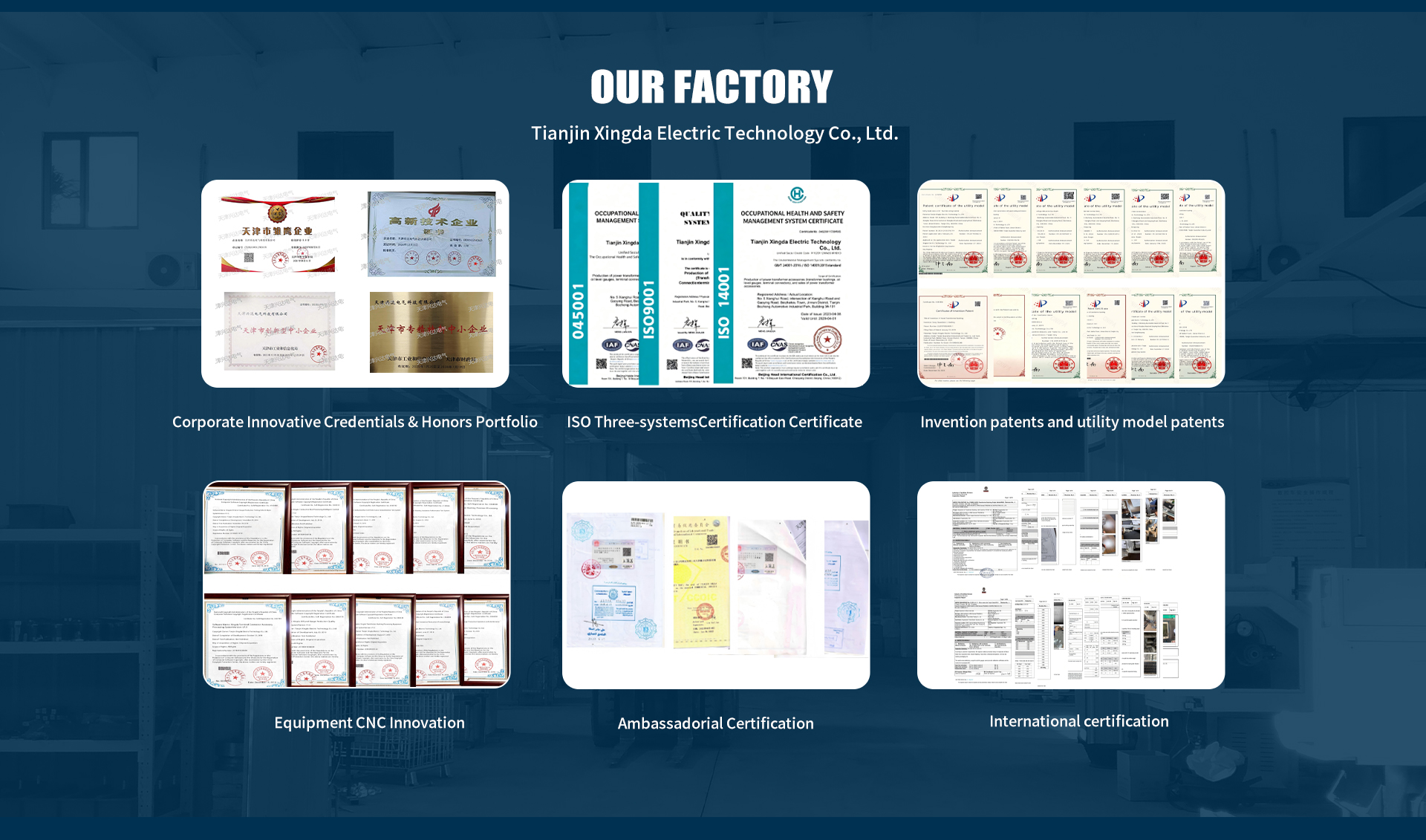
5. Universal Industry Qualification Certifications
Categories
Contact Us
Contact: Tianjin Delda Trading Co., Ltd
WhatsApp: +86 13662056855
Tel:
E-mail: solomon20210701@tjxddq.com
Add: Unit‑101, Workshop 3, Bozhong Automobile Industrial Park, No.5 Xianghui Road, Intersection of Xianghui Road and Gaoying Road, Beizhakou Town, Jinnan District, Tianjin, China