ANSI Bushing
Complete Guide to ANSI Bushing for Medium‑Voltage Transformer Insulation
Complete Guide to ANSI Bushing for Medium‑Voltage Transformer Insulation
1.Basic Introduction to ANSI Bushing
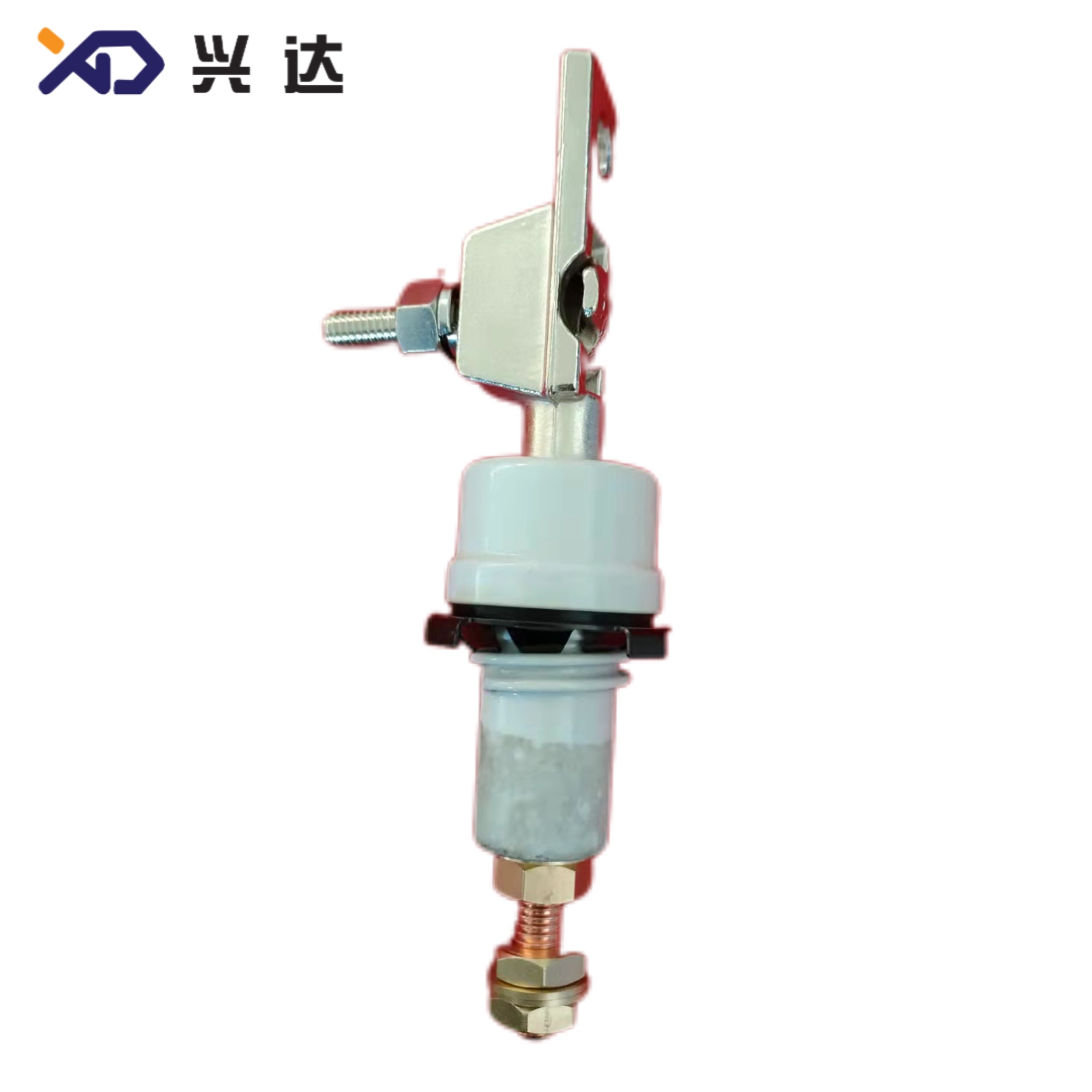
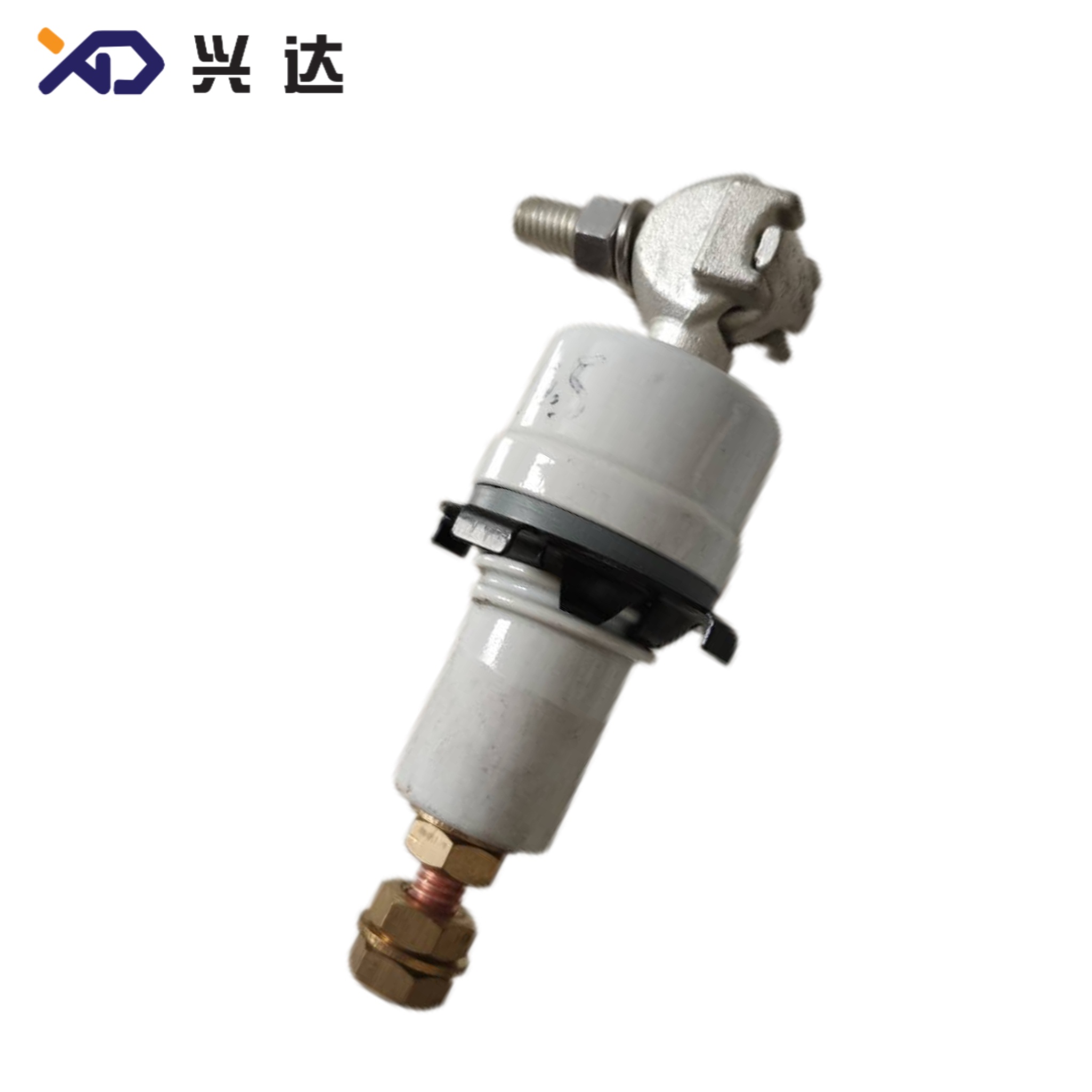
ANSI bushing, also known as ANSI‑standard transformer bushing, is a vital insulated through‑wall component widely installed on oil‑immersed distribution transformers that follow American National Standards Institute industrial rules. This insulated hardware creates a safe isolated passage for high‑current conductive rods to go through the metal transformer tank wall, separating live copper conductors from the earthed metal shell. All structural dimensions, thread standards, creepage distance and flange mounting layouts of ANSI type bushing strictly match ANSI transformer accessory specifications for North‑American power‑grid equipment.Low‑voltage 1.2kV ANSI bushing ranks as the most mainstream variant for small‑size residential and commercial distribution transformers. Every power transformer needs matched‑quality ANSI bushing to prevent short‑circuit risks, surface flash‑over, oil leakage and electrical breakdown under long‑time full‑load operation. Power equipment designers, transformer manufacturers and electrical component buyers always prioritize ANSI‑compliant bushings for standardized, interchangeable insulating parts in American‑style power‑distribution hardware. High search‑volume keywords including ANSI bushing, 1.2kV transformer bushing, ANSI standard insulator, low‑voltage transformer bushing run through the full‑length guide to improve Google‑index performance for power‑component web pages.
2. Core Features, Key Advantages and Common Application Scenarios of ANSI Bushing
Main Structural Features
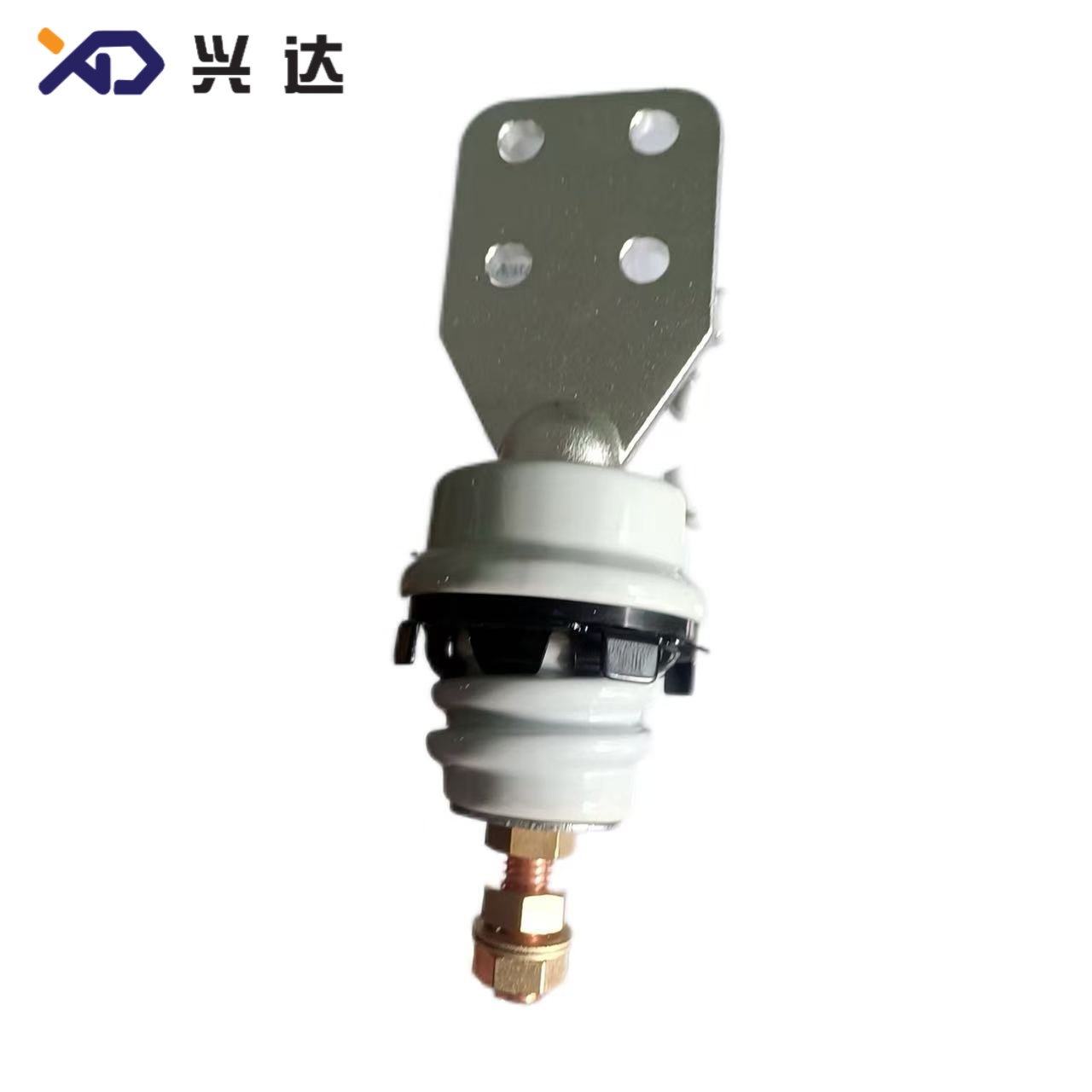
Standard ANSI 1.2kV bushing adopts high‑density glazed porcelain or epoxy resin as its main insulating body. Manufacturers configure multiple installation‑type choices: pin‑style installation, single‑hole flange, double‑hole flange and four‑hole flange layouts to fit different transformer‑tank hole‑mounting demands. The built‑in metal conductive channel uses UNC unified coarse‑thread standards for terminal connection. Two mainstream rated‑current grades cover 125A and 250A for common low‑voltage transformer coils. Fixed 25‑millimeter creepage distance satisfies basic insulation leakage‑resistance requirements for indoor and outdoor distribution‑transformer working environments. The compact overall height ranges from 150mm to 228mm to adapt to narrow internal installation space on small‑sized oil‑filled transformers.
Working Advantages
First, full ANSI standardization delivers outstanding part interchangeability. Buyers can replace damaged ANSI bushing units from different factories without modifying transformer‑tank hole sizes, flange layouts or conductor‑rod thread specifications. Second, glazed porcelain insulating shells resist dust buildup, rain erosion, ultraviolet aging and surface electric tracking under harsh outdoor weather. Third, multiple flange‑hole choices bring flexible mounting performance for OEM transformer production. Pin‑type bushings suit compact transformers while four‑hole flange versions supply heavy‑duty vibration‑proof installation for industrial power equipment. Fourth, sealed assembly structure cuts down the risk of transformer mineral‑oil seepage at the tank wall penetration point, lowering daily equipment‑maintenance workload for power‑station staff. Lastly, low partial‑discharge property guarantees stable electrical performance after decades of cyclic load fluctuation.
Wide Application Fields
ANSI‑compliant low‑voltage bushings serve as standard accessories for ANSI‑rated oil‑immersed distribution transformers. Common usage locations cover residential‑area power‑distribution stations, commercial‑building power‑supply transformers, rural overhead‑line transformer hardware, factory‑floor step‑down transformers and mobile emergency power‑transformer units. Apart from transformer equipment, ANSI bushing components also fit other medium‑voltage electrical machinery requiring insulated wall‑through conductors, such as high‑voltage switch cabinets, reactor equipment and industrial‑grade power rectifier machinery.
3. Complete Dimension Specification Table for 1.2kV ANSI Bushing
All measurement units in this specification sheet adopt millimeters for structural parameters; mounting‑hole thread specifications follow American UNC thread industrial criteria.
| S/N | Model | H(Overall Height) | h1(Upper Section Height) | h2(Base Height) | Md(UNC Thread) | Φd(Conductor Hole Diameter) | B(Flange Width) | n*Φd1(Mounting Hole Layout) | t(Flange Thickness) | Creep Distance | Unique Component Code |
|---|---|---|---|---|---|---|---|---|---|---|---|
| 1 | ANSI‑1.2KV‑125A‑Pin | 150 | 81 | 29 | 3/8"‑16UNC | 16 | N/A | N/A | N/A | 25 | 12XD.401.001 |
| 2 | ANSI‑1.2KV‑125A‑Single‑hole | 165 | 81 | 29 | 3/8"‑16UNC | N/A | 29 | 1*14 | 6.35 | 25 | N/A |
| 3 | ANSI‑1.2KV‑125A‑Double‑hole | 181 | 81 | 29 | 3/8"‑16UNC | N/A | 76.2 | 2*14 | 6.35 | 25 | 12XD.MBTG.055 |
| 4 | ANSI‑1.2KV‑125A‑4‑hole | 218 | 81 | 29 | 3/8"‑16UNC | N/A | 88.9 | 4*14 | 6.35 | 25 | 12XD.MBTG.090 |
| 5 | ANSI‑1.2KV‑250A‑Pin | 165 | 81 | 39 | 1/2"‑13UNC | 21 | N/A | N/A | N/A | 25 | 12XD.401.003 |
| 6 | ANSI‑1.2KV‑250A‑Single‑hole | 175 | 81 | 39 | 1/2"‑13UNC | N/A | 29 | 1*14 | 6.35 | 25 | 12XD.401.002‑2 |
| 7 | ANSI‑1.2KV‑250A‑Double‑hole | 191 | 81 | 39 | 1/2"‑13UNC | N/A | 76.2 | 2*14 | 6.35 | 25 | 12XD.401.002 |
| 8 | ANSI‑1.2KV‑250A‑4‑hole | 228 | 81 | 39 | 1/2"‑13UNC | N/A | 88.9 | 4*14 | 6.35 | 25 | 12XD.401.003‑1 |
4. Frequently Asked Questions About ANSI Bushing
Q1 Are ANSI standard transformer bushings durable for long‑term outdoor operation
A Well‑manufactured ANSI bushing with high‑quality glazed porcelain or epoxy resin insulation features outstanding weather‑resistant performance. Standard‑grade ANSI 1.2kV bushing can normally serve 20‑30 years on outdoor distribution transformers. Its anti‑tracking insulating outer shell resists sunlight UV damage, acid rain corrosion, dust pollution and sharp temperature shifts between winter and summer. Service life will drop sharply when bushings suffer surface cracks, oil‑seal damage or long‑time contamination accumulation.
Q2 What daily maintenance work does ANSI bushing require
A First, carry out routine surface inspections every six months. Wipe dust, bird droppings and sticky industrial dirt off the insulating exterior to stop surface flash‑over accidents. Second, inspect the flange sealing gasket for oil stains. Replace aging rubber gaskets once transformer‑oil leakage appears around the bushing mounting base. Third, check thread tightness for conductive terminals and flange bolts, and fasten loose fasteners. Fourth, run partial‑discharge testing during large‑scale transformer maintenance. Replace bushings that show internal insulation breakdown signals.
Q3 How do I pick the proper ANSI bushing type for my transformer
A Confirm three core parameters first: rated working voltage, maximum passing current and transformer‑tank mounting‑hole structure. Choose 125A‑grade bushing for transformers with low‑voltage current below 125 amperes, and select the 250A specification for heavier‑current equipment. Select pin‑style bushings for compact installation space, and choose multi‑hole flange bushings for transformers that demand high shock‑resistance and stable fixed mounting. Match the UNC thread size of the conductive rod to your existing copper conductor accessories.
Q4 Can ANSI bushing work under rainy and wet outdoor environments
A Yes. The standardized 25‑millimeter creepage distance is engineered for damp outdoor conditions. The glazed porcelain outer layer forms a water‑repellent surface that stops continuous water films from covering the insulator exterior. You should clean thick surface contamination in heavily‑polluted industrial zones, as thick grime layers will break waterproof performance and trigger electric leakage faults.
Q5 What risks will broken ANSI bushing bring to transformers
A Cracked insulating bodies, worn‑out sealing rings and deformed internal conductive rods will cause several severe failures. Common‑seen accidents contain transformer oil leakage, live‑conductor short‑circuit to the metal tank, surface flash‑over tripping and permanent coil burnout. Regular inspection and timely replacement of defective ANSI bushings greatly lower unexpected transformer shutdown losses for power‑grid operators.
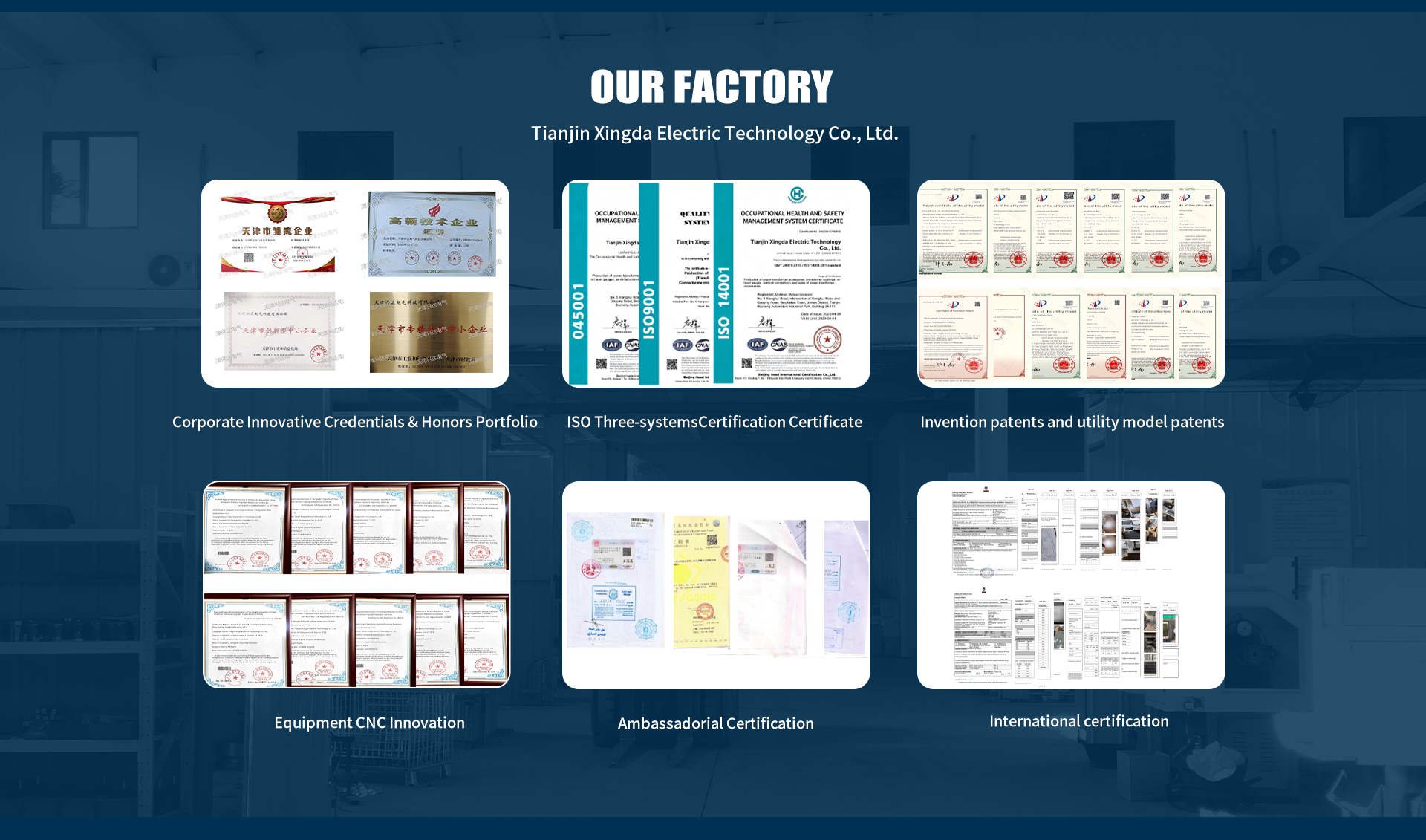
5. Industry‑Wide Qualification Certifications for ANSI Bushing
Categories
Contact Us
Contact: Tianjin Delda Trading Co., Ltd
WhatsApp: +86 13662056855
Tel:
E-mail: solomon20210701@tjxddq.com
Add: Unit‑101, Workshop 3, Bozhong Automobile Industrial Park, No.5 Xianghui Road, Intersection of Xianghui Road and Gaoying Road, Beizhakou Town, Jinnan District, Tianjin, China