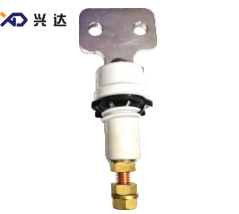
Transformer brass flag


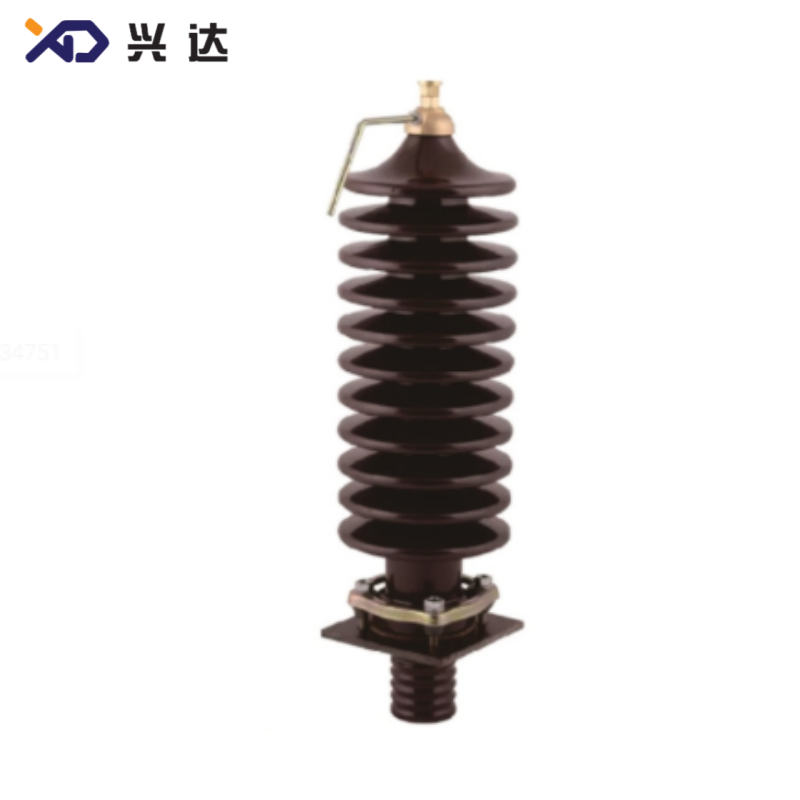
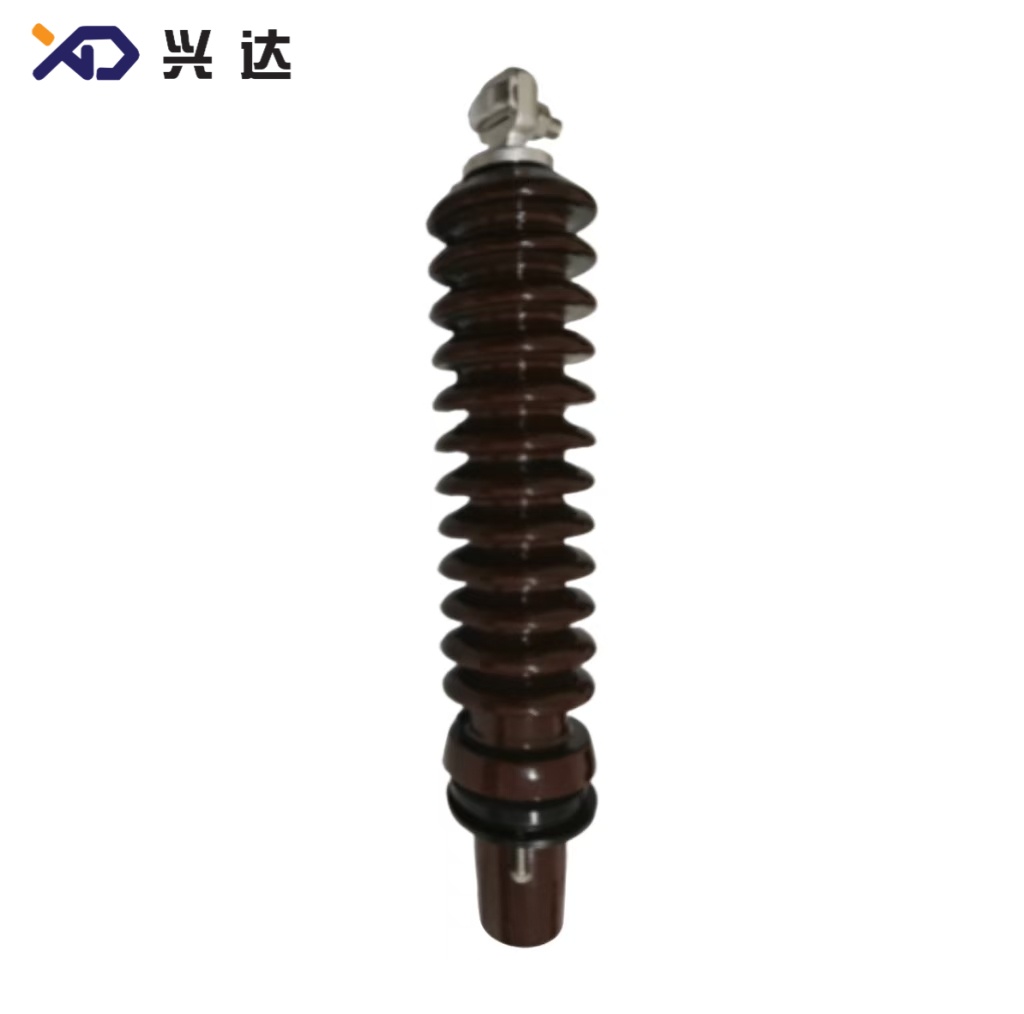
Bushing Connector for DIN LV Type for Oil‑Immersed Distribution Transformer
Bushing Connector for DIN LV Type: Complete Technical Guide for Distribution Transformer Accessories
Introduction
Many transformer engineers and procurement teams confuse the bushing insulator body with its mating bushing connector. The porcelain bushing provides insulation between live conductor and transformer metal tank; the DIN LV bushing connector delivers reliable high‑current transfer, mechanical fastening and stable contact resistance. Poor‑quality or mismatched DIN LV bushing connectors are a leading root cause of overheating terminals, hot‑spot faults and unexpected transformer outages in low‑voltage secondary circuits. Correct selection of bushing connector for DIN LV type directly influences transformer operational safety, continuous loading capacity and long‑term service life.
What is Bushing Connector for DIN LV Type
These connectors are designed to work inside oil‑immersed transformer environments. Part of the connector assembly sits inside transformer oil, while the outer terminal section operates under open‑air indoor or outdoor conditions. All metal contact surfaces must be compatible with mineral transformer oil, resist oxidation, and maintain stable electrical performance under cyclic temperature changes from cold startup to full‑load operating temperature.
Core Material Composition
- Main conductive body: High‑grade brass or copper alloy. Tin‑plated surface treatment is standard for anti‑oxidation, anti‑corrosion and reduced contact resistance in humid outdoor operating conditions.
- Fastening hardware: Matching nuts, flat washers and spring lock washers of brass or plated steel. Spring washers maintain constant contact pressure under thermal expansion and contraction cycles to prevent loose connections.
Optional flag terminal: Copper spade terminal with multi‑hole layout for busbar and multi‑cable lug mounting.
Main Application Scenarios of DIN LV Type Bushing Connector
- New production of oil‑immersed distribution transformers complying with DIN 42530 / DIN 42539 standards
- Retrofit and spare‑part replacement for existing European‑spec distribution transformers
Low‑voltage secondary side outgoing terminals for distribution transformers (1 kV / 3 kV rated voltage)
- Indoor and outdoor transformer installation sites
- Utility power distribution networks, industrial plant transformers, rural grid transformer units
- Project upgrade where original DIN LV porcelain bushing is retained and only connector assembly requires renewal
Note: DIN LV bushing connectors are exclusively for low‑voltage DIN porcelain bushings. They cannot be mixed with EN standard LV bushing, ANSI bushing or high‑voltage bushing accessories, as thread size, mechanical dimension and mounting geometry are non‑interchangeable.
Technical Parameter Reference Table for Bushing Connector for DIN LV Type
| Model Code | Reference Standard | Rated Voltage | Rated Current | Stem Thread | Recommended Connector Type | Typical Application |
|---|---|---|---|---|---|---|
| XD.0250.1.DIN | DIN -1/250 | 1 kV | 250 A | M12 | Threaded stud connector | Small‑size distribution transformer |
| XD.0400.1.DIN | DIN -1/400 | 1 kV | 400 A | M16 | Threaded stud connector | General‑purpose distribution transformer |
| XD.0630.1.DIN | DIN -1/630 | 1 kV | 630 A | M20 | Stud or flat flag connector | Medium‑capacity distribution transformer |
Key Advantages of Qualified DIN LV Type Bushing Connector
- Stable high‑current carrying performance: Brass‑copper conductive body with tin‑plated surface keeps low contact resistance under long‑term full‑load operation, effectively lowering terminal heating risk. For 2000 A and higher ratings, flat flag‑style connectors enlarge contact surface area to distribute current evenly and avoid local hot‑spot formation.
- Transformer‑oil compatible material: All immersed metal components are chemically stable with mineral insulating oil, no harmful precipitation that would degrade transformer oil quality.
- Anti‑loosening mechanical design: Combined sets of flat washer and spring lock washer offset thermal expansion and vibration stress during transformer operation, preventing connector loosening caused by repeated temperature cycling.
- Adapt to harsh outdoor environment: Tin‑plated surface resists humidity, atmospheric corrosion and slight pollution, suitable for both indoor substation and open‑air pole‑mounted transformer installation.
- High interchangeability: Strictly follow DIN 42530 and DIN 42539 thread and dimension standards, enabling direct replacement for original‑equipment DIN LV bushing connectors without modification on transformer tank or existing porcelain bushing body.
- Multiple configuration options: Customers may select pure threaded stud terminals or multi‑hole flat flag terminals according to on‑site connection requirement for cable lugs or rigid copper busbars.
Critical Selection Guidelines for Bushing Connector for DIN LV Type
- Match exact rated current: The bushing connector rated current must equal or exceed the bushing rated current. Using lower‑current‑rated connectors will produce excessive heat under full‑load operation.
- Verify stem thread dimension: Thread specification (M12, M20, M30, M42, M48 etc.) must precisely match the DIN LV bushing stem thread. Mismatched threads cannot assemble properly and will damage the bushing insulator.
- Select suitable terminal form: For small‑current projects below 630 A, threaded stud‑style connectors are sufficient. For 1000 A and above heavy‑current working condition, flat multi‑hole flag‑type DIN LV bushing connectors are strongly recommended for busbar and multi‑cable‑lug connection.
- Confirm surface treatment: Tin‑plated finish is preferred for general outdoor projects. Non‑plated bare brass will oxidize quickly under humid outdoor conditions and increase contact resistance over time.
- Oil‑compatible requirement: All parts that will be submerged inside transformer oil must adopt oil‑resistant metal material; ordinary carbon‑steel hardware without anti‑corrosion treatment cannot be used for oil‑immersed sections.
Installation Best Practices
- Before assembly, inspect all DIN LV bushing connector components for mechanical scratch, thread damage or plating peeling. Damaged connectors shall not be put into service.
- Assemble washers and nuts in correct sequence. Spring lock washers must be fitted to maintain persistent contact pressure.
- Apply controlled torque during tightening. Over‑torque may crack the porcelain bushing insulator; insufficient torque will lead to loose contact and thermal overheating fault.
- After finishing connector assembly, check alignment to avoid mechanical stress loaded on porcelain bushing body. Side force or cantilever load on the connector shall comply with IEC 60137 requirement.
For installation angle deviating more than 30 degrees from vertical position, special reinforced DIN LV bushing connector configuration shall be evaluated according to project specifications.
Common Faults Related to DIN LV Bushing Connector
- Terminal overheating: Usually caused by insufficient tightening torque, missing spring washer, oxidized contact surface, or selecting a connector with insufficient current rating.
- Thread galling and damage: Arises from mismatched thread size or improper assembly operation.
- Corrosion of outer terminal: Occurs when non‑tin‑plated metal parts are applied in high‑humidity outdoor environment.
- Secondary porcelain bushing damage: Caused by excessive tightening torque or heavy side mechanical load transferred from poorly‑mounted bushing connector.
Categories
Contact Us
Contact: Tianjin Delda Trading Co., Ltd
WhatsApp: +86 13662056855
Tel:
E-mail: solomon20210701@tjxddq.com
Add: Unit‑101, Workshop 3, Bozhong Automobile Industrial Park, No.5 Xianghui Road, Intersection of Xianghui Road and Gaoying Road, Beizhakou Town, Jinnan District, Tianjin, China