Radiator
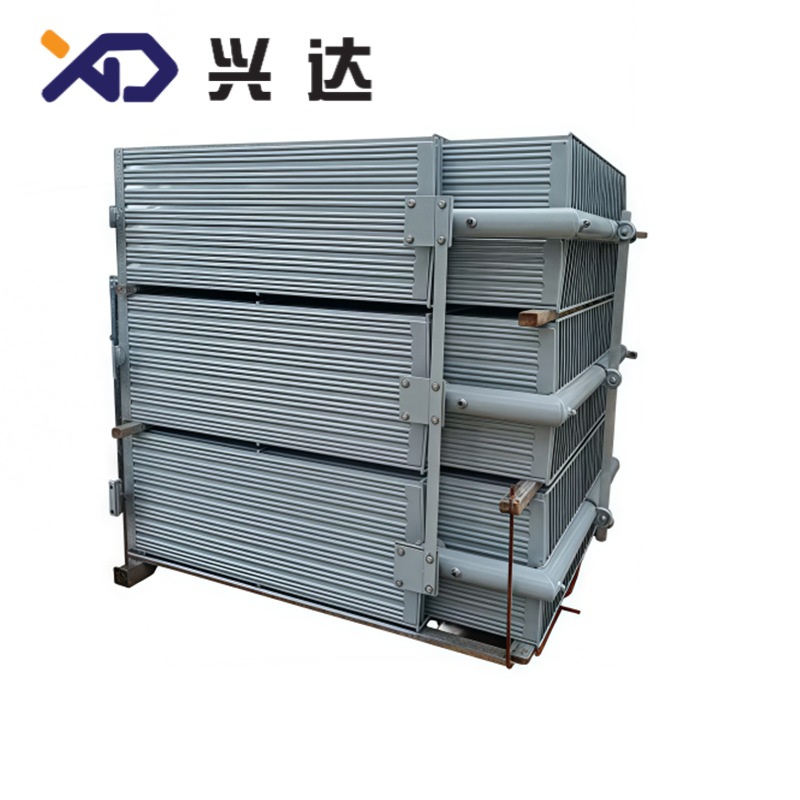
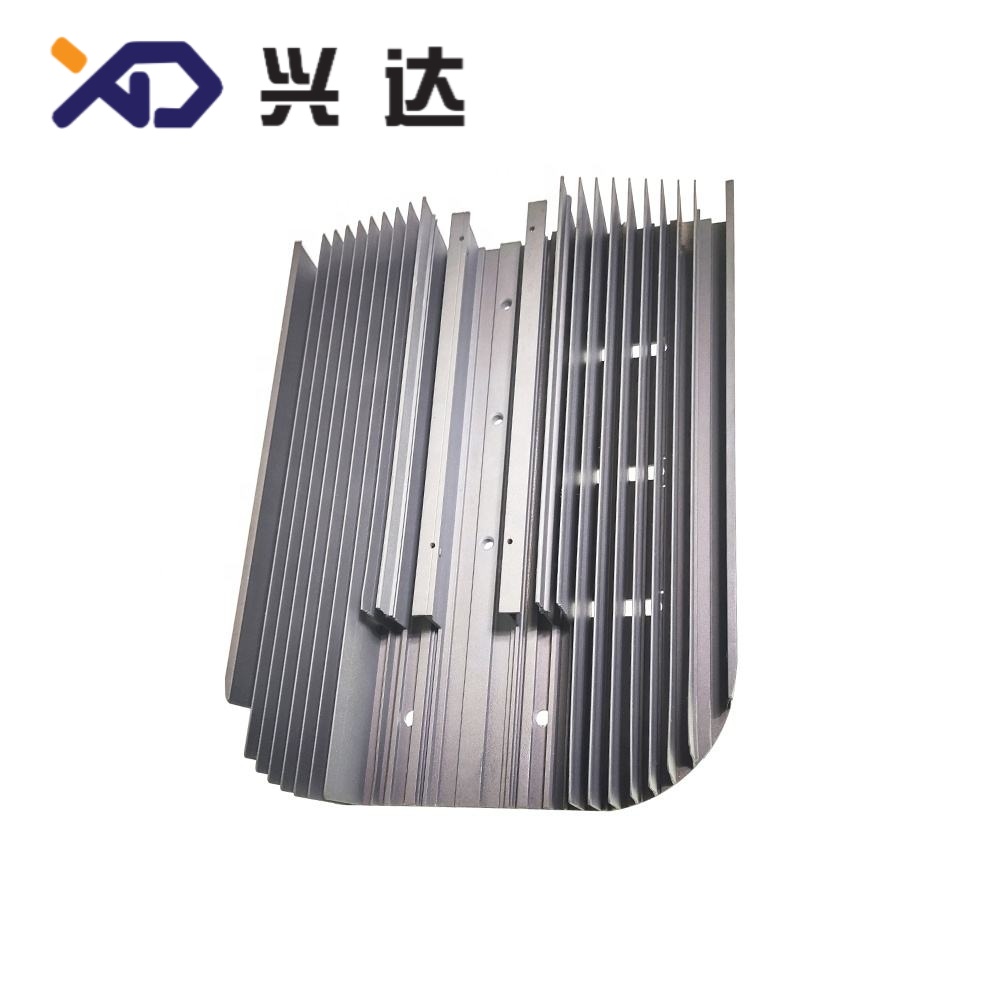
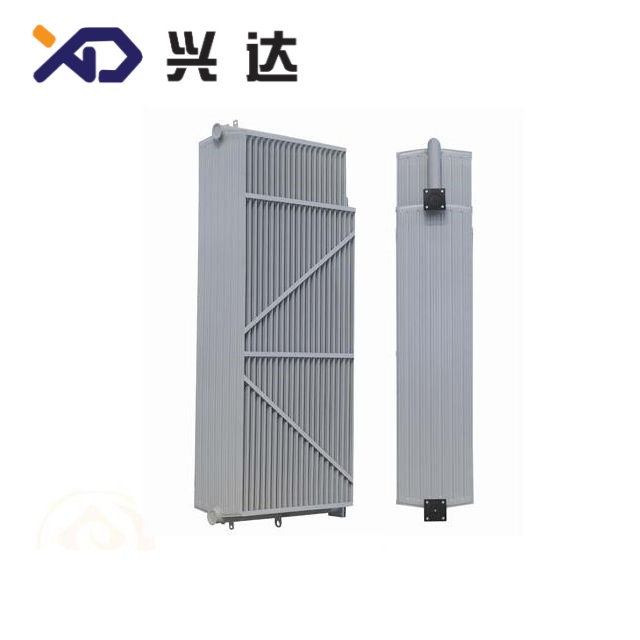
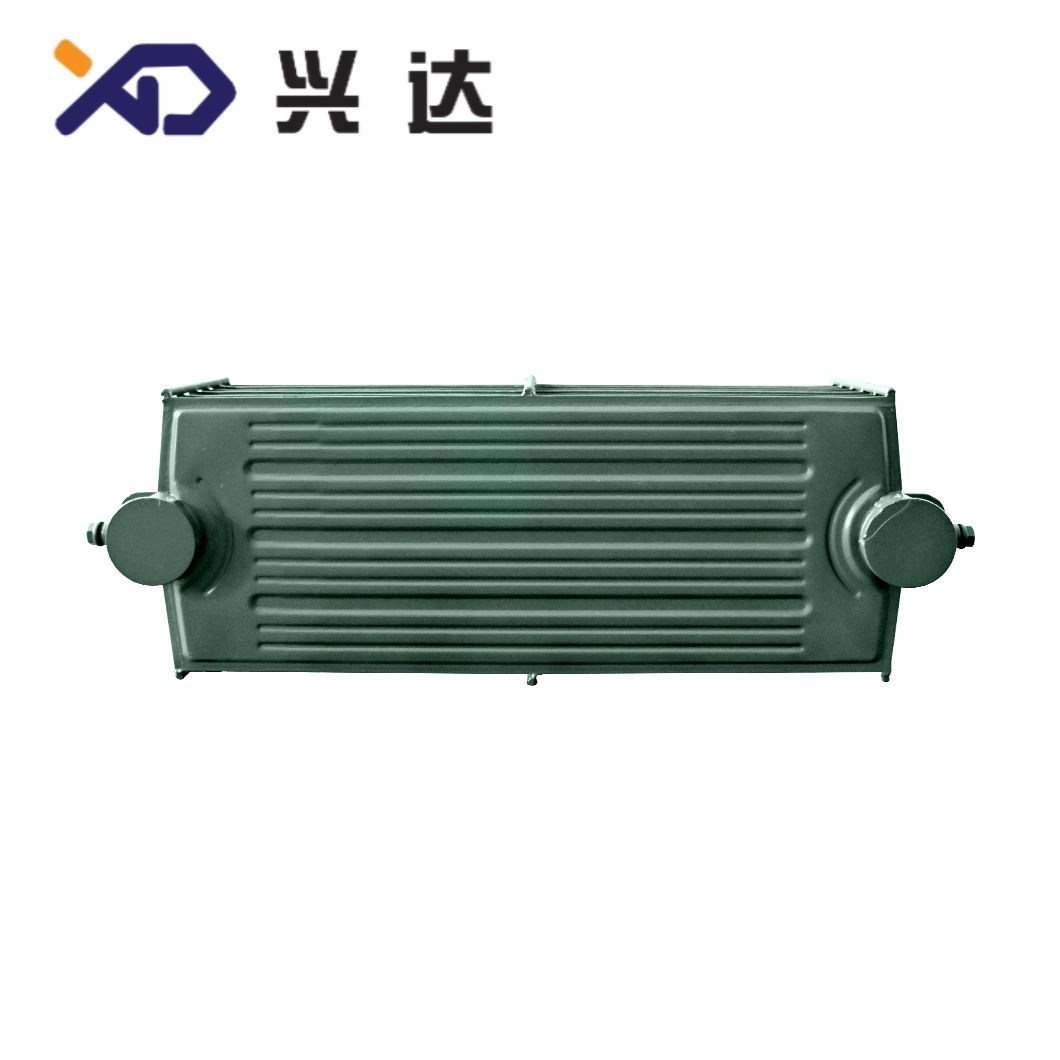
Oil‑Immersed Transformer Radiator for Power Distribution Cooling System
Transformer Radiator: Complete Guide for Power System Applications
What is a Transformer Radiator
A transformer radiator is a critical heat‑dissipation component for oil‑immersed power transformers. It transfers excess heat generated during transformer operation into the surrounding ambient air through natural convection or forced air circulation. Inside oil‑filled transformers, heated insulating oil flows into the radiator channels; thermal energy passes from hot oil to metal surfaces, then dissipates into open air, and cooled oil flows back to the transformer tank to complete the thermal circulation loop.
Without functional radiators, continuous heat accumulation will raise internal oil temperature, accelerate aging of transformer insulation paper, shorten equipment service life, and even trigger over‑temperature shutdown or permanent failure. Radiators are widely deployed in distribution transformers, power transformers for substations, industrial power supply units, and renewable‑energy step‑up transformers.
Two core operation modes define radiator performance: natural air cooling (ONAN) and forced air cooling (OFAF / ONAF). Natural convection radiators rely entirely on temperature difference to drive oil flow and air exchange, with zero extra power consumption. Forced‑air radiators match with external cooling fans to boost heat dissipation capacity for high‑load working scenarios.
Core Working Principle of Transformer Radiator
The whole cooling cycle follows basic thermal convection physics. When transformers run under load, copper and iron losses produce massive heat, which heats up the mineral insulating oil stored inside the transformer main tank. Hot oil has lower density, so it rises and enters the upper inlet port of radiator assemblies.
Heat conducts across the thin‑wall metal radiator panels to outer surfaces. Surrounding air absorbs thermal energy and flows upward. After releasing heat, oil density increases, cooled oil sinks and flows back into transformer tank from radiator bottom outlet. This continuous gravity‑driven circulation keeps transformer operating temperature within safe threshold range.
For high‑capacity transformer projects, axial cooling fans are mounted beside radiator banks. Fans push high‑speed airflow across radiator fins, greatly improving heat exchange efficiency. This configuration allows transformers to sustain higher peak load without temperature overshoot.
Main Types of Transformer Radiators
Different structural designs adapt to varied voltage classes, power ratings and installation conditions. Below are mainstream categories used across global power industries.
- Panel‑type (corrugated) radiatorCorrugated panel radiators consist of welded thin steel sheets, forming hollow flow channels for transformer oil. Compact dimension, lightweight, good anti‑vibration performance. Mostly used for small‑to‑medium distribution transformers below 35kV. No extra pipe connection required; panels can be directly welded onto transformer tank wall.
- Fin‑tube radiatorFin‑tube radiators adopt seamless steel tubes welded with stacked metal fins. Large total heat‑exchange area, excellent mechanical strength. Suitable for medium and large power transformers in substations. Supports both natural cooling and fan‑assisted forced cooling modes. Easy for on‑site maintenance and component replacement.
- Detachable assembled radiator bankModular assembled radiators connect multiple single radiator units via flange pipelines. Users can increase or reduce radiator quantity according to actual cooling demand. Ideal for high‑voltage main transformers with capacity above 110kV. Modular design brings convenience for transportation, storage and field assembly.
| Radiator Type | Typical Application Scenario | Cooling Mode | Key Merits | Primary Limitations |
|---|---|---|---|---|
| Corrugated Panel Radiator | Distribution transformer ≤35kV | ONAN | Compact size, no leakage risk, low installation cost | Limited heat dissipation capacity, not fit ultra‑high power units |
| Fin‑Tube Radiator | Medium‑size substation transformer | ONAN / ONAF | High heat‑exchange efficiency, strong mechanical rigidity | Higher weight than corrugated panel versions |
| Modular Assembled Radiator Bank | High‑voltage main transformer ≥110kV | ONAN / OFAF | Flexible capacity adjustment, convenient maintenance | Occupies larger installation space, needs flange pipeline assembly |
Key Performance Advantages of Standard‑Spec Transformer Radiators
Properly selected radiators deliver multi‑dimensional benefits for power grid assets.
- Extend transformer service lifespanStable heat dissipation maintains insulating oil and winding insulation at reasonable operating temperature. Each 8‑10℃ long‑term temperature drop can double the expected insulation service life, lowering frequency of transformer overhaul and replacement.
- Improve system operational reliabilityEffective heat removal prevents unexpected over‑temperature trips during peak load hours, reduces unplanned power outage risks for industrial plants, urban power grids and wind‑solar power stations.
- Flexible compatibility for global standardsQualified radiators can be manufactured to comply with IEC, ANSI, DIN and GB industry specifications. They support various climatic conditions: high‑temperature desert zones, high‑humidity coastal regions, and cold high‑altitude locations. Surface anti‑corrosion coating options resist salt spray, acid rain and ultraviolet degradation.
- Low‑cost whole‑life‑cycle operationNatural‑convection radiator types consume zero auxiliary energy. For forced‑air systems, fans only activate under heavy‑load conditions, keeping long‑term energy expenditure low. Robust steel structures reduce failure rate during decades‑long running cycles.
Critical Specification Parameters for Radiator Selection
When specifying transformer radiators for procurement or engineering design, engineers must evaluate a set of standardized technical parameters. Wrong parameter matching will cause insufficient cooling or waste of material cost.
| Parameter | Description | General Reference Notes |
|---|---|---|
| Total heat dissipation capacity | Maximum heat energy that radiator assembly can dissipate, unit: kW | Must match total transformer loss (iron loss plus copper loss) under rated load |
| Operating oil temperature range | Allowable working temperature of circulating insulating oil | Common range: -40 ℃ ~ +105 ℃ |
| Nominal system voltage class | Matched transformer voltage level | 10kV, 35kV, 110kV, 220kV and above |
| Material specification | Base metal material and surface treatment | Carbon steel main body; anti‑rust primer plus weather‑resistant topcoat for outdoor deployment |
| Connection form | Oil inlet and outlet connection structure | Weld‑on type or flange connection type |
| Ambient working condition | Adaptable site environment | Altitude limit, maximum ambient temperature, salt‑spray resistance requirement |
| Cooling mode | ONAN / ONAF / OFAF | Confirm whether cooling fans will be equipped |
Installation, Operation and Routine Maintenance Guidelines
Correct installation and regular inspection preserve radiator performance over decades.
Installation Notes
Keep sufficient clearance space around radiator groups. Blocked space will hinder air flow and sharply cut cooling performance. For forced‑air cooling systems, install fans with correct distance against radiator surfaces. Check all connecting welding seams or flange sealing points to eliminate potential oil‑leak risks before putting transformers into service. Avoid mechanical impact during lifting and installation; deformation on panel or tube structure will obstruct internal oil circulation.
Periodic Maintenance Checklist
- Visual inspection: Check outer surface for paint peeling, rust spot development, oil leakage at welding joints and flange positions.
- Surface cleaning: Remove dust, bird droppings, leaves and other debris accumulated on radiator outer surfaces. Dirty covering layers reduce heat exchange efficiency heavily, especially for outdoor‑installed equipment.
- For fan‑equipped radiator groups: Test fan rotation function, check wiring condition and vibration status every maintenance cycle.
- Monitor transformer top‑oil temperature data. Sustained higher‑than‑normal temperature under identical load conditions often indicates radiator blockage or performance degradation.
Common failure symptoms include local overheating, visible oil seepage, and uneven temperature distribution across different radiator units. Internal channel blockage caused by aged oil sediment is one frequent root cause. In such cases, oil flushing or partial radiator replacement is required.
Common FAQs about Transformer Radiators
Q1: Can one radiator design fit all transformer capacities?
No. Radiator heat‑dissipation output must be calculated based on transformer total loss value. Small‑capacity distribution transformers adopt compact corrugated panels; large high‑voltage transformers need multi‑unit assembled radiator banks.
Q2: What negative impact will poor radiator anti‑corrosion bring?
Rust formation damages metal structural integrity. Corrosion may create tiny holes and lead to transformer insulating oil leakage. For coastal salt‑spray environments, anti‑corrosion coating grade must be upgraded accordingly.
Q3: Is forced‑air cooling always better than natural cooling?
Forced‑air cooling improves heat dissipation capability, yet it adds power consumption and extra mechanical components that need maintenance. When transformers mostly run under light‑load status, ONAN natural cooling can satisfy operational demands with higher reliability.
Conclusion
Transformer radiators are indispensable passive thermal management hardware for oil‑immersed power transformers. Selecting proper radiator type according to transformer capacity, local climate and cooling requirements, together with standardized installation and periodic maintenance, helps power asset owners achieve stable operation and extend transformer service lifetime. Designers and procurement engineers should focus on core indicators including heat dissipation capacity, material quality, anti‑corrosion grade and standard compliance during technical specification confirmation.
Categories
Contact Us
Contact: Tianjin Delda Trading Co., Ltd
WhatsApp: +86 13662056855
Tel:
E-mail: solomon20210701@tjxddq.com
Add: Unit‑101, Workshop 3, Bozhong Automobile Industrial Park, No.5 Xianghui Road, Intersection of Xianghui Road and Gaoying Road, Beizhakou Town, Jinnan District, Tianjin, China