Radiator
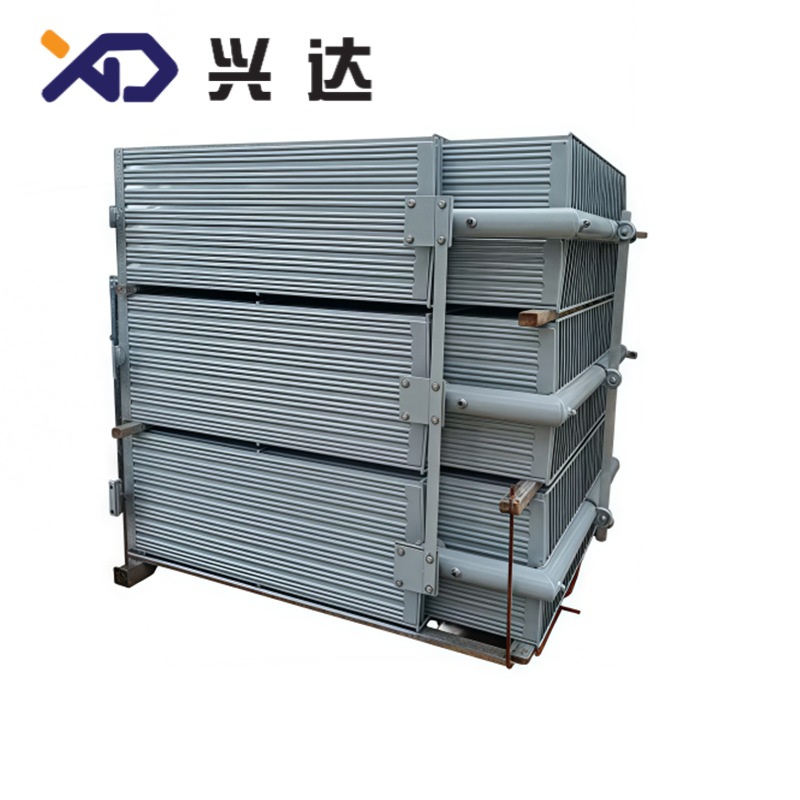
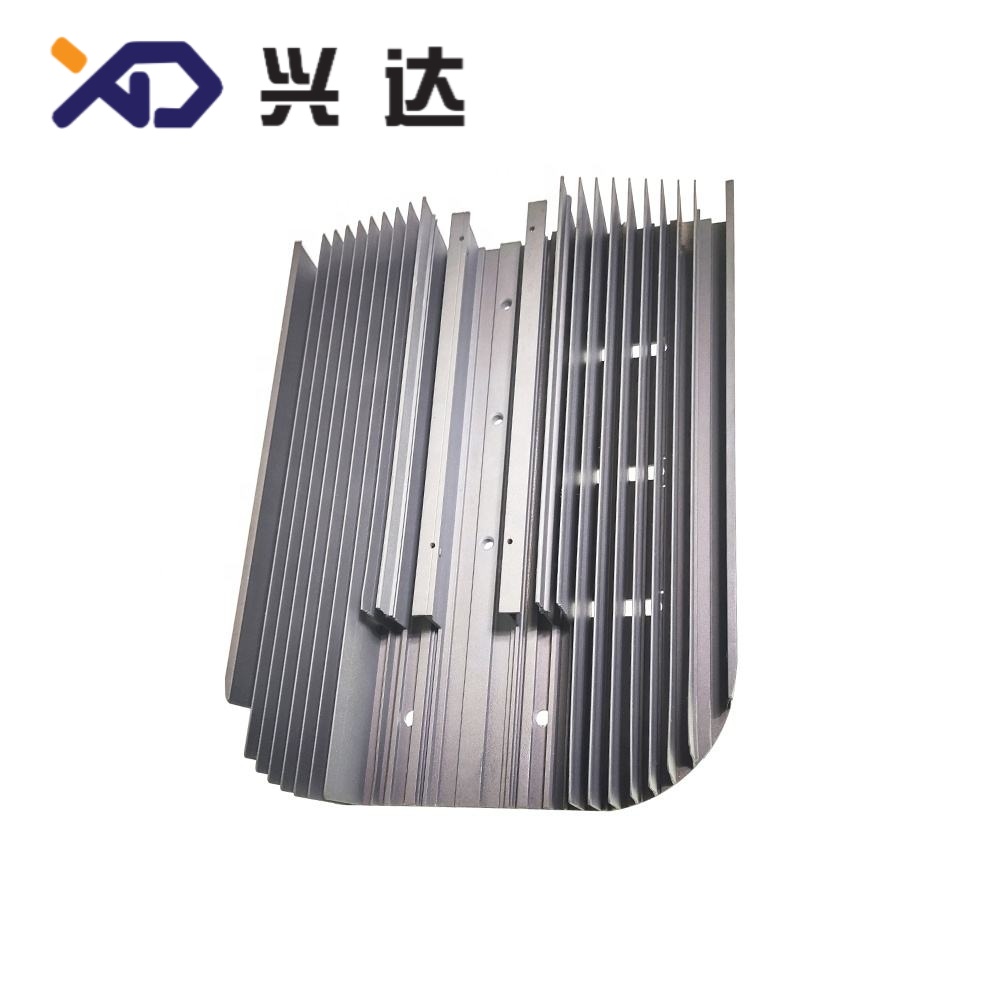
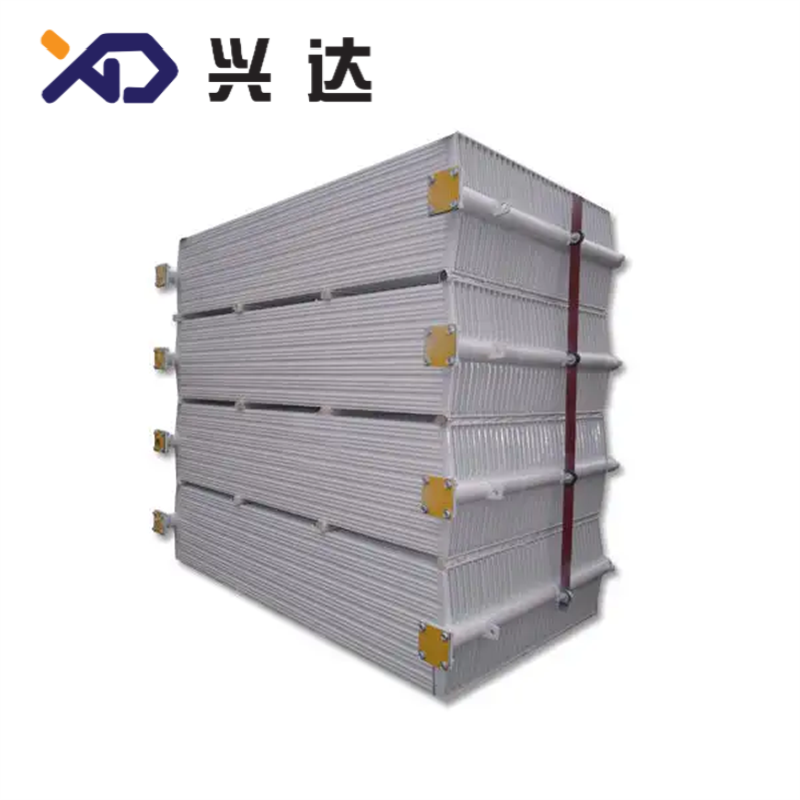
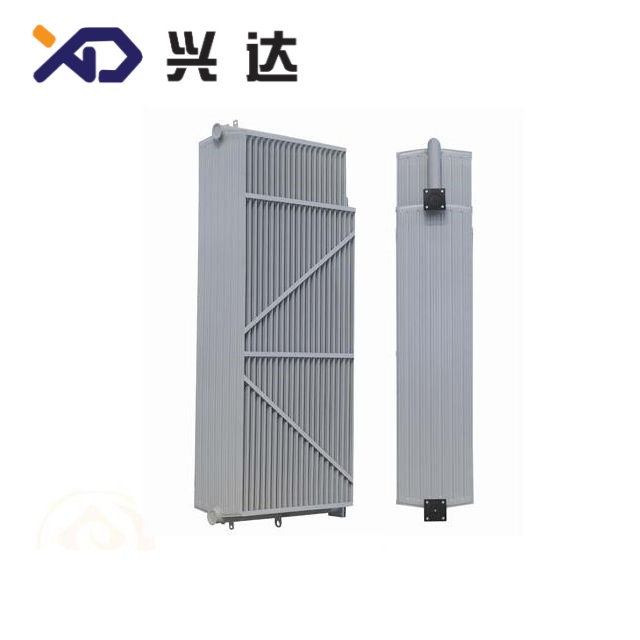
Transformer Radiator for Oil Immersed Power Transformers
Transformer Radiator | Full SEO Package
What Is a Transformer Radiator?
Transformer radiators are connected to the upper and lower oil pipes of the transformer main tank. Hot oil flows into the radiator from the upper connector, releases heat through metal panels, and cooled oil flows back to the transformer tank from the bottom, forming natural thermal convection circulation. It can be equipped with axial fans to achieve forced air cooling for higher heat dissipation capacity. The product is widely used in distribution transformers, substation power transformers, new energy step-up transformers and industrial power supply transformers.
2. Working Principle of Transformer Radiator
Two operation modes are available: natural air cooling (ONAN) and forced air cooling (ONAF). Natural cooling depends fully on air natural flow; forced cooling installs external fans to accelerate air velocity around radiator panels, improving heat dissipation capacity by 25%~40% to support short-time overload operation of transformers.
3. Main Classifications of Transformer Radiators
3.1 By Structural Style
- Panel Type Radiator (Pressed Steel Radiator)Made of multiple standard pressed steel elements assembled together, independent disassembly is supported. Easy transportation and installation, convenient single-piece replacement for maintenance. It is the mainstream choice for medium and large power transformers. Standard element widths include 300 mm, 520 mm, 620 mm and other universal sizes.
- Corrugated Radiator (Wave Radiator)Integrally welded corrugated steel structure, directly welded on the transformer tank wall. Compact overall layout without extra connecting pipelines, mainly matched with small and medium distribution transformers. It also has the auxiliary function of compensating oil volume expansion caused by temperature change.
3.2 By Assembly Structure
- Detachable Radiator: Connected via flange and valve, can be separated from transformer tank without draining all transformer oil during maintenance.
- Welded Integrated Radiator: Permanently welded on transformer tank, low cost, mostly used for small distribution transformers.
3.3 By Surface Protection Treatment
- Standard anti-rust primer + finish paint
- Hot-dip galvanized radiator: Suitable for coastal, high humidity and corrosive industrial environments
- Polyurethane heavy anti-corrosion coating: Adapted to chemical plant, offshore wind and harsh outdoor conditions
4. Comparison of Main Radiator Types
| Comparison Item | Panel Type Transformer Radiator | Corrugated Transformer Radiator |
|---|---|---|
| Structural Feature | Combined independent steel elements, flange connection | Integrated wave plate, directly welded on tank |
| Heat Dissipation Expansion | Flexible, increase element quantity to enlarge cooling area | Limited by tank size, difficult to expand cooling capacity |
| Maintenance Convenience | Single element removable, easy replacement | Must cooperate with transformer oil draining for repair |
| Matching Transformer Capacity | 1000kVA ~ 200MVA large and medium transformers | 30kVA ~ 2500kVA distribution transformers |
| Cooling Mode Support | ONAN / ONAF (can install fan bracket) | Mainly ONAN, limited fan installation space |
| Equipment Layout | Occupies more external space | Saves installation space, compact layout |
| Service Scenario | Substation, heavy industry, renewable energy station | Urban and rural power grid distribution transformers |
5. Universal Technical Specification Reference Table
| Parameter Category | Standard Parameter Range | Supplementary Notes |
|---|---|---|
| Raw Material | SPCC Cold Rolled Steel Plate | Custom stainless steel plate available for anti-corrosion demand |
| Element Width | 300mm, 520mm, 620mm, 760mm | Industry common standard sizes |
| Design Working Pressure | ≤0.1 MPa | Hydraulic pressure test executed before factory delivery |
| Test Pressure | 0.15 MPa air tightness test | No oil leakage allowed after pressure holding |
| Standard Flange Center Distance | 500mm, 900mm, 1100mm, 1400mm | Custom hole spacing on request |
| Surface Treatment | Ordinary paint, hot galvanizing, heavy anti-corrosion paint | Select according to ambient corrosion grade |
| Allowable Operating Temperature | -40°C ~ +105°C | Matches normal operating temperature range of transformer oil |
| Applicable Cooling Standard | ONAN, ONAF | Cooperate with fan assembly for forced air cooling |
| Compliance Standards | IEC 60076, EN 50216-6, GB/T | International universal transformer accessory standards |
6. Core Advantages of Transformer Radiators
- Effectively Control Transformer Operating TemperatureStable heat dissipation maintains winding hot spot temperature within design limits, slow down insulation aging and extend transformer service life.
- Support Transformer Rated and Overload OperationRadiator with matched heat dissipation area guarantees stable operation under rated load; when equipped with fans, it meets temporary overload demand of power grid peak hours.
- Flexible Configuration SchemePanel radiators can freely adjust the number of elements according to transformer loss parameters, realizing customized cooling capacity without redesigning the whole structure.
- Convenient Installation and After-sales MaintenanceDetachable panel radiators are equipped with isolation valves. Damaged single elements can be replaced separately without emptying a large amount of insulating oil, cutting maintenance cost and downtime.
- Strong Environmental AdaptabilityMultiple anti-corrosion surface treatments are optional, adapting to inland dry areas, coastal salt fog areas, chemical industrial zones and other complex outdoor environments.
- Reduce Overall Operation RiskStable thermal environment reduces risks such as transformer partial discharge, insulation degradation and gas generation caused by overheating, improving power supply reliability.
7. Common Cooling Modes Matching Radiators
- ONAN (Oil Natural, Air Natural)Natural convection of oil and air, no auxiliary fan required. Low operation noise, zero energy consumption, suitable for distribution transformers with stable load.
- ONAF (Oil Natural, Air Forced)Install axial fans on radiator support frame. Forced air flow strengthens heat exchange, heat dissipation capacity increases obviously. Widely adopted for medium-sized industrial transformers and substation transformers.
Large power transformers may adopt OFAF mode with matching radiators and circulating oil pumps, but this scheme is less common for conventional radiator configurations.
8. Global Industry Compliance Standards
- IEC 60076: General standard for power transformers, specifies transformer thermal design requirements matched with radiators
- EN 50216-6: European standard for transformer fittings, technical requirements and test specifications for removable radiators
IEEE C57.12: North American transformer system specification, guiding radiator selection under ANSI standard transformers
All qualified radiators must pass air tightness leakage test, appearance inspection and dimension detection before leaving factory to eliminate oil leakage hidden danger.
9. Typical Application Scenarios
- Urban and rural power grid oil immersed distribution transformers
- Substation medium and high voltage power transformers
- Wind farm and photovoltaic power station step-up transformers
- Large steel, mining, chemical industrial power supply transformers
- Data centers, hospitals and other important load power transformers
- Railway traction transformers and commercial building power transformers
Corrugated radiators are mostly selected for small distribution projects with low maintenance frequency. Panel radiators are preferred for medium and large transformer projects requiring high reliability and convenient maintenance.
10. Routine Maintenance Recommendations
- Visual inspection every quarter: Check radiator surface for oil leakage, weld crack, paint peeling and corrosion.
- Clean dust, bird droppings and attachments on radiator panels every 6–12 months to avoid blocking air flow and reducing heat dissipation efficiency.
- For ONAF cooling system: Regularly check fan operation, clean fan blades and test control circuit.
- For detachable radiators: Check the sealing performance of flange gaskets regularly to prevent oil leakage.
Pay close attention to transformer oil temperature data. If temperature rises abnormally under the same load, check whether radiator circulation is blocked or surface is seriously fouled.
11. Frequently Asked Questions
Q1: Can radiators increase transformer maximum capacity?
Q2: How to judge whether radiator leakage occurs?
Q3: Is corrugated radiator cheaper than panel radiator?
Q4: Can radiators be installed later on existing transformers?
Categories
Contact Us
Contact: Tianjin Delda Trading Co., Ltd
WhatsApp: +86 13662056855
Tel:
E-mail: solomon20210701@tjxddq.com
Add: Unit‑101, Workshop 3, Bozhong Automobile Industrial Park, No.5 Xianghui Road, Intersection of Xianghui Road and Gaoying Road, Beizhakou Town, Jinnan District, Tianjin, China