Oil Level Indicator
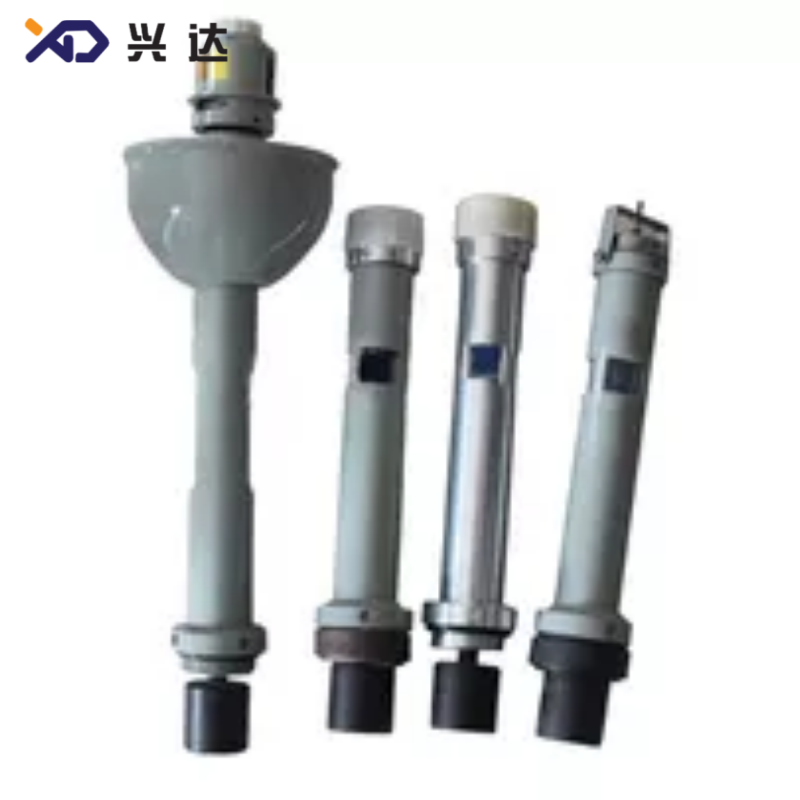
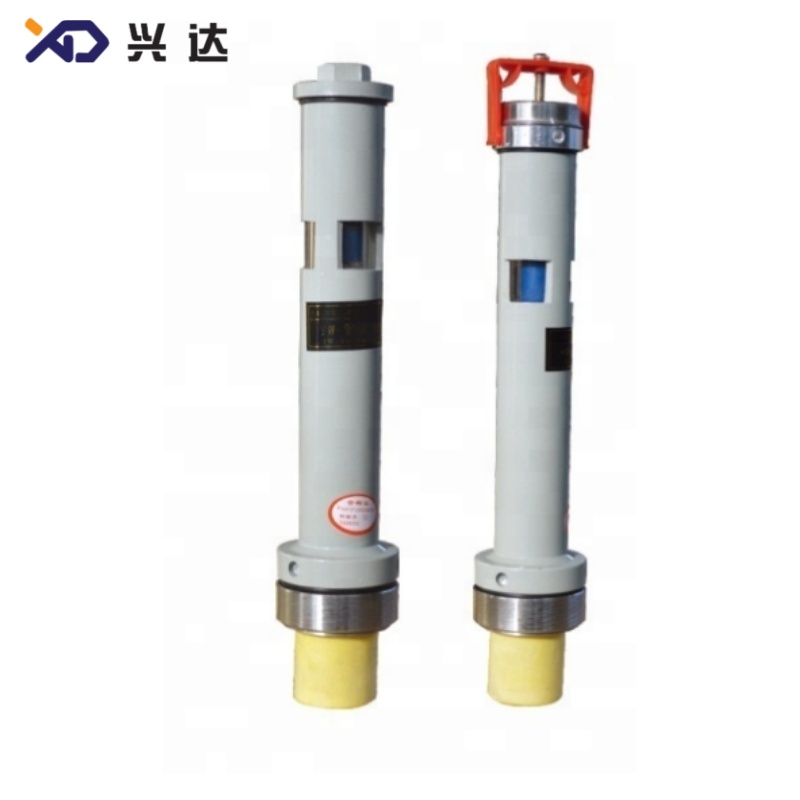
How to Properly Read a Transformer Oil Level Indicator Under Varying Temperatures
1. Basic Overview of Transformer Oil Level Indicator Temperature Reading
The transformer oil level indicator is an essential monitoring component for all oil-immersed power and distribution transformers, tasked with displaying the real-time volume of internal insulating oil. Transformer insulating oil features distinct thermal expansion and contraction characteristics under changing ambient and operating temperatures, which directly causes fluctuations in the visible oil level. Unlike fixed-scale measuring devices, transformer oil level readings cannot be judged by a static standard value, as temperature deviations will lead to normal liquid level changes rather than actual oil leakage or shortage. In outdoor operating scenarios, transformers endure drastic temperature alternations from extreme high heat in summer to severe freezing cold in winter, making temperature compensation reading a core and essential operation standard. Improper reading methods, such as applying a fixed reference scale all year round, will easily cause misjudgment: mistakenly regarding thermally expanded high oil level as an overfilling fault or taking cold-shrunken low oil level as an oil shortage risk. This misjudgment will interfere with daily equipment maintenance, affect transformer heat dissipation and insulation protection, and even induce potential power operation hazards. Therefore, mastering standardized temperature-adaptive reading skills is the basic guarantee for accurate transformer condition judgment and long-term stable grid equipment operation.
2. Product Characteristics, Advantages and Application Scenarios
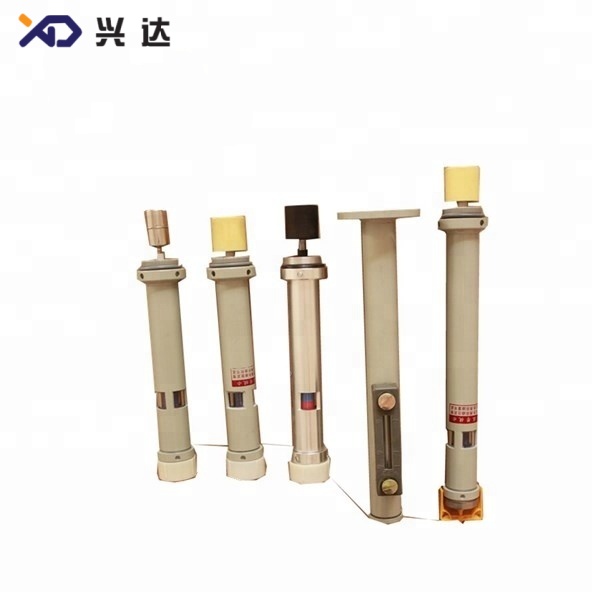
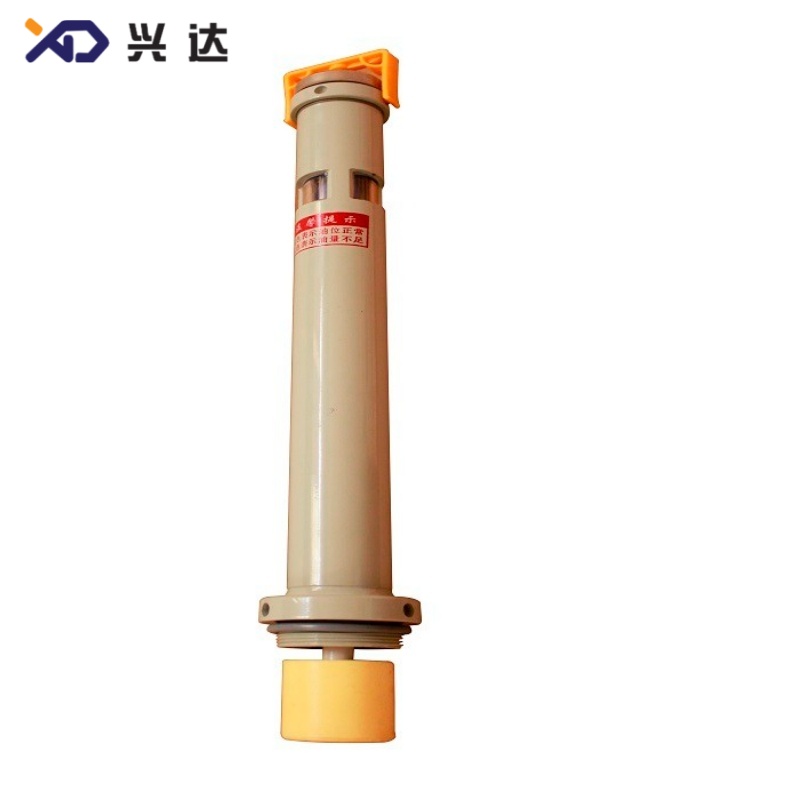
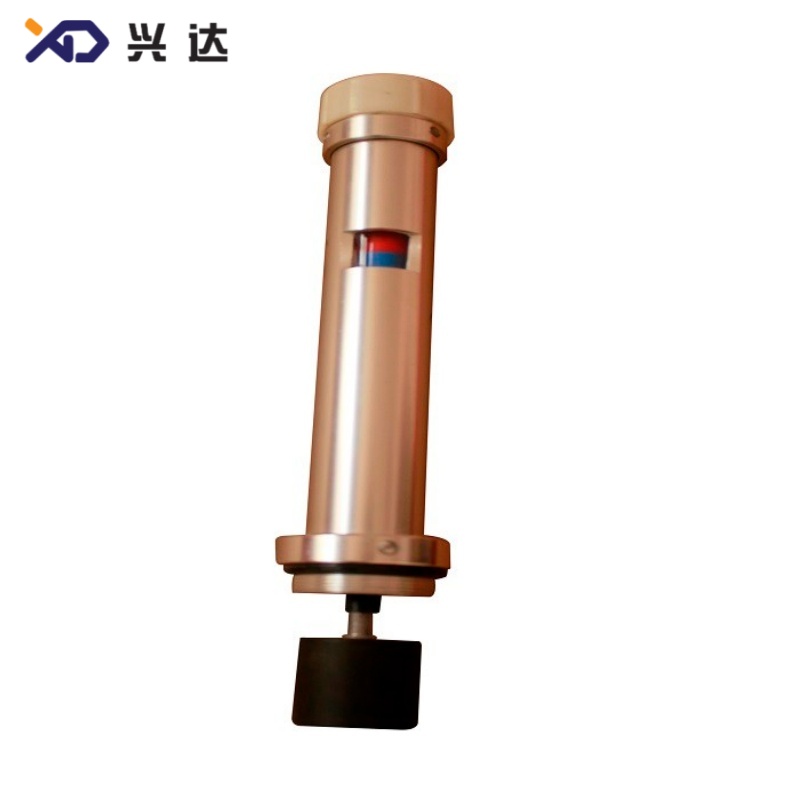
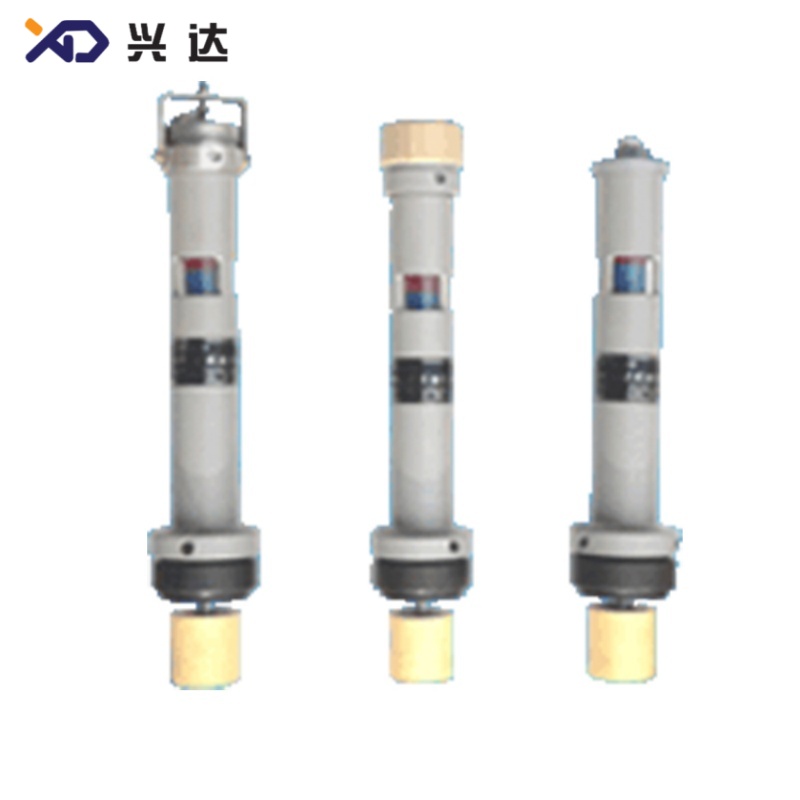
The temperature-compensated transformer oil level indicator is a professional precision measuring device independently developed for variable-temperature outdoor power operation environments, integrating temperature calibration marking, floating mechanical induction and high-precision liquid level detection technology. Different from traditional ordinary oil level gauges without temperature reference scales, this product is professionally optimized for temperature fluctuation scenarios, solving the industry pain point of inaccurate manual judgment under temperature changes. In terms of core characteristics, the product is printed with multi-temperature standard scales covering -30℃, 0℃, 20℃ and 40℃, corresponding to the oil level expansion and contraction coefficients of insulating oil at different temperatures, realizing one-to-one visual reference for on-site reading. It adopts high-transparency anti-aging observation tube and high-sensitivity floating ball linkage structure, ensuring flexible mechanical operation and clear scale display without blurring or fading after long-term outdoor use. In terms of core advantages, it features intuitive temperature matching reading, zero manual calculation error, strong environmental adaptability and ultra-stable measuring performance. The built-in temperature calibration system strictly complies with international power industry testing standards, fully fitting the physical variation law of mineral insulating oil. Even under drastic temperature changes from -40℃ low temperature to 70℃ high temperature, it can maintain accurate and consistent liquid level feedback, effectively avoiding maintenance misjudgment caused by thermal expansion and cold contraction. In terms of application scenarios, this temperature-adaptive oil level indicator is widely applicable to outdoor pole-mounted transformers, box-type substations, high-voltage main transformers, new energy wind and photovoltaic supporting transformers, covering urban power distribution, industrial parks, alpine regions, high-temperature tropical areas and all-climate outdoor power operation scenarios. It provides reliable temperature-compensated monitoring data for power grid operation and maintenance teams, standardizes daily inspection judgment standards, and effectively reduces equipment failure risks caused by reading errors, serving as a key supporting component for standardized and refined operation of outdoor transformer equipment.
3. Product Technical Parameter List
Parameter Item | Technical Specification |
Calibration Temperature Scale | -30℃ / 0℃ / 20℃ / 40℃ Standard Scales |
Operating Temperature Range | -40℃ ~ +70℃ |
Temperature Reading Accuracy | ±2% Full Scale |
Measuring Principle | Float Mechanical Induction + Temperature Compensation Calibration |
Observation Tube Material | UV-resistant High-transparency Polycarbonate |
Protection Grade | IP67 Dustproof & Waterproof |
Applicable Transformer Capacity | 10kVA ~ 25000kVA Oil-immersed Transformers |
Anti-fading Grade | Grade 8 Long-term Scale Anti-aging |
Standard Reading Method | Real-time Temperature Corresponding Scale Alignment |
Service Life | ≥10 Years (Conventional Outdoor Environment) |
4. FAQ (Frequently Asked Questions)
1. Why does the transformer oil level keep changing with temperature?Transformer insulating oil is a mineral liquid with obvious thermal expansion and cold contraction physical properties. When the ambient temperature or transformer operating temperature rises, the oil volume expands and the liquid level rises; when the temperature drops, the oil volume shrinks and the liquid level falls. This is a completely normal physical change, not equipment failure. Our oil level indicator is equipped with multi-temperature calibration scales to match this variation and realize accurate judgment.
2. What is the correct temperature reading step for daily inspection?First, measure the real-time ambient temperature of the transformer working site; second, find the corresponding temperature standard scale on the oil level indicator; third, check whether the floating ball oil level is within the qualified range of the corresponding temperature scale. Do not refer to the fixed middle scale mechanically. Read strictly according to the current temperature to ensure accurate equipment condition judgment.
3. Is temperature-compensated reading suitable for all outdoor scenarios?Absolutely yes. The product’s temperature calibration scales cover all common operating temperatures from ultra-low temperature cold regions to high-temperature tropical regions, adapting to seasonal temperature changes and all-weather outdoor working conditions. Whether in alpine freezing winter, high-temperature summer, or coastal temperature-variable environments, it can provide accurate temperature-matched oil level reference standards.
4. Will long-term outdoor use affect the clarity of temperature calibration scales?No. The temperature scales are printed with high-temperature baking anti-aging process, with UV resistance, scratch resistance and fade resistance. Cooperated with the high-transparency anti-aging observation tube, the scale remains clear and identifiable after more than 10 years of outdoor wind, rain and sun exposure, ensuring long-term accurate temperature reading judgment.
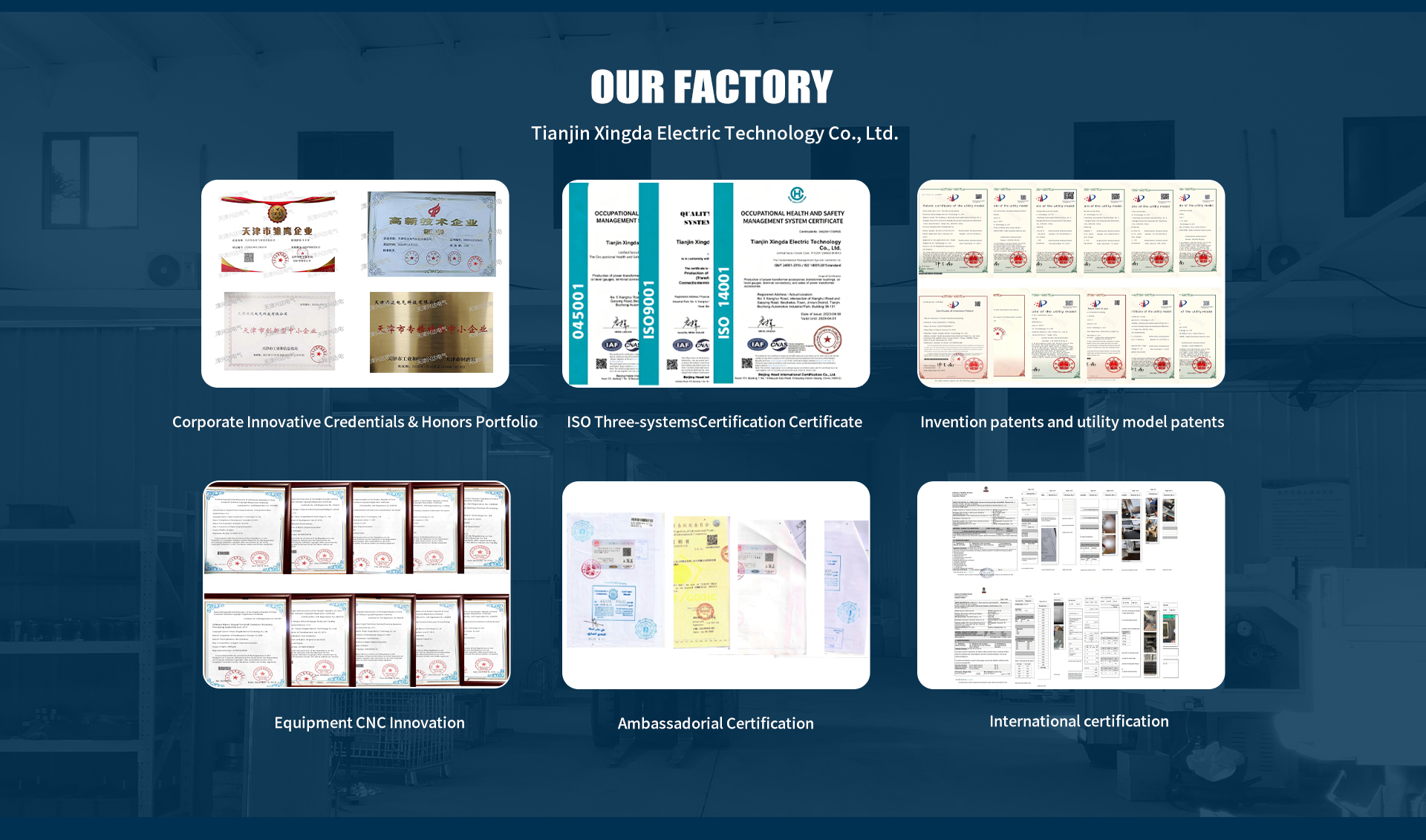
5.Certifications
Categories
Contact Us
Contact: Tianjin Delda Trading Co., Ltd
WhatsApp: +86 13662056855
Tel:
E-mail: solomon20210701@tjxddq.com
Add: Unit‑101, Workshop 3, Bozhong Automobile Industrial Park, No.5 Xianghui Road, Intersection of Xianghui Road and Gaoying Road, Beizhakou Town, Jinnan District, Tianjin, China