Oil Drain Valve
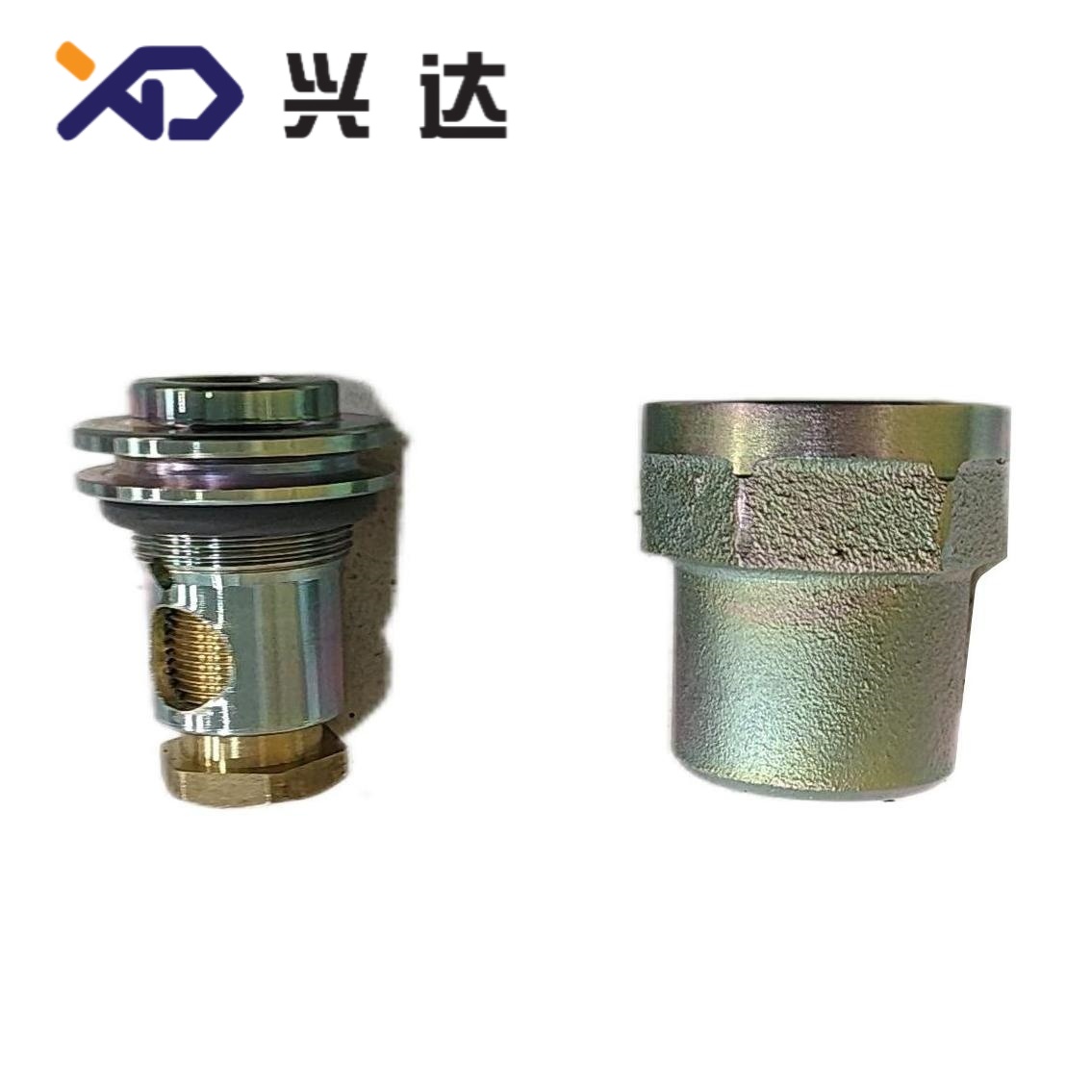
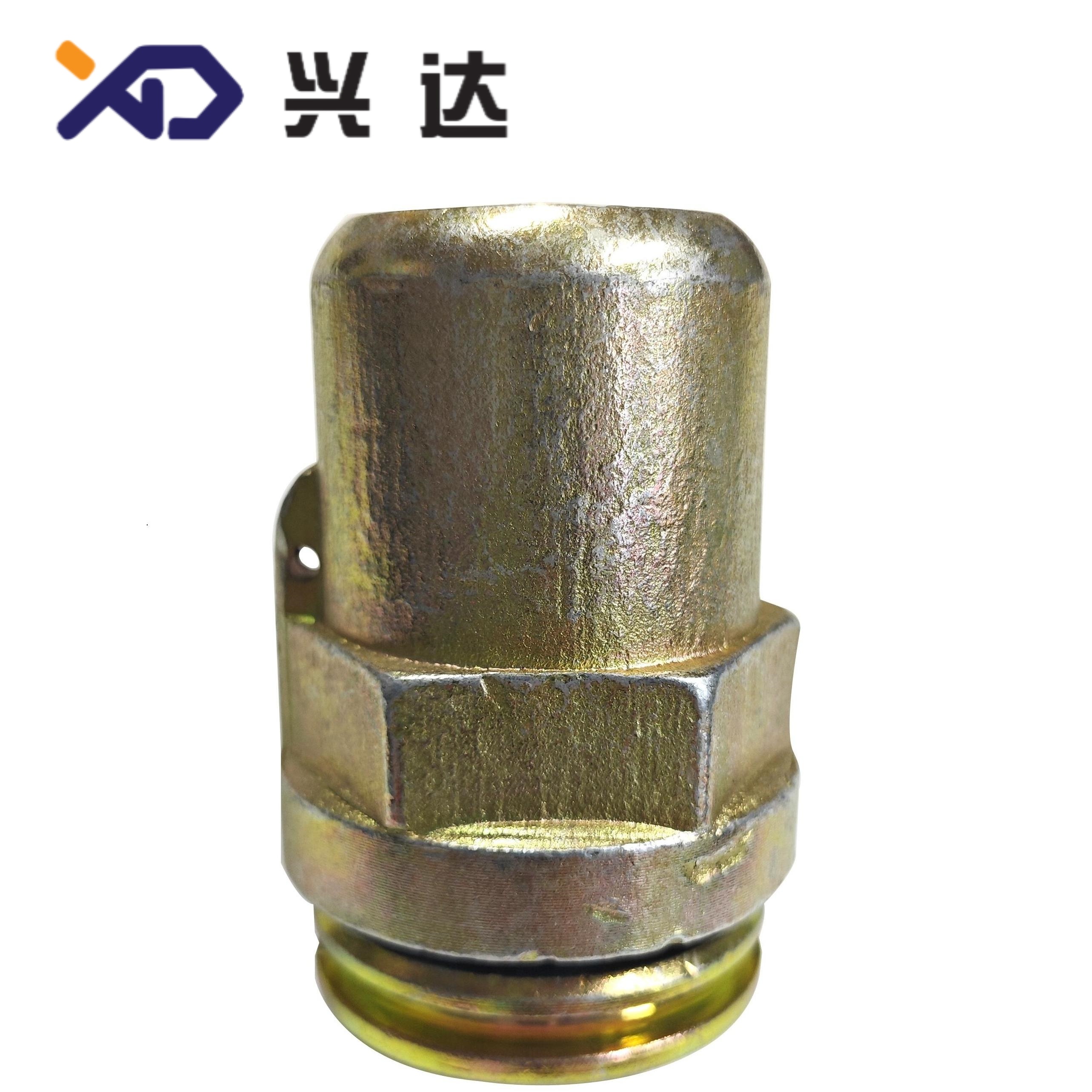
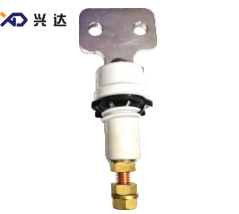
Integrated Oil Drain Valve for Oil‑Immersed Power Transformer Oil Sampling and Draining
Oil Drain Valve: Complete Technical Guide for Oil‑Immersed Transformer Systems
Word count: 1298Target SEO keywords: oil drain valve, transformer oil drain valve, oil drain valve for transformer, transformer drain valve, oil sampling drain valve, power transformer valve
What is an Oil Drain Valve
An oil drain valve is an essential fluid‑control accessory installed on the bottom or lower side wall of oil‑filled power transformers, reactors and related oil‑filled electrical equipment. As a core part of transformer oil‑management accessories, the oil drain valve enables controlled draining of insulating oil for equipment maintenance, oil replacement, emergency oil release and routine oil sample collection.
Oil‑immersed transformers rely on mineral insulating oil for both electrical insulation and heat dissipation. During the full service cycle, operators need to drain old oil for purification, oil replacement, or extract small‑volume oil samples for laboratory dissolved‑gas‑analysis (DGA). A properly functional oil drain valve supports these operations without causing uncontrolled oil leakage or introducing moisture and air into the transformer internal tank.
Most oil drain valve units are directly mounted on the lower portion of transformer tank walls. The valve body connects directly to transformer internal oil chamber. Different structural designs separate full‑volume oil draining and small‑quantity sampling functions. Many engineering projects combine drain and sampling features within one integrated oil drain valve assembly. These valves must satisfy strict sealing requirements under long‑term static pressure of insulating oil over decades‑long outdoor operation. Oil drain valves follow international standards IEC 60076 and corresponding national specifications for power transformer accessories. They are widely used for distribution transformers, substation main transformers, wind‑farm step‑up transformers and industrial power‑supply transformers across various voltage grades.
Key core functions of transformer oil drain valve:
- Full discharge of insulating oil during transformer overhaul, repair or component replacement.
- Controlled extraction of small‑volume oil samples for chemical and dielectric laboratory testing.
- Release of sediment, sludge and water contaminants accumulated at the bottom of transformer tank.
- Isolate transformer internal oil chamber from external environment after closing to prevent moisture ingress and oil seepage.
Main Types of Transformer Oil Drain Valve
Oil drain valve products are categorized by structural layout, operating purpose, body material and working pressure rating. Different designs match different transformer capacity, tank pressure and on‑site maintenance workflows.
- Integrated drain‑cum‑sampling oil drain valveThis is the most widely‑adopted type for modern transformers. One single valve assembly performs two tasks: large‑flow full oil draining and small‑volume oil sampling. It removes the requirement for separate sampling valves, reduces tank wall openings and lowers potential leakage points. Operators can switch between draining mode and sampling mode by adjusting valve handles or auxiliary outlets.
- Dedicated large‑caliber oil drain valveLarge nominal diameter valve bodies, designed for fast full‑tank oil drainage. Mainly fitted on high‑capacity high‑voltage main transformers. Large flow capacity cuts down time spent on complete oil draining during major overhaul work. It is often used together with an independent small‑bore sampling tap.
- Compact small‑size oil drain valveLight‑weight, small‑dimension oil drain valve for small‑and‑medium distribution transformers. Simple structure, low cost, suitable for transformers below 35 kV. Normally only support basic draining function; sampling is completed via auxiliary adapters.
- Anti‑misoperation locking‑type oil drain valveEquipped with locking structure to avoid accidental opening caused by human error, external collision or vibration. Lockable oil drain valve is highly recommended for unattended substations and remote wind or solar power plants. Unauthorized opening can lead to massive insulating‑oil loss and serious transformer failure.
表格
| Oil Drain Valve Type | Main Feature | Typical Transformer Application | Core Advantage | Practical Limitation |
|---|---|---|---|---|
| Integrated Drain‑cum‑Sampling Valve | Dual‑function for draining and sampling | 35kV‑220kV power transformers | Reduce tank opening quantity, fewer leakage risk points | Higher precision manufacturing requirement for internal sealing parts |
| Large‑Caliber Dedicated Drain Valve | High flow rate for rapid full‑oil discharge | Large‑capacity substation main transformers | Short overhaul oil‑drain duration | Needs separate sampling port for routine oil testing |
| Compact Small‑Size Drain Valve | Simple lightweight structure | ≤35kV distribution transformers | Low cost, easy installation | Not fit for high‑pressure large‑capacity transformer scenarios |
| Lockable Anti‑Misoperation Drain Valve | Mechanical lock structure to prevent accidental opening | Remote, unattended substation and renewable‑energy transformers | Avoid man‑made or vibration‑triggered accidental oil spill | Slightly higher procurement cost; needs key management on‑site |
Key Advantages of Qualified Transformer Oil Drain Valve
Selecting standard‑compliant oil drain valve brings multiple operational benefits for power asset managers throughout transformer whole‑life cycle.
- Minimize oil leakage riskHigh‑quality oil drain valve adopts oil‑resistant sealing gaskets and precision‑machined valve cores. Stable sealing performance prevents slow oil seepage, which is one of the most frequent defects for transformer accessories. Continuous minor oil loss can cause insufficient oil level and threaten transformer safe running.
- Support convenient, contamination‑free oil samplingFor transformer condition monitoring, DGA oil sample quality directly decides test result accuracy. Well‑designed oil drain valve reduces air bubble mixing and moisture contamination during sampling. Contaminated samples will produce misleading laboratory analysis reports and affect equipment fault judgment.
- Boost maintenance work efficiencyStandardized oil drain valve allows maintenance crews to complete oil draining, sediment discharge and sampling quickly on‑site. Reliable connection interfaces fit common hoses and sampling containers without custom adapters, shortening transformer outage time during overhaul projects.
- Prevent accidental equipment damageLockable oil drain valve effectively avoids unintended opening. Accidental valve opening can lead to massive insulating‑oil loss, resulting in transformer internal insulation exposure to air and forcing emergency shutdown. For unmanned sites, this protection function greatly lowers hidden failure risks.
- Long‑term reliability under harsh outdoor conditionsQualified oil drain valve bodies use corrosion‑resistant metal materials. Surface treatment resists salt spray, ultraviolet radiation, temperature cycling ranging from extreme cold to high heat. It maintains sealing performance under static oil pressure for decades in coastal, high‑altitude and industrial‑pollution working environments.
Critical Technical Specification Reference for Oil Drain Valve
During engineering design and procurement phase, technical teams must evaluate these key parameters for oil drain valve selection. Mismatched specifications may cause installation difficulty, seal failure or insufficient flow capacity.
表格
| Specification Item | Detailed Explanation | Practical Selection Guidance |
|---|---|---|
| Nominal diameter | Valve port inner diameter, decides maximum oil flow rate | Large‑capacity transformer selects bigger diameter for fast draining; small distribution transformer uses compact size |
| Rated working pressure | Max static oil pressure the valve can withstand | Must be higher than maximum static oil pressure from transformer internal oil column |
| Body material | Main valve housing metal material | Brass or cast steel; material shall be compatible with mineral transformer insulating oil, avoid chemical corrosion |
| Sealing material | Gasket and internal seal component | Must adopt oil‑resistant rubber or PTFE material, resistant to aging under long‑term contact with hot insulating oil |
| Connection type | Mounting interface with transformer tank | Thread connection or flange connection; dimension must match tank reserved mounting opening |
| Operating temperature range | Allowable ambient and medium temperature | Typical range: ‑40 °C ~ +105 °C, adapt for outdoor seasonal temperature variation and hot circulating oil |
| Additional feature | Sampling port, anti‑misoperation lock, dust protective cap | Locking structure is recommended for unattended field sites; dust cap protects outlet thread from dirt and rust |
| Standard compliance | Relevant industry specifications | Comply with IEC 60076 and local transformer accessory standards |
Installation, Operation and Routine Maintenance of Oil Drain Valve
Even well‑specified oil drain valve may develop faults because of improper installation, rough operation or neglected regular inspection.
Installation Guidelines
- Mount oil drain valve strictly at the designated position on transformer lower tank wall according to engineering drawings. The installation location should allow convenient operator access for draining and sampling work.
- Check thread or flange sealing gasket integrity before installation. Confirm gasket material is compatible with transformer insulating oil. Damaged or non‑oil‑resistant gaskets will trigger leakage soon after commissioning.
- Apply correct tightening torque. Excessive force can crack valve body or damage thread; insufficient tightening will produce gaps and cause oil seepage.
- After installation, fit dust‑proof protective cap on valve outlet. The cap keeps dust, sand and moisture away from thread and sealing surface during long‑term running.
- Complete overall transformer pressure‑holding leakage test before energization, verify zero leakage at oil drain valve connection position.
Routine Maintenance Checklist
- Periodic visual inspection: Check valve body, connection thread or flange position for oil seepage, rust or surface corrosion. Minor oil stains may indicate slow sealing degradation.
- Inspect protective dust cap status. Re‑install cap tightly immediately after oil draining or sampling operation. Missing caps lead to thread rust and seal contamination.
- For lock‑type oil drain valve: Confirm locking mechanism functions normally; manage valve key properly to avoid unauthorized operation.
- During oil‑sampling work: Clean valve outer surface before opening to prevent external dirt entering transformer interior. Release small quantity of oil first to flush out residual sediment inside valve cavity before collecting formal laboratory samples.
- In overhaul cycle: Disassemble and inspect internal sealing components. Replace aged, hardened or deformed gaskets and seals. Even without visible leakage, sealing rubber parts will degrade under long‑term contact with hot insulating oil.
Typical oil drain valve faults include thread leakage, seal aging oil seepage, blockage caused by tank‑bottom sludge, and malfunction of locking mechanism. Early detection during routine inspection prevents serious transformer accidents caused by large‑volume oil loss.
Frequently Asked Questions about Oil Drain Valve
Q1: Can one oil drain valve complete both oil draining and oil sampling work?
Yes. Integrated drain‑cum‑sampling oil drain valve is specially designed for dual‑purpose operation. Operators follow correct workflow: flush valve cavity before sampling, to make sure collected oil sample truly reflects internal transformer oil condition.
Q2: Is it necessary to select lock‑type oil drain valve for all transformers?
Lock‑structure oil drain valve is strongly suggested for unattended substations, wind and solar power plants. For manned indoor distribution stations, common oil drain valve with dust cap can satisfy basic requirements. Project engineers make final choice according to site safety management conditions.
Q3: What leads to oil drain valve leakage after long‑time service?
The most frequent root cause is aging and hardening of rubber sealing components. Other triggers include insufficient installation torque, thread mechanical damage, corrosion from harsh ambient environment, or dust particle trapped between sealing surfaces.
Conclusion
Oil drain valve is a vital yet often overlooked transformer oil‑management accessory. It undertakes critical tasks of insulating‑oil discharge, sediment removal and oil sample extraction for oil‑immersed power equipment. Multiple valve types serve different transformer capacity and site‑management conditions. When specifying oil drain valve for new manufacturing or transformer retrofitting, procurement and design staff should focus on nominal diameter, rated working pressure, body and sealing material, mounting connection form and optional anti‑misoperation locking function. Standard installation plus periodic visual inspection and seal replacement can keep oil drain valve in reliable working condition, reduce leakage risk and support stable long‑term transformer operation.
PREVIOUS:Oil drain valve NEXT:Period
Categories
Contact Us
Contact: Tianjin Delda Trading Co., Ltd
WhatsApp: +86 13662056855
Tel:
E-mail: solomon20210701@tjxddq.com
Add: Unit‑101, Workshop 3, Bozhong Automobile Industrial Park, No.5 Xianghui Road, Intersection of Xianghui Road and Gaoying Road, Beizhakou Town, Jinnan District, Tianjin, China