Epoxy Resin Bushing
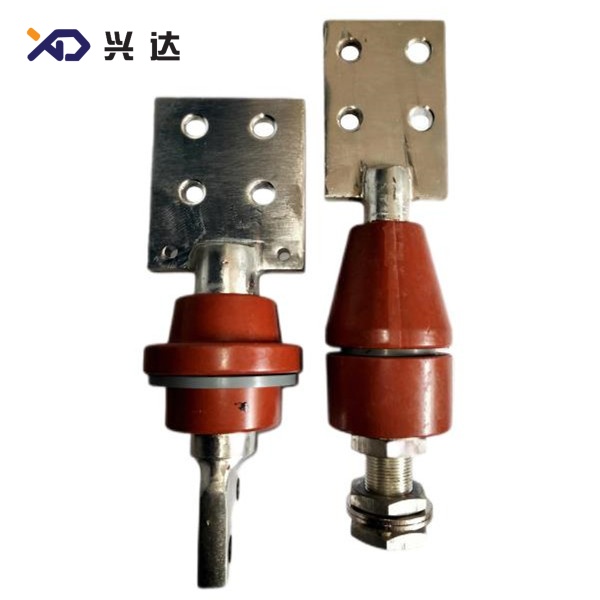
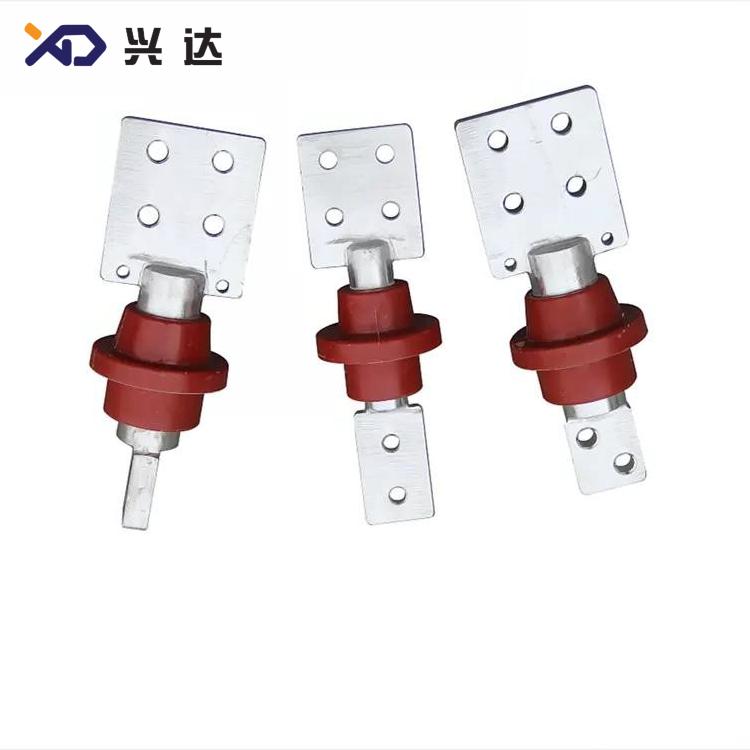
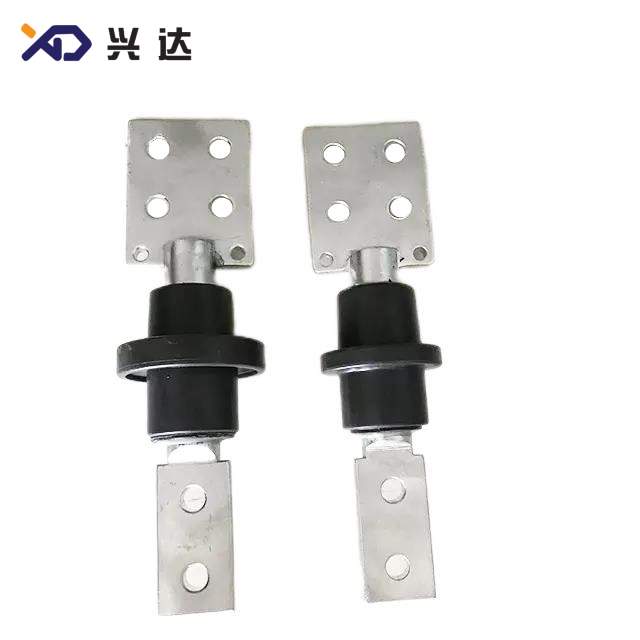
Vacuum‑Cast Epoxy Resin Bushing for Medium‑Voltage Oil‑Immersed Distribution Transformers
What is Epoxy Resin Bushing
An epoxy resin bushing is a solid‑insulation feed‑through component manufactured via vacuum casting of high‑performance epoxy compound, widely applied for oil‑immersed transformers, dry‑type transformers and medium‑voltage switchgear systems. As one category of transformer bushing, it enables high‑current conductors to pass through the grounded metal tank or equipment enclosure, while maintaining strict electrical isolation between live conductive parts and earthed housing.
Different from oil‑paper filled porcelain bushing, epoxy resin bushing adopts monolithic solid insulation structure without internal oil cavity. High‑quality cycloaliphatic epoxy material is cast under vacuum to wrap central copper conductor, minimizing internal voids which cause partial‑discharge faults. Most epoxy resin bushings serve medium‑voltage ranges from 1 kV up to 52 kV. They cover low‑voltage side outlets of distribution transformers, neutral‑point connections and indoor switch‑gear feed‑through terminals. They comply with international standard IEC 60137 for high‑voltage bushings.
Core functional requirements for qualified epoxy resin bushing:
- Provide stable dielectric insulation between live central conductor and grounded mounting flange under rated and transient over‑voltage conditions.
- Sustain continuous rated current and short‑circuit fault current without excessive temperature rise.
- Bear mechanical stress from wiring connection, transportation vibration and seismic impact.
- Resist moisture, dust and chemical contaminants to keep long‑term insulation performance.
Main Categories of Epoxy Resin Bushing
Epoxy resin bushings can be classified by insulation structure, installation scenario and outer shed design. Each type matches specific transformer and switch‑gear working conditions.
- Non‑capacitive cast epoxy resin bushingThe most common design for medium‑voltage distribution equipment. No internal capacitive stress‑grading layers. Simple monolithic casting structure, compact dimension. Mainly used for transformer low‑voltage terminals, neutral‑point bushings and indoor switchgear feed‑through positions, rated up to 52 kV.
- Capacitive‑graded epoxy resin bushingBuilt‑in multi‑layer internal capacitive screens embedded inside epoxy body to homogenize electric‑field distribution. Applied for higher‑end medium‑high‑voltage scenarios. Strict limits on capacitance tolerance and partial‑discharge value are required by industry standards.
- Indoor‑type epoxy resin bushingWithout external anti‑pollution sheds. Optimized for indoor substations, enclosed switch‑cabinets, dry‑type transformers. Compact outline, lower manufacturing cost, not suitable for direct outdoor exposure.
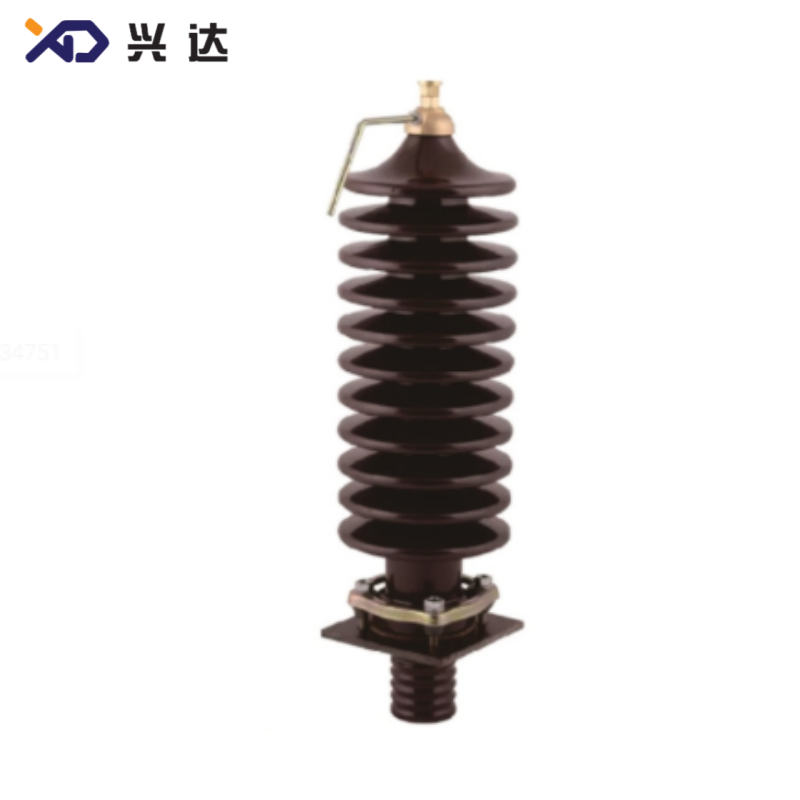
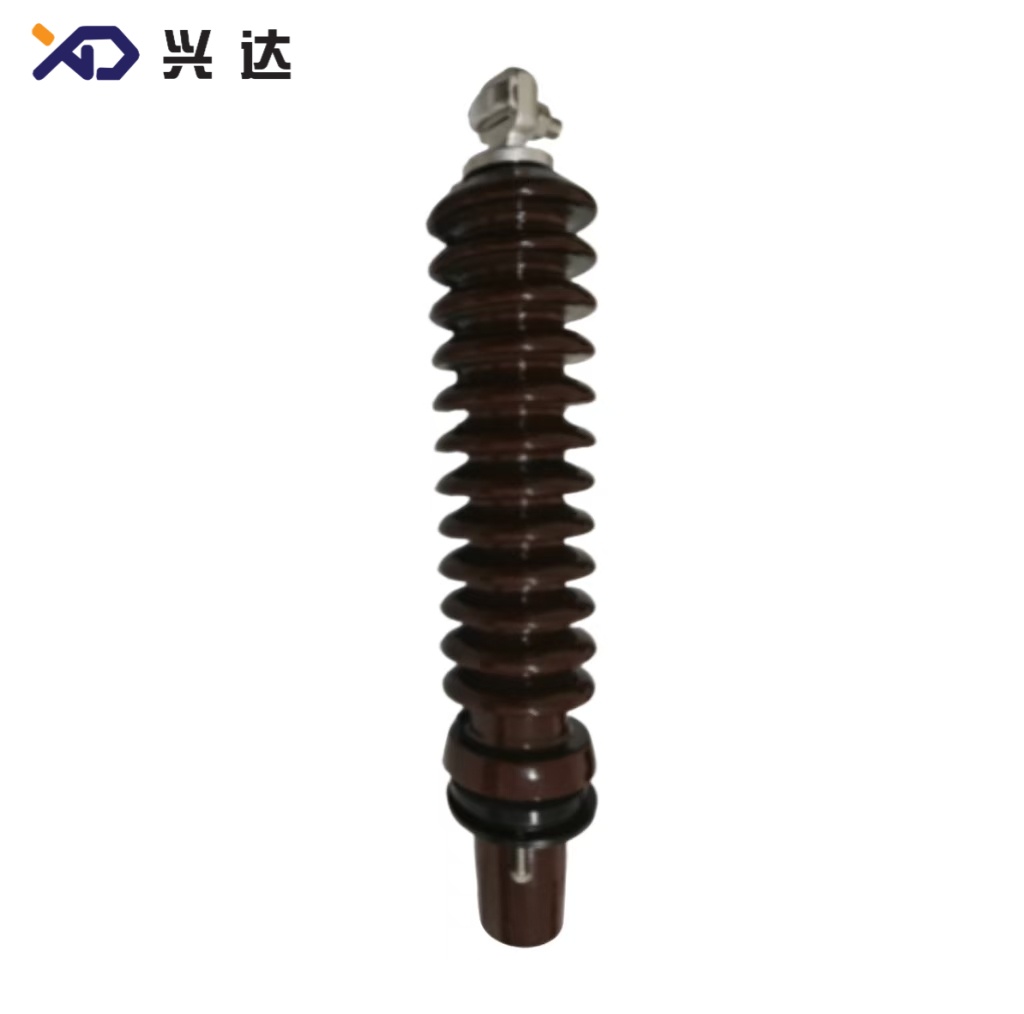
- Outdoor cycloaliphatic epoxy resin bushingDesigned with integrated epoxy sheds, adopting UV‑resistant cycloaliphatic epoxy formula. Enhanced creepage distance for outdoor polluted sites. Suitable for outdoor distribution transformers, wind‑farm step‑up transformer low‑voltage sides.
表格
| Epoxy Resin Bushing Type | Core Construction | Typical Voltage Class | Primary Application Scenario | Notable Strength |
|---|---|---|---|---|
| Non‑capacitive Cast Epoxy Bushing | Solid monolithic cast, no internal condenser layers | 1‑52 kV | LV transformer terminals, neutral‑point, indoor switchgear | Light‑weight, impact‑resistant, cost‑effective |
| Capacitive‑graded Epoxy Bushing | Embedded capacitive stress‑grading screens | 12‑52 kV | Medium‑high‑voltage transformer terminals | Uniform electric‑field distribution, low partial discharge |
| Indoor‑Type Epoxy Resin Bushing | Smooth epoxy surface without sheds | 1‑36 kV | Indoor substation, enclosed switch‑cabinet | Small footprint, space‑saving installation |
| Outdoor Cycloaliphatic Epoxy Bushing | Integral anti‑pollution sheds, UV‑stable epoxy | 10‑52 kV | Outdoor distribution transformer, renewable‑energy stations | Anti‑tracking, suitable for open‑air environment |
Key Advantages of Standard‑Grade Epoxy Resin Bushing
Compared with traditional porcelain bushing, epoxy resin bushing brings multiple practical benefits for power asset operators across full equipment lifecycle.
- Superior mechanical shock and vibration resistanceEpoxy resin material has high tensile and bending strength. It avoids brittle fracture risk which frequently troubles porcelain bushing during transportation, lifting and site installation. Damage rate during logistics and on‑site handling is greatly reduced, especially for project shipment over long‑distance or ocean freight.
- Light‑weight compact dimensionEpoxy resin bushing is substantially lighter than equivalent‑rating porcelain bushing. Lower weight reduces mechanical load on transformer tank wall and mounting flange. It simplifies lifting work and allows more compact equipment layout for modern‑designed power apparatus.
- Dry‑type zero‑oil structure for enhanced safetyWhole unit is solid cast insulation without insulating‑oil filling. There is no risk of oil leakage, oil contamination or fire hazard caused by internal oil failure. This feature makes epoxy resin bushing well‑suited for indoor power rooms, densely populated zones and fire‑sensitive sites.
- Low partial‑discharge performanceVacuum‑casting manufacturing eliminates internal air voids. Qualified epoxy resin bushing maintains very low partial‑discharge magnitude below 10 pC under specified test voltage, slowing insulation aging and extending service life.
- Good adaptability for humid and moderately polluted environmentsNon‑porous solid epoxy structure blocks moisture penetration. Custom‑designed shed structures can meet different pollution‑grade requirements for industrial zones. Special cycloaliphatic epoxy formula improves UV resistance for long‑term outdoor deployment.
- Reduced whole‑life‑cycle maintenance workloadSolid integrated structure removes routine work such as oil level inspection or oil replacement required by oil‑filled bushing. Under normal operating conditions, only periodic surface cleaning and visual inspection are needed.
Critical Technical Specification Reference for Epoxy Resin Bushing
During design and procurement phase, engineering teams must verify below core technical parameters for epoxy resin bushing. Parameter mismatch may trigger installation difficulty, insulation defect or premature failure.
表格
| Specification Item | Detailed Explanation | Practical Selection Guidance |
|---|---|---|
| Rated highest system voltage (Um) | Maximum permitted operating voltage | Match transformer terminal voltage level: 12 kV, 24 kV, 36 kV, 52 kV |
| Rated continuous current | Long‑term allowable current passing central conductor | Must be equal or higher than transformer outlet rated current; consider short‑time overload requirement |
| Withstand voltage level | Power‑frequency withstand, lightning impulse voltage | Follow IEC 60137 standard tables; apply altitude correction factor for sites over 1000 m |
| Partial discharge level | Permitted apparent charge under test voltage | For capacitive‑graded epoxy resin bushing, typical acceptance threshold ≤ 10 pC |
| Cantilever breaking load | Allowable bending force applied on top terminal | Select proper grade based on external cable weight, seismic requirement and installation angle |
| Material type | Epoxy resin formula | Cycloaliphatic epoxy for outdoor service; general bisphenol‑A epoxy for indoor‑only usage |
| Creepage distance | Surface creepage length over insulating body | Upgrade creepage grade for heavy‑pollution site according to IEC pollution classification |
| Mounting dimension | Flange diameter, bolt‑circle size, immersion depth | Must match reserved opening dimension of transformer tank or equipment cabinet |
| Operating temperature range | Allowable ambient and conductor working temperature | Usual range:‑40 °C ~ +125 °C, adapt seasonal temperature variation and short‑circuit heating |
| Standard compliance | Acceptance specification | IEC 60137, relevant local national power‑equipment standards |
Installation, Commissioning and Routine Maintenance for Epoxy Resin Bushing
Even well‑qualified epoxy resin bushing may develop faults caused by improper handling and installation. Operators should follow standardized operation requirements from industry specifications.
Installation Guidelines
- Protect epoxy insulator surface during lifting and transportation. Avoid sharp‑object scratch, heavy impact. Surface scratch will reduce tracking resistance and accelerate aging.
- Check flange sealing gasket before installation. Confirm gasket material is compatible with transformer insulating oil for oil‑immersed transformer application. Damaged gaskets will cause oil leakage at mounting interface.
- Tighten flange bolts evenly with specified torque value. Over‑tightening may create internal mechanical stress inside epoxy body; insufficient torque brings sealing failure risk.
- Control tightening torque for top‑terminal connection studs. Excessive torque may crack epoxy material; loose contact will produce local over‑heating under load.
- After full assembly, complete transformer pressure‑holding leakage test before energization. Verify zero oil seepage at epoxy resin bushing flange position.
Routine Maintenance Checklist
- Visual inspection: Check epoxy surface for scratch, crack, tracking mark, carbonized trace or heavy dirt accumulation. Inspect flange and terminal for oil seepage signs.
- Surface cleaning: Remove dust and industrial contamination regularly. Use soft dry cloth or neutral‑purpose cleaning agent. Avoid hard abrasive material which damages epoxy surface finish.
- Infrared thermal inspection: Periodically detect hot‑spot on top connection terminal and flange position. Abnormal temperature rise usually indicates poor contact condition.
- Electrical testing: For key‑asset equipment, measure insulation resistance and partial‑discharge status during major overhaul. Compare test result with factory original data. Obvious deviation signals potential insulation degradation.
- For outdoor‑type epoxy resin bushing: Observe surface chalking condition. Serious chalking suggests material aging, requiring performance reassessment.
Common epoxy resin bushing failure causes include surface tracking triggered by heavy pollution, mechanical crack from over‑torque mounting, local over‑heating from bad terminal contact, and material aging under long‑term ultraviolet radiation for non‑UV‑grade epoxy used outdoors.
Frequently Asked Questions about Epoxy Resin Bushing
Q1: Can general indoor epoxy resin bushing be directly used for outdoor projects?
No. Ordinary bisphenol‑A epoxy will suffer surface chalking and performance degradation under long‑time ultraviolet sunlight exposure. Outdoor‑deployed epoxy resin bushing must adopt cycloaliphatic epoxy formula with specially designed anti‑pollution sheds.
Q2: What are main limitations of epoxy resin bushing?
Most epoxy resin bushing products are mainly applied within medium‑voltage range below 52 kV. For ultra‑high‑voltage classes above 110 kV, oil‑impregnated‑paper or resin‑impregnated‑paper bushing remains mainstream solution. In addition, epoxy surface may produce tracking damage under severe continuous pollution without cleaning.
Q3: Does solid epoxy resin bushing require any filling medium?
No. Epoxy resin bushing is fully solid cast. It has no oil or gas‑filled cavity inside, which is its core difference compared with traditional oil‑filled porcelain bushing.
Conclusion
Epoxy resin bushing is a mature dry‑type solid insulation component widely used for medium‑voltage distribution transformers and power‑distribution equipment. Its prominent advantages include high mechanical strength, light‑weight property, oil‑free safety structure and low maintenance demand. When specifying epoxy resin bushing for new‑build or transformer retrofitting projects, design and procurement engineers should confirm rated voltage, rated current, material formula (indoor or outdoor grade), cantilever mechanical load, creepage distance and mounting dimension. With standardized installation and periodic visual inspection and cleaning, epoxy resin bushing can deliver stable long‑term insulation performance and reduce equipment failure risk for power‑grid assets.
Categories
Contact Us
Contact: Tianjin Delda Trading Co., Ltd
WhatsApp: +86 13662056855
Tel:
E-mail: solomon20210701@tjxddq.com
Add: Unit‑101, Workshop 3, Bozhong Automobile Industrial Park, No.5 Xianghui Road, Intersection of Xianghui Road and Gaoying Road, Beizhakou Town, Jinnan District, Tianjin, China