Epoxy Resin Bushing
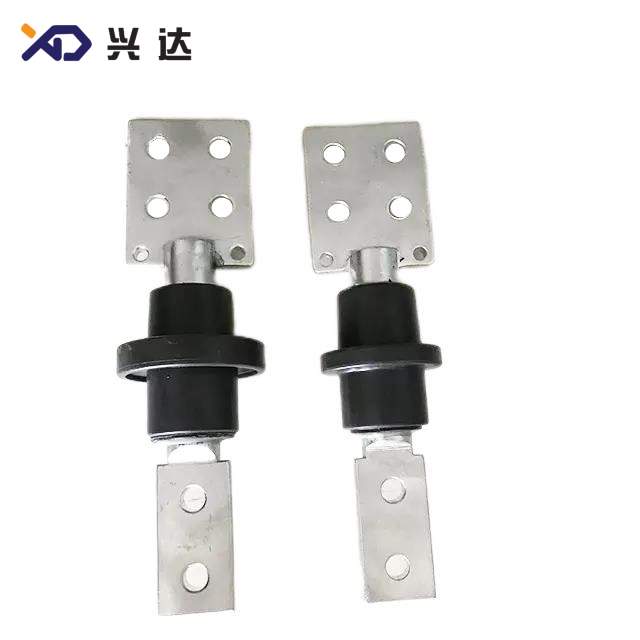
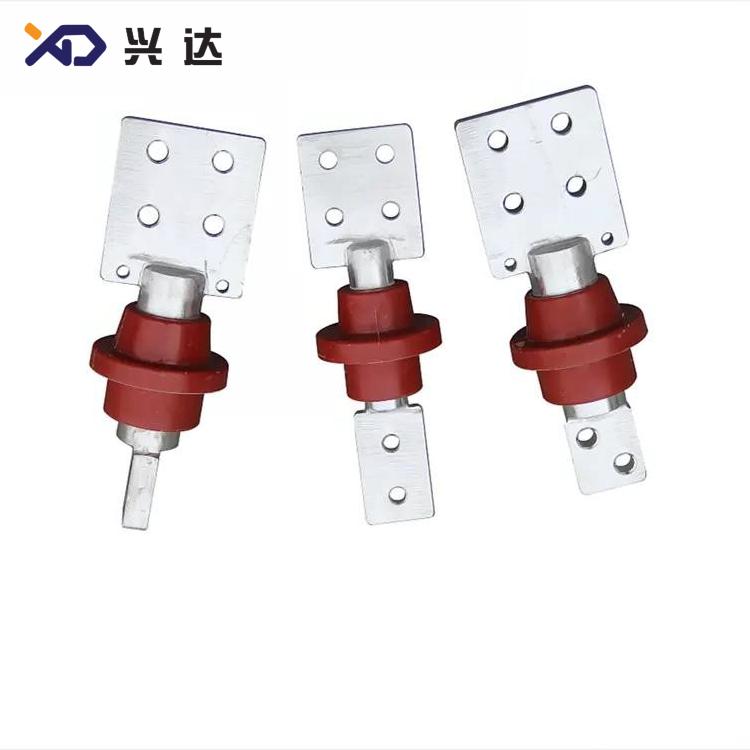
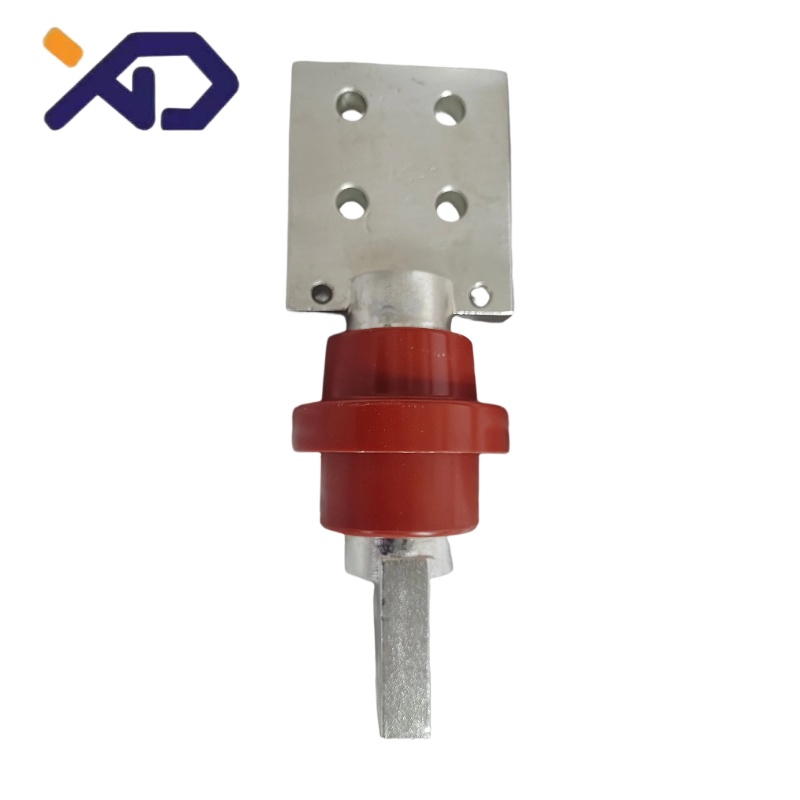
Epoxy Resin Bushing High Insulation Solid Cast Transformer Bushing
Epoxy Resin Bushing: Definition, Types, Specifications, Advantages & Selection Guide
Introduction
Working Principle & Main Construction
- Central Copper Conductor: Transmits continuous load current between internal equipment windings and external cable terminals. Terminal options include spade terminals, threaded studs and straight draw-lead connectors.
- Solid Epoxy Insulation Body: The main dielectric barrier separating live conductor from grounded metal housing. Shed structures can be molded on the outer surface to extend creepage distance for pollution-resistant operation.
- Mounting Flange: Integrally cast epoxy or metal flange for installation on transformer tank, cabinet wall or enclosure. Matching oil-resistant gaskets can be equipped for oil-filled transformer applications.
Main Applicable Industry Standards
- IEC 60137: Insulated bushings for alternating voltages above 1000 V
- IEC 60076-11: Requirements for dry-type transformers
- IEEE C57.19.00 / IEEE C57.19.01: For ANSI version epoxy resin bushings for North American transformers
- ISO 9001: Production quality control standards
Core Operation Mechanism
Main Types of Epoxy Resin Bushings
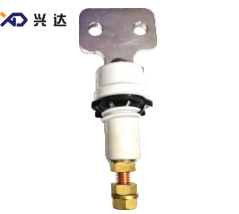
1. Low Voltage Epoxy Resin Bushing (1KV)
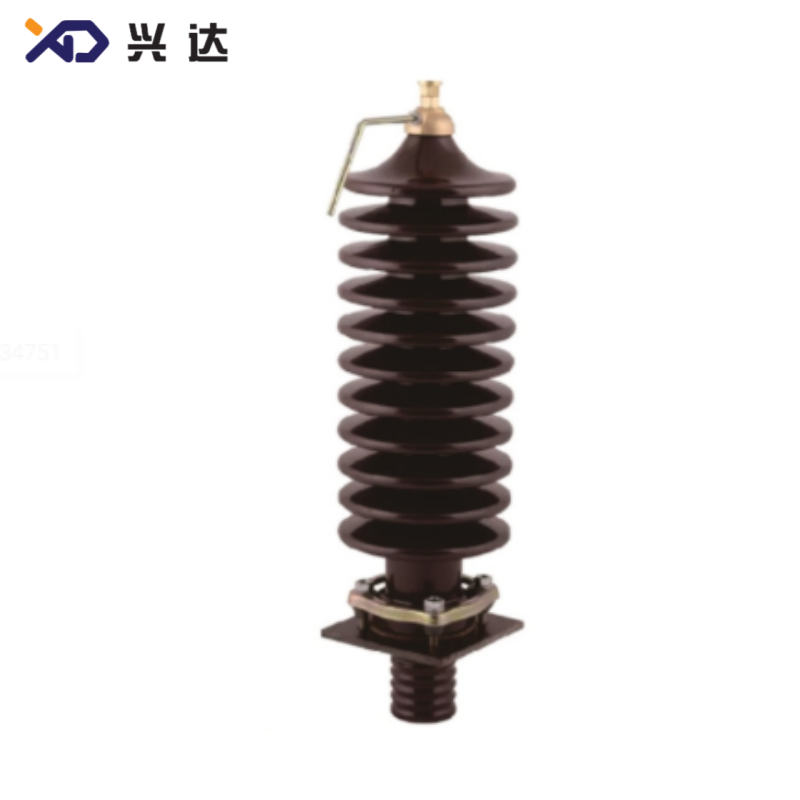
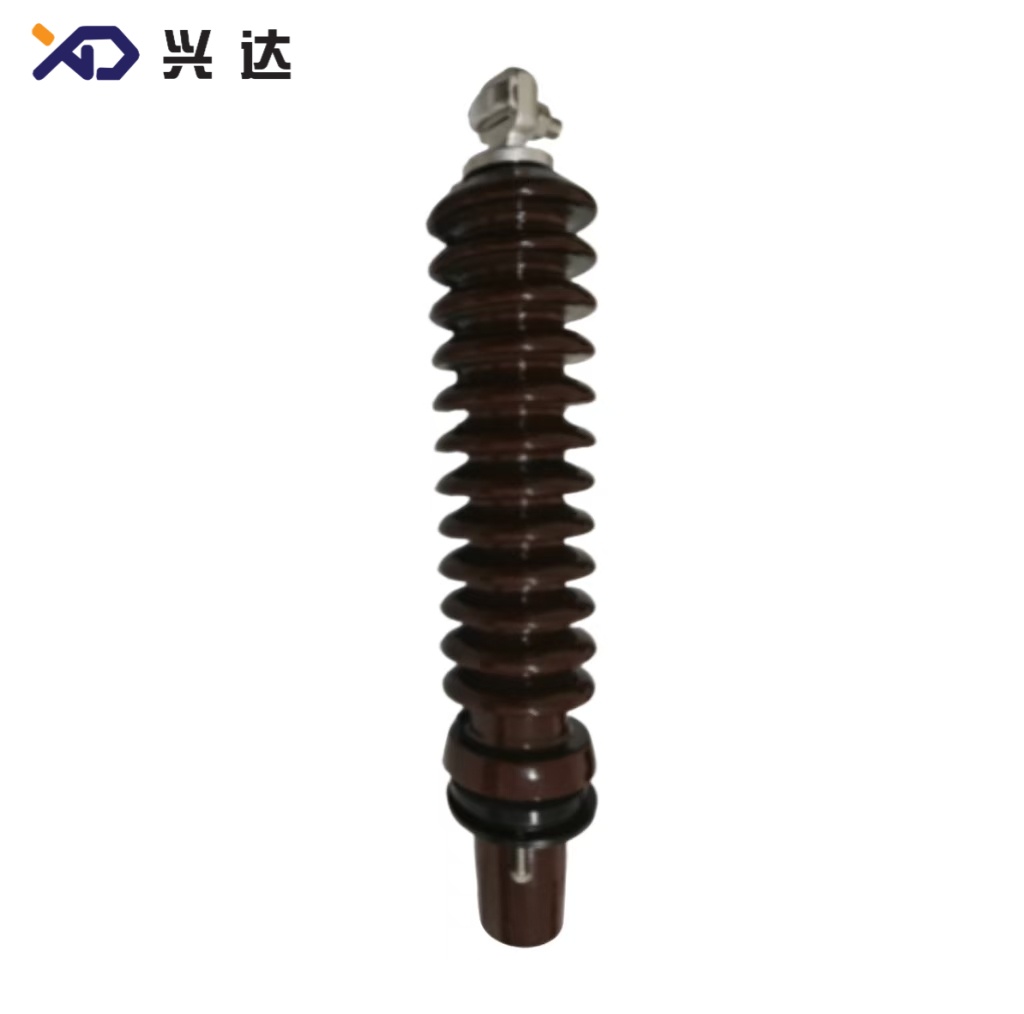
2. High Voltage Epoxy Resin Bushing (35KV)
Application: Medium voltage dry transformers, ring main units, compact substation transformer feeders.
Universal Technical Specification Table for Epoxy Resin Bushings
| Parameter Item | Low Voltage Epoxy Bushing | High Voltage Shedded Epoxy Bushing |
|---|---|---|
| Rated Voltage Class | 1kV | 35KV |
| Rated Continuous Current | 1000A-3150A | 315A |
| Raw Epoxy Material | Bisphenol-A epoxy | Bisphenol-A / Cycloaliphatic epoxy |
| Operating Environment | Indoor sheltered | Indoor / Semi-outdoor |
| Operating Temperature Range | -40°C ~ +125°C | -40°C ~ +125°C |
| Impact Resistance | Good | Good |
| UV Aging Resistance | Limited | Medium |
| Partial Discharge Level | ≤10pC | ≤10pC |
| Standard Terminal Type | Multi-hole spade lug | Eyebolt / Draw lead |
| Creepage Distance | Standard short creepage | Multi-shed extended creepage |
| Main Risk of Degradation | Overheating under overload | Dry band arcing in heavy pollution |
| Typical Equipment Match | Transformer secondary side outlets | Medium voltage dry transformers, RMU |
Core Advantages of Epoxy Resin Bushings
1. Integrated Solid Cast Structure Eliminates Internal Air Gaps
2. Lightweight & High Impact Resistance
3. High Manufacturing Flexibility with Custom Shapes
4. Low Maintenance Requirements
5. Wide Compatibility with Multiple Power Equipment Types
6. Stable Thermal Cycling Performance
Typical Application Scenarios
- Indoor dry-type distribution transformers and power transformers
- Pad-mounted transformers and pole-mounted transformers adopting ANSI or IEC standards
- High voltage switchgear, ring main units (RMU) and through-wall busbar insulation
- Wind power and solar photovoltaic step-up transformers
- Mobile power supply transformers, mining and traction electrical equipment
- Industrial dry-type transformers for chemical, metallurgy and manufacturing plants
- Retrofit replacement projects where fragile porcelain bushings need upgrading
- Battery energy storage system matching distribution transformers
Epoxy Resin Bushing Selection Guide
- Confirm Voltage Class and Required Pollution LevelMatch nominal system voltage, power frequency withstand voltage and lightning impulse voltage. Select cycloaliphatic epoxy for outdoor and coastal polluted areas; standard bisphenol-A epoxy is sufficient for clean indoor environments. Choose multi-shed models if extended creepage distance is required.
- Determine Rated Current and Terminal StyleCalculate maximum continuous load current. Select spade terminals for high-current secondary sides; eyebolt or threaded studs are preferred for medium voltage overhead cable connections.
- Select Epoxy Material Grade According to EnvironmentIndoor sheltered location: conventional bisphenol-A cast epoxy. Outdoor, direct sunlight, salt fog: cycloaliphatic epoxy resin bushing. Installation inside oil immersed transformer: select oil-compatible modified epoxy type.
- Verify Mounting Dimension and Installation SpaceCheck flange diameter, bolt circle layout, tank opening size and available installation space. Confirm whether straight or 90° angled structure is needed to avoid assembly interference.
- Check Mechanical Load LimitsEvaluate external cable pulling force and cantilever load. Ensure selected bushing meets the mechanical load test requirements specified by IEC or ANSI standards.
Routine Maintenance & Common Troubleshooting
Regular Maintenance Checklist
- Carry out visual inspection every 6–12 months. Check epoxy surface for cracks, tracking marks, discoloration and contamination accumulation.
- Inspect connection terminals for overheating, oxidation and loose bolts; retighten terminals according to specified torque values.
- Clean dust and contaminants on the bushing surface regularly to maintain effective creepage distance.
- For outdoor cycloaliphatic epoxy bushings, observe surface hydrophobic condition; pay attention to surface aging after long-term operation.
Check flange sealing gaskets regularly for aging and air/oil leakage.
Common Operational Problems
- Surface chalking and discoloration: Usually occurs on non-UV-stabilized epoxy exposed under long-term outdoor sunlight; replace with cycloaliphatic grade bushings.
- Tracking and carbonized surface traces: Caused by heavy pollution and insufficient cleaning, or insufficient creepage distance matching pollution grade.
- Terminal overheating: Loose connection bolts or insufficient contact area between conductor and external cable lugs.
- Epoxy body cracking: Excessive mechanical impact, overload thermal cycling stress or improper installation torque.
Safety Reminder: Do not apply strong corrosive chemical detergent to epoxy surface during cleaning. Avoid heavy impact on the insulation body during transportation and installation. Disconnect power supply before any inspection and maintenance work.
Conclusion
Categories
Contact Us
Contact: Tianjin Delda Trading Co., Ltd
WhatsApp: +86 13662056855
Tel:
E-mail: solomon20210701@tjxddq.com
Add: Unit‑101, Workshop 3, Bozhong Automobile Industrial Park, No.5 Xianghui Road, Intersection of Xianghui Road and Gaoying Road, Beizhakou Town, Jinnan District, Tianjin, China