Electrical laminated wood
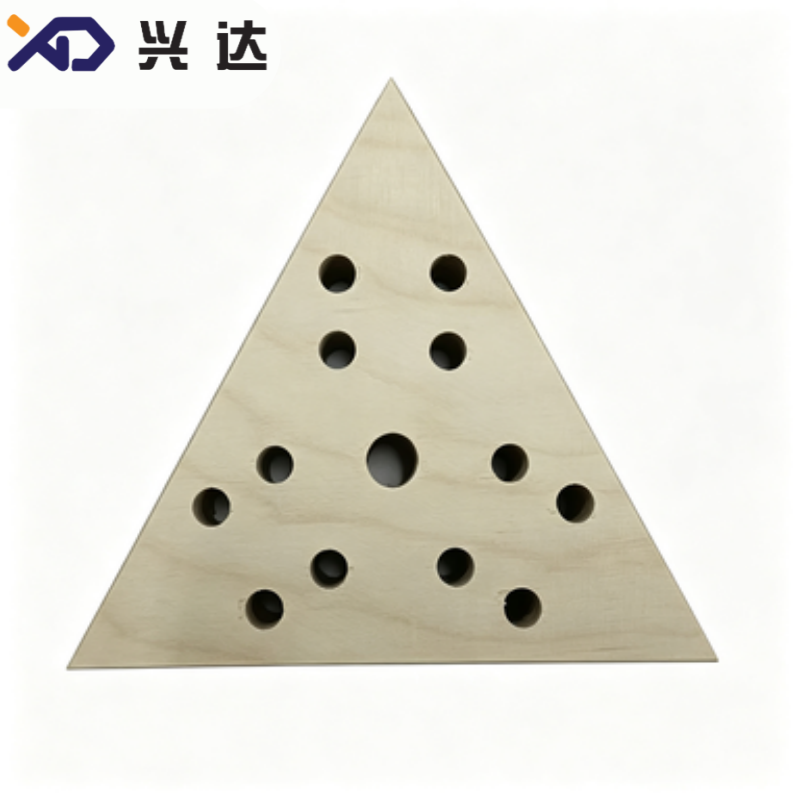
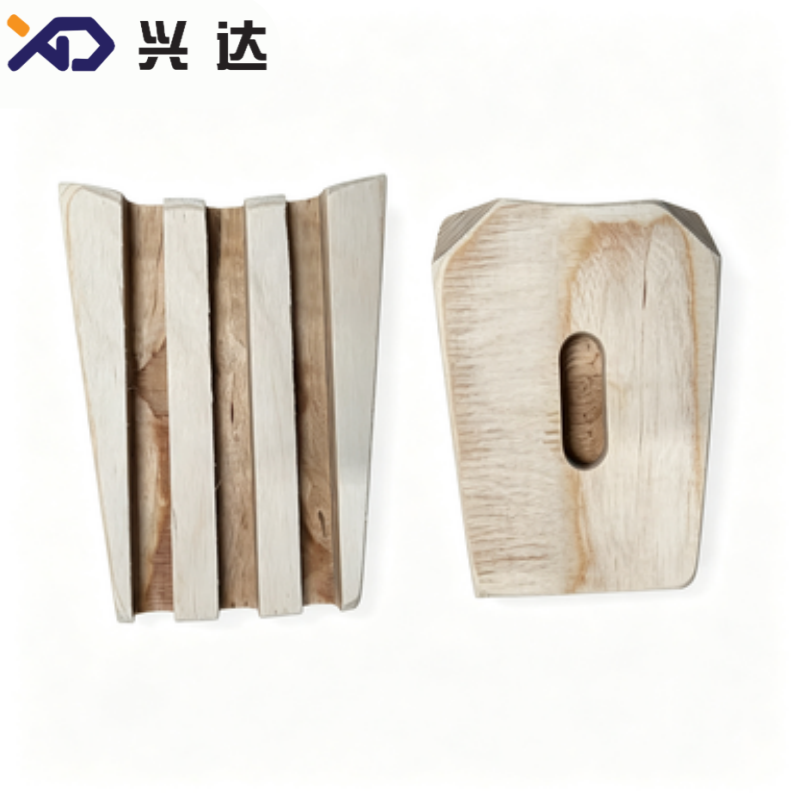
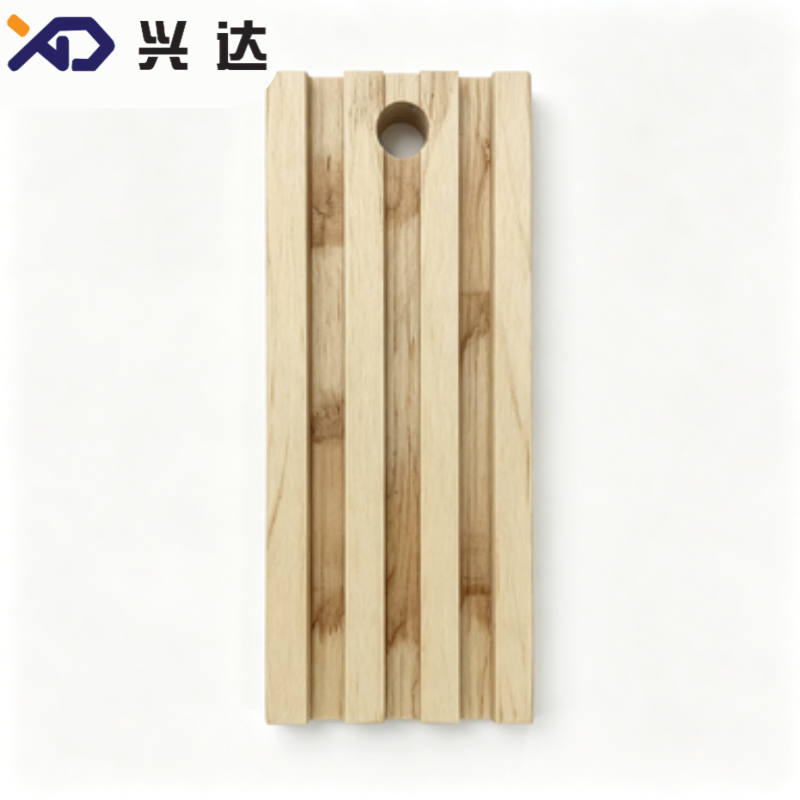
Electrical Laminated Wood for Transformer Insulation Components
Electrical Laminated Wood (Laminated Densified Wood) – Full Technical Guide for Transformer Structural Insulation
Introduction of Electrical Laminated Wood
Global transformer manufacturers select electrical laminated wood for coil clamping systems, winding support blocks, yoke spacers and lead fixing components. Its balanced performance makes it a preferred alternative to thick transformer pressboard and epoxy fiberglass laminates for heavy-duty structural insulation. This guide covers material definition, manufacturing logic, core advantages, standard specifications, application cases and comparative analysis with other common transformer insulation materials.
Material Structure & Manufacturing Principle
- Veneer Selection: Premium beech or birch veneers with uniform grain, no cracks, knots or decay. Raw veneers go through vacuum seasoning to lower initial moisture content below 6%.
- Resin Impregnation: Veneers are soaked with electrical-grade phenolic resin. The resin remains stable under ambient temperature and fully cures during hot pressing.
- Stacking Layout: Veneers can be arranged in parallel lamination, crosswise lamination or tangential lamination to adjust anisotropic strength for different working loads.
- Hot Press Consolidation: Stacked veneer assemblies are compressed at 120°C–180°C under 5–15 MPa pressure. Resin cross-links permanently and forms a dense, unified solid laminate.
- Stress Relief & Finishing: Slow cooling eliminates internal stress. Blank boards can be sawn, sanded or further processed into custom machined insulation parts.
The multi-layer bonded structure solves the natural defects of ordinary solid timber: ordinary timber easily absorbs moisture, swells, warps and contaminates transformer oil. After resin sealing and high-pressure densification, electrical laminated wood achieves stable dimensional performance and long-term compatibility with mineral insulating oil.
Key Advantages of Electrical Laminated Wood
| Advantage | Technical Explanation |
|---|---|
| High Mechanical Strength with Low Density | Outstanding compressive, flexural and creep resistance. It maintains stable shape under long-term clamping load and short-circuit impact forces; lighter than metal and epoxy composite structural parts. |
| Optimized Dielectric Coordination with Transformer Oil | Dielectric constant matches mineral oil, avoiding concentrated electric field distortion and lowering partial discharge probability inside oil-filled equipment. |
| Excellent Compatibility with Mineral Insulating Oil | Fully cured material will not release soluble impurities, acids or particles that degrade transformer oil quality during decades of operation. |
| Good Vacuum Drying & Oil Impregnation Performance | Controlled internal micro-structure allows moisture vapor to escape smoothly during transformer vacuum drying and supports uniform oil penetration. |
| Stable Dimensional Stability | Low shrinkage and swelling rate under temperature and humidity cycles; minimal deformation after long-term immersion in hot transformer oil. |
| Superior CNC Machinability | Can be precisely milled, drilled, grooved and turned into irregular components; suitable for manufacturing pressure rings, support blocks and custom brackets according to engineering drawings. |
| Non-Magnetic Property | No eddy current induction under alternating magnetic fields inside transformers, avoiding extra energy loss and local overheating. |
| Class A Thermal Stability | Supports continuous long-term operation at 105°C in oil, meeting the thermal class requirements of most oil immersed transformer insulation systems. |
Standard Technical Parameter Table
| Item | Typical Parameter Range | Reference Standard |
|---|---|---|
| Raw Veneer Material | Beech veneer / Birch veneer | IEC 61061 |
| Density Grades | Low density: 0.90–1.10 g/cm³Medium density:1.10–1.30 g/cm³High density:1.30–1.40 g/cm³ | IEC 61061 |
| Available Thickness | 6 mm – 150 mm | Industrial General Specification |
| Standard Blank Board Size | 1220×2440 mm, 1525×3050 mm, 1860×3660 mm | Industrial General Specification |
| Continuous Operating Temperature | Up to 105°C in mineral insulating oil | IEC 60076 |
| Moisture Content after Production | ≤ 6.0 % | IEC 61061 |
| Dielectric Strength (Perpendicular to Layers) | ≥ 4.0 kV/mm | IEC 61061 |
| Compressive Strength (Parallel to Surface) | 120–180 MPa | IEC 61061 |
| Lamination Options | Parallel, Crosswise, Tangential | IEC 61061 |
| Supply Form | Raw solid boards, CNC machined finished components | Customizable |
Typical Application Scenarios
- Winding pressure plates and pressure rings: Provide uniform clamping force to fix transformer coils and prevent winding displacement during short-circuit faults.
- Yoke spacers and core support blocks: Bear weight between transformer iron core and tank structure while maintaining insulation clearance.
- High voltage lead support brackets and lead spacers: Position internal leads and avoid conductor contact with grounded metal structures.
- Coil end bracing and positioning strips: Maintain winding geometry during transportation and long-term operation.
- Support beams, clamping blocks and mounting bases for on-load tap changers.
- Structural insulation components for distribution transformers, power transformers, shunt reactors, furnace transformers and instrument transformers (CT & VT).
Crosswise laminated grades are widely adopted for pressure rings and multi-directional load-bearing parts. Parallel laminated types are more suitable for long support beams that mainly bear unidirectional bending stress.
Material Comparison: Electrical Laminated Wood vs Pressboard vs Epoxy Fiberglass Board
| Comparison Item | Electrical Laminated Wood | Transformer Pressboard | Epoxy Fiberglass Board (FR4/G10) |
|---|---|---|---|
| Main Function | Structural load-bearing + insulation | Mainly insulation, limited load capacity | Insulation + structural support |
| Compressive Creep Resistance | Excellent, stable under sustained pressure | Moderate, prone to long-term compression deformation | Good, but higher density |
| Vacuum Drying Speed | Fast, moisture escapes easily | Slow, thicker pressboard blocks vapor discharge | Slow, dense structure limits vapor flow |
| Compatibility with Transformer Oil | Excellent | Excellent | Acceptable |
| Weight | Medium, lightweight structural choice | Light | Heavier |
| Cost Level | Medium | Low | High |
| Best Use Case | Pressure rings, heavy support blocks, clamping systems | Barrier insulation, cylinder insulation, low-load spacers | Dry-type transformers, special high-temperature equipment |
This comparison helps electrical engineers select the proper insulation material at the transformer design stage. When components need to withstand heavy lasting compression and short-circuit shock loads, electrical laminated densified wood becomes the most balanced solution.
Machining Guidance
- Use carbide or diamond-coated cutting tools to reduce tool abrasion and avoid edge chipping.
- Dry machining with compressed air chip removal is recommended; avoid liquid coolant to prevent moisture absorption.
- After rough cutting, stress-relief heating treatment (80°C, 4–6 hours) can effectively lower deformation risk after finishing machining.
- Deburr all edges after processing. Sharp corners may trigger local electric field concentration in high-voltage zones.
Keep finished machined parts sealed before installation to prevent moisture absorption during storage.
Storage & Handling Recommendations
- Store boards and finished components in clean, dry warehouses with relative humidity below 65%.
- Place materials flat on supporting pallets, minimum 50 mm above ground; avoid tilting or uneven stacking.
- Keep away from direct sunlight, heating equipment and rain exposure. Long-term high temperature may accelerate resin aging.
- Maintain intact original packaging until machining. If packaging is opened, cover the material to prevent dust and moisture contamination.
Follow first-in, first-out stock rotation to ensure consistent performance of materials used in production.
Frequently Asked Questions
Q1: Can electrical laminated wood be used in dry-type transformers?
Q2: What is the difference between crosswise lamination and parallel lamination?
Q3: Will laminated wood contaminate transformer oil after decades of operation?
Q4: Can special sizes and custom-shaped components be produced?
Categories
Contact Us
Contact: Tianjin Delda Trading Co., Ltd
WhatsApp: +86 13662056855
Tel:
E-mail: solomon20210701@tjxddq.com
Add: Unit‑101, Workshop 3, Bozhong Automobile Industrial Park, No.5 Xianghui Road, Intersection of Xianghui Road and Gaoying Road, Beizhakou Town, Jinnan District, Tianjin, China