Brazil bushing
Comprehensive Guide to Brazil Bushing for Distribution Transformer
Comprehensive Guide to Brazil Bushing for Distribution Transformer
1 Basic Introduction
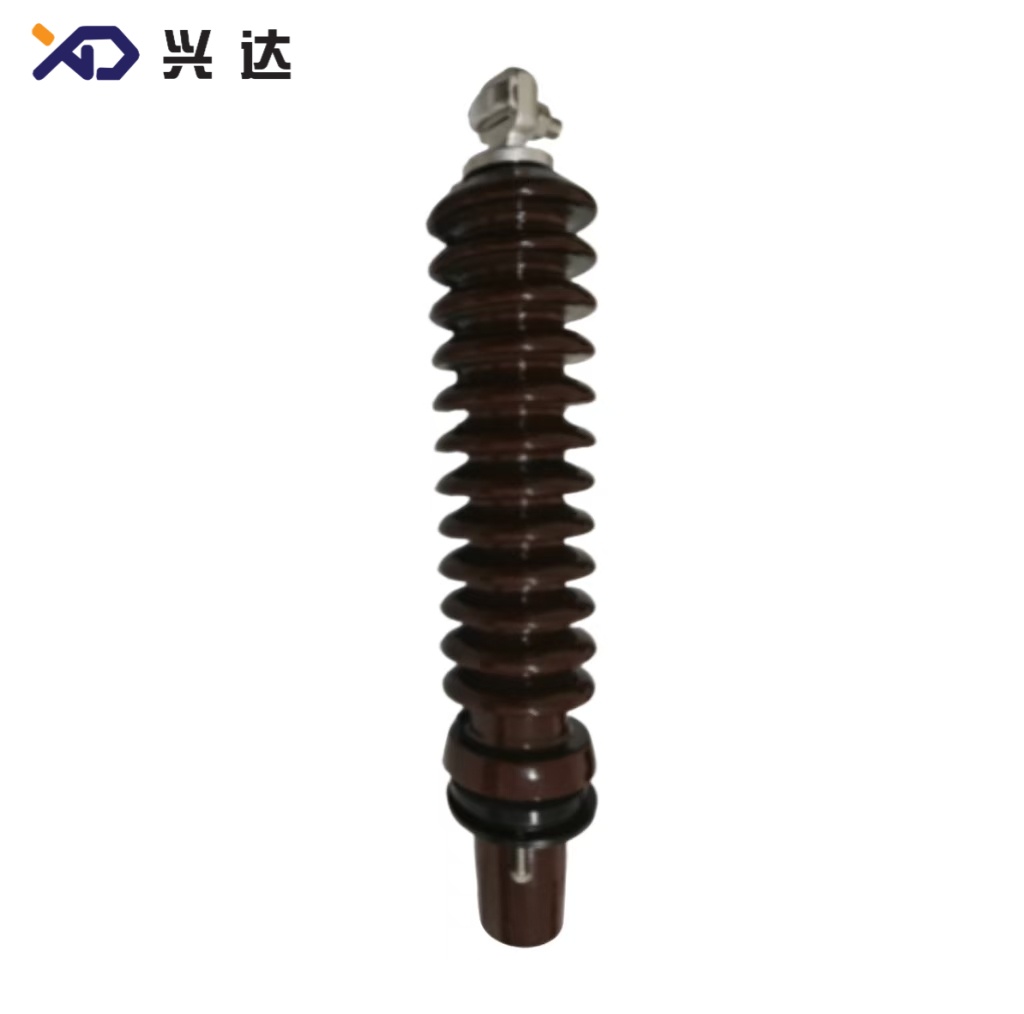
Brazil bushing is one essential insulated power‑transmission fitting widely installed on oil‑immersed and pad‑mounted transformers for the Brazil local power‑grid market. Also named porcelain transformer bushing, high‑voltage insulating bushing and power transformer through‑wall bushing, this hardware creates a safe insulated passage for conductive copper rods to run through the sealed transformer tank wall. Every Brazil‑standard bushing strictly follows local electrical industry standards to fit common medium‑low‑voltage distribution equipment in residential power stations, industrial power supply circuits and outdoor overhead‑line transformer boxes. The core function of brazil bushing is isolating live conductors from the metal transformer shell, preventing short‑circuit faults, electric leakage and surface flash‑over accidents under complicated outdoor climate. Many power equipment designers pick customized‑size Brazil bushing to match NBR transformer installation requirements, as NBR series low‑voltage bushings are the mainstream product category for Brazilian‑style distribution transformers. Without qualified insulating brazil bushing, the sealed oil tank of transformers cannot safely deliver electric current from internal windings to external power cables.
2 In‑depth Overview Core Features Benefits and Application Scenarios
2.1 Simple Product Profile
Most commercial Brazil bushing adopts high‑strength glazed porcelain or epoxy resin as the main insulating body, paired with built‑in metal conductive terminals, rubber sealing gaskets and fixed mounting flanges. The low‑voltage NBR‑type brazil bushing commonly works under 1.3KV rated voltage, with rated current options covering 160A, 400A and 800A. Each complete bushing assembly combines insulation carrier, current‑carrying conductor, anti‑leakage sealing parts and fastener installation bases. Manufacturers produce two main structural types: the single‑bolt T1 type without mounting flange and the multi‑hole flange T2 T3 variant for stable tank installation. Every dimension parameter including overall height, thread specification, flange hole layout and creepage distance is adjustable to satisfy Brazil national power‑grid installation norms.
2.2 Key Structural Features of Brazil Bushing
First, the glazed porcelain outer surface delivers outstanding hydrophobic performance. Rainwater will form separated water droplets rather than a continuous wet film, greatly cutting down surface leakage current during rainy and foggy weather. Second, integrated one‑shot casting eliminates internal air bubbles and tiny cracks inside the insulator body, improving long‑term mechanical stability. Third, interchangeable thread standards such as M101.5, M162.0 and M241.5 match the mainstream conductive rod sizes of Brazilian distribution transformers. Fourth, reserved flange mounting holes with specifications 214 and 4*14 allow workers to lock the bushing tightly onto transformer metal shells. Fifth, customized creepage distance values from 50 mm up to 87 mm adapt to high‑humidity coastal districts and heavily‑polluted industrial zones across Brazil.
2.3 Main Operating Advantages
1 Superior vibration‑resistance: The solid insulator body stays intact during transformer transportation, overhead‑line shaking and frequent load impact.2 Wide temperature adaptability: Brazil bushing can operate normally under scorching summer heat, cold mountain air and humid coastal salt‑fog environments.3 Reliable oil‑sealing performance: Matched NBR rubber washers block transformer mineral oil from leaking out of the tank mounting gap.4 Low partial‑discharge risk: Even electric‑field distribution across the insulating body slows down insulation ageing for extended service cycles.5 Strong compatibility: Standard‑size Brazil bushing fits most brands of NBR‑standard single‑phase oil‑immersed transformers in the local market.6 Low daily maintenance cost: Smooth glazed surfaces resist dust buildup and only require simple routine surface cleaning.
2.4 Common Application Fields for Brazil Bushing
- Single‑phase oil‑immersed distribution transformers for residential community power supply
- Pad‑mounted underground box‑type transformers for city downtown power grids
- Industrial‑site heavy‑current transformers running with 400A‑800A load
- Rural overhead pole‑mounted transformers across Brazilian countryside zones
- Small‑scale solar‑power station step‑down transformers for off‑grid power projects
- Commercial‑shopping‑center sealed oil‑type transformer equipment
3 NBR‑Series Brazil Bushing Standard Specification Table
| S N | Model | H mm | h1 mm | h2 mm | Md Thread | Φd mm | d2 mm | d3 mm | B mm | n*Φd1 Hole Spec | t mm | Opening Size mm | Creepage Distance mm | Product Code |
|---|---|---|---|---|---|---|---|---|---|---|---|---|---|---|
| 1 | NBR‑1.3KV‑160A‑T1 | 179 | 100 | 79 | M10*1.5 | 15 | 49 | 51 | - | - | - | 34 | 50 | 15XD.DY160.BX.A |
| 2 | NBR‑1.3KV‑160A‑T2 | 175 | 96 | 79 | M10*1.5 | 15 | 49 | 51 | 74.5 | 2*14 | 6 | 34 | 50 | 15XD.DY160.BX.B |
| 3 | NBR‑1.3KV‑400A‑T1 | 225 | 130 | 95 | M16*2.0 | 22 | 65 | 74 | - | - | - | 49 | 65 | 15XD.DY400.BX.A |
| 4 | NBR‑1.3KV‑400A‑T2 | 235 | 140 | 95 | M16*2.0 | - | 65 | 74 | 94.5 | 2*14 | 8 | 49 | 65 | 15XD.DY400.BX.B |
| 5 | NBR‑1.3KV‑800A‑T3 | 394 | 216 | 178 | M24*1.5 | - | 86 | 95 | 94.5 | 4*14 | 13 | 68 | 87 | 15XD.DY800.BX.B |
Table Notes: T1 stands for bolt‑fixed type with no mounting flange. T2 and T3 represent flange‑based installation structures with reserved bolt holes. Different creepage distance values are selected according to local air‑pollution grades.
4 Frequently Asked Questions About Brazil Bushing
Q1 Is the standard Brazil bushing long‑lasting and durable
A Well‑made porcelain‑type Brazil bushing normally delivers 15‑25 years of working lifespan under regular outdoor power‑grid circumstances. Hard glazed porcelain resists ultraviolet ray ageing, salt‑fog corrosion and surface abrasion. Its service life will only shorten severely after long‑term heavy pollution, frequent lightning strikes or improper installation damage. Epoxy‑resin‑made variants suit low‑pollution indoor transformer stations with 10‑18 year service cycles.
Q2 What daily maintenance work does Brazil bushing require
A First, carry out visual inspections every six months. Check for porcelain cracks, broken glaze, oil leakage around the mounting base and thick dust accumulation on the insulator surface. Second, clean dirt, bird droppings and industrial pollutants on the outer shell with dry cloth or low‑pressure clean water during power‑off maintenance. Third, replace ageing rubber sealing gaskets once oil leakage appears. Fourth, test surface insulation resistance during annual transformer overhauls. Never hit the porcelain body with hard metal tools during installation.
Q3 How to pick the proper‑size Brazil bushing for transformers
A Confirm three core parameters first: rated operating voltage, maximum working current and transformer‑tank opening dimension. Match thread size for the inner conductive rod and choose between the flange‑free T1 type or multi‑hole flange T2 T3 installation style. For coastal and heavily‑polluted districts, select products with extended creepage distance to prevent wet‑surface flash‑over faults.
Q4 What common failures will happen to Brazil bushing
A Typical faults contain surface flash‑over triggered by dirty outer layers, oil leakage caused by failed rubber gaskets, porcelain breakage from mechanical impact, insulation ageing under long‑time ultraviolet exposure and loose conductive‑rod thread connections. Most breakdowns can be avoided via routine inspection and careful assembly.
Q5 Can Brazil bushing work in high‑altitude zones
A Standard‑spec Brazil bushing adapts to regions below 1000‑meter altitude. When the installation site sits above 1000 meters, buyers should select customized‑long creepage distance bushings, as thinner high‑altitude air lowers the natural insulation strength of the surrounding atmosphere.
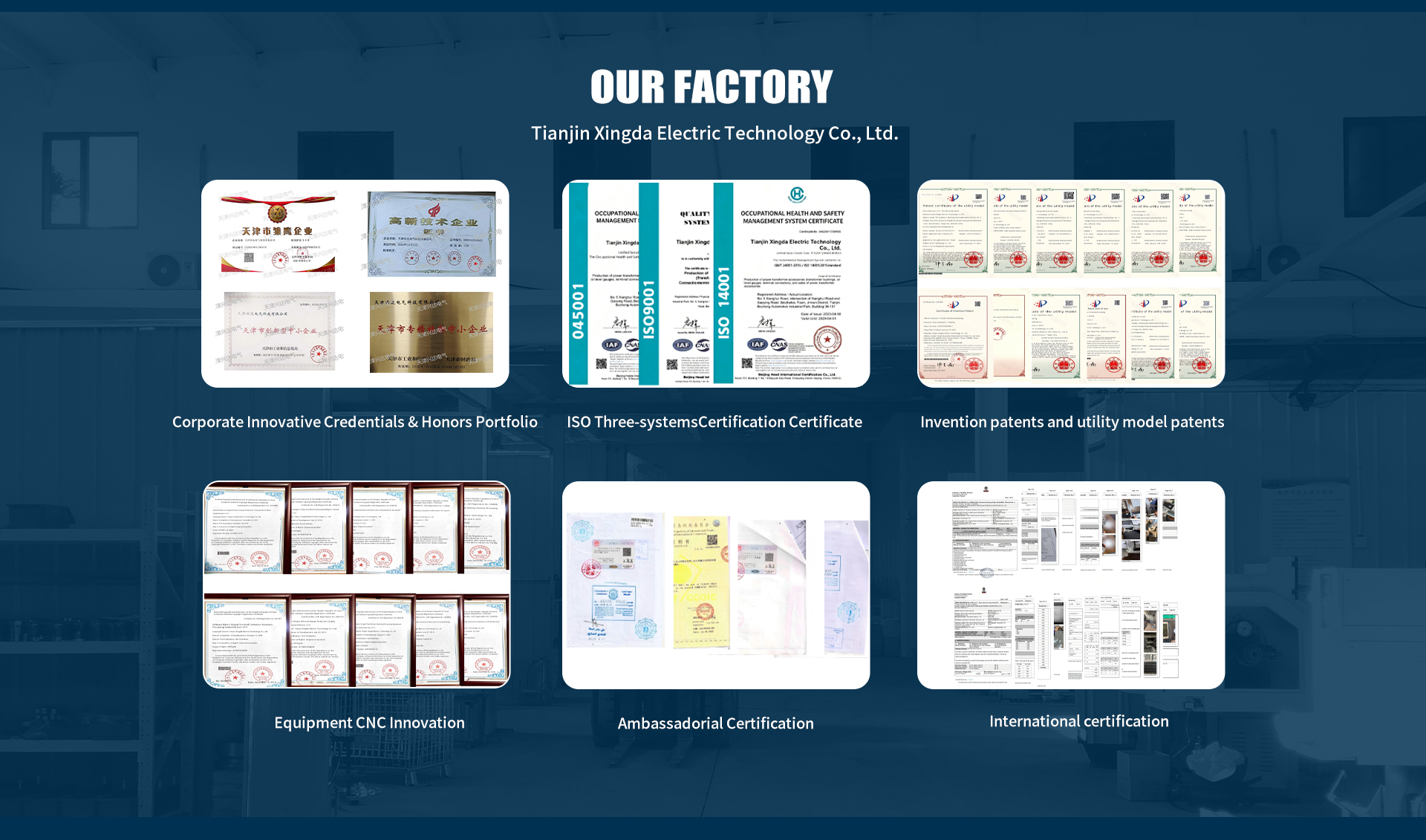
5 Industry‑Recognized Qualification Certifications for Brazil Bushing
PREVIOUS:Period NEXT:What is Brazil Bushing – Complete Industry Definition & Overview
Categories
Contact Us
Contact: Tianjin Delda Trading Co., Ltd
WhatsApp: +86 13662056855
Tel:
E-mail: solomon20210701@tjxddq.com
Add: Unit‑101, Workshop 3, Bozhong Automobile Industrial Park, No.5 Xianghui Road, Intersection of Xianghui Road and Gaoying Road, Beizhakou Town, Jinnan District, Tianjin, China