Brazil bushing
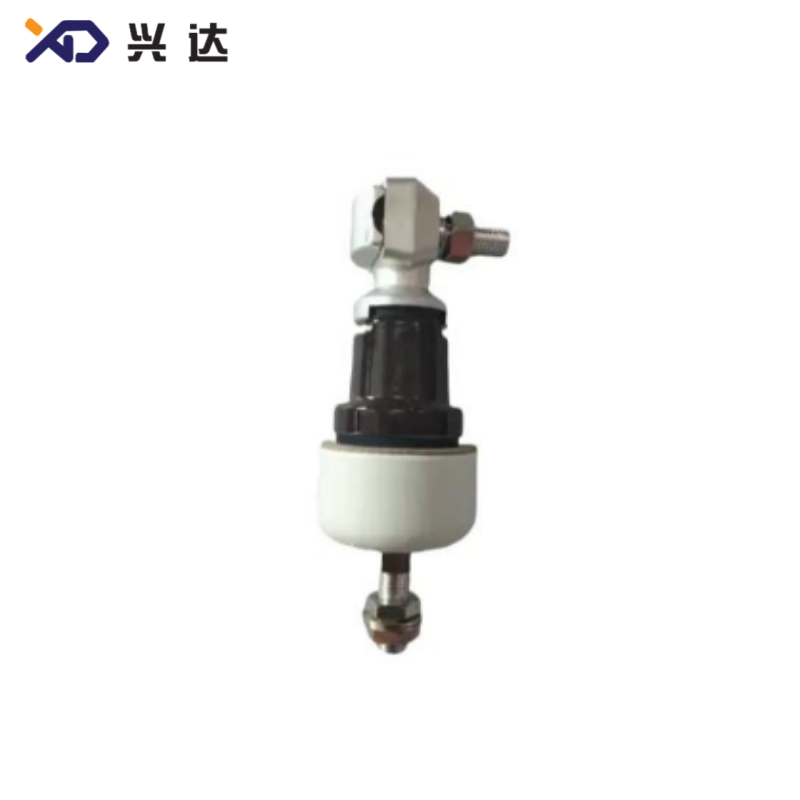
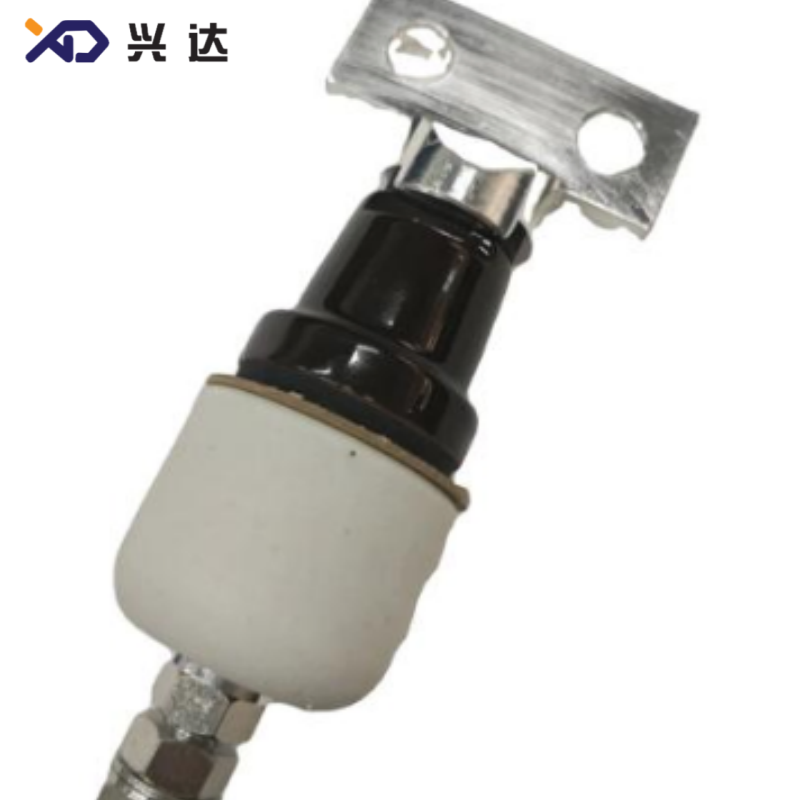
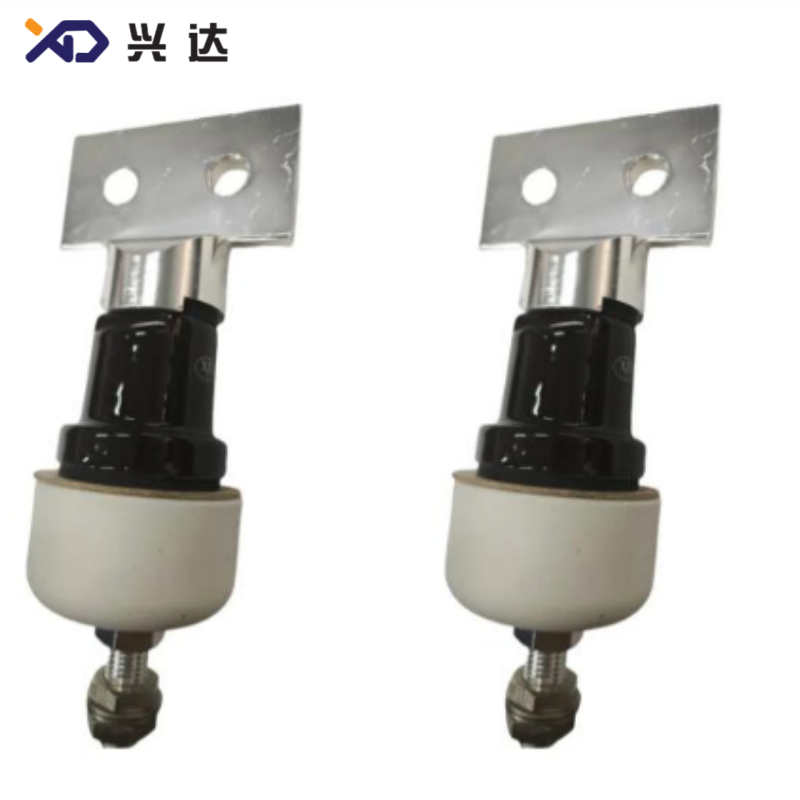
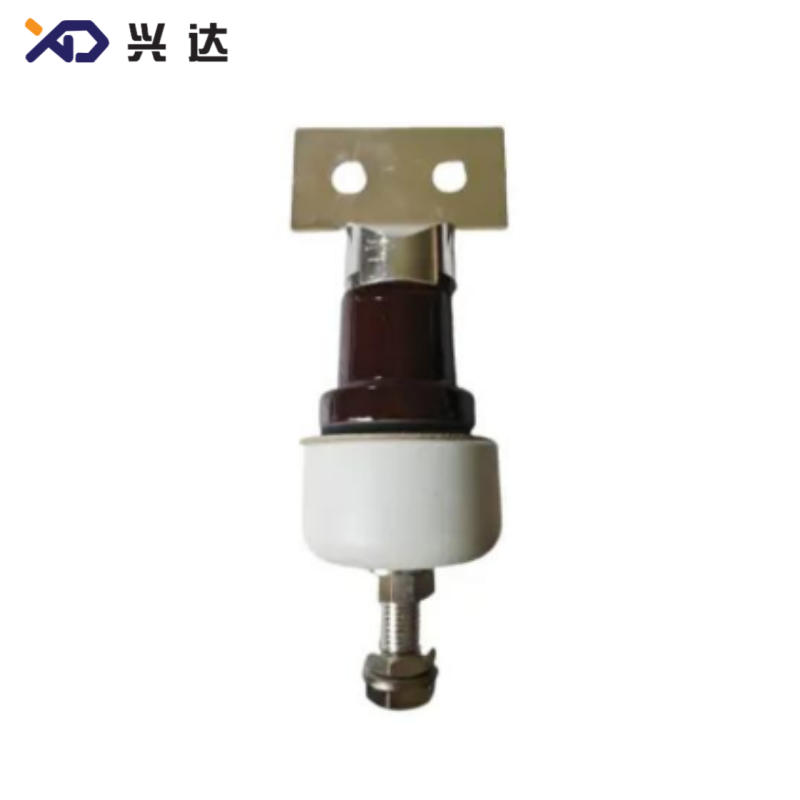
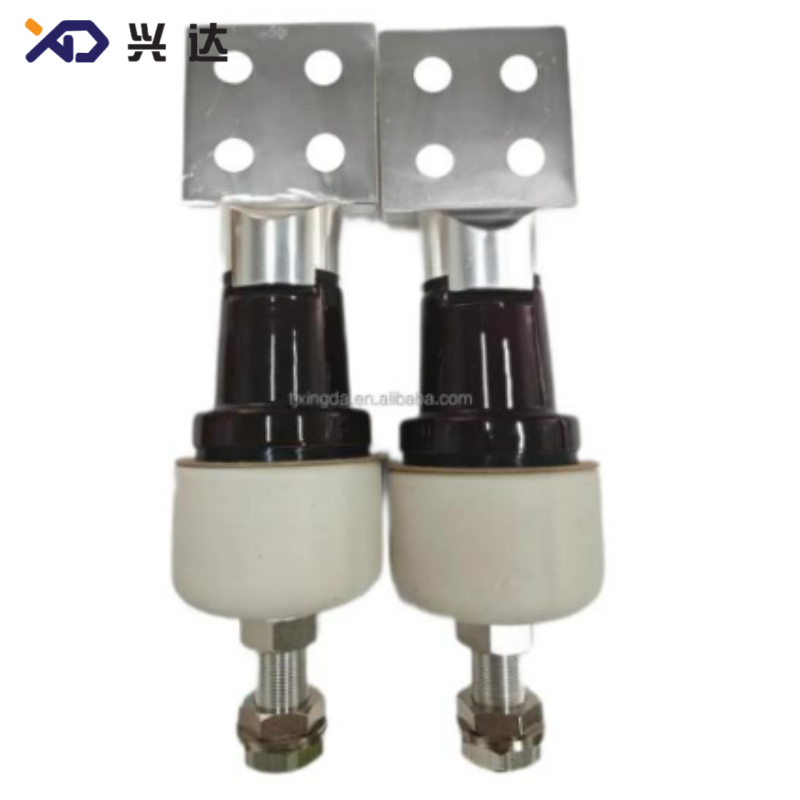
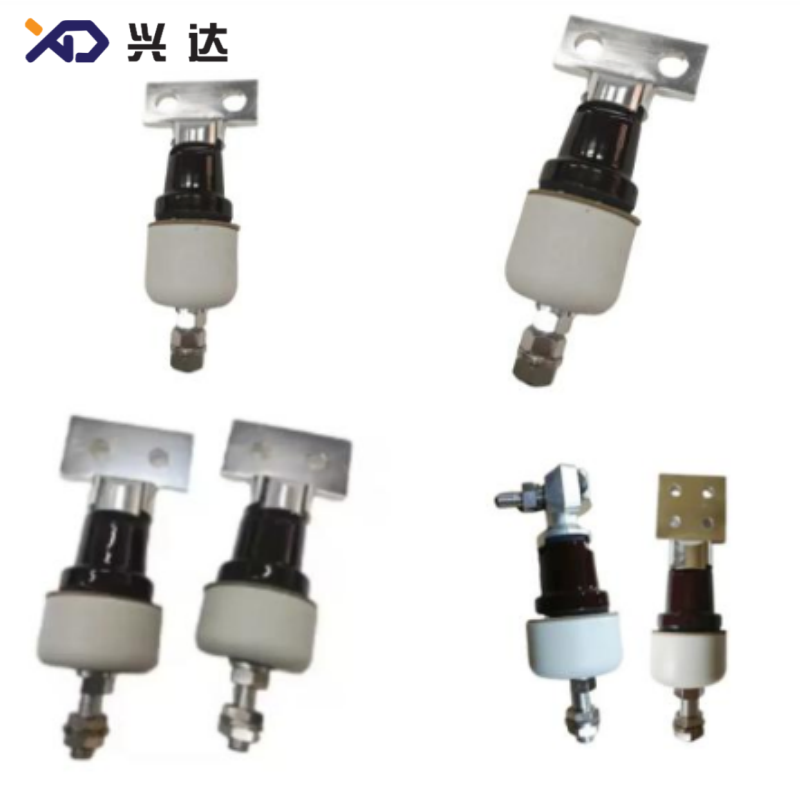
How to Distinguish Qualified Brazil Low Voltage Transformer Bushing
1. Basic Overview of Brazil Low Voltage Transformer Bushing
The Brazil low voltage transformer bushing is a key insulating and conductive matching component specially developed for Brazilian local power grid standards and oil-immersed distribution transformers. As a core through-wall insulating part of low voltage transformers, it undertakes the critical functions of isolating internal live conductors from the transformer tank, conducting current stably, and preventing internal insulating oil leakage. Brazilian power scenarios feature distinct regional characteristics, including high temperature and high humidity coastal climates, strong ultraviolet radiation, seasonal rainstorm erosion, and saline-alkali corrosion in coastal power distribution areas, which put forward extremely stringent requirements on the insulation performance, structural tightness, and environmental adaptability of low voltage transformer bushings.
Unlike conventional general-purpose low voltage bushings, qualified Brazilian standard bushings must comply with local INMETRO certification specifications and IEC international electrical standards, with targeted optimization in anti-aging, anti-corrosion, waterproof and flashover resistance. Unqualified bushings often have hidden defects such as insufficient insulation strength, poor sealing performance, and substandard weather resistance. In actual operation, these defects will cause safety hazards including surface creepage, flashover discharge, insulating oil moisture ingress, partial discharge failure, and even short-circuit burnout of transformer low voltage terminals. Therefore, mastering scientific identification methods for qualified Brazil low voltage transformer bushings is the core premise to ensure the safe operation, long-term stability and compliance of Brazilian power distribution transformer equipment, and is also a key inspection link for product procurement, factory acceptance and on-site installation inspection.
2. Product Qualification Characteristics, Core Advantages and Applicable Scenarios
Qualified Brazil low voltage transformer bushings are high-standard insulating components integrating compliant structural design, high-performance insulating materials and professional environmental resistance technology, fully adapting to the special climatic and electrical operation requirements of the Brazilian power grid. Different from inferior low-quality bushings with simple structure and cut-cost materials, qualified products have standardized production processes and strict quality verification, with prominent advantages in compliance, operational stability and environmental adaptability.
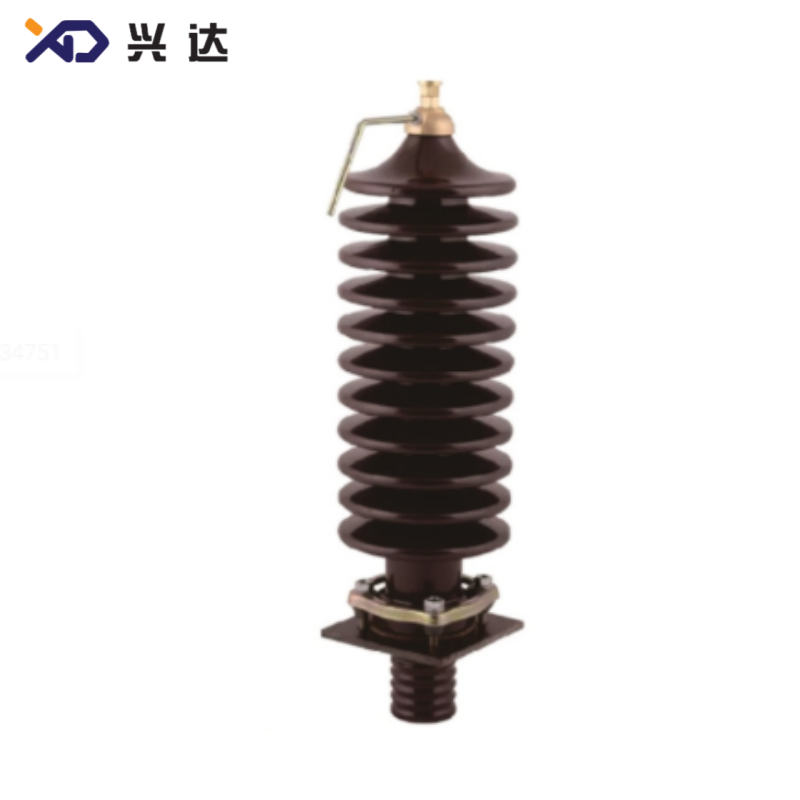
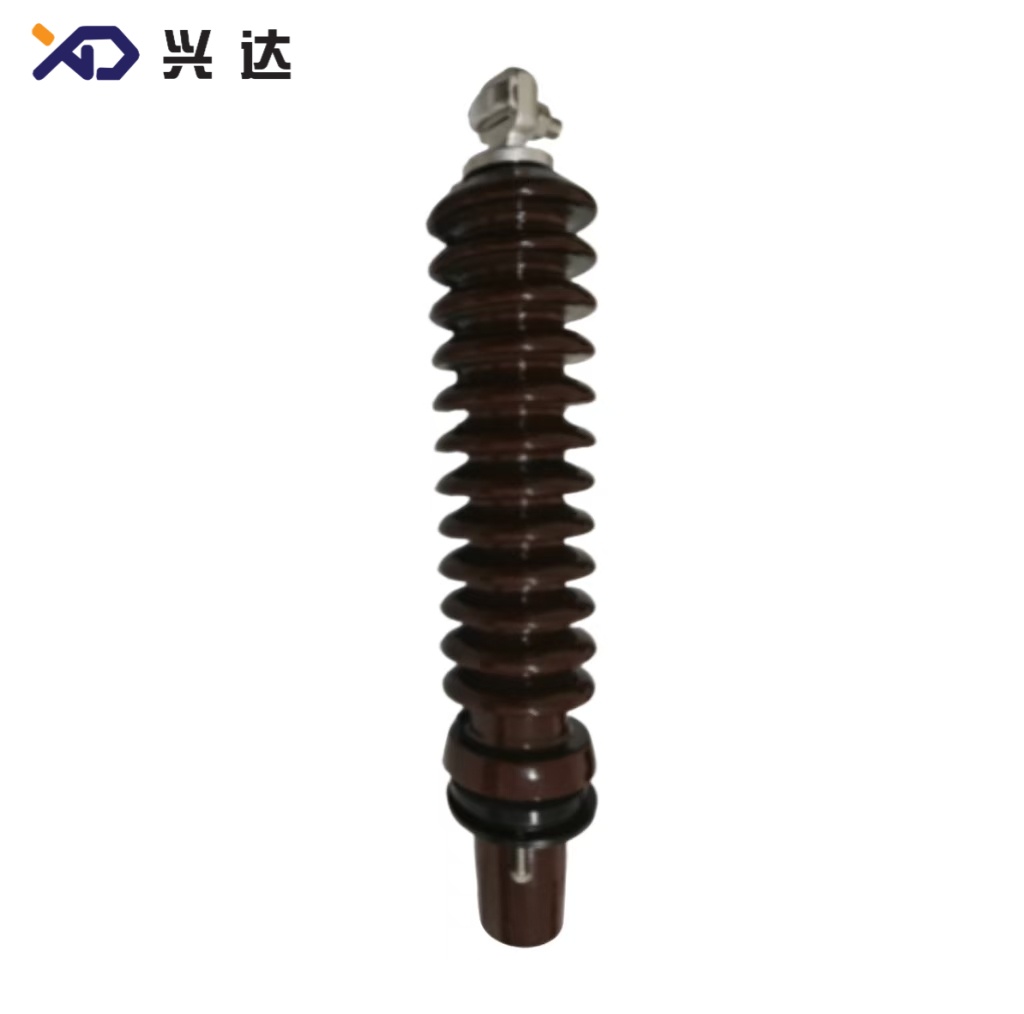
In terms of core qualification characteristics, certified Brazil low voltage bushings adopt high-purity epoxy resin composite insulation structure or high-strength modified porcelain insulation structure, matched with integrated integral molding process, eliminating internal pores and crack defects of inferior products. The whole machine passes INMETRO mandatory certification and IEC 60137 bushing standard test, with standardized dimensional parameters and electrical performance indicators that fully match Brazilian local low voltage transformer assembly and power grid operation requirements. In terms of structural design, it is equipped with multi-stage umbrella skirt structure optimized for Brazilian rainy and humid environments, which effectively increases creepage distance and prevents surface flashover caused by damp and dust accumulation.
Its core advantages are mainly reflected in four dimensions: standard compliance, excellent environmental adaptability, stable electrical performance and high operational safety. First, in terms of environmental resistance, qualified products adopt UV-resistant, anti-aging and saline-alkali resistant materials, with professional surface hydrophobic treatment, which can resist long-term strong ultraviolet irradiation, high temperature and humidity erosion, coastal salt spray corrosion and rainwater soaking, avoiding insulation aging and performance degradation. Second, in terms of insulation performance, the uniform and dense insulating layer maintains stable dielectric strength, effectively inhibits partial discharge, and ensures no creepage or flashover under long-term rated load and harsh weather conditions. Third, the integrated sealing structure solves the common problems of oil leakage and water vapor penetration of inferior bushings, protecting the internal transformer insulating oil from moisture and pollution. Fourth, the product has strong mechanical strength, resisting vibration and impact during transformer operation and installation, without cracking or deformation.
In terms of application scenarios, qualified Brazil low voltage transformer bushings are widely applicable to various mainstream low voltage oil-immersed transformers in Brazilian urban and rural power distribution systems, pole-mounted distribution transformers, box-type integrated transformers, and supporting transformer equipment for industrial and mining enterprises and new energy power generation. They can stably adapt to multiple complex regional environments in Brazil, including tropical high-temperature rainforest areas, coastal humid saline-alkali areas, and open areas with strong ultraviolet radiation. Compared with unqualified non-standard bushings, certified qualified products have lower failure rate, longer service life, and more stable operational performance, which can effectively reduce power equipment maintenance costs and grid operation risks, and meet the long-term reliable operation requirements of Brazilian power grid equipment.
3. Qualified Product Technical Parameter List
Parameter Item | Technical Specification (Brazil Standard Qualified Product) |
|---|---|
Compliance Standard | INMETRO Certification + IEC 60137 International Bushing Standard |
Rated Voltage | ≤1.1kV (Brazil Low Voltage Grid Standard) |
Rated Current | 250A~3150A (Optional for Full Series) |
Operating Temperature Range | -20℃ ~ +85℃ (Adapt to Brazilian Tropical Climate) |
Ambient Humidity Resistance | ≤98% RH (Non-condensing, Adapt to High Humidity Environment) |
Creepage Distance | Compliant with Brazilian Grid Anti-flashover Standard |
Insulation Material | High-purity Epoxy Resin / Modified High-strength Porcelain |
Surface Treatment | Hydrophobic, UV-resistant, Anti-corrosion Coating |
Partial Discharge Level | ≤10pC (Stable Insulation Performance) |
Withstand Voltage Level | Compliant with IEC Routine Test Standard |
Service Life | ≥15 Years (Normal Brazilian Outdoor Operating Environment) |
4. FAQ (Frequently Asked Questions)
1. What core certifications do qualified Brazil low voltage transformer bushings must have?
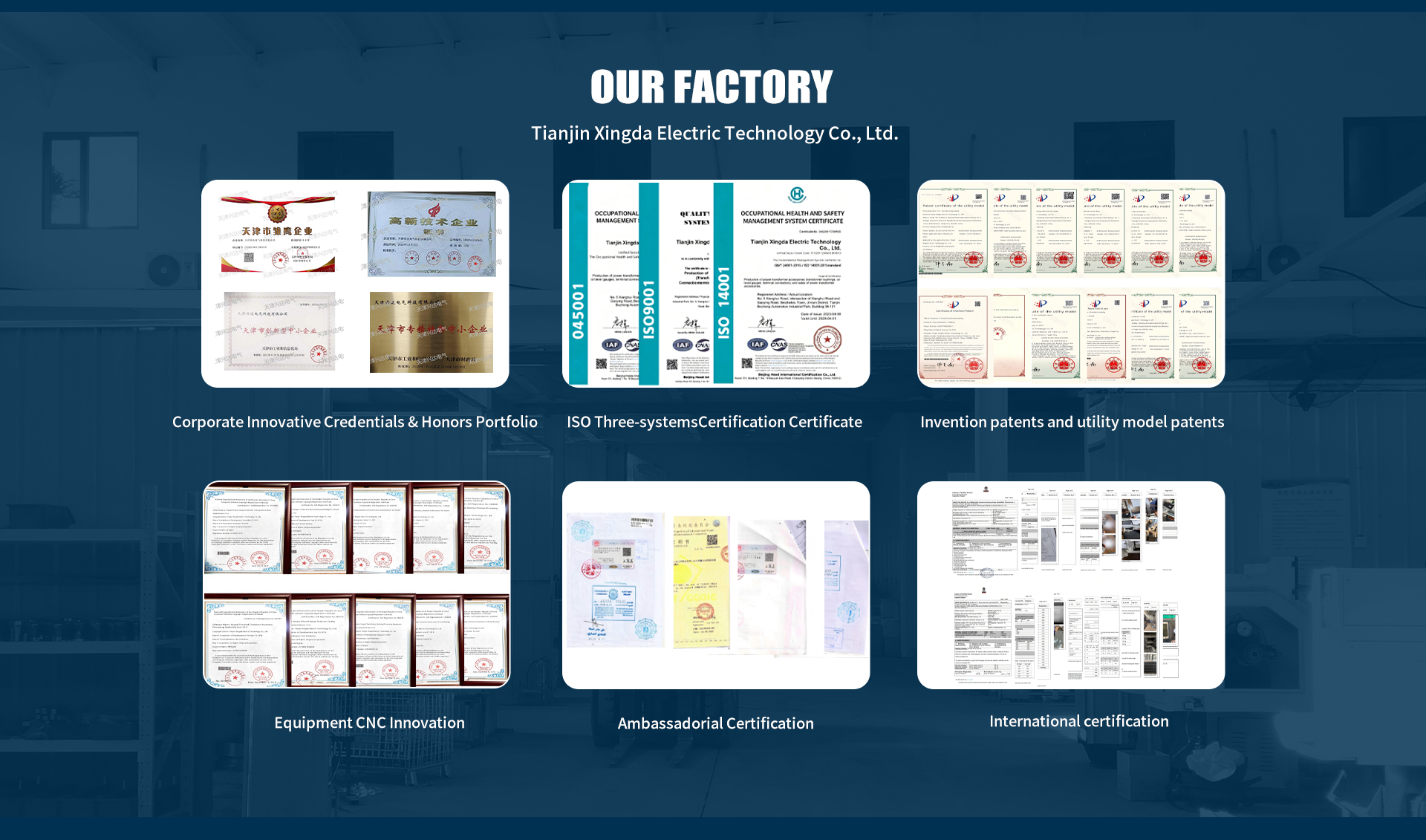
Qualified products must hold valid INMETRO certification, which is the mandatory market access certificate for electrical equipment in Brazil. Meanwhile, they need to pass the full performance test in accordance with IEC 60137 international bushing standard. Unqualified products usually lack formal INMETRO certification, or have expired certificates, and fail to meet the dimensional and electrical parameter standards of Brazilian local low voltage transformers, which cannot pass grid acceptance and are forbidden to be used in Brazilian official power distribution projects.
2. How to quickly distinguish qualified and unqualified bushings through appearance and structure?
First, check the nameplate marking: qualified products have clear, durable and standardized nameplate information, including certified model, rated parameters, certification logo and manufacturer information, with no blurred or tampered marks. Second, observe the structural process: qualified bushings have smooth and compact umbrella skirt and insulating surface, no pores, cracks, bubbles or uneven glaze, with uniform integral molding and tight assembly. Inferior unqualified products have rough surfaces, obvious process defects, irregular umbrella skirt sizes, and loose structural assembly. Third, check the sealing parts: qualified products are equipped with high-quality aging-resistant sealing gaskets with tight fit, while unqualified products have thin and inferior sealing accessories, which are prone to aging and deformation.
3. Can qualified Brazil low voltage bushings adapt to Brazilian coastal high-salinity and high-humidity environments?
Yes. All qualified products have passed professional salt spray aging test, high humidity durability test and UV aging test. The surface professional hydrophobic and anti-corrosion coating can effectively isolate coastal salt spray corrosion and humid air erosion. The optimized multi-stage umbrella skirt structure avoids surface water accumulation and creepage discharge in high-humidity and rainy weather. The overall structure can operate stably for a long time in Brazilian coastal, tropical high-temperature and high-humidity extreme environments without insulation failure or performance attenuation.
4. Will standard compliant structural design affect the installation and operation of transformers?
No. Qualified Brazil low voltage transformer bushings are designed and produced in strict accordance with Brazilian local transformer installation dimensions and grid operation specifications. The structural size, interface matching and electrical parameters are fully compatible with mainstream Brazilian low voltage oil-immersed transformers. The standardized sealing and insulation structure will not interfere with transformer assembly, oil sealing performance and circuit conduction. Instead, it can optimize the overall operational stability of the transformer and avoid equipment failures caused by mismatched non-standard bushings.
5. What are the key test items for on-site acceptance of qualified bushings?
On-site acceptance needs to focus on four core test items. First, appearance and dimensional inspection to confirm no damage and standard size compliance. Second, insulation resistance test to ensure the insulation value meets the standard range. Third, partial discharge test to verify no abnormal discharge phenomenon. Fourth, sealing performance inspection to check no oil leakage or air leakage risk. All test data of qualified products are consistent with factory technical parameters and Brazilian industry standards, with no unqualified indicators.
5.Certifications
Categories
Contact Us
Contact: Tianjin Delda Trading Co., Ltd
WhatsApp: +86 13662056855
Tel:
E-mail: solomon20210701@tjxddq.com
Add: Unit‑101, Workshop 3, Bozhong Automobile Industrial Park, No.5 Xianghui Road, Intersection of Xianghui Road and Gaoying Road, Beizhakou Town, Jinnan District, Tianjin, China