Brazil bushing
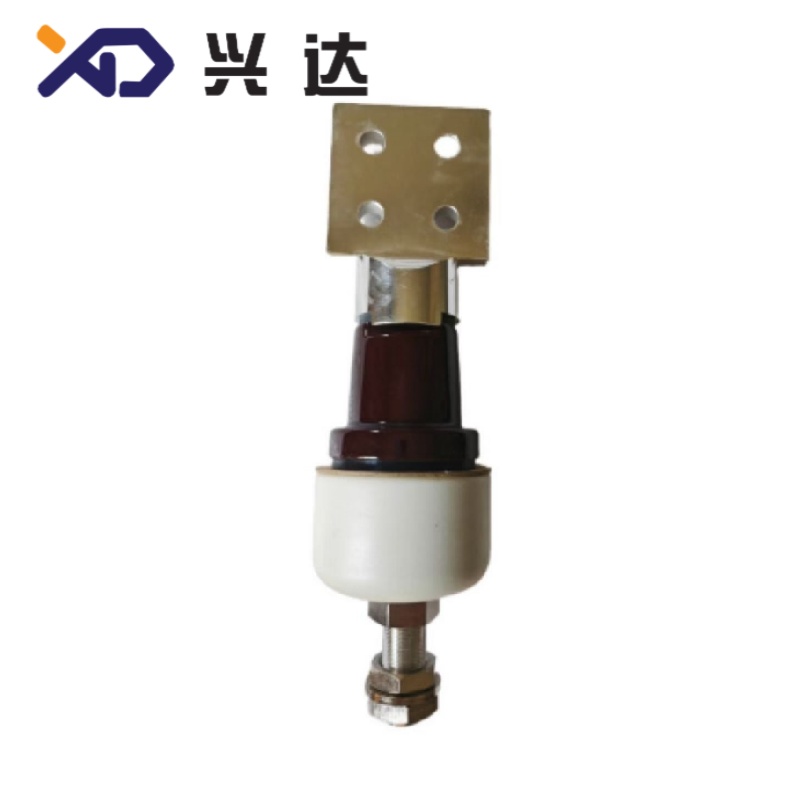
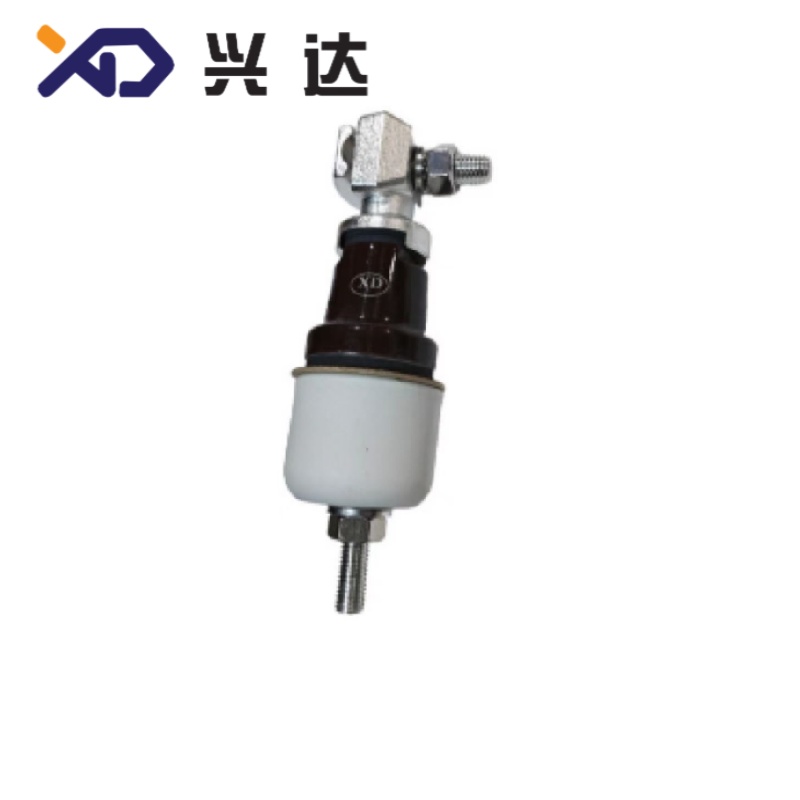
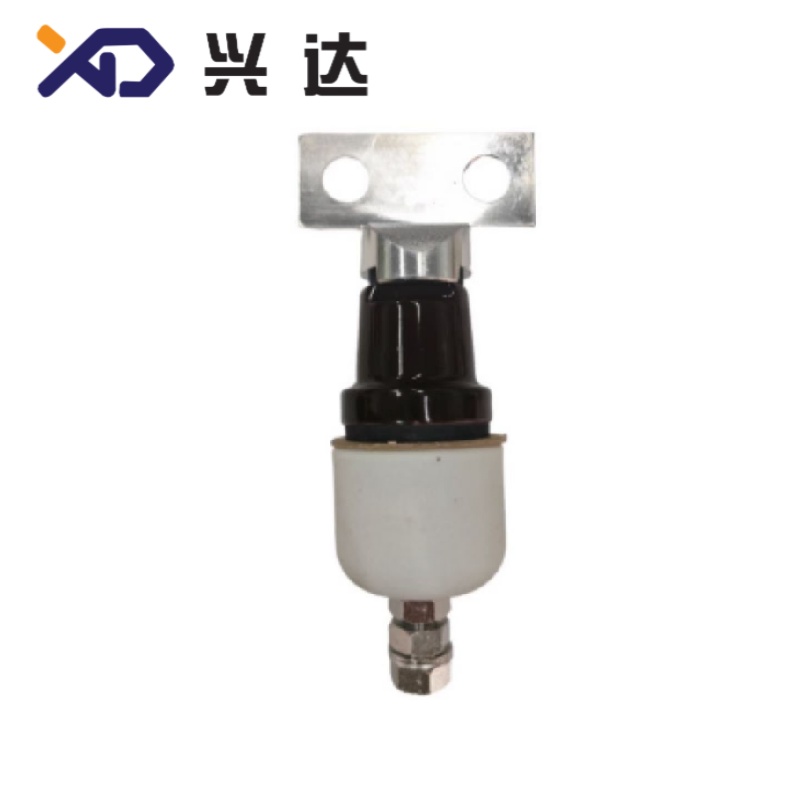
Brazil Bushing Technical Specifications, Dimensional Standards & Selection Guide
Brazil Bushing Technical Specifications, Dimensional Standards & Selection Guide
(Font: Times New Roman)
3.1 Core Dimensional Parameters for Brazil BushingCorrect dimensional specification determines whether Brazil bushing can achieve expected service performance. Three fundamental geometry measurements govern fit and operation: inner diameter (ID), outer diameter (OD), and bushing overall length (L).
Inner Diameter (ID): The bore dimension matching with shaft outer diameter. Running clearance between shaft and bushing ID directly controls lubricant‑film formation. Too‑tight clearance causes thermal seizure after equipment warms‑up; excessive clearance produces shaft wobble, hammer‑type impact loading and accelerated wear, a very common failure scenario in Brazil mining pivots. Typical fit specifications for rotating applications adopt H7 / f7 tolerance grade; for heavy oscillating joints H8 / e8 fits are frequently applied in Brazil‑market bushing designs.
Outer Diameter (OD): Dimension for press‑fit installation into equipment housing bore. The vast majority of metallic Brazil bushing require interference press‑fit. If OD dimension is undersized, bushing spins inside housing bore during operation and rapidly destroys both bushing and housing component, generating high repair expense for Brazil‑site machinery operators. Over‑sized OD will bring excessive pressing force and risk bushing cracking during assembly press‑in process.
Bushing Length (L): Bushing working length defines total load‑bearing contact surface area. General engineering guideline recommends length‑to‑inner‑diameter ratio L = 1.2 ~ 3.0 × ID for regular rotary joints. For high‑vibration oscillating joints widely seen in Brazilian agricultural and construction equipment, ratio can extend up to L = 3‑4 × ID; under this condition axial lubrication grooves are strongly suggested for heat dissipation and lubricant distribution across sliding surface.
3.2 Standard Technical Specification Table for General‑Purpose Brazil Sleeve BushingTable 3 lists representative reference dimensions for commonly‑ordered straight‑sleeve‑type Brazil bushing following ISO 3547‑1 (DIN 1494) standard, widely circulated in Brazil industrial procurement channels. All dimensions are expressed in millimeters.
表格
| Nominal Shaft Size (mm) | Bushing Inner Diameter ID (mm) | Bushing Outer Diameter OD (mm) | Common Available Length L (mm) | Suggested Fit Class |
|---|---|---|---|---|
| 30 | 30 | 35 | 20,30,40 | H7/f7 |
| 40 | 40 | 45 | 25,40,50 | H7/f7 |
| 45 | 45 | 50 | 30,45,60 | H7/f7 |
| 50 | 50 | 55 | 30,40,50,70 | H7/f7 |
| 60 | 60 | 65 | 40,60,80 | H8/e8 |
| 70 | 70 | 78 | 50,70,90 | H8/e8 |
| 80 | 80 | 88 | 60,80,100 | H8/e8 |
Note: This table serves for general reference only. Real‑world Brazil bushing ordering shall reference original equipment drawing or local‑market component datasheet. Flanged‑type Brazil bushing adds flange thickness and flange outer diameter as extra critical dimensions.
3.3 PV‑Value as Critical Engineering Selection Criterion for Brazil BushingPV value (Pressure × Velocity) defines the combined pressure‑speed service limit for plain bushing and acts as central calculation parameter for Brazil bushing engineering selection.
- P = average surface pressure acting on bushing sliding contact area (MPa)
- V = relative sliding surface linear velocity (m/s)
Different Brazil bushing material families have distinct maximum allowable PV ratings. Bronze graphite‑plugged Brazil bushing can reach PV 1.0‑3.5 MPa·m/s for heavy oscillating mining joints. Composite PTFE‑steel Brazil bushing typically supports PV 0.5‑2.0 MPa·m/s. If real‑world working PV exceeds material rated maximum PV value, bushing will generate excessive heat, suffer rapid wear and early failure regardless of precise dimension machining. For many Brazil‑site field breakdown investigations, over‑PV operating condition represents one top root cause for premature bushing replacement demand.
3.4 Step‑by‑Step Selection Workflow for Brazil Bushing
- Collect application operational data: static and peak dynamic load, sliding or rotating speed, oscillating frequency.
- Record environmental parameters: operating temperature range, dust/mud/humidity, chemical‑oil exposure level (Brazil tropical climate factors).
- Confirm maintenance reality: can technicians regularly perform grease re‑lubrication or must adopt self‑lubricating bushing grade for remote locations.
- Calculate required PV value and compare against material‑grade PV limits.
- Define shaft‑housing dimensions, select ID‑OD‑L dimensions and tolerance fit class.
- Choose bushing geometry type: straight sleeve bushing, flanged bushing (for combined radial‑thrust load), thrust washer bushing, or spherical self‑aligning bushing.
- Cross‑verify shaft surface hardness requirement for metallic bushing applications.
3.5 Common Specification Mistakes in Brazil Bushing ProcurementThe first frequent error is copying only outer dimension without checking alloy material specification; same physical dimension bushing made of low‑grade bronze cannot survive heavy mining load in Brazil. The second mistake is ignoring fit tolerance and clearance requirement; buying “same size” bushing without tolerance definition leads to assembly seizure or loose shaking. Third error: applying lubrication‑dependent bronze bushing to totally non‑maintainable remote field locations without choosing graphite‑embedded self‑lubricating variant.
SEO keywords focus: brazil bushing specifications, brazilian bushing dimension table, ISO 3547 bushing for brazil market, bushing PV‑value calculation, how‑to‑select brazil bushing, flanged brazil bushing parameters.
Categories
Contact Us
Contact: Tianjin Delda Trading Co., Ltd
WhatsApp: +86 13662056855
Tel:
E-mail: solomon20210701@tjxddq.com
Add: Unit‑101, Workshop 3, Bozhong Automobile Industrial Park, No.5 Xianghui Road, Intersection of Xianghui Road and Gaoying Road, Beizhakou Town, Jinnan District, Tianjin, China