National Standard Bushing
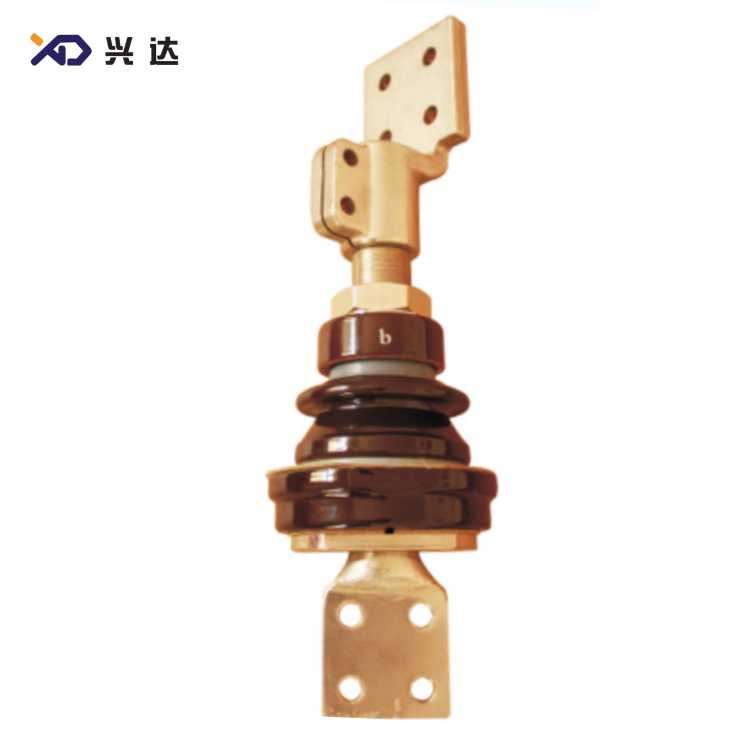
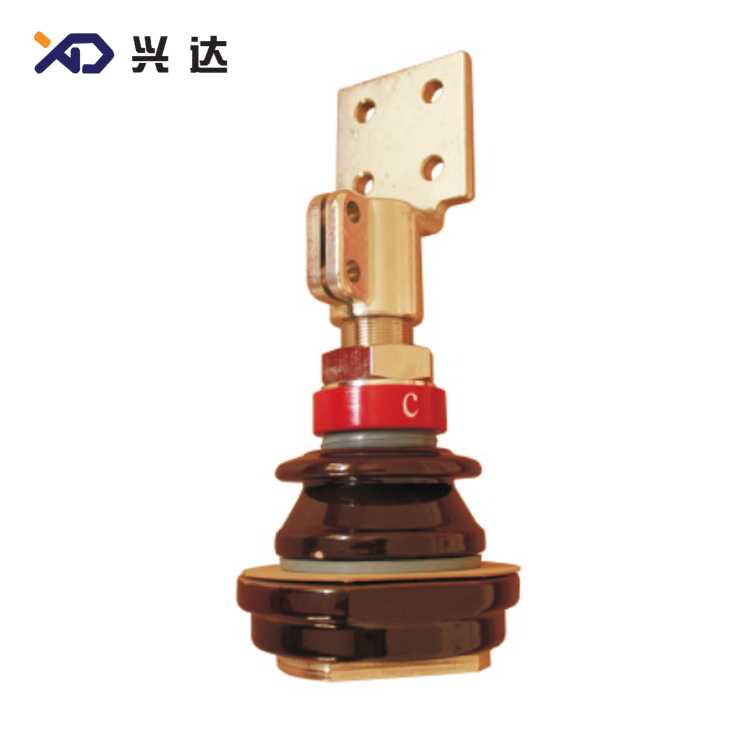
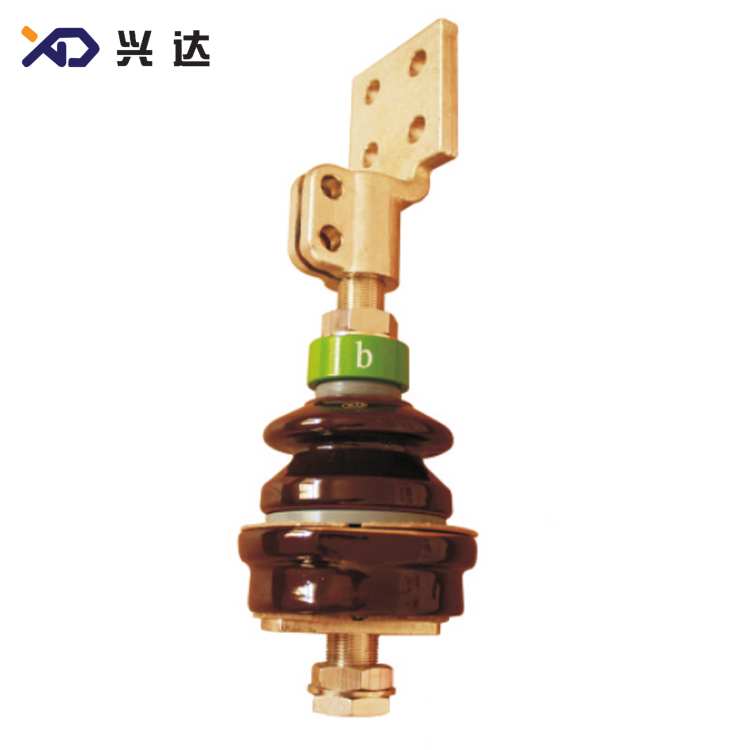
National Standard Bushing for Oil‑Immersed Power Transformer High‑Voltage Insulation
National Standard Bushing: Complete Technical Reference for Transformer Insulation Components
What is a National Standard Bushing
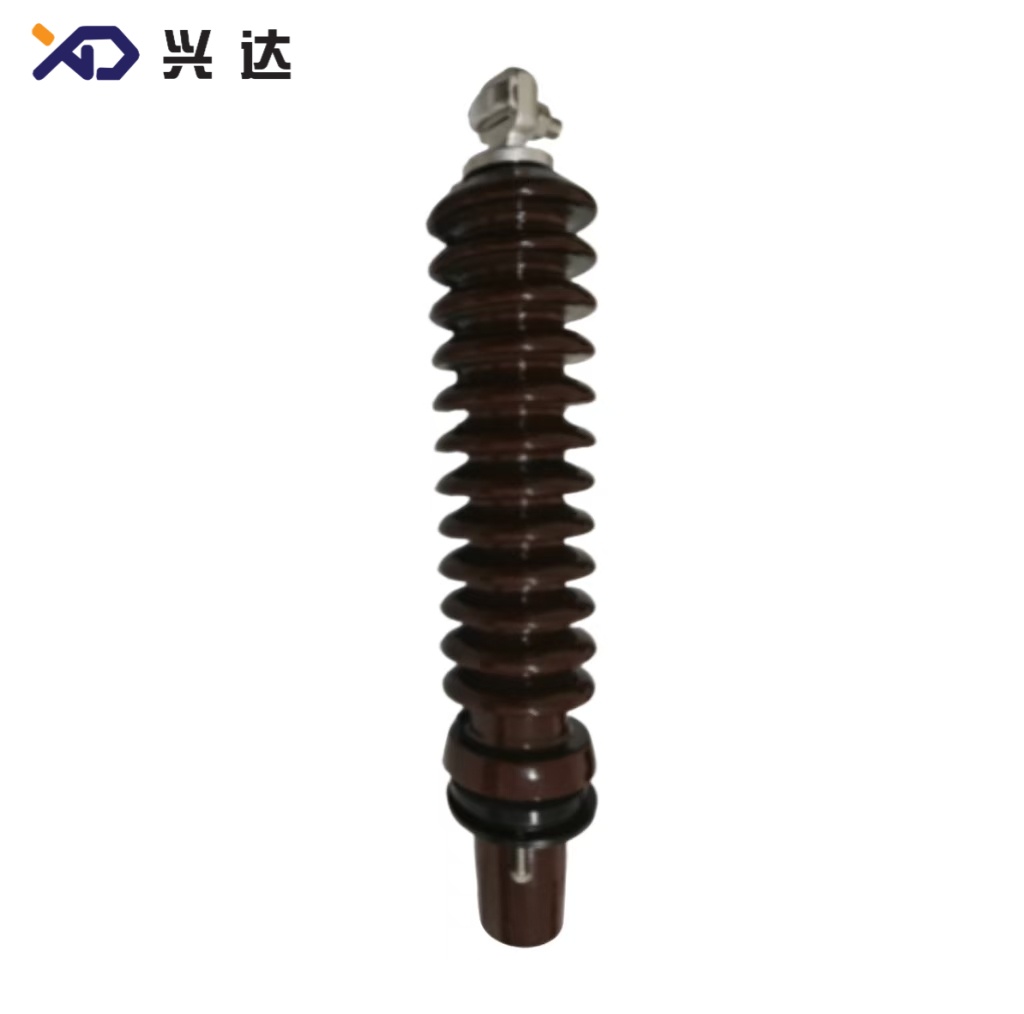
A national standard bushing is a high‑voltage feed‑through insulator manufactured and tested strictly in accordance with official national technical specifications for power equipment. For transformer applications, national standard bushings serve as critical insulation accessories, enabling high‑current conductors to pass through the grounded metal transformer tank wall while maintaining reliable electrical isolation between live conductors and the tank shell.
National standard bushing specifications define uniform dimensions, electrical withstand levels, mechanical strength requirements, routine test items, marking rules, transportation limits and acceptance criteria. These standardized specifications reduce interchangeability risks for new transformer manufacturing, field replacement and overhaul projects. Different countries release their own national bushing standards; many national standards are developed based on IEC 60137 international specifications, with modified clauses adapted for local grid operating conditions, climate and industrial manufacturing capacity国家标准化....
National standard bushings are widely installed on oil‑immersed distribution transformers, substation power transformers, reactor units and other high‑voltage electrical apparatus. They cover low‑voltage, medium‑voltage and high‑voltage classes from 0.4 kV up to 750 kV. Every national standard bushing must complete a full set of type tests and routine tests before leaving production facilities to verify insulation performance, partial‑discharge resistance, cantilever mechanical strength and sealing reliability.
Core functions of national standard bushing include three key aspects:
- Provide insulated passage for high‑current winding leads penetrating transformer tank enclosure.
- Sustain specified power‑frequency withstand voltage and lightning impulse voltage under normal and transient over‑voltage conditions.
- Bear mechanical stress from conductor connection, external wiring and seismic loads while preventing insulating oil leakage from transformer tanks.
Main Categories of National Standard Bushing
National standard bushing classification follows multiple dimensions: internal insulation structure, outer housing material, voltage class and application position. Each category corresponds to clear requirements inside national standard documents.
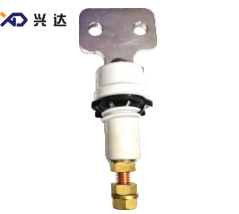
- Non‑capacitive national standard bushingSimple insulation structure without internal capacitive voltage‑grading layers. Mostly porcelain‑housed, compact structure, cost‑effective. Mainly applied for distribution‑level transformers with rated voltage ≤35 kV. Common for low‑voltage side and neutral‑point bushing installation.
- Capacitive‑graded national standard bushing (Condenser‑type bushing)Multi‑layer capacitive core inside the bushing body, evenly distributing internal electric‑field stress. National standards enforce strict limits on capacitance deviation and partial‑discharge magnitude. This bushing type is mandatory for high‑voltage transformers of 110 kV and above. Sub‑types include oil‑impregnated paper (OIP) bushing and resin‑impregnated paper (RIP) dry‑type bushing.
- Porcelain housing national standard bushingTraditional solution using glazed porcelain as external weather‑proof enclosure. Mature manufacturing process, strong anti‑ultraviolet performance. National standards specify porcelain material grade, glaze quality and cantilever breaking load indicators.
- Composite polymer housing national standard bushingSilicone rubber composite outer shell, lightweight, excellent anti‑pollution and hydrophobic property. National standard documents define requirements for material aging resistance, interface bonding quality and creepage distance under polluted environment. Preferred for coastal, heavy‑pollution industrial zones.
| Bushing Category | Main Insulation Type | Common Housing Material | Typical Voltage Range | Core Advantage Defined by National Standard |
|---|---|---|---|---|
| Non‑capacitive Bushing | Solid porcelain / compound filled | Porcelain | ≤35 kV | Simple structure, standardized mounting dimension, low maintenance demand |
| Capacitive‑graded OIP Bushing | Oil‑impregnated paper core | Porcelain / Composite | 66‑750 kV | Uniform electric‑field distribution, high impulse withstand capability |
| Capacitive‑graded RIP Dry‑type Bushing | Resin‑impregnated paper core | Composite polymer | 35‑500 kV | Oil‑free design, lower fire risk, convenient transportation |
| Neutral‑point National Standard Bushing | Simplified insulation structure | Porcelain | 10‑220 kV | Matched neutral‑point insulation level, compact dimension |
Core Benefits of Adopting National Standard Bushing
Project designers and asset owners obtain multiple practical benefits by selecting fully compliant national standard bushing products.
- Guaranteed interchangeability for spare‑part replacementNational standards unify critical dimensions including flange mounting size, bolt hole layout, central conductor specification and mounting length below flange. When original bushing needs replacement during transformer overhaul, qualified national standard bushing can be directly fitted without modifying transformer tank opening, cutting field‑work time and engineering cost.
- Unified test and acceptance baselineNational standard documents list mandatory routine and type‑test items: power‑frequency withstand test, lightning impulse test, partial‑discharge measurement, capacitance and tan‑delta detection, sealing tightness test, cantilever load mechanical test. Procurement teams can reference standard clauses for factory witness test and incoming inspection, avoiding ambiguous technical requirements in purchase contracts.
- Adaptability for complex operating environmentsNational standards contain technical clauses for different site conditions: high altitude correction for insulation withstand value, cold‑climate low‑temperature requirement, salt‑spray anti‑corrosion assessment for coastal projects. Bushing complying with national standards can satisfy grid operation under desert, high‑altitude, coastal salt‑fog and heavy‑industrial‑pollution scenarios.
- Reduced long‑term failure riskTransformer bushing failure accounts for a large proportion of high‑voltage equipment accidents. National standard bushing sets strict limits for material quality, internal insulation defects and manufacturing craft. Compliance with national specifications effectively lowers fault probabilities such as internal partial‑discharge degradation, outer surface flash‑over and oil leakage.
- Simplified technical documentation and project approvalFor power‑grid, industrial and renewable‑energy projects, adopting national standard bushing helps complete technical review, project filing and equipment acceptance work, with clear standard references for all technical indicators.
Key Technical Specification Reference for National Standard Bushing
When specifying national standard bushing for procurement or engineering design, engineers must confirm the following critical parameters defined by national specifications. Parameter mismatch will lead to installation failure, insufficient insulation margin or hidden safety hazards.
| Specification Item | Explanation | National Standard Reference Guidance |
|---|---|---|
| Rated highest voltage for equipment | Maximum permitted system operating voltage of the bushing | Match transformer voltage class: 12 kV, 40.5 kV, 126 kV, 252 kV etc. |
| Rated continuous current | Maximum long‑term passing current of central conductor | Must be greater or equal to transformer winding outlet rated current; consider short‑time overload capacity |
| Insulation withstand level | Lightning impulse withstand voltage, power‑frequency withstand voltage | Strictly follow standard table values; add altitude correction factor for sites above 1000 m elevation |
| Partial discharge level | Permitted apparent charge under specified test voltage | For capacitive‑graded national standard bushing, partial discharge value shall not exceed standard threshold |
| Cantilever breaking load | Maximum allowable bending force applied to bushing top terminal | Determined by external wiring weight, seismic requirement; select corresponding grade per national standard |
| Mounting dimension | Flange diameter, bolt‑circle size, immersion length below flange | Must match reserved opening dimension on transformer tank |
| Housing material & creepage distance | External insulator material, nominal creepage distance | Upgrade creepage grade for heavy‑polluted site per national standard pollution‑level table |
| Sealing requirement | Oil‑leak‑proof performance for transformer oil interface | Zero oil seepage under specified pressure‑holding test |
Installation, Commissioning and Routine Maintenance for National Standard Bushing
Even fully‑qualified national standard bushing may develop faults caused by improper installation or neglected maintenance. National standard appendix sections provide clear guidance for installation, storage and inspection operations.
Installation Notes
- Protect bushing insulator surface during lifting and mounting. Avoid mechanical impact, scratch or crack on porcelain or composite housing.
- Check flange gasket integrity before installation; confirm gasket material matches national‑standard requirement for transformer‑oil resistance. Improper gasket selection will cause oil leakage under temperature cycling.
- Control tightening torque of flange bolts evenly. Excessive torque may crack porcelain housing; insufficient torque results in sealing failure.
- Control connection torque for top‑terminal copper conductor. Over‑tightening creates mechanical stress inside bushing; loose contact leads to local overheating during operation.
- After installation, complete sealing pressure‑holding test before transformer energization.
Routine Maintenance Checklist for National Standard Bushing
- Visual inspection: Check outer insulator surface for contamination, crack, tracking mark; inspect flange and terminal position for oil seepage. Clean pollution accumulation on bushing surface on a scheduled cycle, especially for coastal and industrial sites.
- Electrical parameter test: Periodically measure capacitance value and tan‑delta (power‑factor). National standards define permitted deviation range compared with factory original record. Sharp change indicates internal insulation aging risk.
- Infrared thermal inspection: Detect abnormal hot‑spot at top terminal, flange and connection fitting. Over‑heating will accelerate bushing insulation degradation.
- For oil‑filled type national standard bushing: Monitor internal oil level and oil quality; implement dissolved‑gas‑analysis (DGA) test on bushing oil according to maintenance cycle.
- Check anti‑pollution coating status for composite‑housing bushing; observe hydrophobic performance degradation signs.
Common failure modes for national standard bushing include surface flash‑over caused by pollution, internal insulation deterioration, oil leakage from flange sealing face, and connection overheating. Early‑stage detection through standard maintenance work can prevent catastrophic transformer faults.
Frequently Asked Questions for National Standard Bushing
Q1: Are national standard bushing dimensions fully identical to IEC standard bushing?
Not completely. Most national standards adopt IEC core technical requirements, yet some national standards define local‑preferred flange dimension, bolt layout and altitude correction rules. When replacing between national‑standard bushing and pure IEC‑spec bushing, engineers must double‑check mounting dimension and not only electrical parameters.
Q2: Can national standard bushing be used for export projects?
Yes. Many national‑standard bushing products support dual compliance, satisfying both domestic national standard and IEC international specifications. Users need to clarify acceptance standard baseline during procurement phase and obtain corresponding test reports.
Q3: Does compliance with national standard mean zero maintenance requirement?
No. National standard defines product manufacturing and test requirements, not lifetime‑free operation. All high‑voltage national standard bushing still require periodic inspection and maintenance according to power‑equipment operation specifications. Insulation performance will degrade gradually under long‑term electrical, thermal and environmental stress.
Conclusion
National standard bushing is a core insulation accessory for oil‑immersed power transformers and reactors. Unified national specifications define product classification, critical technical parameters, mandatory test items, dimension rules and operation‑maintenance guidance. Selecting qualified national standard bushing brings stable insulation performance, spare‑part interchangeability and clear‑cut acceptance baseline for power projects. In specification confirmation phase, procurement and design engineers should focus on rated voltage, rated current, insulation withstand grade, mechanical cantilever load, mounting dimension and environmental adaptability. Combined with standardized installation and periodic inspection, national standard bushing can deliver long‑term safe service and reduce overall asset failure risk.
Categories
Contact Us
Contact: Tianjin Delda Trading Co., Ltd
WhatsApp: +86 13662056855
Tel:
E-mail: solomon20210701@tjxddq.com
Add: Unit‑101, Workshop 3, Bozhong Automobile Industrial Park, No.5 Xianghui Road, Intersection of Xianghui Road and Gaoying Road, Beizhakou Town, Jinnan District, Tianjin, China