National Standard Bushing
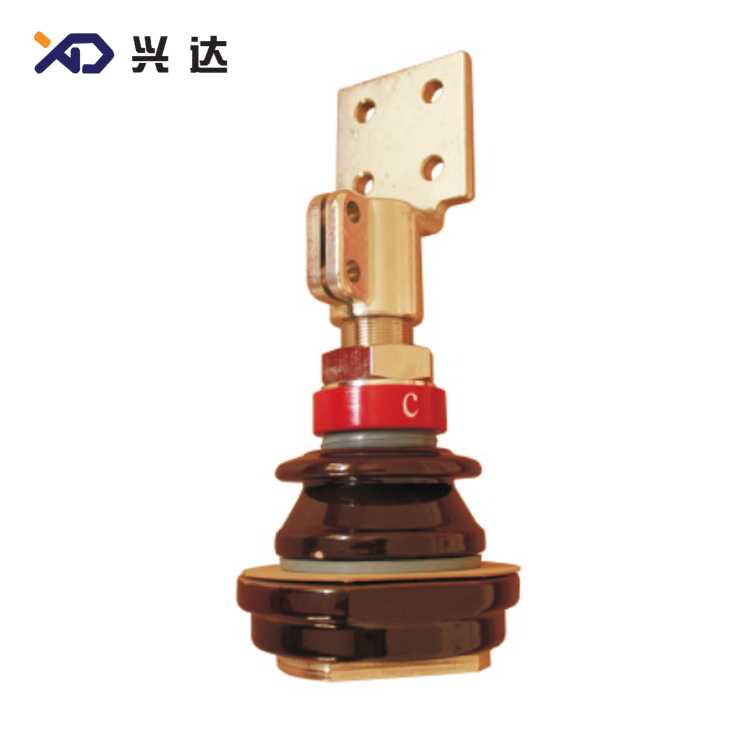
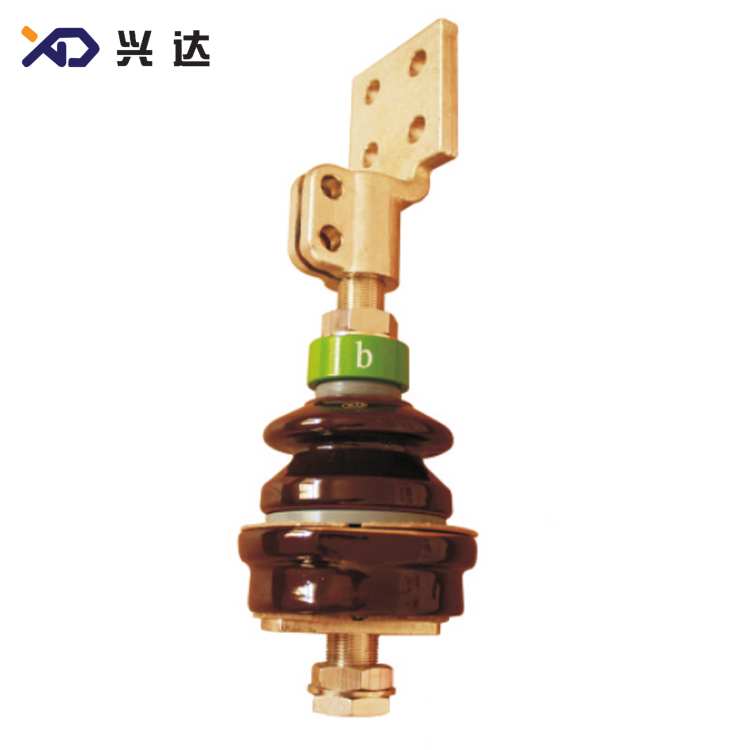
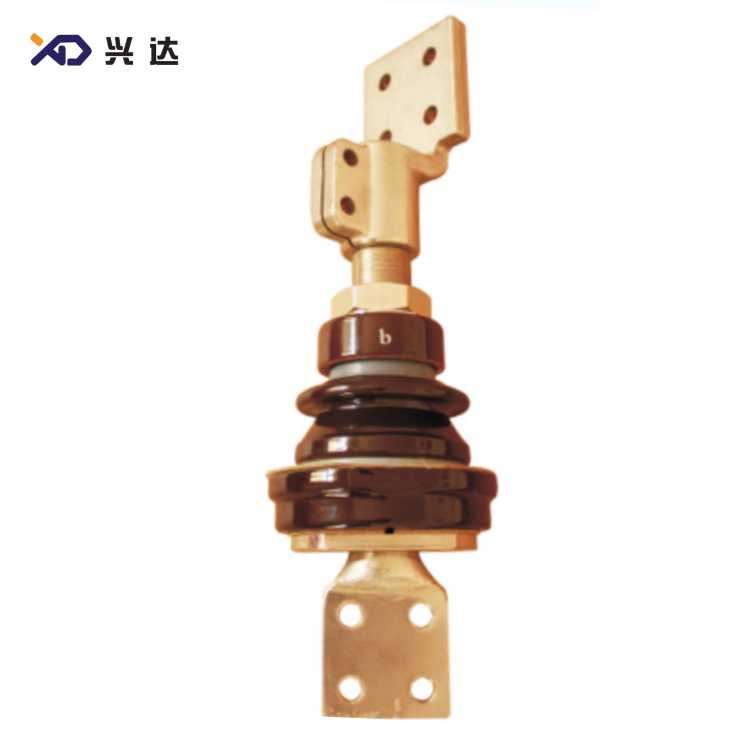
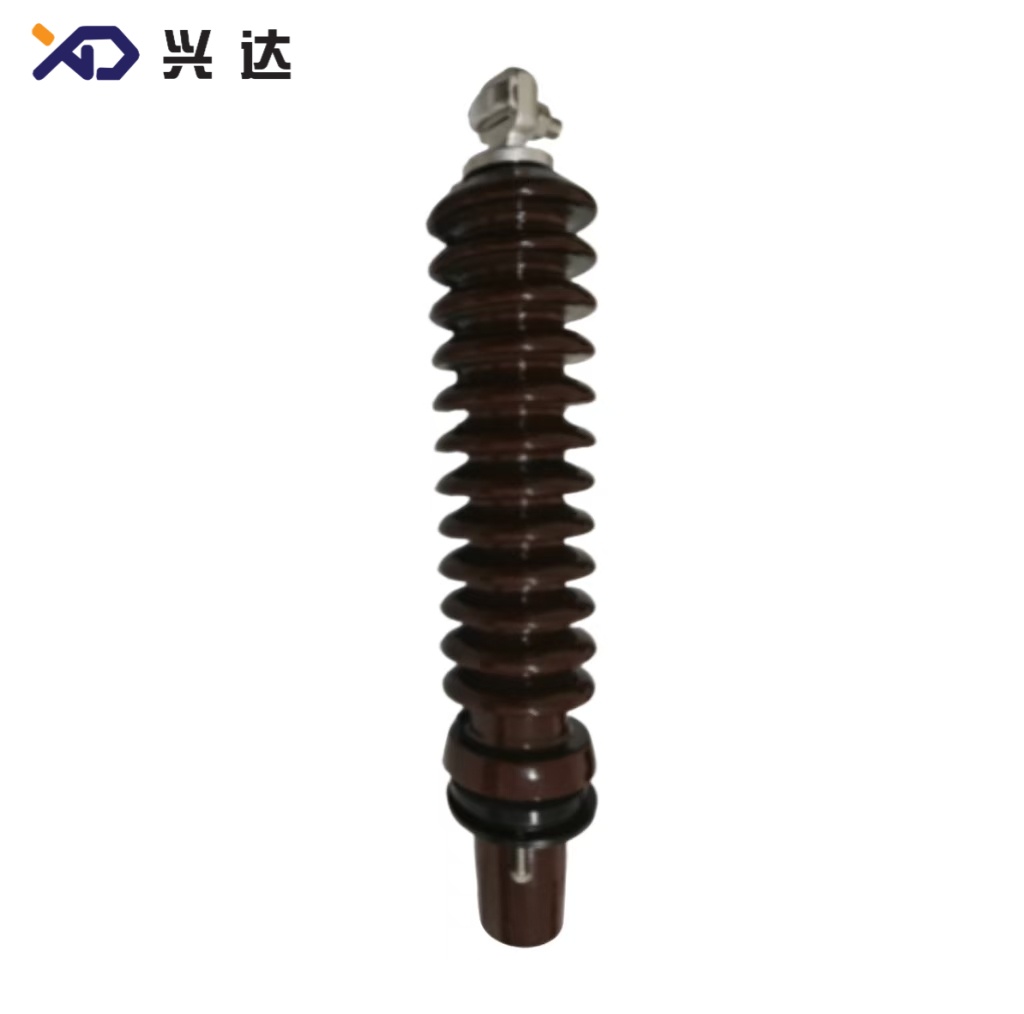
National Standard Bushing GB/T 4102 Transformer Insulation Bushing
National Standard Bushing: Definition, Types, Specifications, Advantages & Selection Guide
Introduction of Natioanl Standard Bushing
The national standard bushing family covers porcelain bushing, cast epoxy resin bushing, oil-impregnated paper bushing and composite bushing, ranging from low voltage 1.2kV up to ultra-high voltage levels. Domestic power grid projects and many overseas purchasers who import Chinese transformers prefer national standard bushings due to clear test standards, stable performance and complete certification basis. This comprehensive guide covers basic structure, classification, technical specification table, core advantages, application scenarios, selection principles and routine maintenance guidance.
Working Principle & Applicable Standards
Basic Structure
- Central conductive conductor: Copper or aluminum rod for continuous load current transmission, with standardized terminal interface following national specifications.
- Main insulating medium: Porcelain, solid epoxy resin, oil-impregnated paper or silicone composite material, designed to meet specified dielectric strength and creepage requirements.
- Mounting assembly: Standardized flange, thread and sealing structure, unified dimensional benchmark defined by GB/T 4109, convenient for direct replacement.
Core Governing Standards
- GB/T 4109-2022: Main standard for AC insulated bushings above 1000V, specifies rating series, test items, temperature limits and pollution grade requirements.
- GB/T 772: Technical specification for high-voltage porcelain insulators (for porcelain-type national standard bushings).
- GB/T 1094 series: Power transformer general specifications, matching requirements between bushing and transformer main body.
The standard adopts modified alignment with IEC 60137, making national standard bushings compatible with most IEC power system projects after parameter verification.
Operation Mechanism
When transformers operate under variable load, the bushing bears continuous working current and transient overvoltage. The standardized insulation structure controls internal electric field distribution to suppress partial discharge. Uniform creepage distance design complies with pollution classification standards, preventing surface flashover under humid, foggy and dusty outdoor environments. Standardized mechanical cantilever load parameters guarantee safety under cable pulling force and external vibration.
Main Types of National Standard Bushings
1. National Standard Porcelain Transformer Bushing
2. National Standard Cast Epoxy Resin Bushing
3. National Standard Oil-Impregnated Paper (OIP) Condenser Bushing
4. National Standard Composite Silicone Rubber Bushing
Universal Technical Specification Table for National Standard Bushings
| Parameter Item | National Standard Porcelain Bushing |
|---|---|
| Executive Standard | BF BJL BJLW BD BDW |
| Rated Voltage Range | 1kV 10KV 20KV 35KV 40KV |
| Standard Rated Current Series | 300A, 400A, 600A, 800A, 1000A, 1200A, 3150A |
| Insulation Material | Glazed high-strength porcelain |
| Operating Temperature Range | -40°C ~ +120°C |
| Partial Discharge Level | ≤10pC |
| Dielectric Loss tanδ | ≤0.008 |
| Mechanical Feature | High compressive strength, brittle, risk of cracking under impact |
| UV Resistance | Excellent |
| Standard Mounting Form | Standard flange / thread |
| Typical Pollution Adaptation | Medium pollution grade |
Core Advantages of National Standard Bushings
1. Unified Standard Parameters with Strong Interchangeability
2. Complete, Recognized Test Standard System
3. Rich Product Series Covering Multiple Application Needs
4. Stable Supply Chain & Cost Controllability
5. Good Compatibility with Chinese-Made Transformers
6. Clear Guidance for Environmental Selection
The national standard clearly defines corresponding minimum creepage distance for different pollution grades (Class I ~ Class IV). Engineers can quickly select suitable standard models according to project site environment without repeated insulation calculation.
Typical Application Scenarios
- Oil-immersed distribution transformers used in domestic and exported power grid projects
- Dry-type transformers and medium voltage switchgears adopting Chinese national design specifications
- Substation main transformers, shunt reactors and converter transformers
- Photovoltaic and wind power booster transformers manufactured in China
- Urban and rural power distribution networks, industrial mining power stations
- Transformer renovation and spare parts replacement projects requiring interchangeable standard components
EPC overseas engineering projects purchasing Chinese complete transformer equipment
National Standard Bushing Selection Guide
- Confirm Rated Voltage and Pollution GradeSelect equipment highest voltage Um from GB standard series. Match creepage distance to site pollution class; choose outdoor shed-type models for external installation.
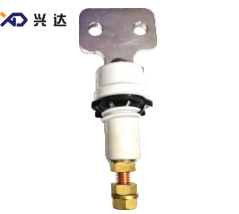
- Select Rated Current According to Maximum Continuous LoadPick standard rated current level defined by GB/T 4109, reserve sufficient margin for overload conditions. Confirm terminal type: eyebolt, spade lug or threaded stud.
- Choose Insulation Material Type
- Indoor dry-type equipment: national standard epoxy resin bushing
- Conventional outdoor distribution transformers: national standard porcelain bushing
- High voltage main transformer above 110kV: OIP condenser national standard bushing
- Coastal, salt fog, heavy industrial pollution areas: national standard composite bushing
- Verify Mounting Dimension and Mechanical LoadCheck standard flange hole layout, thread size and maximum allowable cantilever load to match transformer tank installation opening.
- Confirm Compatibility with Insulating MediumIf installed inside oil-filled transformer, verify whether the selected national standard bushing sealing material is compatible with mineral oil or natural ester insulating oil.
Routine Maintenance & Common Troubleshooting
Regular Maintenance Checklist
- Visual inspection every 6–12 months: check insulation surface for cracks, tracking, contamination; inspect flange joint for oil leakage or air leakage.
- Check connection terminals for overheating and oxidation; tighten fasteners following specified torque standards.
- Clean surface dirt regularly to maintain effective creepage distance.
- For oil-filled national standard condenser bushings, monitor oil level and test dielectric loss periodically.
Common Operational Problems
- Surface flashover in humid weather: Usually insufficient creepage distance; upgrade to national standard bushing for higher pollution grade.
- Porcelain body cracking: Mechanical collision during transportation or installation; replace with epoxy or composite national standard bushing for anti-breakage demand.
- Terminal overheating: Mismatched standard current grade or loose connecting hardware.
- Partial discharge rising: Internal insulation dampness or sealing failure; carry out insulation testing and replace sealing gaskets.
Safety Reminder: All inspection and maintenance work must be carried out after power cut. Do not use corrosive chemical cleaners to wash insulation surfaces.
Conclusion
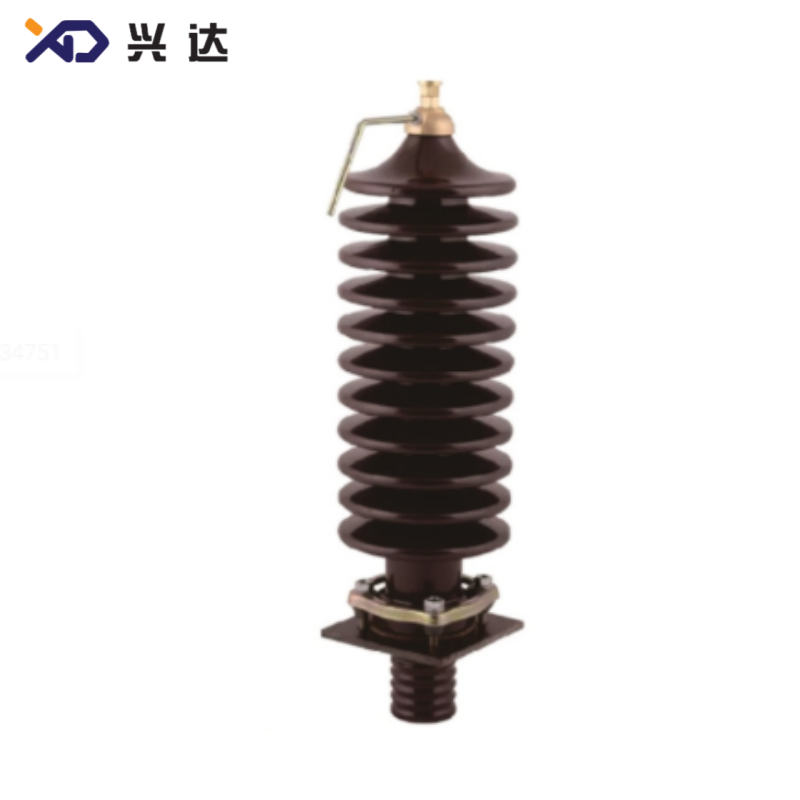
Categories
Contact Us
Contact: Tianjin Delda Trading Co., Ltd
WhatsApp: +86 13662056855
Tel:
E-mail: solomon20210701@tjxddq.com
Add: Unit‑101, Workshop 3, Bozhong Automobile Industrial Park, No.5 Xianghui Road, Intersection of Xianghui Road and Gaoying Road, Beizhakou Town, Jinnan District, Tianjin, China