Power transformers are the core equipment of power transmission and distribution systems, responsible for voltage conversion and energy transfer in power grids. The stable and long-term operation of transformers largely depends on the performance of their internal insulation systems. Insulation materials serve as the key barrier between live conductors, windings and metal structural parts of transformers. They not only bear long-term electric field stress, but also adapt to harsh operating conditions such as temperature cycling, mechanical vibration and humid environment. Reliable insulation materials are the fundamental guarantee to prevent internal short circuits, partial discharge and breakdown faults, and directly determine the service life and operational safety of power transformers.
Transformer insulation systems are mainly composed of solid insulation materials and liquid insulation materials, forming a composite insulation structure with complementary advantages. Liquid insulation is dominated by insulating oil, while solid insulation includes cellulose paper, pressboard, wood, resin and polymer composite materials. The cooperative work of the two types of materials realizes electrical insulation, heat dissipation and mechanical fixation inside the transformer, and is widely used in oil-immersed power transformers which occupy the mainstream of power grid applications.
Insulating oil is the most critical liquid insulation material for oil-immersed transformers. It mainly includes mineral insulating oil, synthetic ester oil and natural ester oil. Mineral insulating oil, refined from petroleum fractions, has excellent electrical insulation properties, low viscosity and good fluidity, which can quickly transfer the heat generated by transformer windings and iron cores to the outer radiator. It has low cost and mature application technology, and is the most widely used insulation and cooling medium in traditional power transformers. However, mineral oil has obvious limitations, such as poor fire resistance, low biodegradability and easy aging under long-term high temperature and electric field, which will produce acidic substances and damage solid insulation structures.
With the improvement of power grid safety and environmental protection requirements, ester insulating oil has been gradually popularized and applied. Synthetic ester oil and natural ester oil have high flash point, excellent fire resistance and biodegradability, which can effectively reduce the fire risk of transformer operation and reduce environmental pollution caused by oil leakage. In addition, ester oil has better compatibility with cellulose insulation materials, which can slow down the aging rate of insulating paper and significantly extend the service life of transformers. Although its cost is higher than mineral oil, it has become the preferred insulation medium for high-end, indoor and densely populated power transformation scenarios.
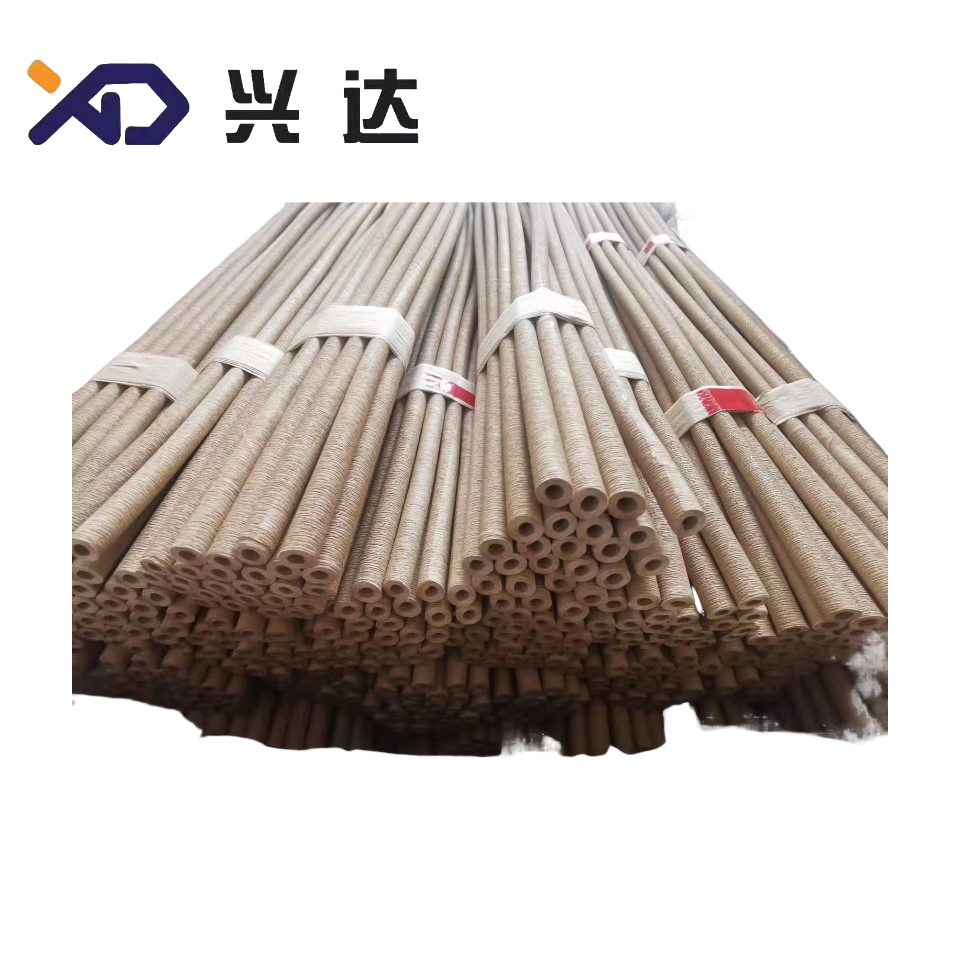
Solid cellulose insulation materials are the main structural insulation materials of transformers, mainly including insulating paper and pressboard made from pure wood pulp. These cellulose materials have excellent electrical insulation performance, high mechanical strength and good oil absorption compatibility, and can be tightly combined with insulating oil to form an oil-paper composite insulation system. Insulating paper is mainly used for winding turn-to-turn insulation, layer insulation and wire wrapping insulation, while insulating pressboard with higher hardness and thickness is used for main insulation structures such as winding spacing, end insulation and support insulation.
The performance of cellulose insulation directly restricts the service life of transformers. Under long-term high-temperature operation, cellulose will undergo thermal aging, hydrolysis and oxidation reactions, resulting in reduced polymerization degree, increased brittleness and decreased insulation performance. Therefore, in the manufacturing process of transformers, strict drying and vacuum oil impregnation processes are required to remove moisture and air in cellulose materials, so as to improve the insulation stability and aging resistance of the oil-paper system. At present, thermally upgraded insulating paper has been widely used. Through chemical modification, it can effectively inhibit thermal aging and improve the long-term operating temperature resistance of insulation structures.
In addition to traditional cellulose materials, modern transformers also use a variety of high-performance polymer insulation materials. Epoxy resin and epoxy pressing plates have high mechanical strength, excellent electrical insulation and stable chemical properties, and are often used for transformer fixture insulation and partial structural insulation. Polyester film and aramid paper have ultra-thin thickness, high temperature resistance and high breakdown field strength, which are suitable for fine insulation of high-precision and high-voltage transformers. These new polymer materials make up for the defects of traditional cellulose materials such as poor high-temperature resistance and low mechanical rigidity, and optimize the overall insulation performance of transformers.
In the operation process of transformers, insulation materials will face multiple aging factors, including electrical aging caused by long-term electric field, thermal aging caused by temperature rise, mechanical aging caused by vibration and impact, and environmental aging caused by moisture and oxidation. The aging of insulation materials is irreversible. With the extension of operation time, insulation performance will gradually decline, which is the main cause of transformer faults. Therefore, regular detection of insulation resistance, dielectric loss and aging degree of insulating oil and paper is an important part of transformer condition maintenance.
In conclusion, insulation materials are the cornerstone of transformer safe and stable operation. The traditional oil-paper composite insulation system is still the mainstream of power transformer application by virtue of its mature performance and high cost performance. With the development of ultra-high voltage power grids, intelligent power equipment and environmental protection power industry, high temperature resistance, flame retardant, environmental friendly and long-life new insulation materials have become the main development direction. Continuous optimization and innovation of insulation materials and processing technologies can effectively improve the reliability and service life of transformers, and provide solid technical support for the safe and efficient operation of modern power systems.