DIN Bushing
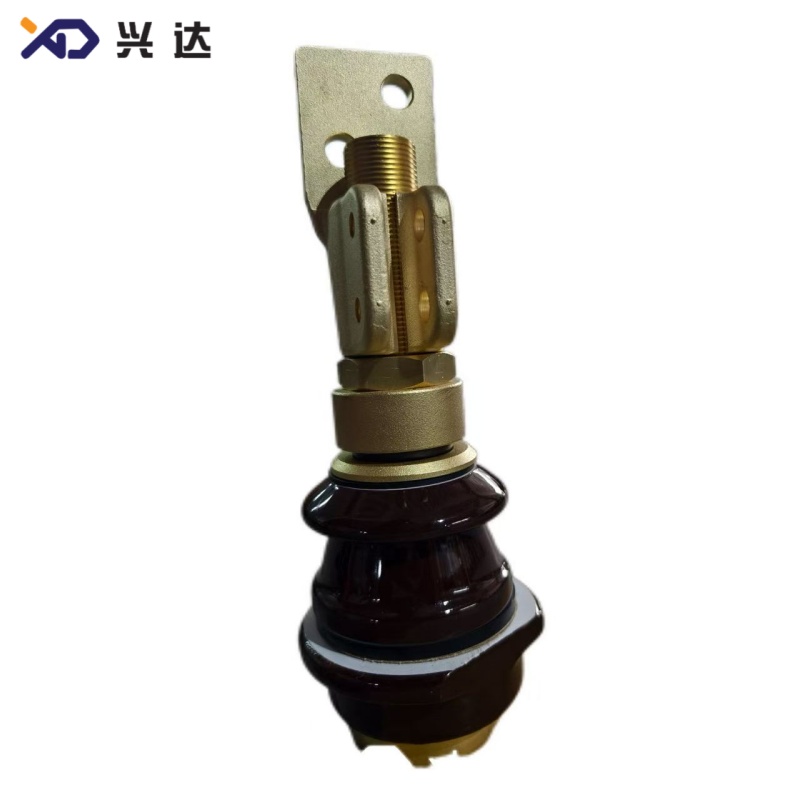
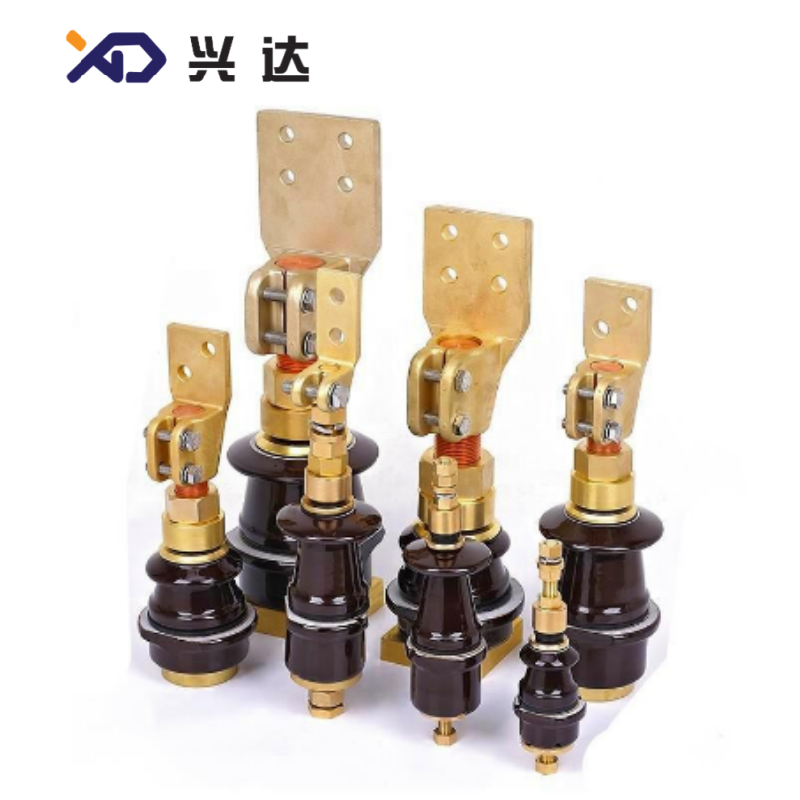
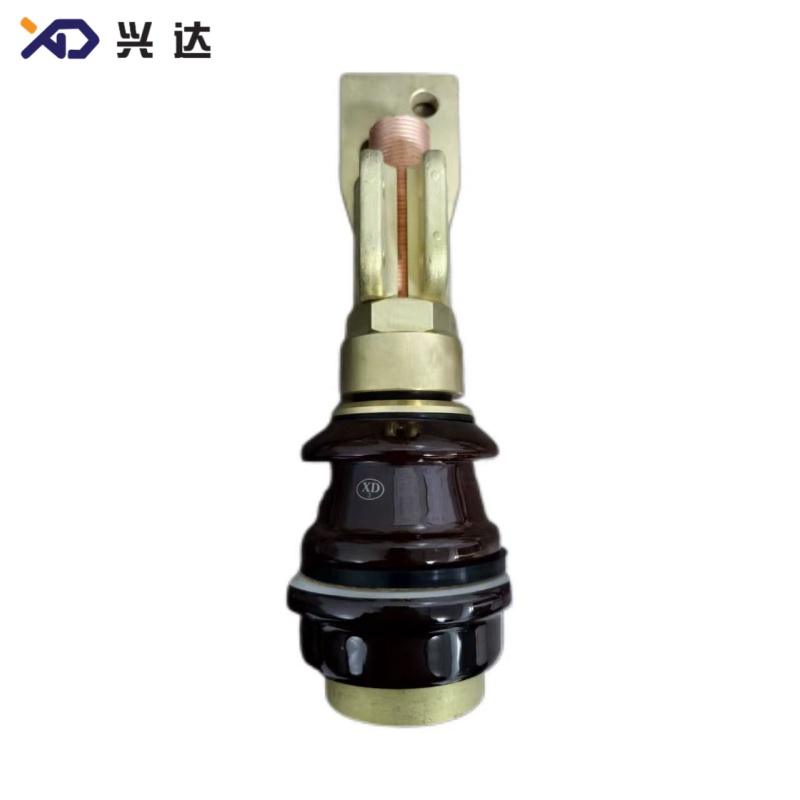
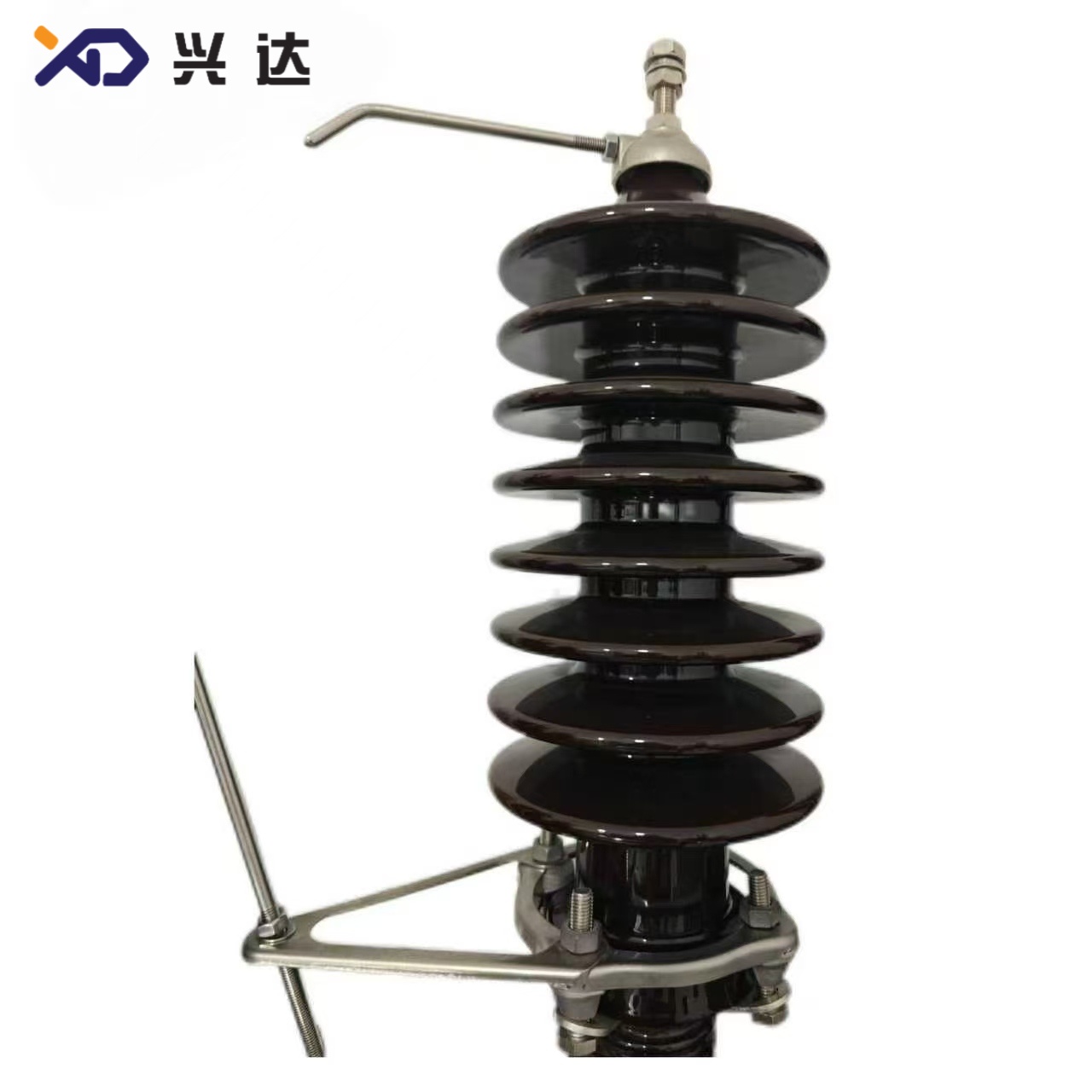
Performance and Application Analysis of DIN Standard Transformer Bushings
1. Basic Overview of DIN Standard Transformer Bushings
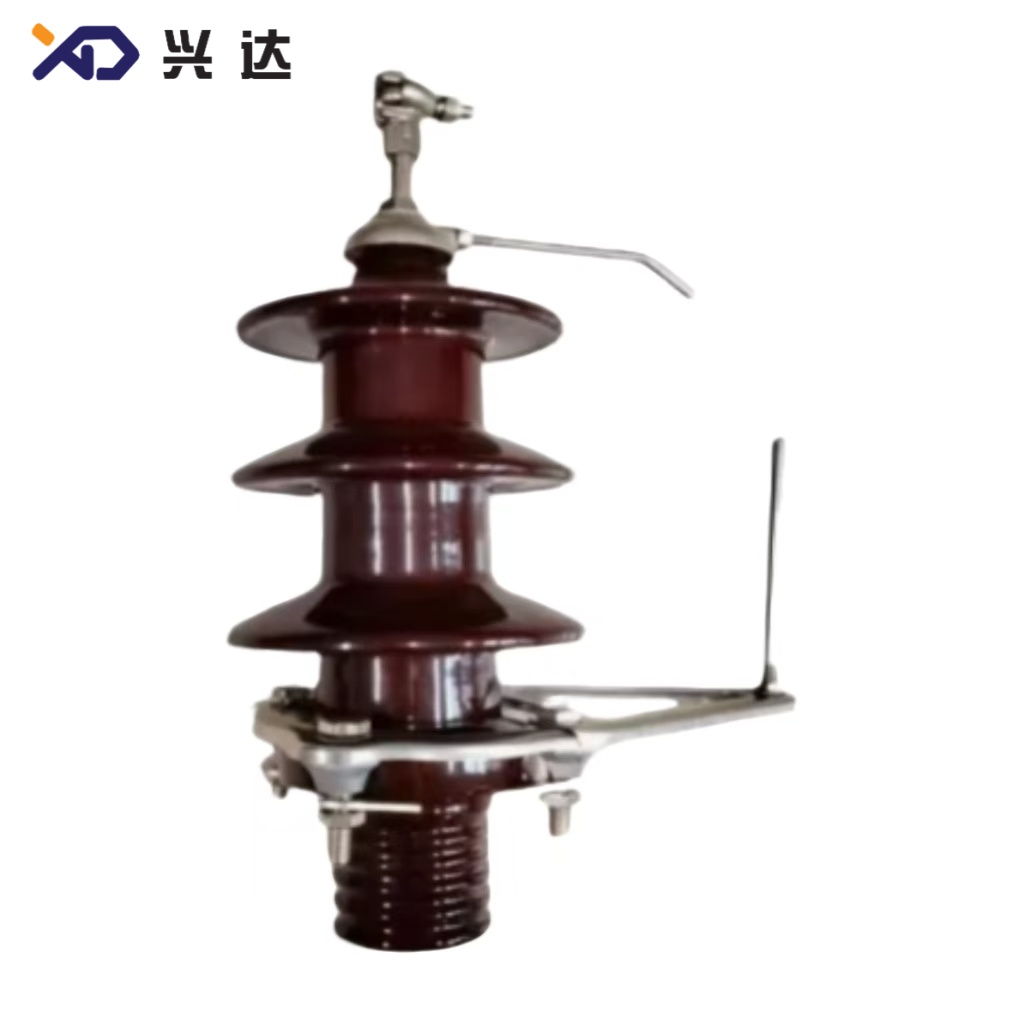
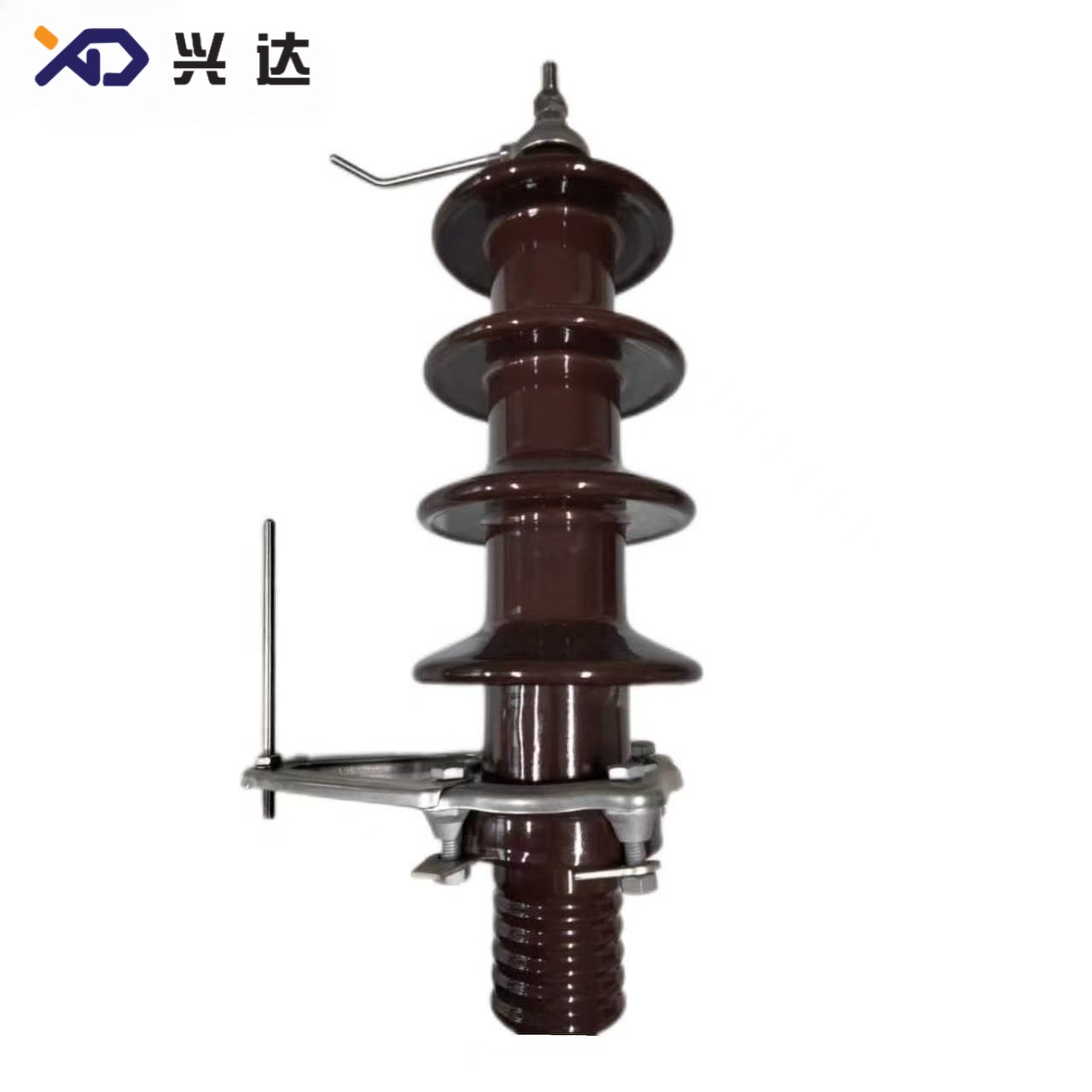
DIN standard transformer bushings are core insulating and current-leading components formulated based on German Institute for Standardization (DIN) and unified European EN electrical standards, specially developed for oil-immersed power transformers, reactors and high-voltage power transmission and distribution equipment. As a key penetration component connecting the internal conductive circuit and external power grid of transformers, the bushing undertakes dual core functions of insulating isolation and current transmission. It can stably lead high-current conductors out of the grounded transformer tank while maintaining reliable insulation between live parts and metal shell, ensuring the electrical safety and structural integrity of the entire power equipment system. Different from conventional national standard bushings, DIN-standard transformer bushings adopt strict European industrial design specifications in structural dimensioning, insulation matching, pressure resistance and sealing performance, with higher manufacturing precision and environmental adaptability. In outdoor and industrial harsh operating environments, the structural stability, partial discharge control and anti-aging performance of DIN bushings are significantly optimized, which can effectively adapt to long-term load fluctuation, temperature alternating impact and outdoor environmental erosion. With the continuous integration of global power equipment standards, DIN transformer bushings have been widely used in European power grids, overseas engineering projects and domestic high-end exported transformer equipment. Mastering the basic performance characteristics and application specifications of DIN standard bushings is essential for standardizing transformer accessory selection, improving equipment operation stability, and ensuring the compliance and safety of international power engineering projects.
2. Core Characteristics, Technical Advantages and Typical Application Scenarios
DIN standard transformer bushings have formed standardized and serialized technical systems in terms of structural design, insulation configuration and process manufacturing, with prominent industry characteristics and practical application advantages compared with ordinary bushings. In terms of core characteristics, this series of bushings strictly follows DIN 43772 and EN 50180 unified standard specifications, adopting metric thread structure, standardized installation size and graded creepage distance design. The products are mainly made of high-strength porcelain insulation or epoxy resin composite materials, matched with metal conductive cores and multi-layer sealing structures, featuring compact structure, precise dimensional tolerance and standardized assembly. In terms of electrical performance, DIN bushings achieve extremely low partial discharge level, with the partial discharge control value stably controlled within 5pC, effectively avoiding insulation deterioration and aging failure caused by long-term partial discharge operation. In terms of environmental adaptability, the product integrates high-pressure resistance, low-temperature resistance and anti-corrosion performance, adapting to complex working conditions such as high humidity, salt spray and extreme temperature alternation. The core technical advantages are reflected in three aspects: high operational reliability, strong standard compatibility and low full-cycle maintenance cost. Firstly, the standardized structural design eliminates assembly errors caused by dimensional differences, ensuring high matching with European standard transformers and accessory parts and realizing interchangeable installation. Secondly, the optimized insulation and sealing process effectively prevents insulating oil leakage, moisture penetration and external dust intrusion, maintaining long-term stable electrical and mechanical performance. Thirdly, the high-strength insulating material has excellent anti-aging and anti-fouling flashover capabilities, reducing equipment failure rate and extending service life. In terms of application scenarios, DIN standard transformer bushings are widely applicable to European standard outdoor oil-immersed transformers, box-type substation transformers, wind power and photovoltaic supporting power transformation equipment, and exported high-voltage distribution transformers. They cover industrial and mining power distribution, coastal overseas projects, European grid supporting facilities and other scenarios, and are the mainstream matching accessories for transformer equipment that meets EU electrical safety certification standards. With the acceleration of power equipment internationalization, DIN bushings have become an indispensable core component for ensuring the standardized and safe operation of cross-border power engineering equipment.
3. DIN Standard Transformer Bushing Technical Parameter Table
Parameter Item | Technical Specification |
|---|---|
Executive Standard | DIN 43772, EN 50180 |
Rated Voltage Level | 1kV ~ 3kV |
Rated Current Range | 250A ~ 630A |
Power Frequency Withstand Voltage (1min) | 84kV |
Lightning Impulse Withstand Voltage (BIL) | 200kV |
Maximum Partial Discharge Value | ≤5pC @ 42kV |
Standard Thread Specification | M12×1.75 Metric Thread |
Creepage Distance | ≥120mm |
Dry Arc Distance | ≥89mm |
Adapted Insulating Medium | Mineral Oil / Ester Oil |
Operating Temperature Range | -40℃ ~ +85℃ |
Protection Grade | IP67 |
4. FAQ on DIN Standard Transformer Bushings
1. What are the differences between DIN standard bushings and ordinary national standard bushings?DIN standard bushings strictly follow European unified standards in dimensional accuracy, electrical parameters and structural design, adopting metric thread and standardized installation dimensions with high part interchangeability. They have lower partial discharge values, higher voltage withstand strength and more precise sealing structure, which are more suitable for exported transformers and European grid projects. Ordinary national standard bushings have relatively loose parameter tolerance and are mainly applicable to domestic conventional power distribution scenarios, with no matching compatibility with DIN standard equipment.
2. Are DIN standard bushings suitable for long-term outdoor operation?Yes. DIN standard transformer bushings are designed for all-weather outdoor working conditions. They adopt high-strength anti-aging insulating materials and multi-layer waterproof and dustproof sealing structure, with IP67 high protection grade. The products have excellent anti-corrosion, anti-fouling flashover and temperature resistance capabilities, which can stably adapt to outdoor wind, rain, sand and salt spray environments, and maintain stable insulation and mechanical performance for a long time.
3. How to maintain DIN standard bushings in daily operation?Daily maintenance is simple and efficient. Regularly clean the surface dust and dirt of the bushing to avoid fouling accumulation causing flashover discharge. Regularly check the sealing structure for aging, oil leakage and water seepage. Inspect the surface of the insulating sleeve for cracks, damage and discharge traces every quarter. Avoid strong external impact and long-term overload operation. Regular partial discharge detection can be carried out during annual maintenance to ensure stable electrical performance.
4. Is it necessary to use professional matching accessories for installation?Yes. DIN standard bushings have highly standardized dimensional and structural parameters. It is necessary to adopt DIN standard matching gaskets, fasteners and connecting accessories for installation, which can ensure the tightness and assembly accuracy of the structure, avoid oil leakage and insulation hidden dangers caused by mismatched accessories, and ensure the safe and stable operation of the equipment.
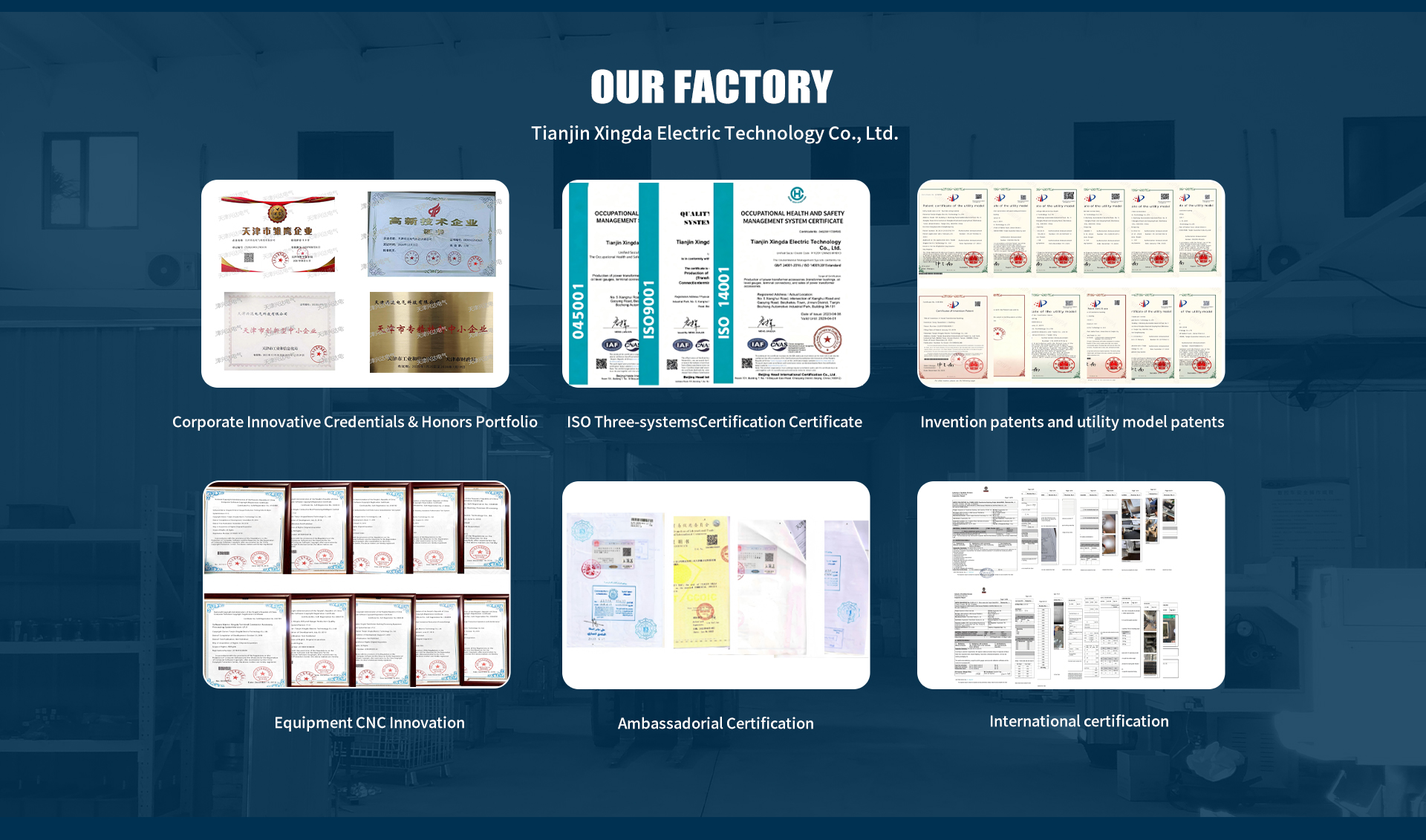
5.Certifications
Categories
Contact Us
Contact: Tianjin Delda Trading Co., Ltd
WhatsApp: +86 13662056855
Tel:
E-mail: solomon20210701@tjxddq.com
Add: Unit‑101, Workshop 3, Bozhong Automobile Industrial Park, No.5 Xianghui Road, Intersection of Xianghui Road and Gaoying Road, Beizhakou Town, Jinnan District, Tianjin, China