ANSI Bushing
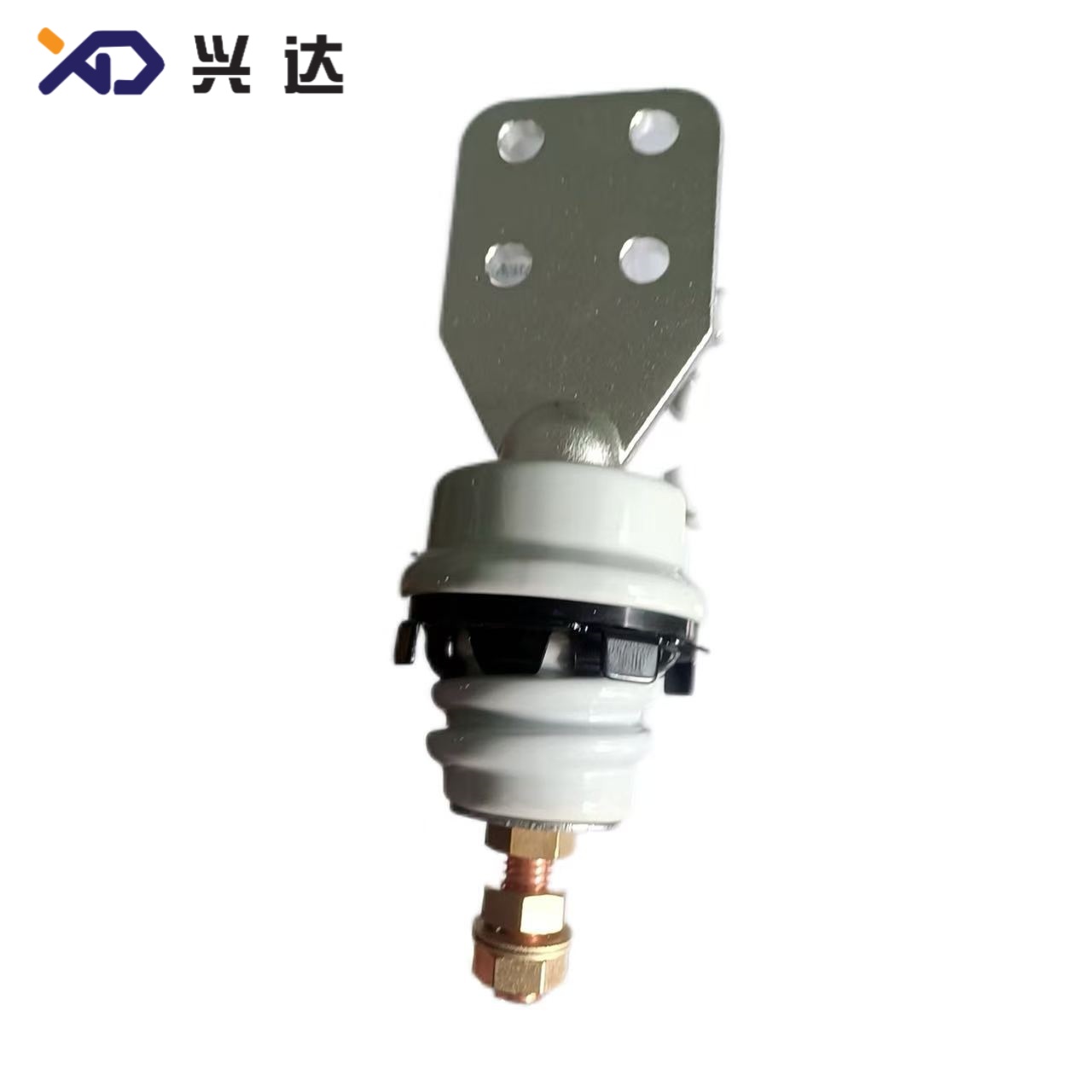
Working Principle, Maintenance Guide and Specification Breakdown of Low‑Voltage ANSI Transformer Porcelain Bushing
Working Principle, Maintenance Guide and Specification Breakdown of Low‑Voltage ANSI Transformer Porcelain Bushing
Basic Introduction of ANSI Transformer Bushing
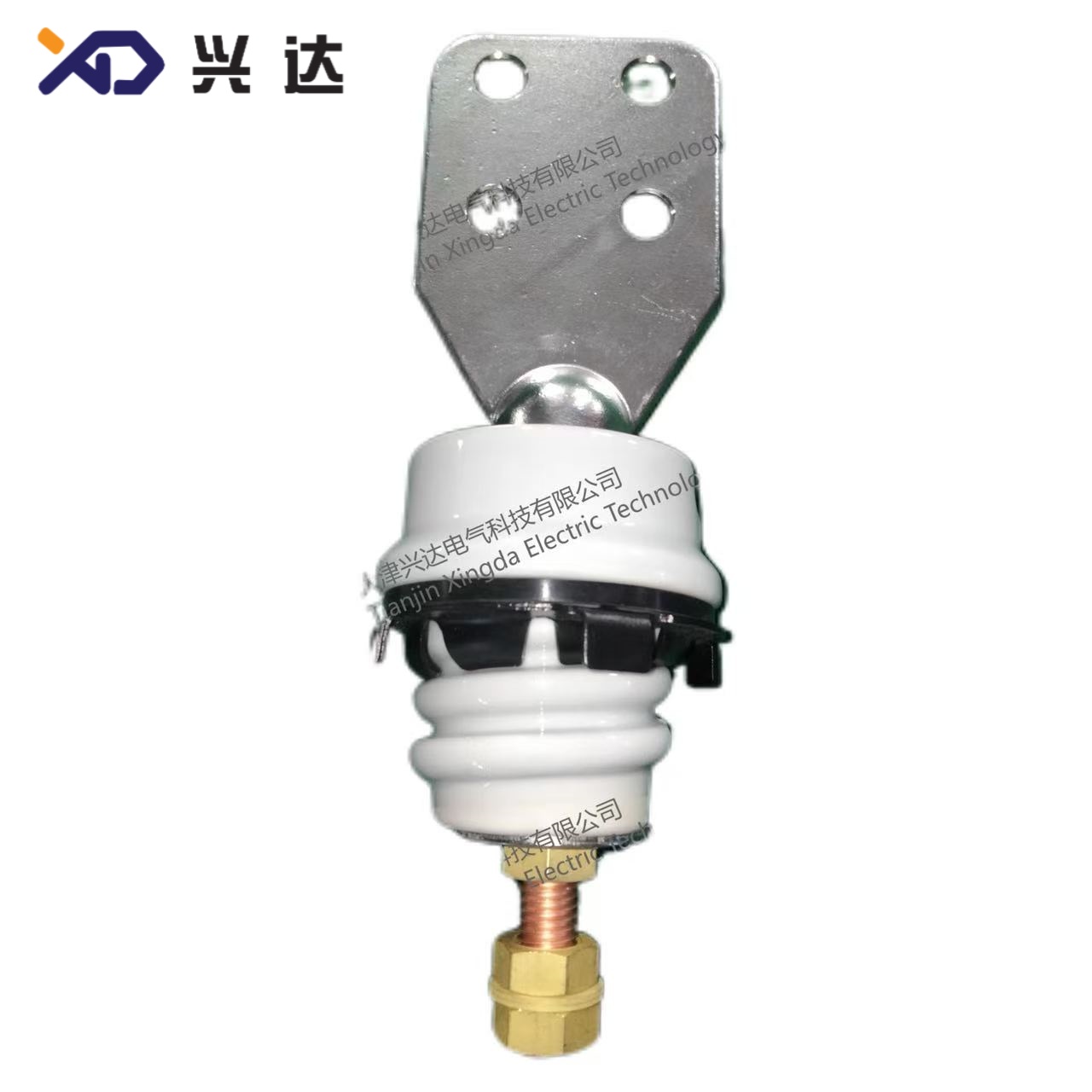
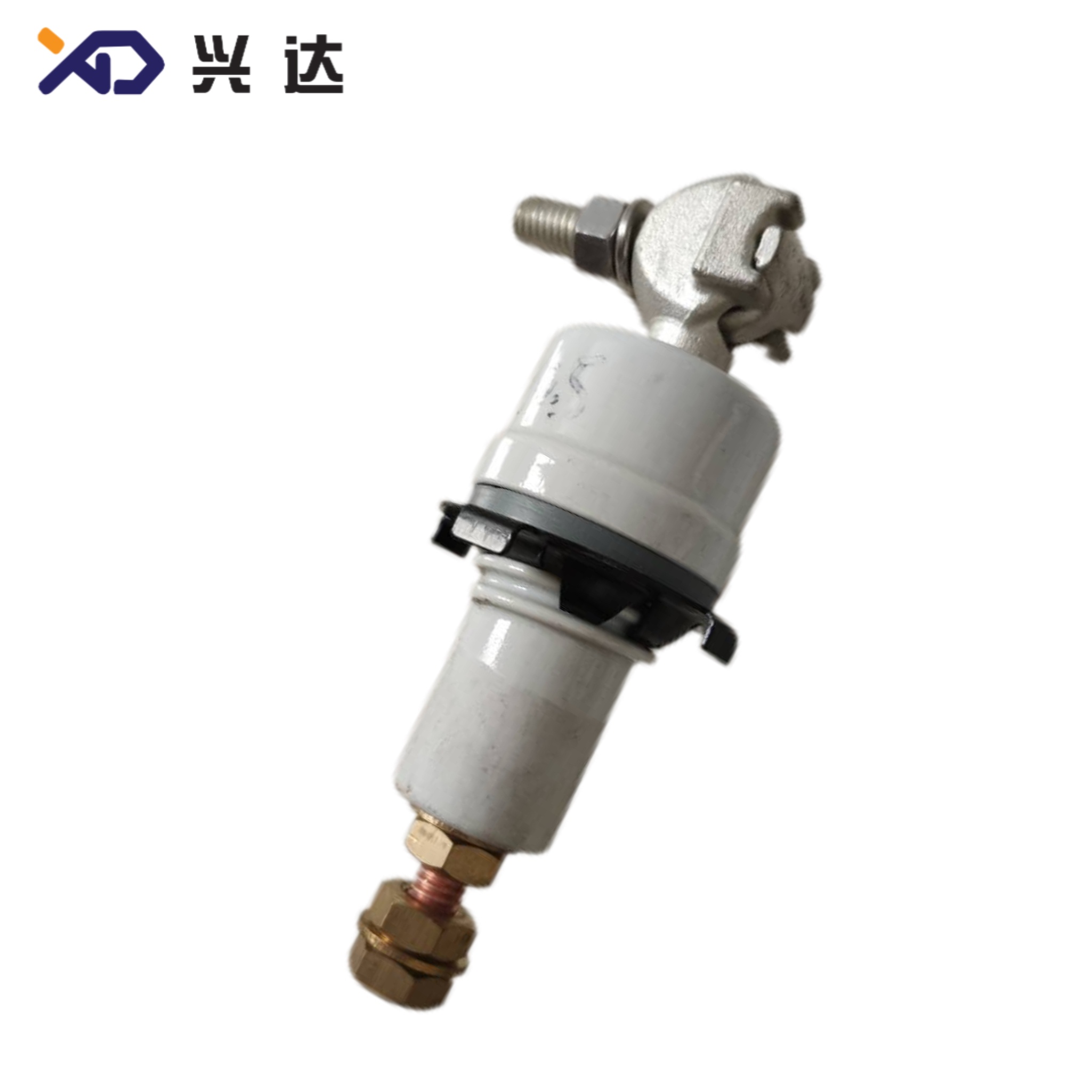
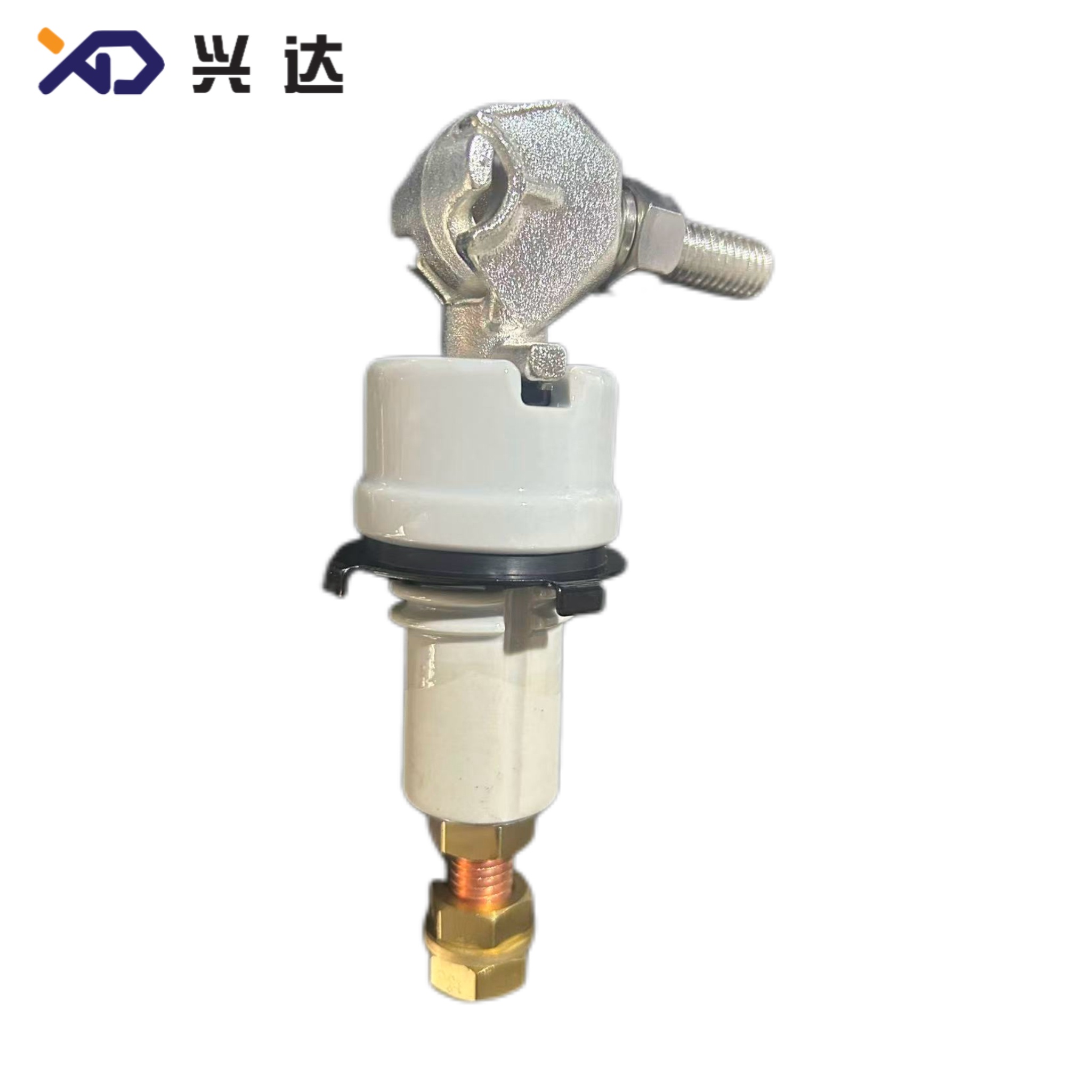
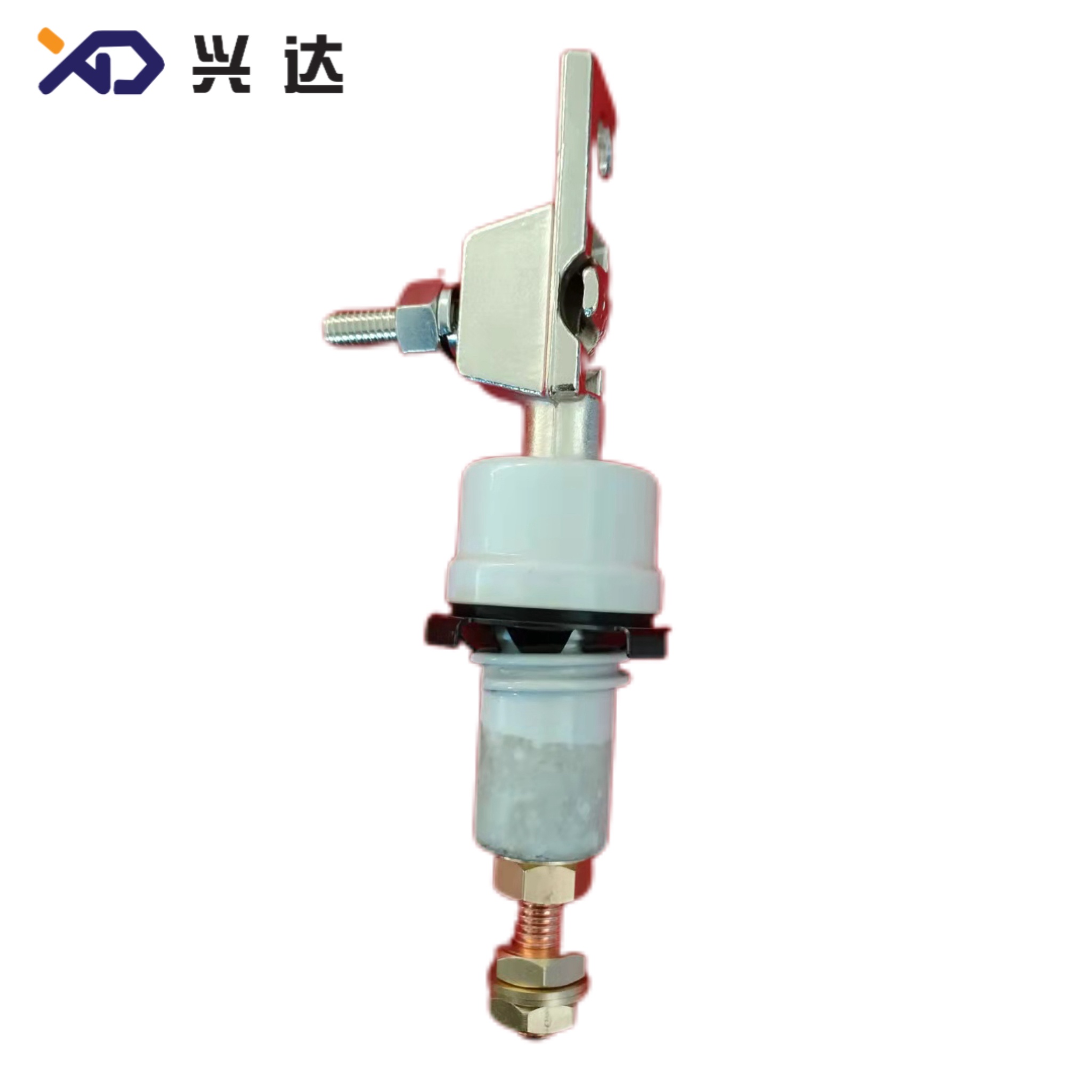
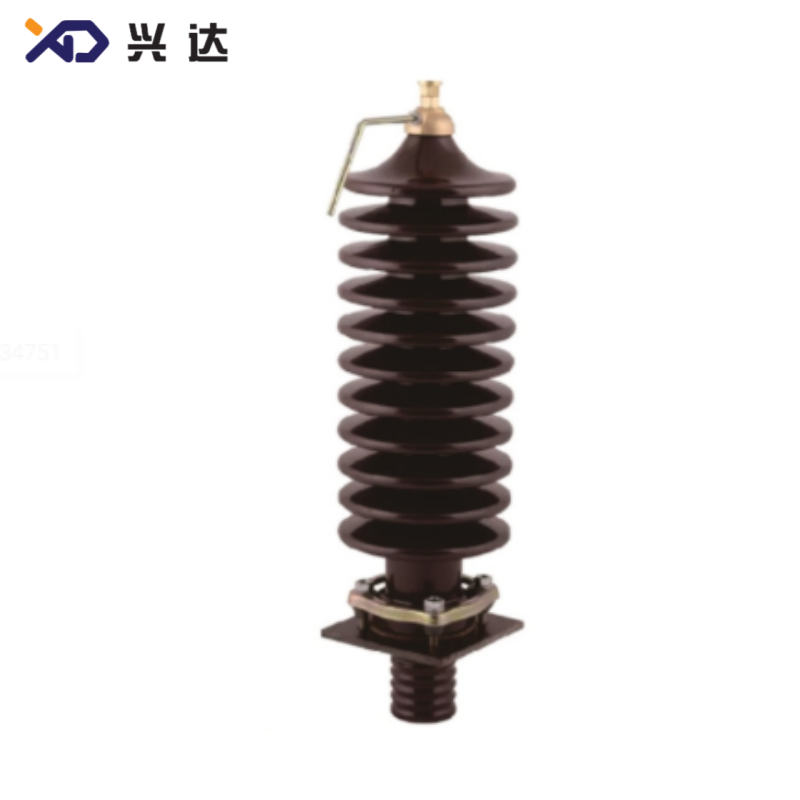
ANSI transformer bushing is the essential through‑wall insulator which follows American National Standards Institute electrical‑equipment codes, designed to carry transformer winding conductors through the grounded metal oil‑immersed transformer tank. The widely‑used 1.2kV low‑voltage ANSI porcelain bushing works on the secondary‑side circuit of single‑phase distribution transformers, with continuous‑current specifications covering 125A up to 250A. Its core porcelain insulating shell separates live electric conductors and the earthed transformer cabinet, blocking electric‑current leakage and offering stable mechanical support for external wiring terminals. All standard ANSI bushings share unified flange dimension, mounting‑bolt layout, thread parameters and minimum creepage‑distance rules. The standardized design enables universal spare‑part replacement for different transformer‑brand equipment, lowering maintenance expense for power‑grid operators. Multiple terminal‑structure types including single‑bolt,single‑hole, double‑hole and four‑hole spade lugs satisfy diverse cable‑connection needs.
Working Principle, Standout Advantages and Multi‑Scene Usage
Internal Working Principle
When alternating current flows through the metal conductor running through the ANSI bushing, the thick glazed‑porcelain layer supplies high dielectric resistance and stops electric‑current flowing toward the grounded transformer tank. The uneven creepage surface lengthens the outdoor discharge path and prevents surface flash‑over under damp, dirty weather. The bottom sealing rubber ring seals the gap between bushing base and transformer tank, stopping insulating‑oil outflow and humid air entering the transformer‑oil chamber. The top metal spade‑terminal creates low‑resistance connection points for external power cables.
Major Competitive Strengths
First, the unified ANSI industrial standard delivers full dimensional interchangeability, helping power‑utility teams cut spare‑part stock categories and speed up emergency transformer repair. Second, high‑density fired‑porcelain material brings outstanding thermal‑shock resistance, salt‑fog corrosion resistance and anti‑pollution capacity, well‑suited for harsh outdoor working conditions. Third, fixed‑size creepage distance greatly raises the flash‑over threshold on the insulator surface during rainy and foggy days. Fourth, multi‑hole flat spade terminals expand wiring contact surface and effectively reduce connection‑point temperature rise under rated load. Fifth, mature manufacturing technology stabilizes production‑batch quality and lowers long‑term equipment‑failure probability.
Rich Application Environments
Low‑voltage ANSI porcelain bushings are primarily fitted for secondary‑side terminals of single‑phase pole‑mounted distribution transformers in urban and rural power grids. They are also widely adopted by oil‑immersed transformers for factory power supply, commercial‑building distribution equipment, off‑grid generator‑set transformers, mining low‑voltage power‑transfer facilities and overseas transformer export projects that follow American electrical standards.
Complete Dimension and Electrical‑Parameter Specification Table for 1.2kV ANSI Bushing (125A‑250A)
表格
| S/N | Model | H mm | h1 mm | h2 mm | Md Thread | Φd mm | B mm | n*Φd1 mm | t mm | Creepage Distance mm | Code |
|---|---|---|---|---|---|---|---|---|---|---|---|
| 1 | ANSI‑1.2KV‑125A‑single bolt | 150 | 81 | 29 | 3/8‑16UNC | 16 | 29 | 1*14 | 6.35 | 25 | 12XD.401.001 |
| 2 | ANSI‑1.2KV‑125A‑single hole | 165 | 81 | 29 | 3/8‑16UNC | 16 | 29 | 1*14 | 6.35 | 25 | 12XD.401.001 |
| 3 | ANSI‑1.2KV‑125A‑double hole | 181 | 81 | 29 | 3/8‑16UNC | 16 | 76.2 | 2*14 | 6.35 | 25 | 12XD.MBTG.055 |
| 4 | ANSI‑1.2KV‑125A‑four holes | 218 | 81 | 29 | 3/8‑16UNC | 16 | 88.9 | 4*14 | 6.35 | 25 | 12XD.MBTG.090 |
| 5 | ANSI‑1.2KV‑250A‑single bolt | 165 | 81 | 39 | 1/2‑13UNC | 21 | 29 | 1*14 | 6.35 | 25 | 12XD.401.003 |
| 6 | ANSI‑1.2KV‑250A‑single hole | 175 | 81 | 39 | 1/2‑13UNC | 21 | 29 | 1*14 | 6.35 | 25 | 12XD.401.002‑2 |
| 7 | ANSI‑1.2KV‑250A‑double hole | 191 | 81 | 39 | 1/2‑13UNC | 21 | 76.2 | 2*14 | 6.35 | 25 | 12XD.401.002 |
| 8 | ANSI‑1.2KV‑250A‑four holes | 228 | 81 | 39 | 1/2‑13UNC | 21 | 88.9 | 4*14 | 6.35 | 25 | 12XD.401.003‑1 |
Transformer‑assembly workers choose short‑height bolt‑type bushings for narrow installation‑space equipment and select multi‑hole spade terminals for large‑current parallel‑cable wiring work.
Comprehensive FAQ About ANSI Transformer Bushing Operation and Maintenance
1
How long can qualified ANSI porcelain transformer bushing serve Under normal‑pollution outdoor‑grid conditions, well‑installed and properly‑maintained ANSI porcelain bushings deliver 25‑35‑year service life. Harsh environments including coastal salt fog, heavy industrial dust and frequent lightning strikes will shorten usable life. Routine maintenance can effectively extend insulator working cycles.
2
What steps make up standard ANSI‑bushing maintenance workflow First, carry out quarterly or annual visual inspection for porcelain‑shell cracks, chips and surface dirt buildup. Second, wipe contaminated insulating surfaces with soft dry cloth or neutral cleaning agent. Third, check the bottom sealing gasket for transformer‑oil leakage and replace ageing rubber rings on time. Fourth, fasten loose terminal bolts to cut wiring‑joint contact resistance. Fifth, avoid heavy mechanical collision to the fragile porcelain shell during transformer maintenance.
3
What dangers will broken ANSI‑bushing porcelain body bring Cracks on the glazed porcelain layer allow moisture and dust to penetrate the insulator interior, lowering dielectric strength. Surface electric‑leakage current will trigger flash‑over short‑circuit accidents, transformer damage and local power‑grid blackout. Cracked bushings need immediate replacement and cannot run with hidden defects.
4
What differences exist between 125A and 250A ANSI‑standard bushing 250A‑grade bushings adopt larger‑size 1/2‑13UNC connecting threads and bigger‑diameter central conductors to bear heavier continuous current. The h2 installation‑section height is increased from 29mm to 39mm for better heat dissipation. 125A‑rated models use smaller‑size 3/8‑16UNC threads for low‑current wiring.
5
Can ANSI low‑voltage bushing work on high‑voltage transformer primary‑side terminals
No. This series of ANSI bushings are rated for 1.2kV low‑voltage operation only. High‑voltage primary‑side transformer terminals need special high‑voltage ANSI bushings with upgraded creepage distance and insulating thickness.
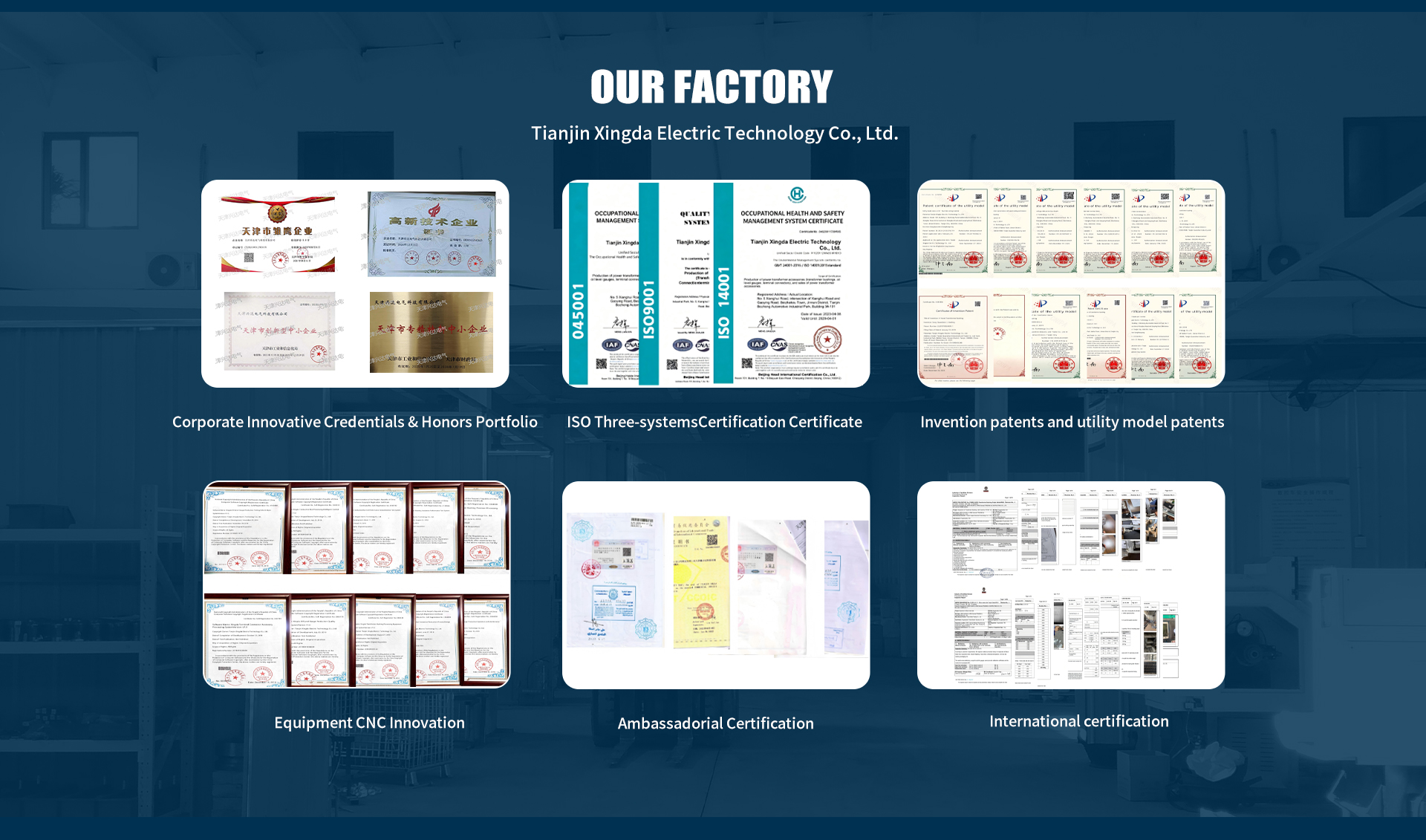
Required Industry Qualification Certificates for ANSI Transformer Bushing Products
Categories
Contact Us
Contact: Tianjin Delda Trading Co., Ltd
WhatsApp: +86 13662056855
Tel:
E-mail: solomon20210701@tjxddq.com
Add: Unit‑101, Workshop 3, Bozhong Automobile Industrial Park, No.5 Xianghui Road, Intersection of Xianghui Road and Gaoying Road, Beizhakou Town, Jinnan District, Tianjin, China