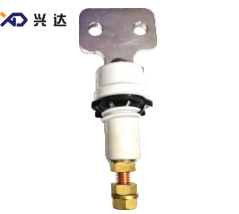
Transformer brass flag
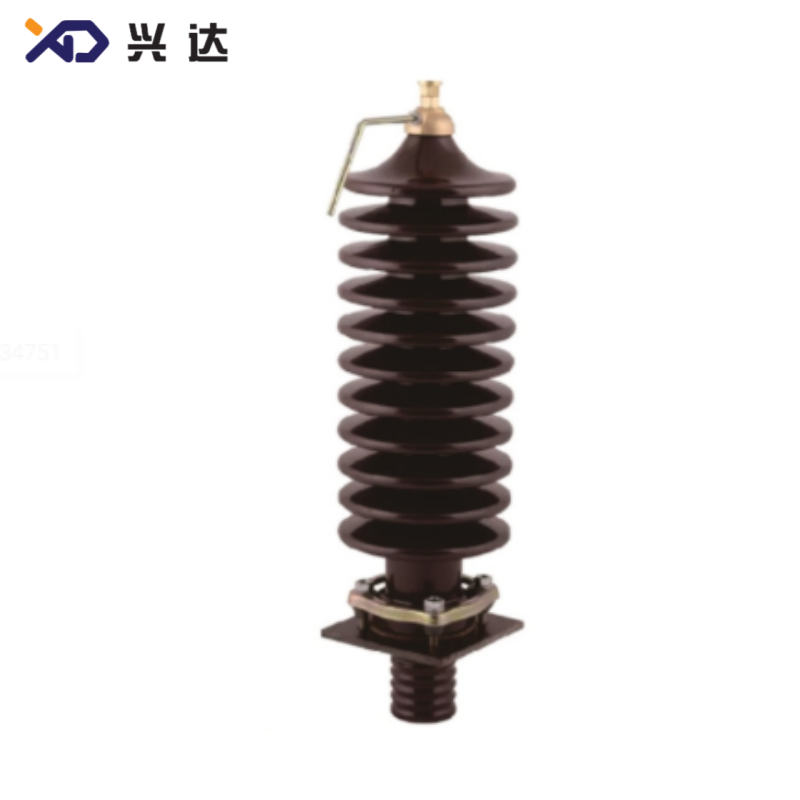
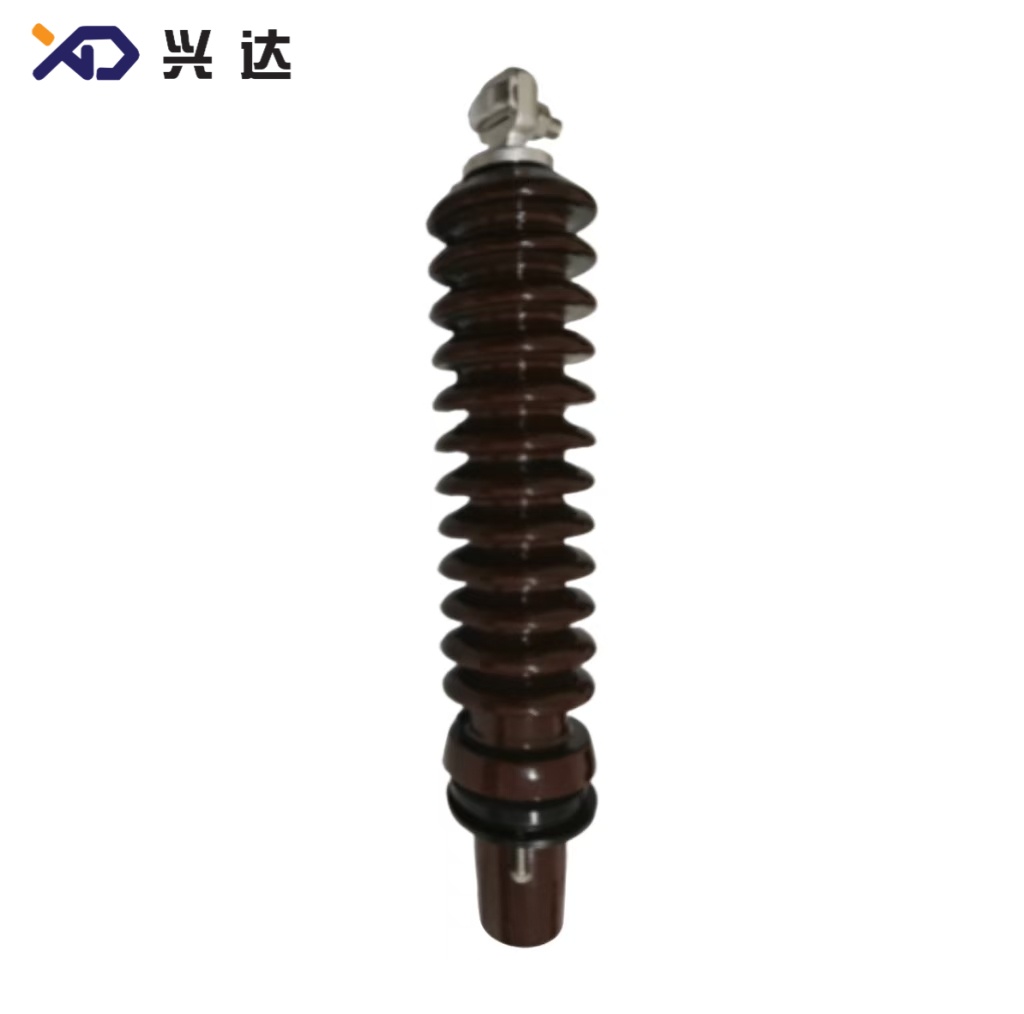
Insulator
Insulator
Definition:
An insulator is a device installed between conductors at different potentials or between conductors and ground potential components, capable of withstanding voltage and mechanical stress. It is a specialized insulating component that plays a crucial role in overhead transmission lines. Early insulators were primarily used on utility poles. Over time, they evolved to be mounted in clusters on the ends of tall high-voltage transmission towers. These disc-shaped insulating bodies, typically made of glass or ceramic, are called insulators and serve to increase creepage distance. Insulators must not fail due to various electromechanical stresses caused by changes in environmental and electrical load conditions. Otherwise, they would fail to perform their critical function, compromising the operational lifespan and reliability of the entire power line.
Introduction:
An insulator (insulator) is a regulatory sequence approximately several hundred nucleotides long, typically located between a promoter and either a positive regulatory element (enhancer) or a negative regulatory factor (heterochromatin). The insulator itself exerts neither positive nor negative effects on gene expression; its function is solely to prevent other regulatory elements from activating or deactivating the gene.
Directionality:
The function of insulators is directional, a property discovered in Drosophila experiments. In Drosophila melanogaster, insertion of the gypsy transposon into the y-chromosome yellow locus causes y gene inactivation in some tissues while preserving activity in others. This phenomenon arises because one end of the gypsy transposon contains an insulator sequence. When gypsy inserts at different positions within the y/gene locus, it produces varying effects on gene activity. This occurs because y gene activity is regulated by four enhancers. When the insulator inserts precisely upstream of the promoter, it blocks gene activation in wing blade and body cuticle tissues (via upstream enhancers) while preserving y gene expression in bristles and farsal claws (via downstream enhancers). Since some enhancers are upstream of the promoter while others are downstream, the insulator's effect does not depend on its relative position to the promoter. Therefore, the reason for the directionality of the insulator effect remains unclear. Currently, two loci have been identified that influence insulator function via trans-activation. The nuclear protein encoded by gene S2J(Hw) recognizes insulators, enabling their insulating effect only upon binding. When this gene mutates, the y locus loses its insulating function despite containing an insulator insertion, resulting in y expression throughout all tissues. Another locus is mod(mdg4). Mutations in this gene produce effects opposite to Su(Hw), meaning these mutant forms enhance insulator activity. This eliminates the directionality of the insulator's effect and expands its influence, blocking the action of enhancers upstream and downstream. One explanation suggests that Su(Hw) initially binds to insulator DNA, conferring insulating effects. mod(mdg4) binds to Su(Hw), causing the insulator to lose its insulating effect; the mutated mod(mdg4) cannot bind to Su(Hw), thereby restoring the insulator's enhanced insulating function.
Camille
Categories
Contact Us
Contact: Tianjin Delda Trading Co., Ltd
WhatsApp: +86 13662056855
Tel:
E-mail: solomon20210701@tjxddq.com
Add: Unit‑101, Workshop 3, Bozhong Automobile Industrial Park, No.5 Xianghui Road, Intersection of Xianghui Road and Gaoying Road, Beizhakou Town, Jinnan District, Tianjin, China