Solar Panel
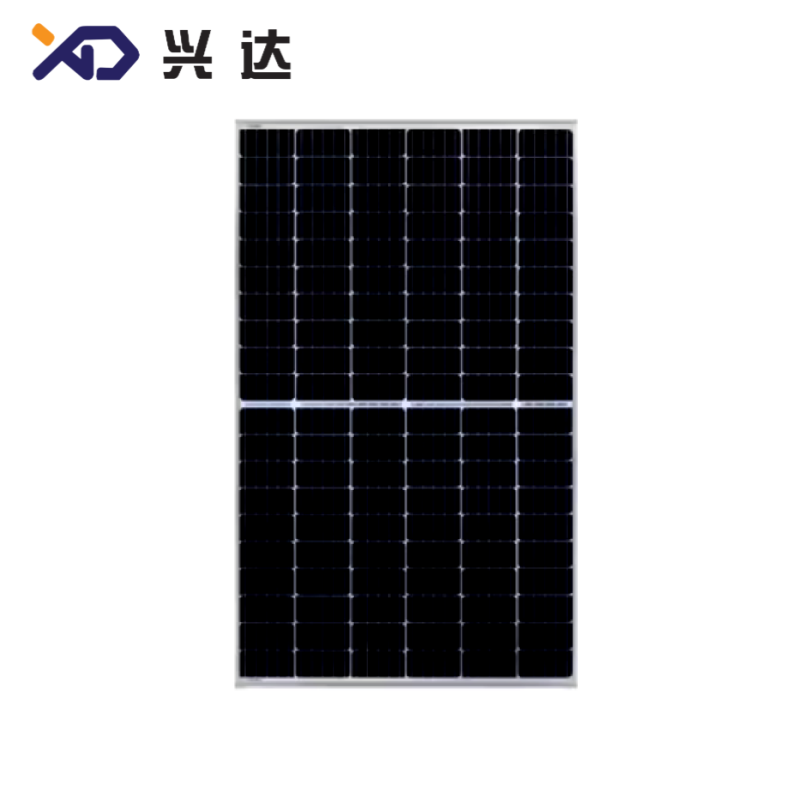
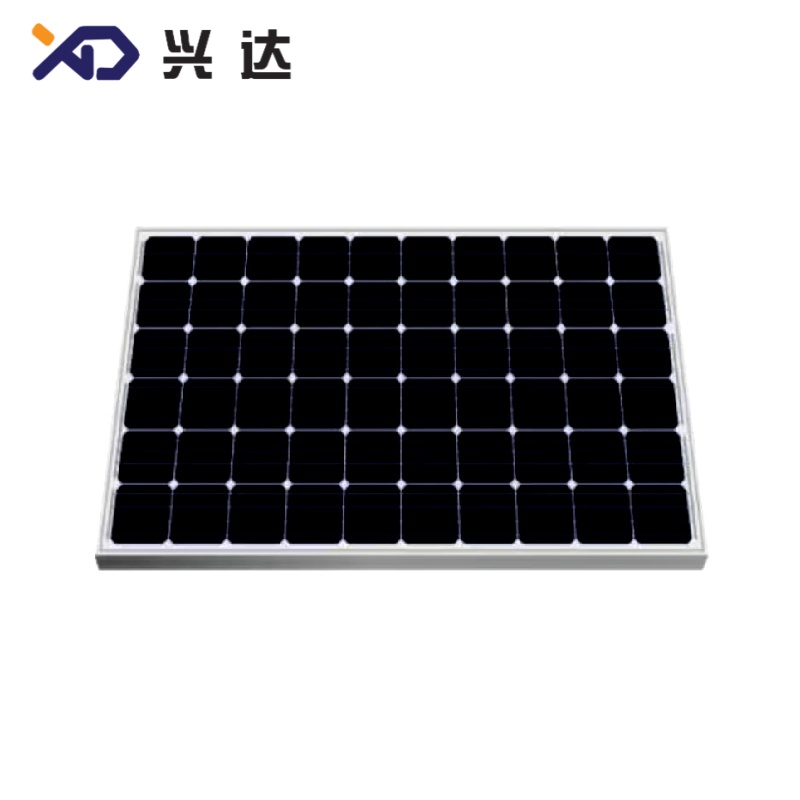
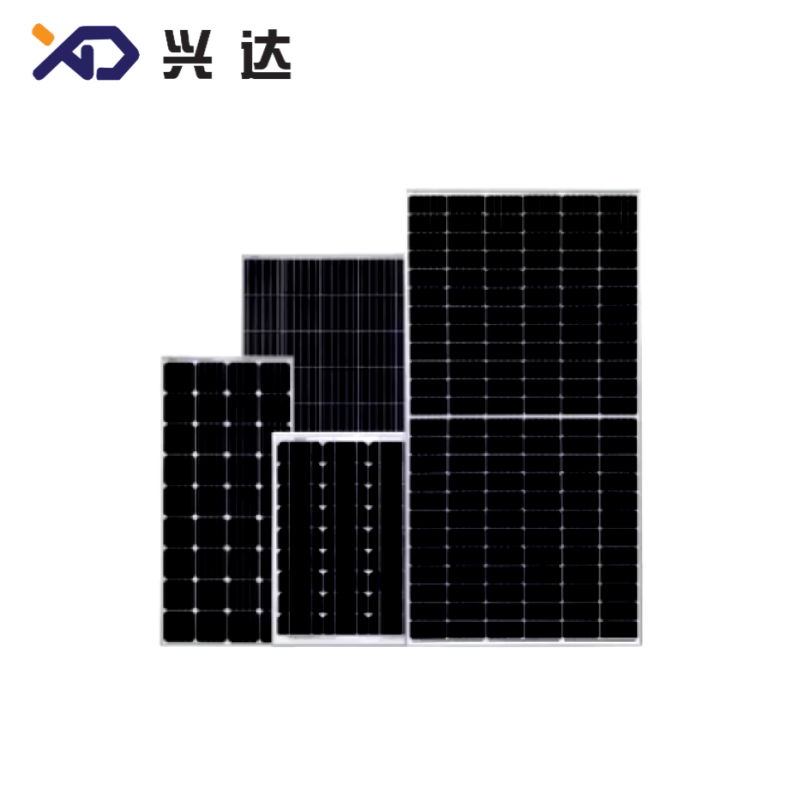
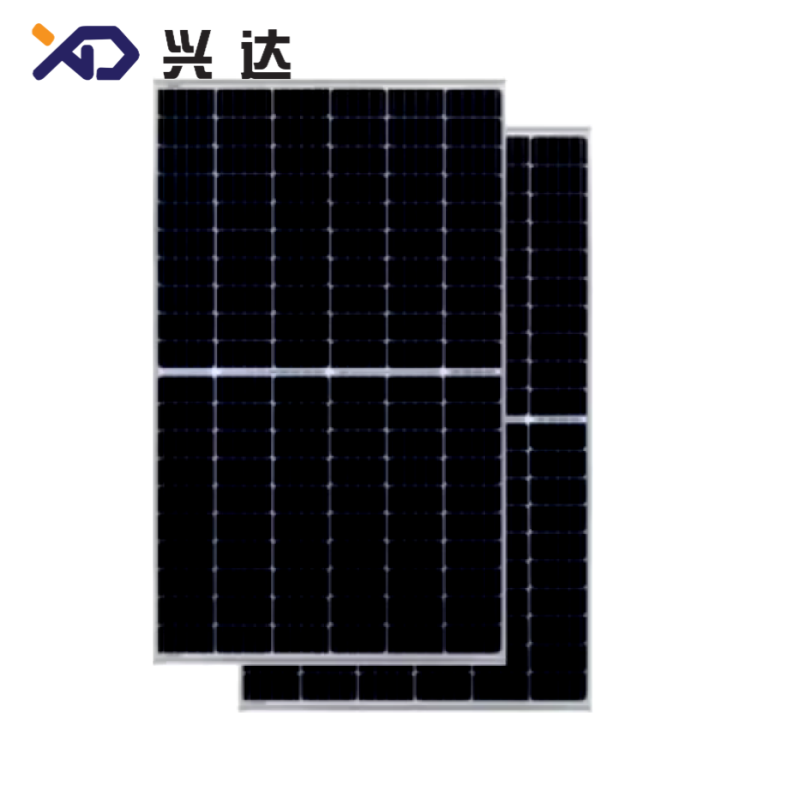
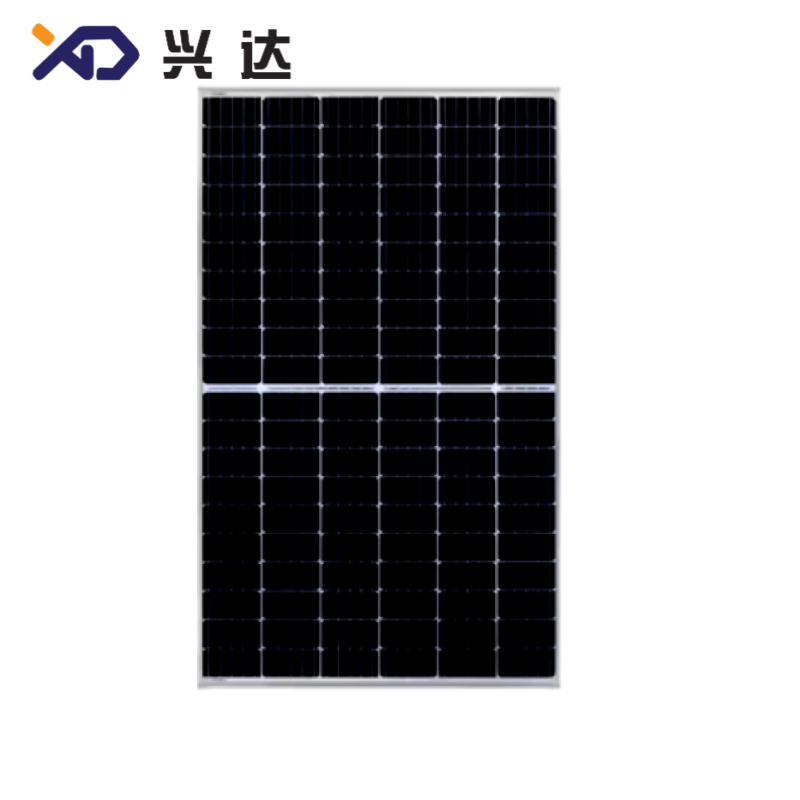
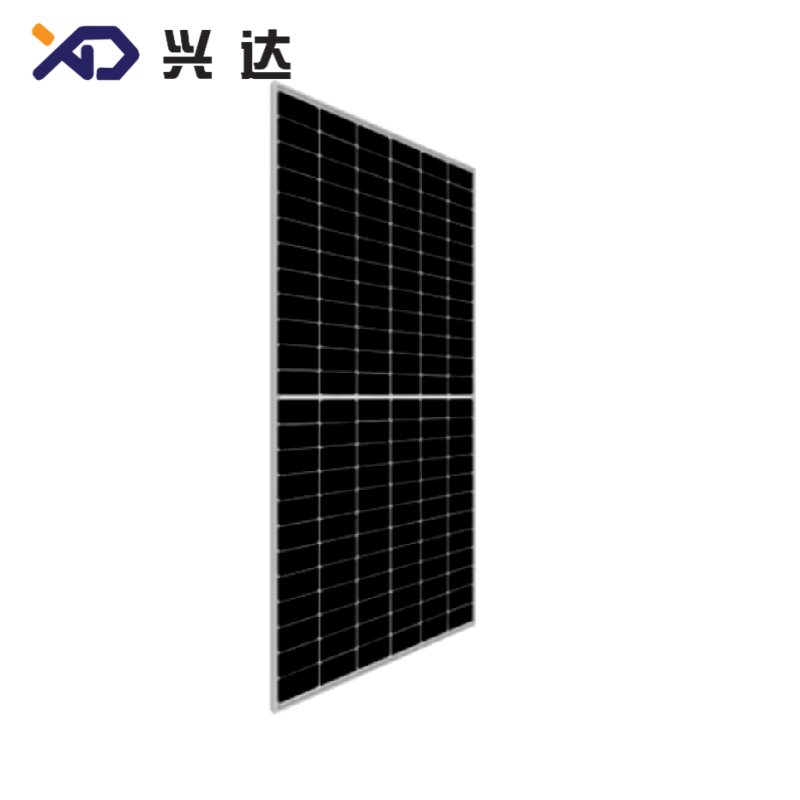
Mono Solar Panel: Definition, Advantages, Specifications and Applications
Mono Solar Panel
Introduction
Mono solar panel, also known as monocrystalline solar panel, is one of the most widely adopted photovoltaic modules within the global renewable energy sector. Built from single-crystal silicon wafers, mono solar panels deliver superior power generation performance compared to polycrystalline solar alternatives, making them a top selection for residential rooftop systems, commercial energy projects, industrial power supply solutions and large-scale utility solar farms. The term mono solar panel serves as the primary search keyword for global buyers, engineers and solar installers researching high-efficiency photovoltaic equipment for new energy deployment.
The manufacturing process of mono solar panels starts with high-purity monocrystalline silicon ingots. Manufacturers grow silicon crystals using the Czochralski method, then cut solid ingots into ultra-thin silicon wafers. Each wafer forms the base of a mono solar cell. The continuous single-crystal atomic structure minimizes electron loss during photon conversion. This core feature distinguishes mono solar panels from polycrystalline panels, which contain multiple separate silicon crystal fragments and internal grain boundaries that reduce power conversion efficiency. Modern mono solar panel designs commonly integrate PERC and half-cell technologies to further boost output and improve reliability under diverse environmental conditions.
A complete mono solar panel assembly includes monocrystalline silicon cells, anti-reflection coated tempered glass, EVA encapsulation film, weather-resistant backsheet, aluminum alloy frame and sealed junction box. Every component protects internal solar cells from rain, dust, ultraviolet radiation, thermal stress and mechanical impact. With mature production technology, mono solar panels maintain stable power output across decades of outdoor operation, supporting the long-term return on investment for solar project developers.
Definition of Mono Solar Panel
A mono solar panel is a photovoltaic module constructed from monocrystalline silicon solar cells. The single-crystal silicon material allows electrons to move freely within the cell without interruption from crystal grain boundaries. When sunlight strikes the surface of a mono solar cell, photons release electrons inside the silicon wafer. These moving electrons create direct current electricity that can be converted into alternating current for daily and industrial use via an inverter.
The half-cell mono solar panel variant splits standard mono cells into smaller segments. This design reduces internal resistance and power loss, improving module performance under partial shading conditions. PERC mono solar panels add a passivation layer to the rear side of silicon cells, capturing extra sunlight that would otherwise pass through the wafer. Both PERC and half-cell upgrades are popular modern configurations for mono solar panels in today’s photovoltaic market.
Buyers often search mono solar panel to compare technical specifications, certifications, power ratings and packaging options before placing bulk orders. Understanding standard parameters of mono solar panels helps importers and project planners select suitable modules for different climate zones and load requirements.
Core Advantages of Mono Solar Panel
High conversion efficiency. Mono solar panels achieve higher efficiency levels than polycrystalline solar panels. Standard mono modules reach efficiency ratings between 21% and 26%. Higher efficiency means more electricity can be produced within the same surface area, which is valuable for projects with limited installation space.
Strong low-light performance. Mono solar cells can capture weak irradiance on cloudy days, early mornings and late afternoons. They maintain steady power generation under suboptimal sunlight conditions better than polycrystalline solar panels.
Favorable temperature coefficient. Solar module power output declines as operating temperature rises. Mono solar panels feature a low negative temperature coefficient, limiting power loss in hot summer environments.
Extended service life. Most mono solar panel products support a 25-year linear power output warranty. After 25 years of outdoor use, qualified mono solar panels can still retain more than 80% of their original rated power.
Robust protection rating. Many mono solar panels are equipped with IP68 junction boxes. IP68 rating provides complete protection against dust ingress and prolonged immersion in water, adapting the module to harsh outdoor weather.
Reliable material quality. A-grade monocrystalline silicon raw materials reduce internal defects and ensure consistent power performance for every mono solar panel off the production line.
Convenient connection. Mono solar panels adopt MC4 connectors as the standard interface. MC4 connectors offer stable electrical connection and simple assembly during solar system installation.
Technical Specification Table of Mono Solar Panel
表格
| Item | Parameter |
|---|---|
| Model NO. | Monocrystalline Solar Panel |
| Application | Light Industry |
| Certification | ISO, CE |
| Junction Box | IP68 |
| OEM | Acceptable |
| Type | Perc, Half Cell, Mono |
| Specification | Customized |
| HS Code | 8541402000 |
| Number of Cells | as Your Request |
| Condition | New |
| Material | Monocrystalline Silicon |
| Grade | A Grade |
| Connector | Mc4 |
| Transport Package | Carton Box with Wooden Pallet |
| Origin | Shandong, China |
| Production Capacity | 800MW/Year |
Common Applications of Mono Solar Panel
Mono solar panels cover a wide range of application scenarios across light industry and renewable energy sectors. Light industry applications include small factory power supply, off-site monitoring power systems, warehouse lighting power supply and distributed rooftop power generation.
For residential use, mono solar panels are mounted on house rooftops to supply household electricity and reduce grid power consumption. Commercial projects deploy mono solar panels on factory rooftops, parking lot canopies and office building roofs to cut industrial electricity costs. Remote off-grid sites such as rural areas, field monitoring stations and telecom base stations rely on mono solar panels paired with battery storage systems to provide stable power where grid connection is unavailable.
Utility-scale solar farms use large quantities of mono solar panels to build centralized power plants, feeding clean electricity into national power grids. Portable power equipment and outdoor energy storage devices also adopt compact mono solar panels for mobile charging requirements.
Selection Guide for Mono Solar Panel
When evaluating mono solar panel products, buyers should first confirm core cell technology, such as PERC or half-cell mono designs. A-grade mono silicon material guarantees stable power performance, while IP68 junction box protection ensures long-term durability in humid or dusty regions. Valid ISO and CE certifications prove that mono solar panels comply with international manufacturing and safety standards.
The number of cells inside a mono solar panel can be adjusted according to project voltage requirements. Buyers can select customized specifications to match system design parameters. For bulk shipping, standard packaging uses carton boxes fixed on wooden pallets to avoid damage during sea and land transportation.
The HS code 8541402000 applies to photovoltaic mono solar panels, which importers need for customs declaration in international trade. Global production capacity of mono solar panels continues to expand, with large manufacturing bases supporting 800MW annual output to fulfill worldwide purchasing demands.
Conclusion
Mono solar panel remains the leading photovoltaic module choice for global clean energy investment. Its single-crystal silicon structure delivers high efficiency, reliable low-light performance and long working lifespan. PERC and half-cell mono solar panel upgrades further optimize power output and anti-shading capability. Complete with ISO and CE certifications, IP68 junction boxes, MC4 connectors and A-grade silicon material, mono solar panels fit light industry, residential, commercial and utility solar projects. Flexible specifications, stable supply capacity and standardized export packaging make mono solar panels easy to source for international importers and solar project contractors. As global demand for renewable power grows, mono solar panel technology will continue to develop and serve more clean energy applications around the world.
Categories
Contact Us
Contact: Tianjin Delda Trading Co., Ltd
WhatsApp: +86 13662056855
Tel:
E-mail: solomon20210701@tjxddq.com
Add: Unit‑101, Workshop 3, Bozhong Automobile Industrial Park, No.5 Xianghui Road, Intersection of Xianghui Road and Gaoying Road, Beizhakou Town, Jinnan District, Tianjin, China