Transformer Accessories
Powering the AI Revolution: Why Transformers Are the Unsung Heroes of Data Center Infrastructure
The artificial intelligence boom has triggered an unprecedented surge in data center construction. Hyperscale facilities are no longer measured in megawatts (MW) but in hundreds of megawatts, with some AI campuses demanding power capacities that rival small cities. Yet behind the high-profile GPUs and liquid-cooling systems lies a critical, often overlooked piece of infrastructure: the transformer.
Without reliable, high-efficiency medium-voltage (MV) and low-voltage (LV) transformers, the massive compute density of modern data centers simply cannot be powered. In this article, we explore why transformers are the cornerstone of data center power supply, the unique demands AI facilities place on them, and the technological shifts reshaping this market.
The Changing Power Profile of Modern Data Centers
Historically, a standard data center rack drew 5 to 10 kW of power. Today, the emergence of high-performance computing (HPC) and AI training clusters — powered by GPUs such as NVIDIA’s H100 or Blackwell architectures — has pushed rack densities to 30 kW, 50 kW, and even over 100 kW per rack.
This exponential increase in compute density has several direct consequences for power infrastructure:
Massive Load Steps: AI workloads are highly dynamic. A cluster can go from near-idle to maximum load in milliseconds. The power supply system, including transformers, must withstand severe electrical transients.
Extreme Reliability Requirements: Downtime in an AI data center is measured in millions of dollars per hour. The entire power chain, from the utility grid to the server, must be designed for "five nines" (99.999%) or higher availability.
Strict Power Quality Demands: GPUs and sensitive IT equipment require clean, stable voltage. Harmonics generated by uninterruptible power supplies (UPS) and servers must be mitigated to prevent overheating and equipment failure.
The Critical Role of Transformers in Data Center Power Supply
Transformers act as the vital bridge between the utility grid and the data center's internal electrical distribution. Their importance manifests in three primary areas:
1. Voltage Transformation and Distribution
The utility grid supplies power at high voltages (e.g., 110 kV or 220 kV) to minimize transmission losses. Transformers step this power down in stages — first to medium voltage (e.g., 35 kV or 10 kV), and finally to the low voltage (e.g., 415V/400V) required by the IT racks and cooling systems. A failure at any stage of this transformation halts the entire facility.
2. Electrical Isolation and Protection
Data centers are highly sensitive to grid disturbances. A surge, voltage sag, or lightning strike on the utility side can destroy millions of dollars worth of servers. Transformers provide essential galvanic isolation between the utility and the data center's internal network, effectively shielding the IT equipment from external electrical noise and faults.
3. Power Quality and Harmonic Mitigation
Modern data centers are filled with non-linear loads (UPS, servers, cooling systems). These generate harmonic currents that can distort the voltage waveform and cause significant energy losses. Specially designed transformers — such as K-rated transformers or phase-shifting transformers — are used to absorb harmonics, reduce neutral currents, and ensure clean power is delivered to the servers.
The Shift to Dry-Type Transformers
Traditionally, liquid-filled (oil-immersed) transformers were used in data centers. However, the industry is rapidly shifting toward dry-type transformers (including cast-resin and resin-impregnated paper technologies) for several compelling reasons:
Fire Safety: Dry-type transformers contain no flammable oil. In the event of a catastrophic failure, there is no risk of oil fires or explosions, a critical factor for densely packed, high-value indoor data centers.
Indoor Installation: Dry-type transformers are compact and can be installed closer to the load (e.g., near the UPS rooms or directly in the data halls), reducing cable lengths and overall energy losses.
Minimal Maintenance: Oil sampling, leak management, and fire suppression systems are unnecessary. This simplifies facility operations and reduces maintenance costs.
Environmental Benefits: No risk of oil leakage contaminating the site, aligning with the stringent environmental, social, and governance (ESG) goals of hyperscale operators.
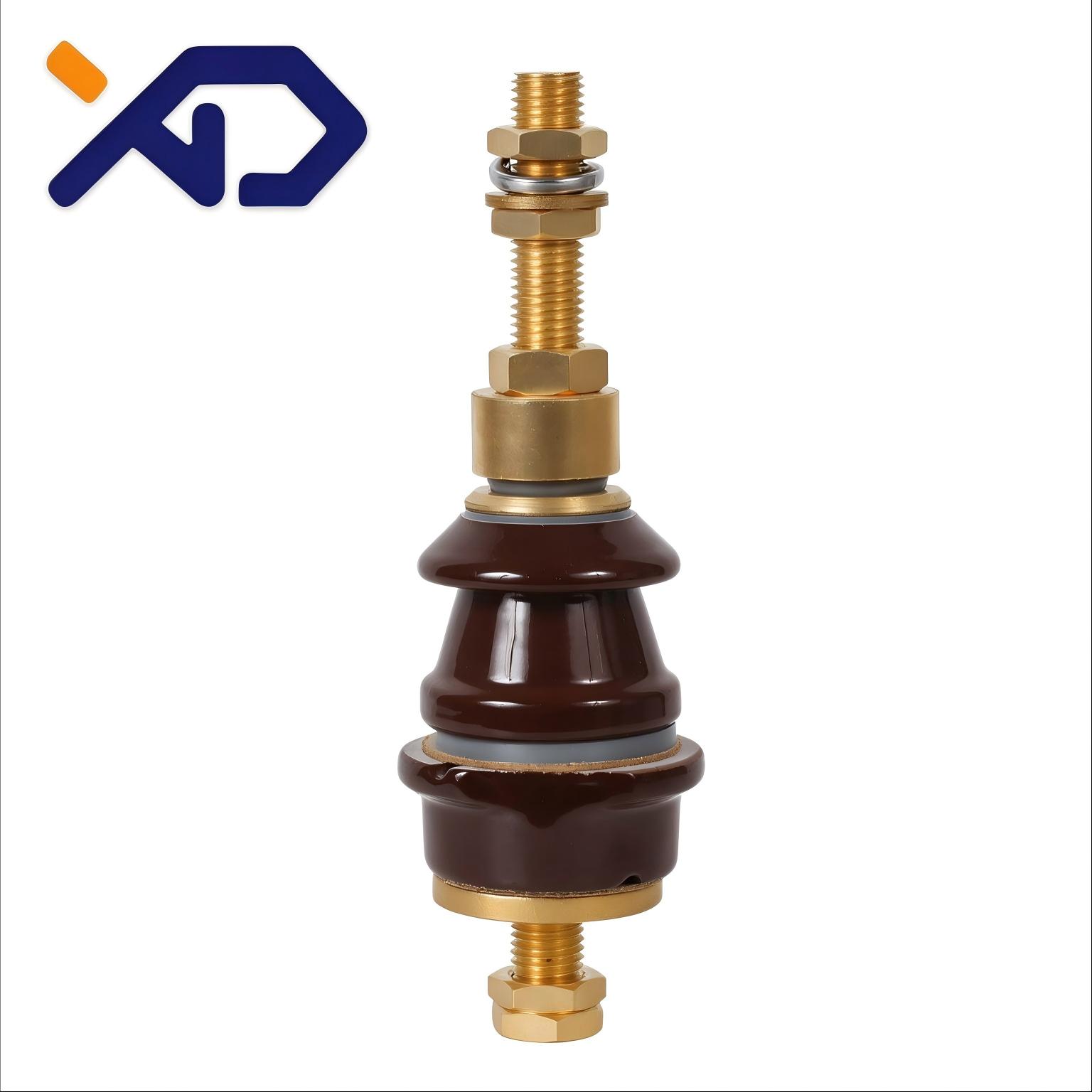
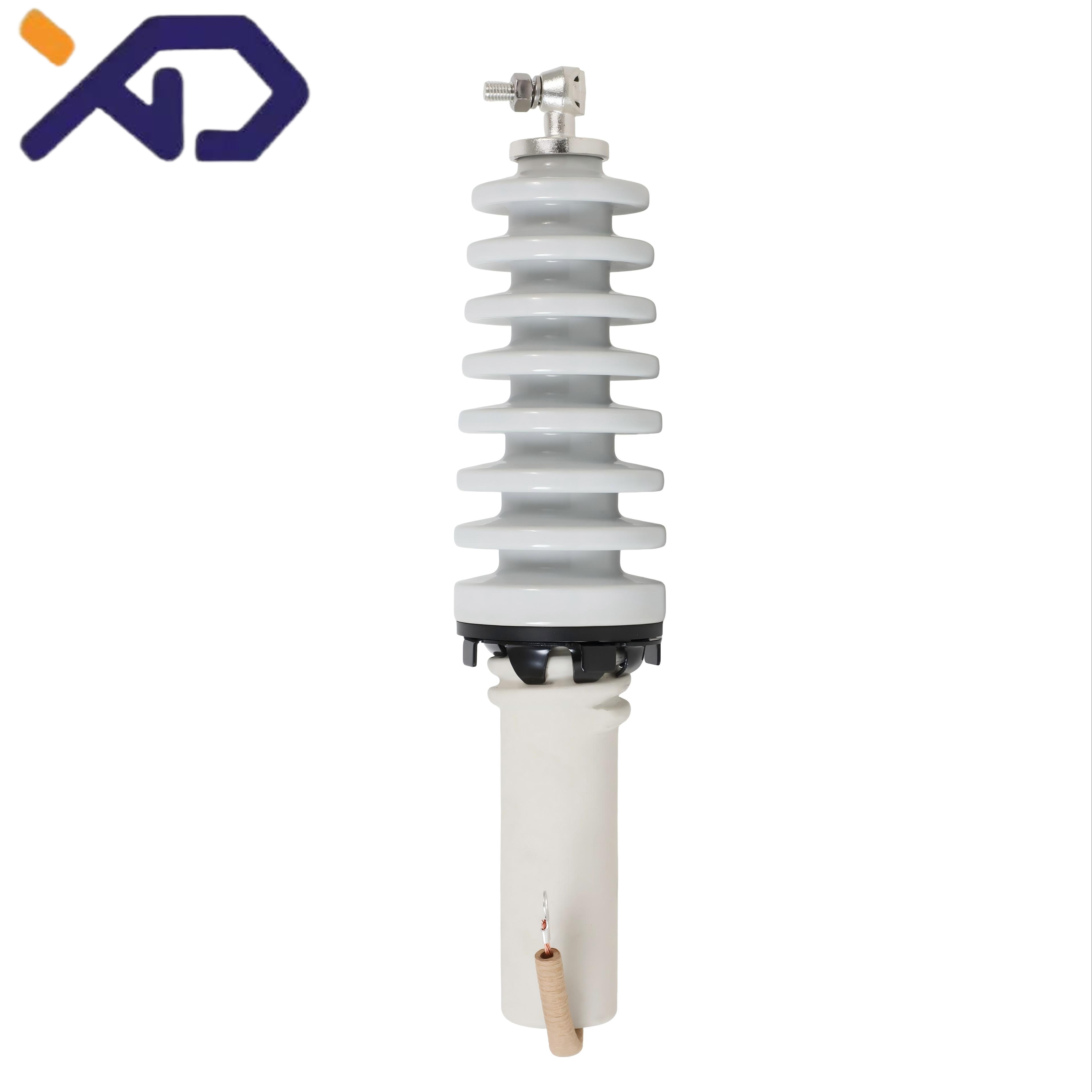
Note: This trend is directly driving demand for high-reliability epoxy resin cast-resin bushings and RIP bushings, which are essential components for safe dry-type transformer operation.
Key Design Requirements for Data Center Transformers
Data center transformers are not off-the-shelf products. They must be engineered for the specific, brutal duty cycles of an AI facility. When specifying a transformer for a data center, engineers must prioritize:
Ultra-Low Losses: Data centers run 24/7/365. Even a 0.1% difference in no-load (core) loss translates to thousands of dollars in energy costs per year. High-efficiency amorphous metal or high-grade silicon steel cores are mandatory to improve Power Usage Effectiveness (PUE).
High Overload Capacity: Because of the rapid load fluctuations of AI workloads, transformers must handle significant overloads without excessive temperature rise. High-grade insulating materials (like Class H or higher) are essential.
Low Noise: Data centers are often located near residential areas or within commercial buildings. Transformer noise (magnetostriction hum) can be a major issue. Premium sound-proofing and low-noise core designs are necessary.
Seismic and Vibration Resistance: The mechanical shock from cooling pumps and the constant vibration of high-density servers require robust transformer construction.
The Supply Chain Bottleneck: Transformers in High Demand
The AI boom has created a severe global supply chain bottleneck for electrical equipment. Lead times for large power transformers have stretched from 40 weeks to 120 weeks or more in some markets. This scarcity has elevated transformers from a commodity component to a strategic asset.
Data center developers are now securing transformer capacity years in advance. For manufacturers and suppliers in the electrical sector, this represents a massive opportunity. However, it also demands a commitment to rigorous quality control and accelerated manufacturing processes without compromising reliability.
Future Trends: Smart and Sustainable Transformers
As data centers evolve, so will their transformers:
Digital Monitoring: Transformers equipped with fiber-optic sensors and IoT gateways will provide real-time data on temperature, partial discharge, and insulation health. This enables predictive maintenance, preventing unplanned downtime.
Grid-Interactive Capabilities: With AI data centers expected to consume up to 9% of U.S. electricity generation by 2030, utilities may mandate that these facilities participate in demand response. Transformers will need to support dynamic load management.
Sustainable Materials: The push for carbon neutrality will drive the adoption of bio-based insulating oils (for liquid-filled units) and recyclable materials in dry-type transformers.
Conclusion
In the race to build the infrastructure for the AI era, the transformer is not just a piece of electrical equipment; it is the beating heart of the power supply. The reliability, efficiency, and safety of a data center are fundamentally limited by the quality of its transformers.
As compute densities continue to soar, the industry must abandon the mindset of viewing transformers as a generic commodity. Selecting the right technology — such as high-efficiency dry-type transformers with advanced bushings — is a strategic decision that directly impacts the uptime, profitability, and environmental footprint of the facility.
For utility engineers, EPC contractors, and data center operators, investing in premium transformer technology today is the only way to guarantee the power delivery that the future of computing demands.
Categories
Contact Us
Contact: Tianjin Juyida Technology Co., Ltd
WhatsApp: +86 13662056855
Tel:
E-mail: solomon20210701@tjxddq.com
Add: Unit‑101, Workshop 3, Bozhong Automobile Industrial Park, No.5 Xianghui Road, Intersection of Xianghui Road and Gaoying Road, Beizhakou Town, Jinnan District, Tianjin, China