Transformer Accessories


TRANSFORMER ACCESSORIES: TERMINALS & SHEATHS
TRANSFORMER ACCESSORIES: TERMINALS & SHEATHS
OVERVIEW OF TRANSFORMER TERMINALS AND SHEATHS
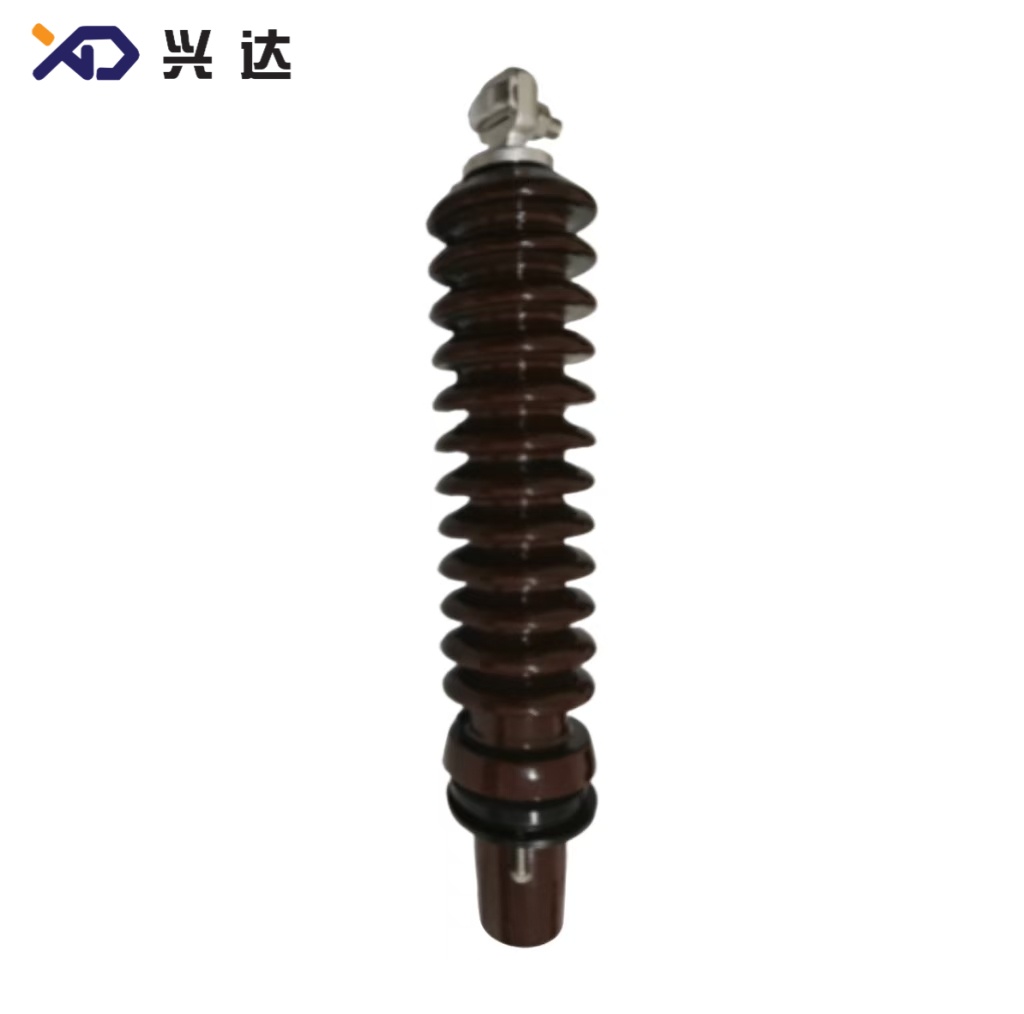
Transformer terminals and sheaths are essential electrical accessories used in power distribution and transformer installations. Terminals provide a secure connection point between transformer bushings, cables, busbars, and external electrical systems. Sheaths, also known as insulating boots or protective covers, are designed to enclose exposed live parts and improve safety in service.
In practical terms, the terminal is the conductive interface that carries high current from the transformer winding to the external network. The sheath is the insulating component that protects that interface from accidental contact, moisture, dust, pollution, and environmental exposure. Together, they help reduce the risk of loose connections, overheating, arcing, short circuits, and electrical shock.
These accessories are commonly used in distribution transformers, pad-mounted transformers, pole-mounted transformers, industrial transformers, and substation auxiliary transformers. Although they are often considered small components, their influence on long-term reliability is significant. A poorly specified terminal can cause excessive resistance and heat rise, while a missing or damaged sheath can create safety and maintenance hazards.
CORE DEFINITIONS
TRANSFORMER TERMINAL
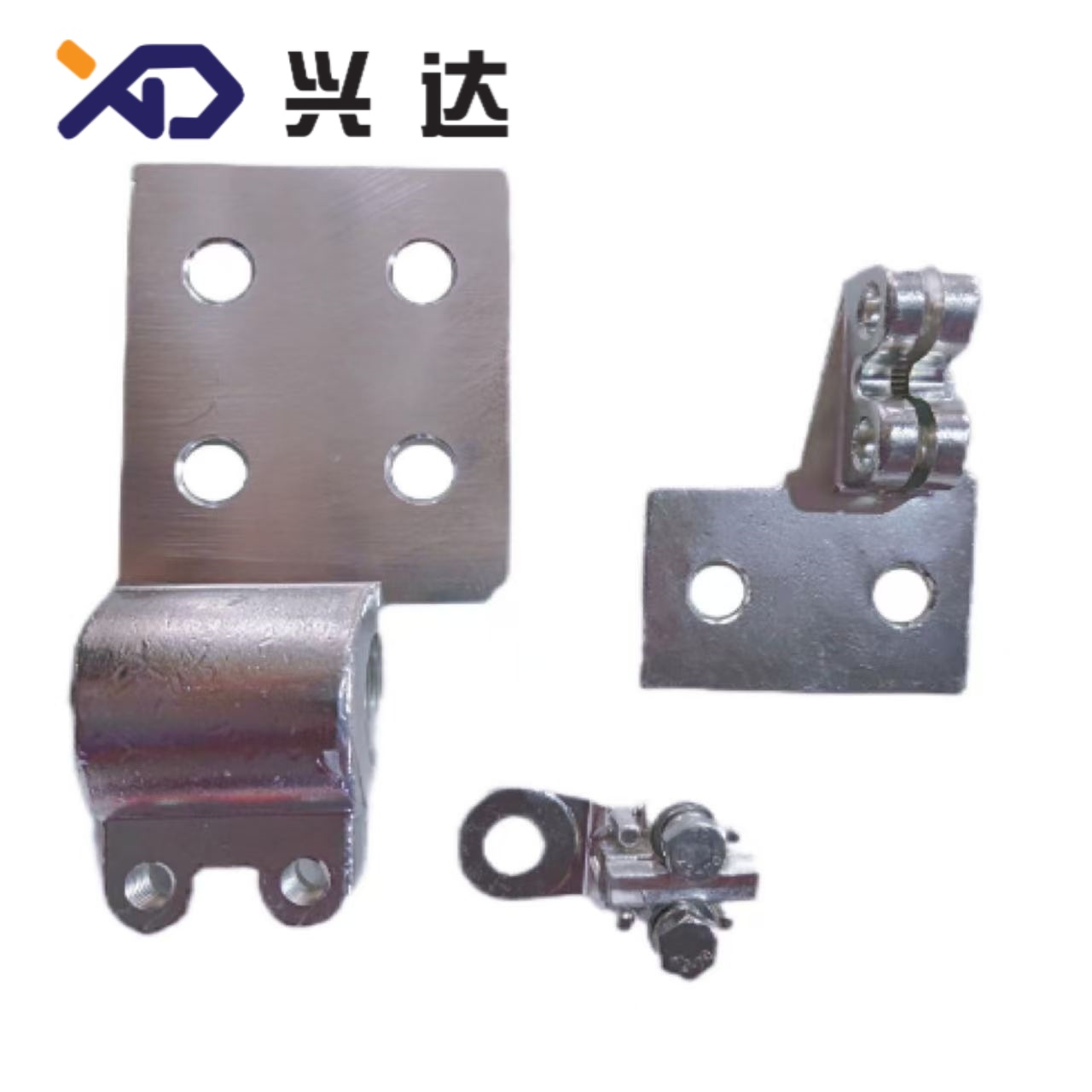
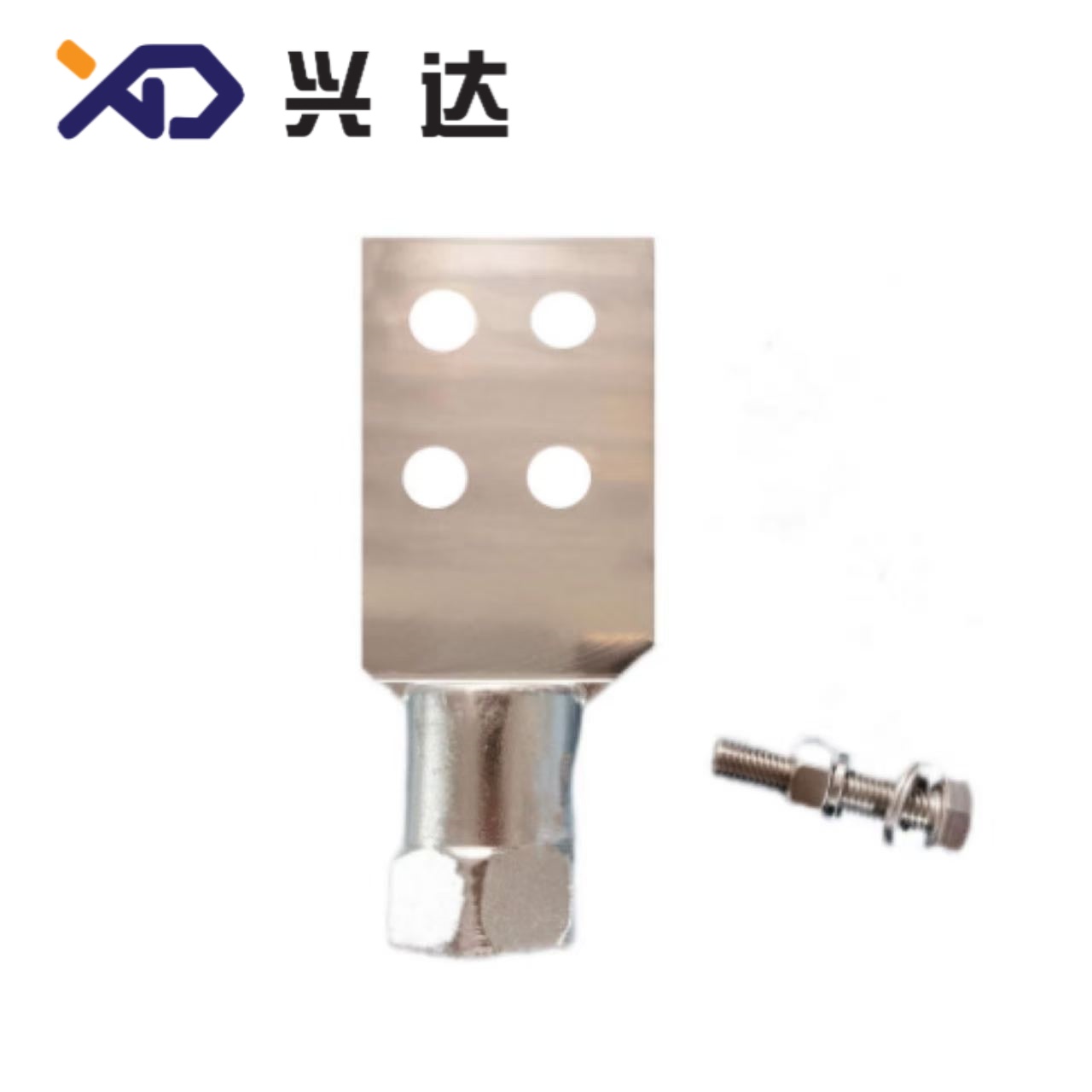
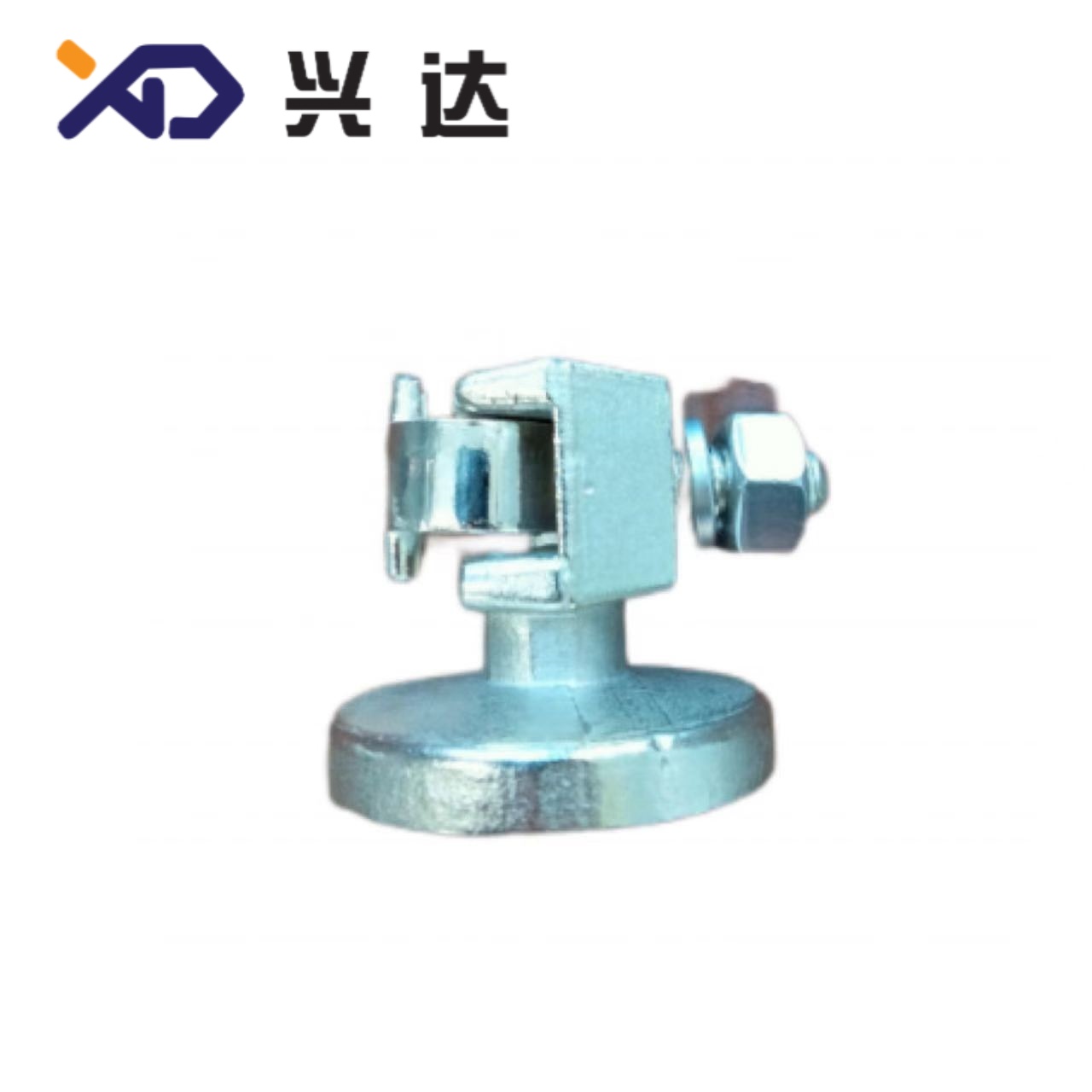
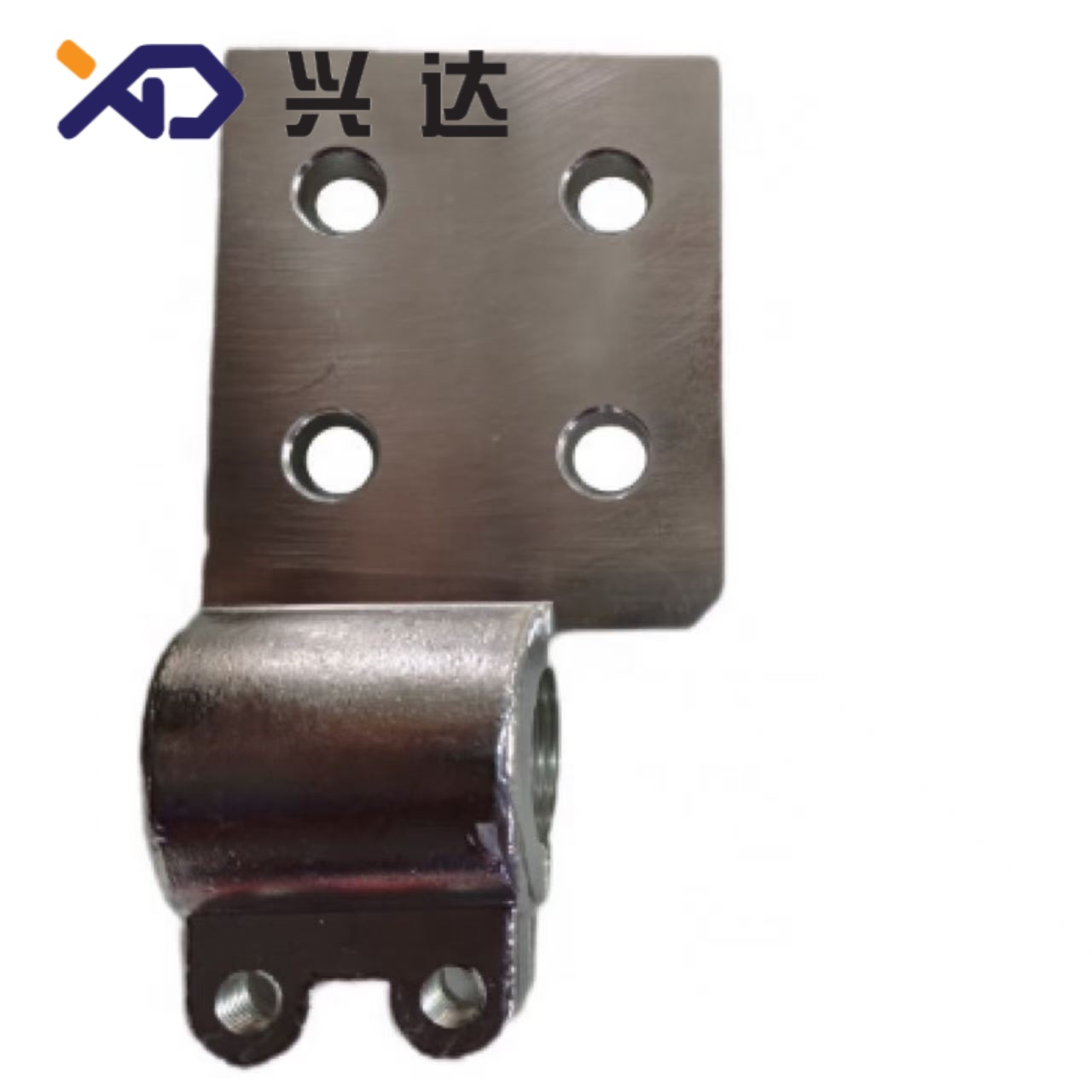
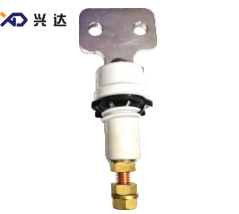
A transformer terminal is a bolted connection component used to join transformer bushings to external conductors such as power cables or busbars. It is typically made of copper, brass, or another conductive alloy, and may be supplied with bolts, nuts, washers, and clamping plates.
Transformer terminals are available in many configurations. Some are designed for straight connections, while others are angled to match the physical layout of the transformer compartment, cable termination area, or busbar arrangement. The main function remains the same: to establish a stable, low-resistance electrical connection that can withstand continuous current, thermal cycling, and short-circuit mechanical forces.
TRANSFORMER SHEATH
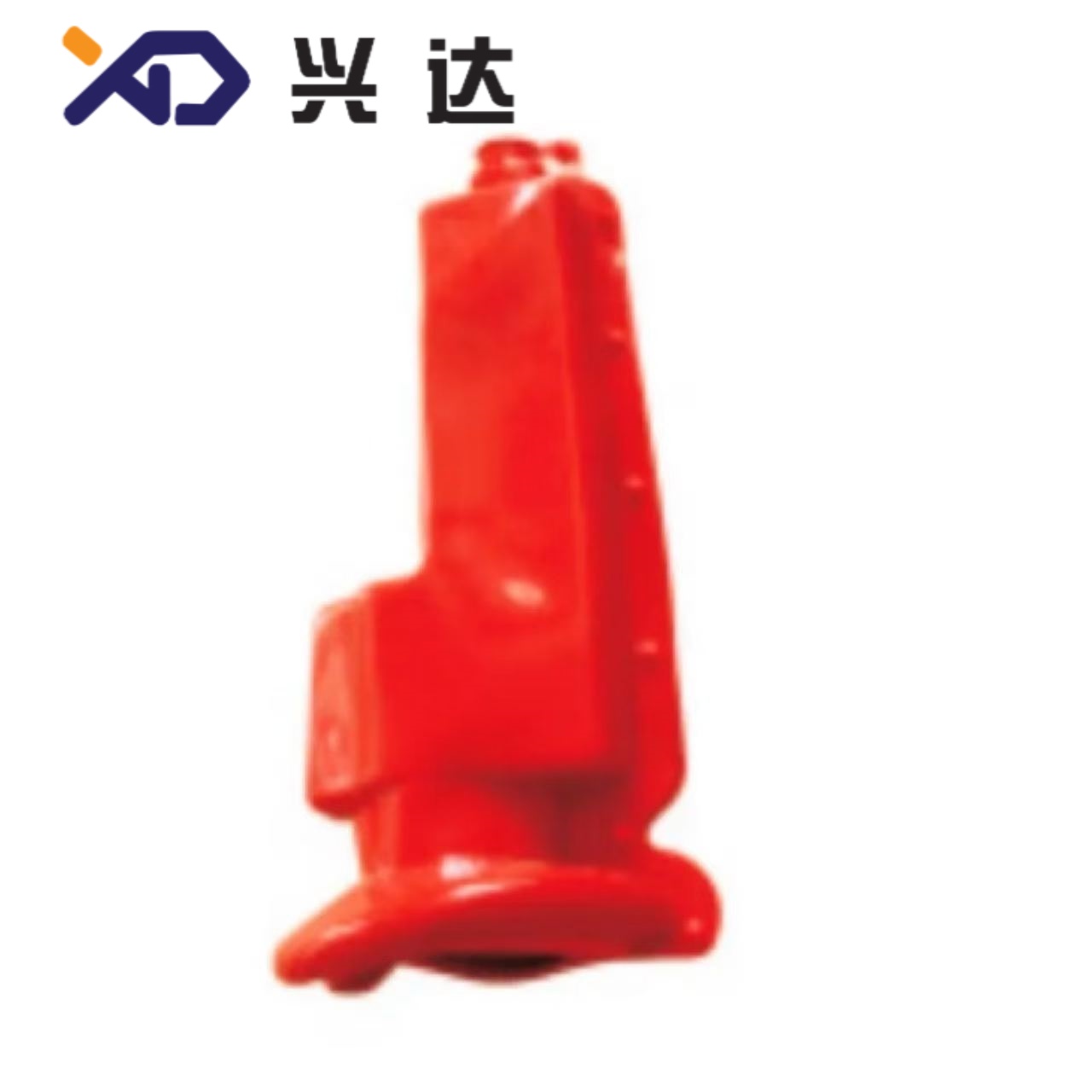
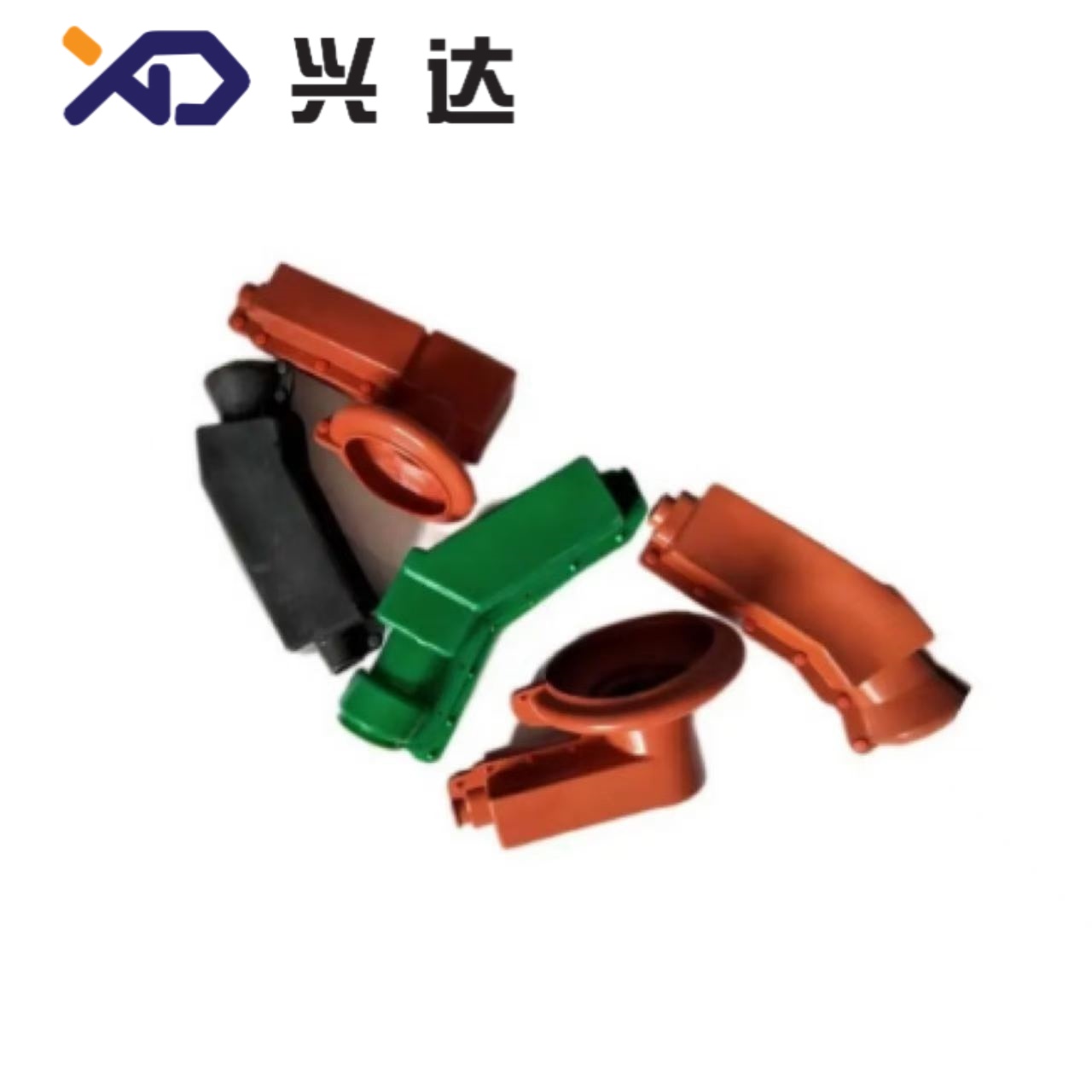
A transformer sheath is an insulating cover fitted over exposed transformer terminals. It is usually made of silicone rubber or other flexible insulating materials with good dielectric strength, temperature resistance, and environmental stability.
The primary purpose of a transformer sheath is to provide insulation and mechanical protection to live terminal parts. Sheaths help prevent accidental contact by personnel, limit the risk of animal-induced short circuits, reduce contamination buildup, and protect the terminal area from moisture, dust, and ultraviolet exposure.
KEY PRODUCT TYPES
TYPES OF TRANSFORMER TERMINALS
Transformer terminals can be classified by current rating, mounting angle, material, and mechanical structure. The following are common industry types:
- 0-Degree TerminalsThese are straight, flat-plate terminals used when the conductor runs in line with the bushing axis. They are widely used for compact, simple busbar connections.
- 30-Degree TerminalsThese terminals have an angled plate to allow cable or busbar routing at an offset angle. They are often used when space is limited inside the transformer compartment.
- Double Pressure Plate TerminalsThis design uses two clamping plates to distribute pressure evenly across the conductor. It helps improve contact stability and resist loosening under thermal cycling and vibration.
- Integral Cover Plate TerminalsThese terminals combine the connection plate and cover plate in one assembly. They are commonly selected for easier installation and better mechanical protection of the connection area.
- Copper TerminalsCopper terminals offer high electrical conductivity and excellent thermal performance. They are typically preferred for heavy-current, high-load, and high-reliability applications.
- Brass TerminalsBrass terminals provide good mechanical strength and moderate conductivity. They are often used in cost-sensitive applications where current and temperature conditions remain within specified limits.
- Heavy-Current TerminalsFor large power transformers, heavy-current terminals are designed to handle very high continuous currents. These may include larger conductive rods, extended connection plates, and reinforced bolting structures.
TYPES OF TRANSFORMER SHEATHS
Transformer sheaths are generally categorized according to their position on the transformer and the terminal size they cover.
- HV SheathsHV sheaths are used on the high-voltage side of the transformer. They are shaped to fit HV bushing terminals and provide enhanced insulation and electrical isolation.
- LV SheathsLV sheaths are used on the low-voltage side. They are often more compact than HV sheaths but still provide full coverage of exposed conductive parts.
- 300A SheathsThese sheaths are designed for smaller low-voltage terminals rated at 300A. They are commonly used in smaller distribution transformer applications.
- 400A–600A SheathsThese larger sheaths cover medium-capacity low-voltage terminals. They are suitable for transformers with higher output currents and larger connection arrangements.
- Pre-Split SheathsPre-split sheaths have a slit along one side, allowing them to be installed or removed without disconnecting cables or busbars. This feature makes them convenient for maintenance, inspection, and retrofit applications.
MATERIALS AND PERFORMANCE CHARACTERISTICS
TERMINAL MATERIALS
The most common materials for transformer terminals are copper and brass. Each material has different electrical, mechanical, and economic characteristics.
Copper is known for high conductivity, low contact resistance, good ductility, and excellent heat dissipation. These properties make copper terminals particularly suitable for heavy-current operations where heat rise must be controlled.
Brass offers good mechanical rigidity and corrosion resistance at a lower cost than pure copper. However, its conductivity is generally lower than that of copper, so it must be applied within appropriate current and temperature limits.
Some terminals are supplied with tin-plated or surface-treated finishes. These treatments can help reduce oxidation, improve corrosion resistance, and maintain stable contact resistance over time.
SHEATH MATERIALS
Most transformer sheaths are made from silicone rubber. Silicone rubber is preferred because it offers:
- good dielectric strength,
- wide operating temperature range,
- flexibility at low temperatures,
- resistance to aging, ozone, and ultraviolet exposure,
- water repellent or hydrophobic surface behavior,
- mechanical toughness for repeated installation and removal.
Because sheaths are frequently exposed to outdoor conditions, material quality directly affects service life. Low-quality rubber may become hard, brittle, or cracked after prolonged exposure to sunlight, heat, and pollution.
MAIN ADVANTAGES OF TRANSFORMER TERMINALS AND SHEATHS
ADVANTAGES OF TRANSFORMER TERMINALS
- Low-Resistance ConnectionWell-designed transformer terminals provide a large contact area and uniform clamping pressure, which helps minimize contact resistance and heat generation.
- High Current CapabilityTerminals are rated for specific continuous currents, allowing them to handle the full-load output of the transformer without excessive temperature rise.
- Mechanical StabilityBolted terminal assemblies can withstand mechanical forces caused by short circuits, thermal expansion, and vibration, helping maintain connection integrity over time.
- Easy Installation and MaintenanceMost transformer terminals can be installed using standard bolts and torque tools. They can also be disassembled and re-tightened during maintenance inspections.
- Layout FlexibilityThe availability of 0-degree and 30-degree configurations allows engineers to adapt connections to different compartment layouts, cable positions, and busbar arrangements.
- Standardized InterfacesTerminals are normally designed to match bushing stud sizes, hole patterns, and mounting dimensions, making them interchangeable across many transformer designs.
ADVANTAGES OF TRANSFORMER SHEATHS
- Electrical SafetySheaths cover exposed live metal parts, reducing the risk of accidental contact and improving safety for personnel during operation and maintenance.
- Environmental ProtectionSheaths protect terminals from dust, moisture, rain, salt spray, and pollution, which can otherwise degrade insulation and increase the risk of surface discharge.
- Prevention of Short CircuitsBy isolating exposed conductive parts, sheaths help reduce the chance of short circuits caused by animals, tools, or foreign objects.
- Thermal and UV ResistanceHigh-quality silicone rubber sheaths can operate reliably in high and low temperatures, and resist degradation from ultraviolet radiation.
- Maintenance AccessibilityMany sheaths can be lifted or removed without disconnecting the terminal, making it easier to perform visual checks, infrared inspections, and torque verification.
- Color CodingIn many installations, sheaths are color-coded to distinguish high-voltage and low-voltage sides. This improves identification during installation, inspection, and maintenance.
TECHNICAL SPECIFICATIONS AND RATINGS
Transformer terminals and sheaths are selected based on current rating, terminal size, bushing stud size, mounting configuration, material grade, and environmental requirements. The following tables provide industry-typical reference data.
TABLE 1: TRANSFORMER TERMINAL MATERIAL COMPARISON
表格
| Material | Conductivity | Mechanical Strength | Temperature Performance | Typical Application |
|---|---|---|---|---|
| Copper | High | Good ductility | Excellent | Heavy-current, high-load transformers |
| Brass | Moderate | Good rigidity | Good | Cost-sensitive distribution applications |
| Tin-plated copper | High | Good | Excellent | Corrosive or humid environments |
| Aluminum alloy | Moderate | Lightweight | Variable | Special lightweight or cost-driven designs |
TABLE 2: TRANSFORMER SHEATH MATERIAL PROPERTIES
表格
| Property | Typical Characteristic | Benefit |
|---|---|---|
| Material | Silicone rubber | Good insulation and flexibility |
| Operating temperature range | Wide | Suitable for extreme cold and heat |
| Dielectric strength | High | Reduces leakage current and flashover risk |
| UV and ozone resistance | Good | Longer service life outdoors |
| Water repellency | Hydrophobic surface | Reduces moisture-related tracking |
| Installation type | Pre-split or fully enclosed | Easy to fit and remove |
TABLE 3: TRANSFORMER TERMINAL CURRENT RANGE
表格
| Current Class | Typical Terminal Type | Common Application |
|---|---|---|
| Up to 300A | Small LV terminal | Light distribution transformers |
| 400A–600A | Medium LV terminal | Standard distribution transformers |
| 800A–1600A | Heavy LV terminal | Large distribution and small industrial transformers |
| 2000A–4000A | High-current terminal | Large industrial and power transformers |
| 4000A–7000A | Heavy-duty conductive terminal | Very large power transformers |
TABLE 4: TRANSFORMER SHEATH SELECTION GUIDE
表格
| Application | Sheath Type | Matching Terminal |
|---|---|---|
| High-voltage side | HV sheath | HV bushing terminal |
| Low-voltage side | LV sheath | LV terminal |
| Low-voltage side | 300A sheath | 300A class terminal |
| Low-voltage side | 400A–600A sheath | 400A to 600A class terminal |
| Maintenance-friendly installation | Pre-split sheath | Standard bolted terminal |
TABLE 5: TRANSFORMER TERMINAL DIMENSION REFERENCE
表格
| Rated Current | Stud Size | Typical Hole Diameter | Recommended Bolt Grade | Application |
|---|---|---|---|---|
| 300A | M12 | 13 mm | 8.8 or equivalent | Small LV connections |
| 400A | M12 | 13 mm | 8.8 or equivalent | Standard LV connections |
| 600A | M16 | 17 mm | 8.8 or equivalent | Medium LV connections |
| 800A | M16–M20 | 17–21 mm | 8.8 or equivalent | Heavy LV connections |
| 1200A | M20 | 21 mm | 10.9 or equivalent | Large LV connections |
| 2000A | M24 | 25 mm | 10.9 or equivalent | High-current connections |
SELECTION CRITERIA
HOW TO SELECT TRANSFORMER TERMINALS
- Current RatingThe terminal must have a continuous current rating equal to or higher than the transformer output current.
- Bushing Stud CompatibilityCheck the stud diameter, thread size, and mounting hole pattern to ensure mechanical compatibility with the transformer bushing.
- Connection LayoutChoose between 0-degree and 30-degree terminals based on cable routing, busbar position, and available space in the compartment.
- Material GradeSelect copper for high-current and high-reliability applications. Select brass only when the application is within its current and temperature limits.
- Mechanical StructureDecide between single-plate, double pressure plate, and integral cover plate designs based on assembly method and maintenance needs.
- Surface TreatmentConsider tin-plating or other corrosion-resistant finishes for humid, dusty, or chemically aggressive environments.
HOW TO SELECT TRANSFORMER SHEATHS
- Voltage SideUse HV sheaths for high-voltage terminals and LV sheaths for low-voltage terminals.
- Current ClassThe sheath must match the size and shape of the installed terminal. A loose sheath may not provide adequate protection.
- Material QualityPrefer high-grade silicone rubber with good temperature, UV, ozone, and aging resistance.
- Installation TypePre-split sheaths are more convenient for retrofitting and maintenance, while fully enclosed sheaths may provide better environmental sealing.
- Environmental ConditionsConsider outdoor exposure, humidity, dust, salt spray, and operating temperature range when selecting sheath material.
INSTALLATION AND MAINTENANCE BEST PRACTICES
INSTALLATION GUIDELINES
- Clean Contact SurfacesBefore installation, remove dirt, oil, oxide layers, and contamination from both the terminal and the bushing contact area.
- Use Correct Bolts and WashersUse bolts, nuts, and washers of the correct size and strength grade. Poor fasteners can cause loosening or mechanical failure.
- Apply Specified TorqueTighten terminal bolts to the manufacturer’s recommended torque value. Under-tightening increases resistance and heat, while over-tightening may damage threads or deform components.
- Check AlignmentEnsure the terminal, bushing stud, cable lug, or busbar is properly aligned before tightening. Misalignment can create uneven pressure and poor contact.
- Install Sheaths After Connection VerificationFit the sheath only after the terminal connection has been fully assembled and torque-checked.
- Verify Full CoverageMake sure the sheath completely covers exposed conductive parts and remains properly positioned during operation.
MAINTENANCE RECOMMENDATIONS
- Perform Visual InspectionsCheck terminals for overheating marks, discoloration, corrosion, loose bolts, or damaged insulation.
- Use Thermal ImagingInfrared scanning is an effective method for detecting abnormal heat rise at terminal connections.
- Re-Torque When RequiredPeriodically re-tighten bolts according to maintenance schedules and manufacturer instructions.
- Inspect Sheath ConditionReplace sheaths that are cracked, hardened, torn, deformed, or no longer fit securely.
- Keep RecordsMaintain records of installation date, torque values, maintenance activities, and inspection results for traceability.
COMMON FAILURE MODES AND PREVENTION
Transformer terminals and sheaths can fail in different ways. Understanding these failure modes helps improve design, installation, and maintenance practices.
TERMINAL FAILURE MODES
- OverheatingCaused by undersized terminals, loose bolts, high contact resistance, or poor conductor surface condition.
- Mechanical LooseningThermal cycling, vibration, and short-circuit forces can cause bolts to loosen over time.
- CorrosionMoisture, dust, salt spray, and chemical contaminants can corrode contact surfaces and increase resistance.
- Thread DamageOver-tightening or using incorrect fasteners can damage bushing studs or terminal threads.
- Physical DeformationExcessive clamping force or short-circuit stress can bend or distort terminal plates.
SHEATH FAILURE MODES
- Cracking and Brittle FractureLow-quality rubber or prolonged UV exposure can cause sheaths to become brittle and crack.
- Poor FitA sheath that is too loose may fall off or leave exposed parts unprotected.
- TearingRepeated installation and removal, especially on sharp edges, can cause mechanical tearing.
- Thermal DegradationContinuous overheating from the terminal can accelerate sheath aging and reduce insulation performance.
- Environmental ContaminationDust, dirt, and moisture can accumulate on the sheath surface, potentially creating leakage paths.
INDUSTRIAL APPLICATION AREAS
Transformer terminals and sheaths are used in a wide range of electrical infrastructure and industrial applications.
- Distribution NetworksUrban and rural distribution networks use these accessories in pole-mounted, pad-mounted, and ground-mounted transformers.
- Industrial PlantsManufacturing facilities, process plants, and heavy industry use transformer terminals and sheaths for reliable power distribution.
- Commercial BuildingsShopping malls, office complexes, hospitals, and hotels depend on safe and stable transformer connections.
- Power Plants and SubstationsAuxiliary transformers, station transformers, and unit service transformers require robust terminal and protection systems.
- Renewable Energy ProjectsSolar farms, wind farms, and other renewable installations use transformer accessories to step up voltage and connect to the grid.
- Mining and Heavy IndustryIn mining, cement, steel, and chemical plants, these components must withstand harsh environments and high mechanical stress.
STANDARDS AND COMPLIANCE
Although specific company recommendations are excluded, transformer terminals and sheaths should be designed, manufactured, and tested according to recognized industry standards. Typical considerations include:
- electrical conductivity requirements,
- mechanical strength and bolting performance,
- temperature rise limits,
- short-circuit mechanical withstand capability,
- dielectric strength of insulating sheaths,
- aging resistance of rubber materials,
- corrosion resistance of metal components,
- dimensional compatibility with transformer bushings.
Compliance helps ensure that accessories are safe, reliable, and suitable for continuous operation in demanding electrical environments.
SUMMARY
Transformer terminals and sheaths are small but critical accessories in power transformer systems. Terminals provide the conductive interface between transformer bushings and external conductors, while sheaths protect exposed live parts from environmental and mechanical hazards.
The selection process must consider current rating, bushing stud size, connection layout, material grade, sheath compatibility, and environmental conditions. Proper installation, correct torque control, and regular maintenance are essential for long-term performance.
By choosing well-matched terminals and sheaths, system operators can improve connection reliability, reduce heat-related faults, lower safety risks, and extend the overall service life of transformer installations.
Categories
Contact Us
Contact: Tianjin Delda Trading Co., Ltd
WhatsApp: +86 13662056855
Tel:
E-mail: solomon20210701@tjxddq.com
Add: Unit‑101, Workshop 3, Bozhong Automobile Industrial Park, No.5 Xianghui Road, Intersection of Xianghui Road and Gaoying Road, Beizhakou Town, Jinnan District, Tianjin, China